Pratt & Whitney Canada Launches New MRO Services in Singapore
Written by Emily J. Thompson, Senior Investment Analyst
Updated: Apr 17 2026
0mins
Should l Buy RTX?
Source: Newsfilter
- Service Launch: Pratt & Whitney Canada has introduced new maintenance, repair, and overhaul (MRO) services for helicopter and regional turboprop engines at its Singapore facility, aimed at enhancing support for over 300 PT6C-67C-powered Leonardo AW139 helicopters, thereby improving customer service capabilities in the Asia-Pacific region.
- Global Capacity Expansion: The new services not only increase global MRO capacity for the PW127XT engine, supporting current ATR 42/72 aircraft, but also set the stage for future applications on the Deutsche Aircraft D328eco, further expanding market reach.
- Facility Evolution: Since its opening in 1983, the Singapore facility has evolved into a vital hub for customer support across the Asia-Pacific region, with the introduction of PT6C-67C capabilities marking the first maintenance of turboshaft engines at the site, supported by a new modular test cell for comprehensive overhauls.
- Industry Impact: Pratt & Whitney Canada has delivered over 3,000 PT6C-67C engines, accumulating more than 10 million flight hours, while the PW100 family boasts over 220 million flight hours globally, with 300,000 hours attributed to the PW127XT alone, demonstrating its significant influence in the aircraft engine market.
Trade with 70% Backtested Accuracy
Stop guessing "Should I Buy RTX?" and start using high-conviction signals backed by rigorous historical data.
Sign up today to access powerful investing tools and make smarter, data-driven decisions.
Analyst Views on RTX
Wall Street analysts forecast RTX stock price to rise
14 Analyst Rating
9 Buy
5 Hold
0 Sell
Moderate Buy
Current: 178.890

Low
168.00
Averages
195.77
High
215.00
Current: 178.890
Low
168.00
Averages
195.77
High
215.00
About RTX
RTX Corporation is an aerospace and defense company, which provides advanced systems and services for commercial, military, and government customers worldwide. The Company operates through three segments: Collins Aerospace, Pratt & Whitney, and Raytheon. Collins Aerospace segment provides technologically advanced aerospace and defense products and aftermarket service solutions for civil and military aircraft manufacturers, commercial airlines, and regional, business and general aviation, as well as for defense and commercial space operations. The Pratt & Whitney segment supplies aircraft engines for commercial, military, business jet, and general aviation customers. The Raytheon segment provides defensive and offensive threat detection, tracking and mitigation capabilities for the United States and foreign government and commercial customers. The Raytheon designs, develops, and provides advanced capabilities in integrated air and missile defense, smart weapons, missiles and others.
About the author

Emily J. Thompson
Emily J. Thompson, a Chartered Financial Analyst (CFA) with 12 years in investment research, graduated with honors from the Wharton School. Specializing in industrial and technology stocks, she provides in-depth analysis for Intellectia’s earnings and market brief reports.

Collins Aerospace Expands Facility, Creating Over 100 High-Tech Jobs

- Investment Expansion: Collins Aerospace is investing $26.5 million to expand its Largo, Florida facility, aimed at accelerating the production of commercial aviation radars and multi-domain security solutions, thereby enhancing the company's competitiveness in the aviation and defense markets.
- Job Creation: This expansion is expected to create over 100 high-skilled jobs across engineering and factory operations, further driving local economic development and enhancing the region's appeal for technical talent.
- Critical Technology Delivery: The new facility will support the FAA's Radar System Replacement Program, producing the Condor Mk3 and ASR-XM radars, ensuring passenger safety and military operational efficiency to meet the growing market demand.
- Regional Economic Impact: Collins Aerospace's expansion not only strengthens the military and defense cluster in the Tampa Bay area but also solidifies Florida's leadership in aviation manufacturing and national security, attracting more high-tech manufacturers to the state.
See More
Nvidia Rallies as CEO Huang Joins Trump’s China Delegation

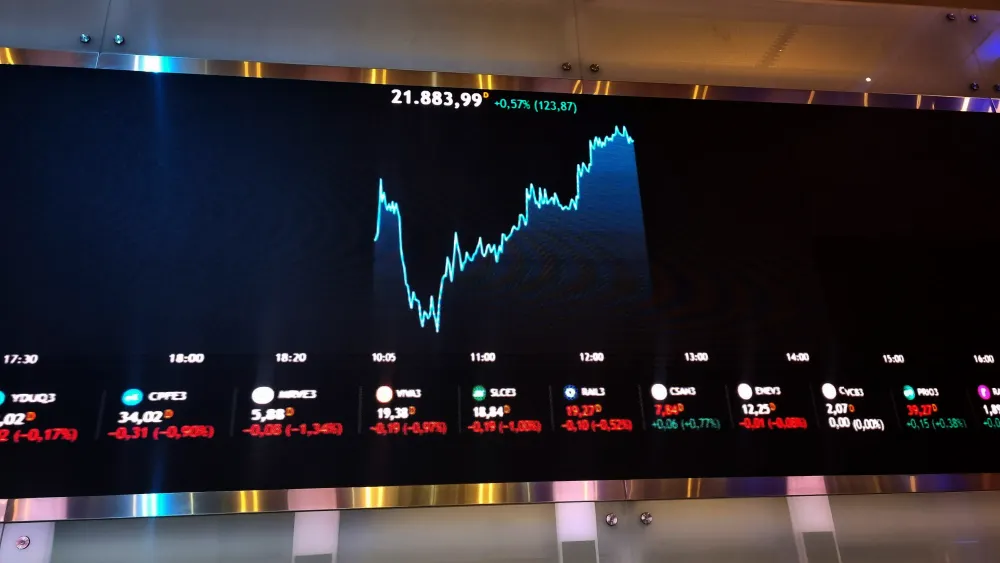
- Nvidia Stock Surge: Nvidia (NVDA) shares rose 1% as CEO Jensen Huang joined President Trump's China delegation, igniting investor optimism ahead of its upcoming earnings report, reflecting strong market sentiment regarding its business prospects in China.
- Wall Street Backing: Susquehanna raised Nvidia's price target from $250 to $275, indicating a potential 25% upside, while Wells Fargo increased its target to $315, suggesting that despite margin and market share concerns, durable AI demand will continue to support the stock.
- Defense Spending Boosts RTX: RTX shares gained as defense spending rises, with Collins Aerospace announcing a $26.5 million expansion of its radar production facility in Florida, expected to create over 100 skilled jobs and enhance its competitive position in the defense sector.
- Broadwind Exceeds Expectations: Broadwind (BWEN) reported Q1 revenue of $34.06 million, surpassing analyst estimates, with total orders reaching $37.4 million, indicating strong demand for AI data centers and natural gas power generation, with the CEO noting the beginning of a super cycle.
See More
Germany Revives Talks with U.S. on Tomahawk Missile Sale
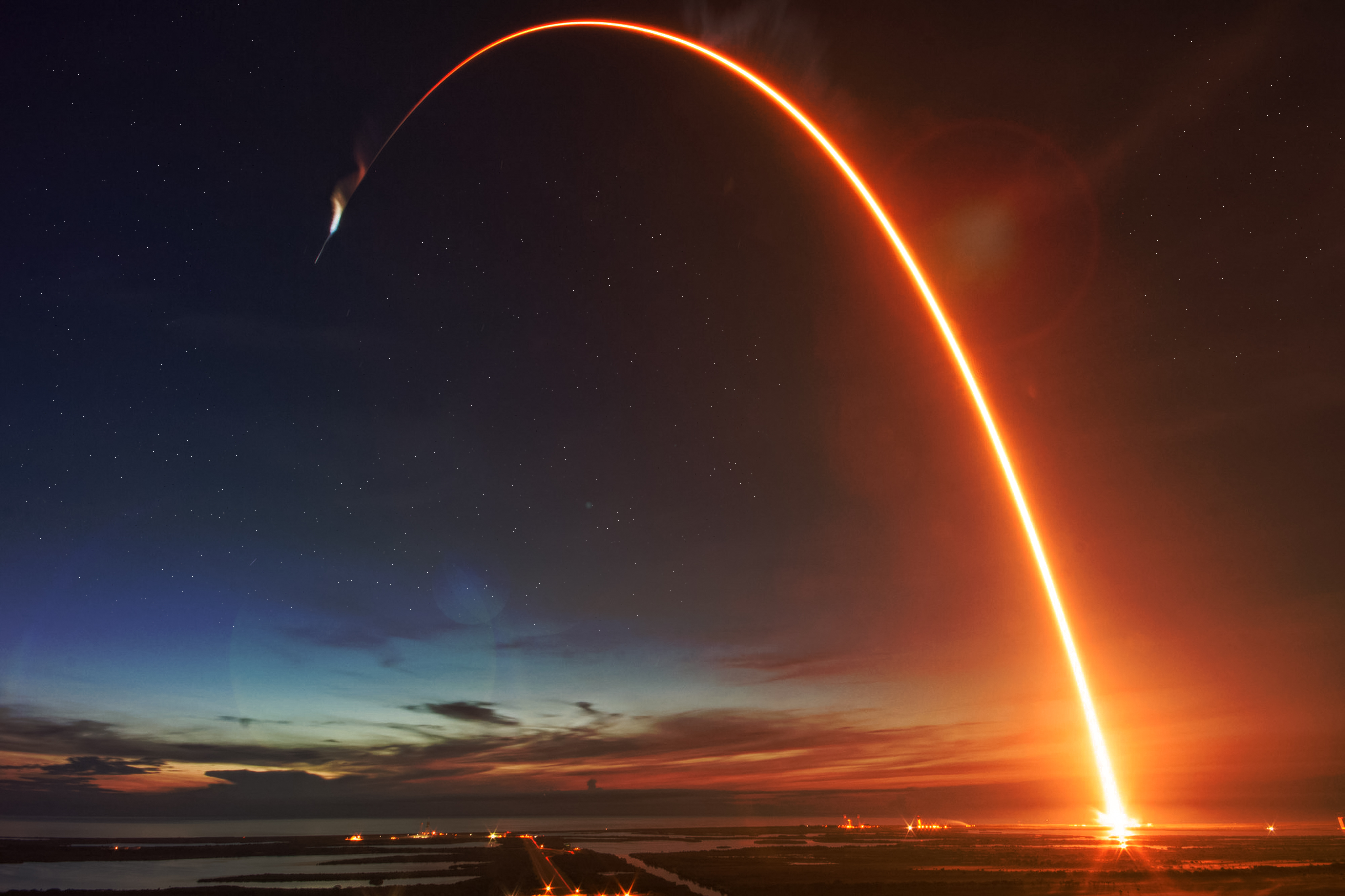
- Missile Sale Negotiations Revived: German Defense Minister Boris Pistorius plans a trip to Washington to push for the purchase proposal of Tomahawk missiles and their launchers first submitted last July, despite the U.S. not responding, highlighting Germany's urgent need to enhance its defense capabilities.
- Strained U.S.-Germany Relations: The success of this visit hinges on whether Pistorius can secure a meeting with U.S. Secretary of War Hegseth, which is uncertain due to the deteriorating relationship between Trump and German Chancellor Merz over the Iran war, potentially impacting the negotiation process.
- U.S. Troop Deployment Adjustments: The Pentagon announced last week that it would reassign a long-range fires battalion originally scheduled for deployment this year, reflecting a strategic shift in U.S. NATO arrangements, especially after Trump's decision to withdraw 5,000 troops from Germany, intensifying Germany's security concerns.
- Production Capacity Increase: In February, the Pentagon signed a seven-year deal with Raytheon to increase Tomahawk missile production, addressing depleted stockpiles due to ongoing conflicts, indicating the U.S. commitment to enhancing its military capabilities and readiness.
See More

Trump Upgrades Golden Dome Missile Defense Initiative

- Golden Dome Initiative Launched: President Trump’s Executive Order 14186, published on January 27, 2025, inaugurated the Golden Dome program aimed at constructing a next-generation missile defense system to deter any foreign aerial attacks, reflecting the U.S. strategic commitment to national defense.
- Massive Contract Value: The U.S. Space Force announced awarding $3.2 billion in defense contracts to 12 companies to develop space-based interceptors, which are expected to significantly enhance the country's missile defense capabilities by filling existing gaps in the system.
- Diverse Participation: The contract includes well-known defense firms like Lockheed Martin and Northrop Grumman, alongside emerging space technology companies such as Gitai and True Anomaly, showcasing the Space Force's strategy to attract both traditional and non-traditional vendors for this initiative.
- Investment Opportunities Arise: Lockheed Martin stands out with a price-to-earnings ratio of 15.8 and a projected earnings growth rate of 18.5%, making it a focal point for investors looking to capitalize on the Golden Dome initiative, as it is expected to benefit from future contracts and solidify its leadership in the defense market.
See More

Raytheon Secures Contract for Australian Frigate Program
- Contract Signing: Raytheon has secured a contract with Mitsubishi Heavy Industries to provide SeaRAM self-defense systems for Australia's Sea3000 General Purpose Frigate program, marking a significant expansion in the company's presence in the Asia-Pacific defense market despite undisclosed financial terms.
- Project Background: The Sea3000 program aims to replace the retiring Anzac-class frigates with 11 upgraded Mogami-class frigates, reflecting Australia's ongoing investment in naval modernization and enhanced maritime capabilities.
- Technical Support: Under the agreement, Raytheon will supply SeaRAM launchers, Blast Test Vehicles, and technical services to support the installation and testing of the first three frigates being built in Japan, ensuring the effectiveness and reliability of the systems.
- Delivery Timeline: Deliveries under the contract are expected to begin in late 2028, providing Raytheon ample time to optimize production processes and ensure timely delivery, thereby further solidifying its position in the international defense market.
See More

Raytheon Secures Contract for Australia's Naval Defense System
- Contract Award: Raytheon has secured a contract with Mitsubishi Heavy Industries to provide SeaRAM® ship self-defense systems for Australia's Sea3000 General Purpose Frigate program, marking the country's first procurement of this advanced defense system.
- Frigate Replacement Plan: The Sea3000 program aims to replace the decommissioning Anzac-class frigates with 11 upgraded Mogami-class frigates, enhancing the naval force's operational capabilities.
- Technology Integration: The SeaRAM system combines the Phalanx Close In Weapon System and Rolling Airframe Missile to provide autonomous terminal defense against cruise missiles and other airborne threats, significantly boosting the Royal Australian Navy's defense capabilities.
- Delivery Timeline: Work on this contract will take place in Louisville, Kentucky, with deliveries expected to commence in late 2028, further solidifying Australia's position within the global RAM user community.
See More
Collins Aerospace Expands Facility, Creating Over 100 High-Tech Jobs
- Investment Expansion: Collins Aerospace is investing $26.5 million to expand its Largo, Florida facility, aimed at accelerating the production of commercial aviation radars and multi-domain security solutions, thereby enhancing the company's competitiveness in the aviation and defense markets.
- Job Creation: This expansion is expected to create over 100 high-skilled jobs across engineering and factory operations, further driving local economic development and enhancing the region's appeal for technical talent.
- Critical Technology Delivery: The new facility will support the FAA's Radar System Replacement Program, producing the Condor Mk3 and ASR-XM radars, ensuring passenger safety and military operational efficiency to meet the growing market demand.
- Regional Economic Impact: Collins Aerospace's expansion not only strengthens the military and defense cluster in the Tampa Bay area but also solidifies Florida's leadership in aviation manufacturing and national security, attracting more high-tech manufacturers to the state.
See More
Nvidia Rallies as CEO Huang Joins Trump’s China Delegation
- Nvidia Stock Surge: Nvidia (NVDA) shares rose 1% as CEO Jensen Huang joined President Trump's China delegation, igniting investor optimism ahead of its upcoming earnings report, reflecting strong market sentiment regarding its business prospects in China.
- Wall Street Backing: Susquehanna raised Nvidia's price target from $250 to $275, indicating a potential 25% upside, while Wells Fargo increased its target to $315, suggesting that despite margin and market share concerns, durable AI demand will continue to support the stock.
- Defense Spending Boosts RTX: RTX shares gained as defense spending rises, with Collins Aerospace announcing a $26.5 million expansion of its radar production facility in Florida, expected to create over 100 skilled jobs and enhance its competitive position in the defense sector.
- Broadwind Exceeds Expectations: Broadwind (BWEN) reported Q1 revenue of $34.06 million, surpassing analyst estimates, with total orders reaching $37.4 million, indicating strong demand for AI data centers and natural gas power generation, with the CEO noting the beginning of a super cycle.
See More
Germany Revives Talks with U.S. on Tomahawk Missile Sale
- Missile Sale Negotiations Revived: German Defense Minister Boris Pistorius plans a trip to Washington to push for the purchase proposal of Tomahawk missiles and their launchers first submitted last July, despite the U.S. not responding, highlighting Germany's urgent need to enhance its defense capabilities.
- Strained U.S.-Germany Relations: The success of this visit hinges on whether Pistorius can secure a meeting with U.S. Secretary of War Hegseth, which is uncertain due to the deteriorating relationship between Trump and German Chancellor Merz over the Iran war, potentially impacting the negotiation process.
- U.S. Troop Deployment Adjustments: The Pentagon announced last week that it would reassign a long-range fires battalion originally scheduled for deployment this year, reflecting a strategic shift in U.S. NATO arrangements, especially after Trump's decision to withdraw 5,000 troops from Germany, intensifying Germany's security concerns.
- Production Capacity Increase: In February, the Pentagon signed a seven-year deal with Raytheon to increase Tomahawk missile production, addressing depleted stockpiles due to ongoing conflicts, indicating the U.S. commitment to enhancing its military capabilities and readiness.
See More
Trump Upgrades Golden Dome Missile Defense Initiative
- Golden Dome Initiative Launched: President Trump’s Executive Order 14186, published on January 27, 2025, inaugurated the Golden Dome program aimed at constructing a next-generation missile defense system to deter any foreign aerial attacks, reflecting the U.S. strategic commitment to national defense.
- Massive Contract Value: The U.S. Space Force announced awarding $3.2 billion in defense contracts to 12 companies to develop space-based interceptors, which are expected to significantly enhance the country's missile defense capabilities by filling existing gaps in the system.
- Diverse Participation: The contract includes well-known defense firms like Lockheed Martin and Northrop Grumman, alongside emerging space technology companies such as Gitai and True Anomaly, showcasing the Space Force's strategy to attract both traditional and non-traditional vendors for this initiative.
- Investment Opportunities Arise: Lockheed Martin stands out with a price-to-earnings ratio of 15.8 and a projected earnings growth rate of 18.5%, making it a focal point for investors looking to capitalize on the Golden Dome initiative, as it is expected to benefit from future contracts and solidify its leadership in the defense market.
See More
Raytheon Secures Contract for Australian Frigate Program
- Contract Signing: Raytheon has secured a contract with Mitsubishi Heavy Industries to provide SeaRAM self-defense systems for Australia's Sea3000 General Purpose Frigate program, marking a significant expansion in the company's presence in the Asia-Pacific defense market despite undisclosed financial terms.
- Project Background: The Sea3000 program aims to replace the retiring Anzac-class frigates with 11 upgraded Mogami-class frigates, reflecting Australia's ongoing investment in naval modernization and enhanced maritime capabilities.
- Technical Support: Under the agreement, Raytheon will supply SeaRAM launchers, Blast Test Vehicles, and technical services to support the installation and testing of the first three frigates being built in Japan, ensuring the effectiveness and reliability of the systems.
- Delivery Timeline: Deliveries under the contract are expected to begin in late 2028, providing Raytheon ample time to optimize production processes and ensure timely delivery, thereby further solidifying its position in the international defense market.
See More
Raytheon Secures Contract for Australia's Naval Defense System
- Contract Award: Raytheon has secured a contract with Mitsubishi Heavy Industries to provide SeaRAM® ship self-defense systems for Australia's Sea3000 General Purpose Frigate program, marking the country's first procurement of this advanced defense system.
- Frigate Replacement Plan: The Sea3000 program aims to replace the decommissioning Anzac-class frigates with 11 upgraded Mogami-class frigates, enhancing the naval force's operational capabilities.
- Technology Integration: The SeaRAM system combines the Phalanx Close In Weapon System and Rolling Airframe Missile to provide autonomous terminal defense against cruise missiles and other airborne threats, significantly boosting the Royal Australian Navy's defense capabilities.
- Delivery Timeline: Work on this contract will take place in Louisville, Kentucky, with deliveries expected to commence in late 2028, further solidifying Australia's position within the global RAM user community.
See More