Powell States Fed Is Not Yet Confronting Policy Choices Due to Iran Oil Crisis – Emphasizes Central Bank's Awareness of the Larger Situation

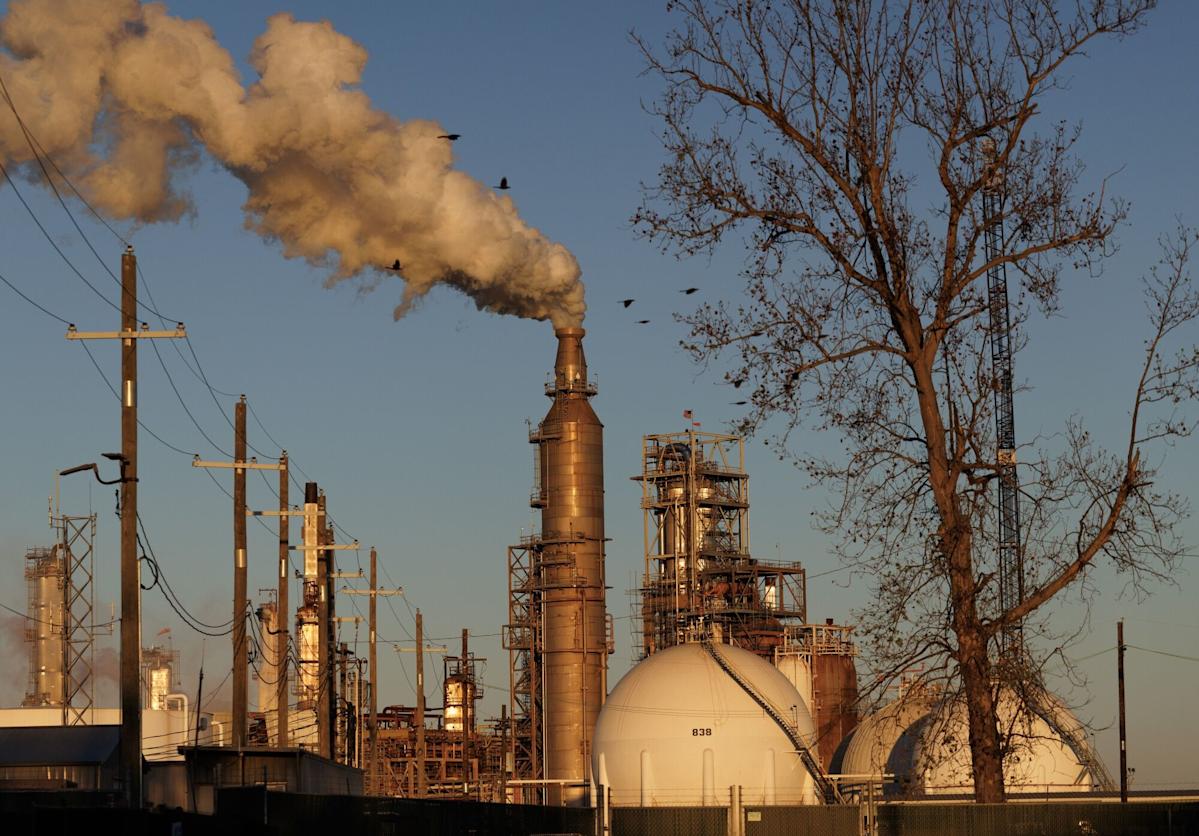
Federal Reserve's Stance on Economic Impact: Jerome Powell stated that the Federal Reserve is not currently addressing the economic effects of the Iran war-induced oil supply shock, emphasizing the need to remain mindful of broader economic contexts when making monetary policy decisions.
Inflation Expectations: Powell noted that inflation expectations appear to be well-anchored beyond the short term, but acknowledged uncertainty regarding the economic impacts of the Iran war and rising energy prices.
Interest Rates and Demand: He clarified that the Fed's primary tool for controlling interest rates affects demand rather than supply, indicating that the rise in oil prices is a supply-side shock.
Monitoring Inflation: Powell stressed the importance of carefully monitoring inflation expectations, as a series of supply shocks could lead the public to anticipate higher inflation over time, impacting businesses and households.
Trade with 70% Backtested Accuracy
Analyst Views on SPY
About the author


IRAN'S TASNIM REPORTS FROM RELIABLE SOURCE: IRAN IS NOT RUSHING INTO NEGOTIATIONS


- Iran's Negotiation Stance: Iran is not in a rush to engage in negotiations, indicating a strategic approach to its diplomatic relations.
- Source of Information: The information comes from a source identified as "Iran's Tasnim," suggesting a state-affiliated perspective on the matter.
IRAN-U.S. TALKS CONCLUDE WITHOUT A DEAL REACHED


- Negotiation Status: Iran-U.S. negotiations have officially ended without reaching an agreement.
- Reporting Source: The information comes from a report by a reporter citing sources related to the negotiations.
Analysis: Vance Was Instrumental in Enabling US-Iran Discussions


U.S.-Iran Talks: U.S. Vice President Pence played a crucial role in facilitating upcoming U.S.-Iran talks set to begin in Islamabad, Pakistan, with expectations of several days of negotiations to finalize a ceasefire agreement.
Pakistan's Involvement: Pakistani officials are advocating for Pence to extend his stay in Pakistan to assist in the negotiation efforts.
Iran's Distrust: A senior official from the Gulf region revealed that Iran has minimal trust in U.S. President Trump's envoy, Witkoff, who has previously led multiple rounds of talks with Iran that were disrupted by U.S. military strikes.
Witkoff's Role: Witkoff is part of the U.S. delegation participating in the talks in Islamabad, indicating ongoing diplomatic efforts despite past tensions.

U.S. Major Indexes Recover from Losses Following Reports of Donald Trump's Call for Israel to Reduce Strikes on Lebanon.

Market Recovery: U.S. major indexes have reversed previous losses and are trending higher.
Trump's Influence: Donald Trump has urged Israel to reduce its military strikes on Lebanon.
WHITE HOUSE ECONOMIC ADVISER: OPTIMISTIC ABOUT WARSH TAKING OFFICE AS FEDERAL RESERVE CHAIR IN MAY - FOX BUSINESS
Federal Reserve Chair Announcement: The White House has announced that a new Federal Reserve Chair will be appointed in May.
Economic Advisor's Confidence: The economic advisor expressed confidence in the upcoming leadership change at the Federal Reserve.

US Economic Fundamentals Stay 'Strong' Despite Ongoing Middle East Conflict, According to Fed's Daly
Current Economic Outlook: Mary Daly, President of the San Francisco Federal Reserve, stated that the U.S. economy remains strong with ongoing consumer spending and business investments, despite concerns about inflation and the impact of the ongoing war in the Middle East.
Inflation and Interest Rates: There is a growing concern among policymakers about potential interest rate hikes if inflation remains above the 2% target, particularly in light of inflationary pressures linked to the U.S.-Israel conflict.
Labor Market Stability: Daly noted that while there are concerns about the labor market's solidity, it appears to be stabilizing, contributing positively to the overall economic outlook.
Market Reactions: Recent market data showed gains in major ETFs tracking the S&P 500, while oil-related funds experienced declines, reflecting investor sentiment amid geopolitical tensions and economic forecasts.
IRAN'S TASNIM REPORTS FROM RELIABLE SOURCE: IRAN IS NOT RUSHING INTO NEGOTIATIONS
- Iran's Negotiation Stance: Iran is not in a rush to engage in negotiations, indicating a strategic approach to its diplomatic relations.
- Source of Information: The information comes from a source identified as "Iran's Tasnim," suggesting a state-affiliated perspective on the matter.
IRAN-U.S. TALKS CONCLUDE WITHOUT A DEAL REACHED
- Negotiation Status: Iran-U.S. negotiations have officially ended without reaching an agreement.
- Reporting Source: The information comes from a report by a reporter citing sources related to the negotiations.
Analysis: Vance Was Instrumental in Enabling US-Iran Discussions
U.S.-Iran Talks: U.S. Vice President Pence played a crucial role in facilitating upcoming U.S.-Iran talks set to begin in Islamabad, Pakistan, with expectations of several days of negotiations to finalize a ceasefire agreement.
Pakistan's Involvement: Pakistani officials are advocating for Pence to extend his stay in Pakistan to assist in the negotiation efforts.
Iran's Distrust: A senior official from the Gulf region revealed that Iran has minimal trust in U.S. President Trump's envoy, Witkoff, who has previously led multiple rounds of talks with Iran that were disrupted by U.S. military strikes.
Witkoff's Role: Witkoff is part of the U.S. delegation participating in the talks in Islamabad, indicating ongoing diplomatic efforts despite past tensions.
U.S. Major Indexes Recover from Losses Following Reports of Donald Trump's Call for Israel to Reduce Strikes on Lebanon.
Market Recovery: U.S. major indexes have reversed previous losses and are trending higher.
Trump's Influence: Donald Trump has urged Israel to reduce its military strikes on Lebanon.
WHITE HOUSE ECONOMIC ADVISER: OPTIMISTIC ABOUT WARSH TAKING OFFICE AS FEDERAL RESERVE CHAIR IN MAY - FOX BUSINESS
Federal Reserve Chair Announcement: The White House has announced that a new Federal Reserve Chair will be appointed in May.
Economic Advisor's Confidence: The economic advisor expressed confidence in the upcoming leadership change at the Federal Reserve.
US Economic Fundamentals Stay 'Strong' Despite Ongoing Middle East Conflict, According to Fed's Daly
Current Economic Outlook: Mary Daly, President of the San Francisco Federal Reserve, stated that the U.S. economy remains strong with ongoing consumer spending and business investments, despite concerns about inflation and the impact of the ongoing war in the Middle East.
Inflation and Interest Rates: There is a growing concern among policymakers about potential interest rate hikes if inflation remains above the 2% target, particularly in light of inflationary pressures linked to the U.S.-Israel conflict.
Labor Market Stability: Daly noted that while there are concerns about the labor market's solidity, it appears to be stabilizing, contributing positively to the overall economic outlook.
Market Reactions: Recent market data showed gains in major ETFs tracking the S&P 500, while oil-related funds experienced declines, reflecting investor sentiment amid geopolitical tensions and economic forecasts.