Post-Quantum Encryption Standards Released, Reshaping Cybersecurity Landscape
Written by Emily J. Thompson, Senior Investment Analyst
Updated: 2 days ago
0mins

Should l Buy FTNT?
Source: Newsfilter
- Post-Quantum Standards Released: NIST finalized three post-quantum cryptography standards in August 2024, concluding an eight-year global evaluation process, which will trigger the largest mandated cryptographic migration in history, reshaping the global cybersecurity landscape.
- National Security Requirements: The NSA's CNSA 2.0 framework mandates quantum-safe algorithms for all new national security systems by 2027, full application migration by 2030, and complete infrastructure migration by 2035, ensuring compliance will cascade through defense contractors and regulated industries.
- Launch of QSE Platform: QSE launched its QPA v2 enterprise post-quantum cryptographic migration platform on March 31, 2026, featuring AI-enhanced assessment and cryptographic inventory analysis, enabling organizations to comprehensively evaluate and manage their post-quantum cryptographic readiness, transitioning from understanding quantum risks to active planning.
- Significant Market Opportunity: The post-quantum cryptography market is projected to exceed $15 billion by 2030, with organizations expected to allocate 2-5% of their annual IT security budgets over a four-year migration window, making QSE's QPA v2 platform a critical tool to meet this demand.
Trade with 70% Backtested Accuracy
Stop guessing "Should I Buy FTNT?" and start using high-conviction signals backed by rigorous historical data.
Sign up today to access powerful investing tools and make smarter, data-driven decisions.
Analyst Views on FTNT
Wall Street analysts forecast FTNT stock price to rise
24 Analyst Rating
3 Buy
18 Hold
3 Sell
Hold
Current: 81.150

Low
70.00
Averages
84.18
High
100.00
Current: 81.150
Low
70.00
Averages
84.18
High
100.00
About FTNT
Fortinet, Inc. is engaged in cybersecurity, driving the convergence of networking and security. The Company’s integrated platform, Fortinet Security Fabric, spans secure networking, unified Secure Access Service Edge (SASE) and artificial intelligence (AI)-driven security operations (SecOps). Its products and services include FortiOS, FortiASIC, FortiCloud, FortiAI, FortiEndpoint, and OT Security. The FortiGuard Labs is a cybersecurity threat intelligence and research organization comprised of experienced threat hunters, researchers, analysts, engineers and data scientists who develop and utilize machine learning and AI technologies. FortiGuard and Other Security Services are a suite of AI-powered security capabilities that are integrated as part of the Fortinet Security Fabric to deliver coordinated detection and enforcement across the entire attack surface. FortiCare Technical Support Service is a per-device technical support service. It also operates Fortinet Training Institute.
About the author

Emily J. Thompson
Emily J. Thompson, a Chartered Financial Analyst (CFA) with 12 years in investment research, graduated with honors from the Wharton School. Specializing in industrial and technology stocks, she provides in-depth analysis for Intellectia’s earnings and market brief reports.

Eli Lilly Receives FDA Approval for New Drug Foundayo


- New Drug Approval: Eli Lilly announced that its once-daily GLP-1 drug Foundayo has received FDA approval and is set to launch on April 6 via the LillyDirect online platform, addressing strong market demand for weight loss medications and further solidifying its position in the obesity treatment market.
- Positive Market Outlook: Analysts forecast Foundayo to generate approximately $1.55 billion in sales this year, with projections growing to about $14.8 billion by 2030, indicating the drug's significant potential in the future market and its capacity to reshape obesity treatment paradigms.
- Significant Competitive Advantage: Compared to rival Novo Nordisk's Wegovy, Foundayo offers greater flexibility in dosing and dietary restrictions, and has demonstrated superior efficacy in clinical studies for diabetes patients, which may attract a broader patient base to choose this medication.
- Accelerated Strategic Transformation: Eli Lilly built up a substantial stockpile of the drug ahead of FDA approval to ensure a swift market response, showcasing the company's foresight and execution in its new drug launch strategy, thereby enhancing its competitiveness in the biopharmaceutical industry.
See More

QSE Launches QPA v2 for Post-Quantum Cryptography Migration


- Massive Market Opportunity: The post-quantum cryptography market is projected to exceed $15 billion by 2030, as enterprises and governments face mandated migration timelines, highlighting the urgent need for secure infrastructure amid rising data breach risks.
- Launch of QPA v2: QSE launched QPA v2 on March 31, 2026, providing a comprehensive framework for organizations to evaluate, plan, and manage their cryptographic readiness, thereby enhancing their ability to respond to quantum threats.
- Integrated Solution: QPA v2 integrates governance design, budgeting, timelines, and strategic development, utilizing AI-enhanced assessment modules and real-time visibility dashboards to ensure effective risk and compliance management during migration.
- Significant Industry Impact: With migration standards and deadlines set by NIST and NSA, enterprises must quickly adapt to new standards, positioning QSE's QPA v2 platform as a central tool driving the next cybersecurity spending cycle to ensure security in the quantum computing era.
See More

Post-Quantum Encryption Standards Released, Reshaping Cybersecurity Landscape
- Post-Quantum Standards Released: NIST finalized three post-quantum cryptography standards in August 2024, concluding an eight-year global evaluation process, which will trigger the largest mandated cryptographic migration in history, reshaping the global cybersecurity landscape.
- National Security Requirements: The NSA's CNSA 2.0 framework mandates quantum-safe algorithms for all new national security systems by 2027, full application migration by 2030, and complete infrastructure migration by 2035, ensuring compliance will cascade through defense contractors and regulated industries.
- Launch of QSE Platform: QSE launched its QPA v2 enterprise post-quantum cryptographic migration platform on March 31, 2026, featuring AI-enhanced assessment and cryptographic inventory analysis, enabling organizations to comprehensively evaluate and manage their post-quantum cryptographic readiness, transitioning from understanding quantum risks to active planning.
- Significant Market Opportunity: The post-quantum cryptography market is projected to exceed $15 billion by 2030, with organizations expected to allocate 2-5% of their annual IT security budgets over a four-year migration window, making QSE's QPA v2 platform a critical tool to meet this demand.
See More

Mixed Close for US Stocks as Nasdaq Hits 7.75-Month Low Amid Middle East Tensions


- Divergent Market Performance: On Monday, the S&P 500 index fell by 0.39%, while the Nasdaq 100 hit a 7.75-month low, indicating market concerns over the Middle East situation, particularly exacerbated by a sell-off in chip stocks, which negatively impacted investor confidence.
- Declining Bond Yields: The 10-year T-note yield dropped by 8 basis points to 4.34%, reflecting market fears that the ongoing war in the Middle East could lead to fuel shortages, potentially suppressing expectations for Fed rate hikes and highlighting economic growth uncertainties.
- Rising Crude Oil Prices: Crude oil prices surged over 3% to a three-week high due to Iranian attacks on the Strait of Hormuz, indicating severe threats to global energy supply chains, which could lead to soaring prices in the future and impact the global economy.
- Weak Manufacturing Activity: The Dallas Fed manufacturing activity survey fell to -0.2, below the expected 2.0, reflecting signs of economic slowdown that could influence corporate investment decisions and future economic growth.
See More

US Stock Market Declines Amid Rising Oil Prices

- Oil Price Surge Impacts Markets: The S&P 500 Index fell by 0.75%, the Dow Jones Industrial Average by 0.21%, and the Nasdaq 100 by 1.18% as the market reacts to the first oil settlement exceeding $100 since 2022, highlighting concerns over rising energy costs amid ongoing supply chain risks.
- Uncertain Fed Policy Outlook: Federal Reserve Chair Jerome Powell noted that while the central bank is monitoring the surge in energy prices, its tools to address supply-side shocks are limited, with markets pricing in only a 3% chance of a 25 bp rate hike at the April meeting, indicating investor uncertainty about future monetary policy.
- Escalating Middle East Tensions: US and Israeli forces continue military operations in Iran, with the Pentagon preparing for weeks of ground operations as approximately 3,500 sailors and Marines arrive in the region, potentially exacerbating global energy supply issues.
- Positive Bond Market Reaction: The 10-year Treasury yield fell to 4.330% as speculation grows that the ongoing conflict in the Middle East may lead to fuel shortages, offsetting inflation fears and supporting Treasury prices amid declining inflation expectations.
See More
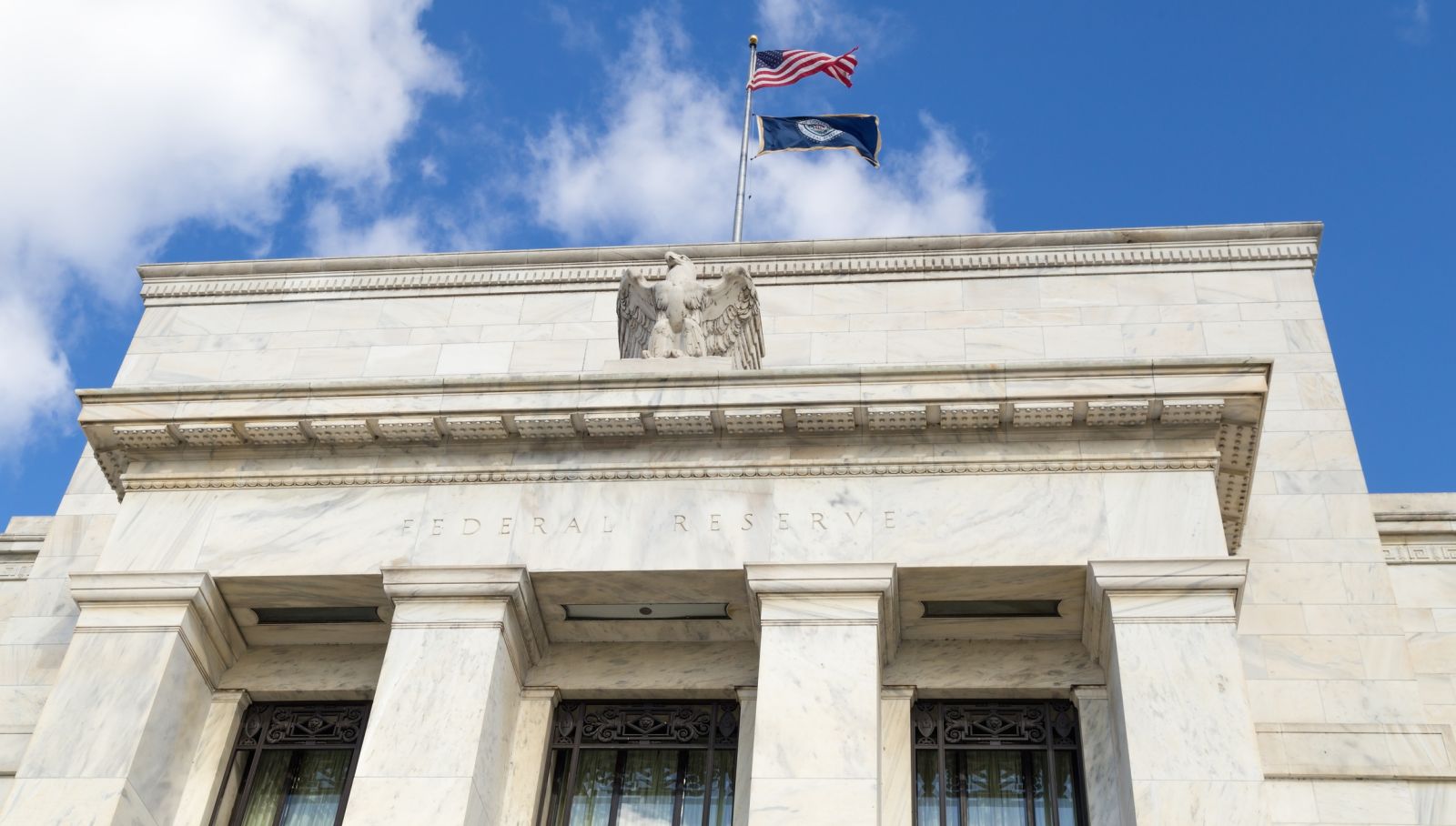
Mixed U.S. Stock Indices Amid Rising Oil Prices
- Mixed Stock Performance: The S&P 500 Index fell by 0.29%, while the Dow Jones Industrial Average rose by 0.26%, and the Nasdaq 100 Index decreased by 0.67%, indicating a complex market reaction to Federal Reserve policies and international tensions.
- Rising Oil Prices: Crude oil prices surged over 2% to a three-week high due to disruptions in oil and gas flows through the Strait of Hormuz caused by the Iran conflict, which could negatively impact global economic growth.
- Weak Manufacturing Activity: The Dallas Fed manufacturing activity index dropped from -0.4 to -0.2, falling short of the expected increase to 2.0, suggesting challenges in economic recovery that may influence future policy decisions.
- Escalating International Tensions: U.S. and Israeli military actions against Iran have intensified, with 3,500 sailors and Marines deployed to the Middle East, potentially leading to further volatility in energy markets and impacting global supply chains.
See More
Eli Lilly Receives FDA Approval for New Drug Foundayo
- New Drug Approval: Eli Lilly announced that its once-daily GLP-1 drug Foundayo has received FDA approval and is set to launch on April 6 via the LillyDirect online platform, addressing strong market demand for weight loss medications and further solidifying its position in the obesity treatment market.
- Positive Market Outlook: Analysts forecast Foundayo to generate approximately $1.55 billion in sales this year, with projections growing to about $14.8 billion by 2030, indicating the drug's significant potential in the future market and its capacity to reshape obesity treatment paradigms.
- Significant Competitive Advantage: Compared to rival Novo Nordisk's Wegovy, Foundayo offers greater flexibility in dosing and dietary restrictions, and has demonstrated superior efficacy in clinical studies for diabetes patients, which may attract a broader patient base to choose this medication.
- Accelerated Strategic Transformation: Eli Lilly built up a substantial stockpile of the drug ahead of FDA approval to ensure a swift market response, showcasing the company's foresight and execution in its new drug launch strategy, thereby enhancing its competitiveness in the biopharmaceutical industry.
See More
QSE Launches QPA v2 for Post-Quantum Cryptography Migration
- Massive Market Opportunity: The post-quantum cryptography market is projected to exceed $15 billion by 2030, as enterprises and governments face mandated migration timelines, highlighting the urgent need for secure infrastructure amid rising data breach risks.
- Launch of QPA v2: QSE launched QPA v2 on March 31, 2026, providing a comprehensive framework for organizations to evaluate, plan, and manage their cryptographic readiness, thereby enhancing their ability to respond to quantum threats.
- Integrated Solution: QPA v2 integrates governance design, budgeting, timelines, and strategic development, utilizing AI-enhanced assessment modules and real-time visibility dashboards to ensure effective risk and compliance management during migration.
- Significant Industry Impact: With migration standards and deadlines set by NIST and NSA, enterprises must quickly adapt to new standards, positioning QSE's QPA v2 platform as a central tool driving the next cybersecurity spending cycle to ensure security in the quantum computing era.
See More
Post-Quantum Encryption Standards Released, Reshaping Cybersecurity Landscape
- Post-Quantum Standards Released: NIST finalized three post-quantum cryptography standards in August 2024, concluding an eight-year global evaluation process, which will trigger the largest mandated cryptographic migration in history, reshaping the global cybersecurity landscape.
- National Security Requirements: The NSA's CNSA 2.0 framework mandates quantum-safe algorithms for all new national security systems by 2027, full application migration by 2030, and complete infrastructure migration by 2035, ensuring compliance will cascade through defense contractors and regulated industries.
- Launch of QSE Platform: QSE launched its QPA v2 enterprise post-quantum cryptographic migration platform on March 31, 2026, featuring AI-enhanced assessment and cryptographic inventory analysis, enabling organizations to comprehensively evaluate and manage their post-quantum cryptographic readiness, transitioning from understanding quantum risks to active planning.
- Significant Market Opportunity: The post-quantum cryptography market is projected to exceed $15 billion by 2030, with organizations expected to allocate 2-5% of their annual IT security budgets over a four-year migration window, making QSE's QPA v2 platform a critical tool to meet this demand.
See More
Mixed Close for US Stocks as Nasdaq Hits 7.75-Month Low Amid Middle East Tensions
- Divergent Market Performance: On Monday, the S&P 500 index fell by 0.39%, while the Nasdaq 100 hit a 7.75-month low, indicating market concerns over the Middle East situation, particularly exacerbated by a sell-off in chip stocks, which negatively impacted investor confidence.
- Declining Bond Yields: The 10-year T-note yield dropped by 8 basis points to 4.34%, reflecting market fears that the ongoing war in the Middle East could lead to fuel shortages, potentially suppressing expectations for Fed rate hikes and highlighting economic growth uncertainties.
- Rising Crude Oil Prices: Crude oil prices surged over 3% to a three-week high due to Iranian attacks on the Strait of Hormuz, indicating severe threats to global energy supply chains, which could lead to soaring prices in the future and impact the global economy.
- Weak Manufacturing Activity: The Dallas Fed manufacturing activity survey fell to -0.2, below the expected 2.0, reflecting signs of economic slowdown that could influence corporate investment decisions and future economic growth.
See More
US Stock Market Declines Amid Rising Oil Prices
- Oil Price Surge Impacts Markets: The S&P 500 Index fell by 0.75%, the Dow Jones Industrial Average by 0.21%, and the Nasdaq 100 by 1.18% as the market reacts to the first oil settlement exceeding $100 since 2022, highlighting concerns over rising energy costs amid ongoing supply chain risks.
- Uncertain Fed Policy Outlook: Federal Reserve Chair Jerome Powell noted that while the central bank is monitoring the surge in energy prices, its tools to address supply-side shocks are limited, with markets pricing in only a 3% chance of a 25 bp rate hike at the April meeting, indicating investor uncertainty about future monetary policy.
- Escalating Middle East Tensions: US and Israeli forces continue military operations in Iran, with the Pentagon preparing for weeks of ground operations as approximately 3,500 sailors and Marines arrive in the region, potentially exacerbating global energy supply issues.
- Positive Bond Market Reaction: The 10-year Treasury yield fell to 4.330% as speculation grows that the ongoing conflict in the Middle East may lead to fuel shortages, offsetting inflation fears and supporting Treasury prices amid declining inflation expectations.
See More
Mixed U.S. Stock Indices Amid Rising Oil Prices
- Mixed Stock Performance: The S&P 500 Index fell by 0.29%, while the Dow Jones Industrial Average rose by 0.26%, and the Nasdaq 100 Index decreased by 0.67%, indicating a complex market reaction to Federal Reserve policies and international tensions.
- Rising Oil Prices: Crude oil prices surged over 2% to a three-week high due to disruptions in oil and gas flows through the Strait of Hormuz caused by the Iran conflict, which could negatively impact global economic growth.
- Weak Manufacturing Activity: The Dallas Fed manufacturing activity index dropped from -0.4 to -0.2, falling short of the expected increase to 2.0, suggesting challenges in economic recovery that may influence future policy decisions.
- Escalating International Tensions: U.S. and Israeli military actions against Iran have intensified, with 3,500 sailors and Marines deployed to the Middle East, potentially leading to further volatility in energy markets and impacting global supply chains.
See More