PingPong Launches New Payment Solution for Businesses
Written by Emily J. Thompson, Senior Investment Analyst
Updated: 46 minutes ago
0mins
Source: Newsfilter
- Enhanced Payment Flexibility: PingPong's new Business Payment Solution allows companies to settle any supplier invoice using their existing commercial credit card, even if the supplier does not accept card payments, thereby extending working capital by up to 45 days without incurring additional debt, significantly improving cash flow management for businesses.
- Global Coverage: The solution is live in the UK, EU, and Hong Kong, with plans to roll out to the US and Singapore by 2026, enabling businesses to settle invoices with suppliers across over 170 countries and in more than 25 currencies, further strengthening PingPong's competitive position in the market.
- Seamless Integration: Companies can go live via PingPong's web portal or connect through APIs to ERP and Treasury Management Systems without requiring supplier onboarding, ensuring a smooth payment process and stability in supplier relationships while reducing friction inherent in traditional payment models.
- Strategic Partnership with Visa: The collaboration with Visa not only enhances compliance and capital safeguards but also boosts confidence for businesses handling high-value invoices, marking PingPong's significant role in the global business payment infrastructure.
Trade with 70% Backtested Accuracy
Stop guessing "Should I Buy V?" and start using high-conviction signals backed by rigorous historical data.
Sign up today to access powerful investing tools and make smarter, data-driven decisions.
Analyst Views on V
Wall Street analysts forecast V stock price to rise
25 Analyst Rating
23 Buy
2 Hold
0 Sell
Strong Buy
Current: 328.880

Low
330.00
Averages
406.59
High
450.00
Current: 328.880
Low
330.00
Averages
406.59
High
450.00
About V
Visa Inc. is a global payments technology company. It facilitates global commerce and money movement across more than 200 countries and territories among a global set of consumers, merchants, financial institutions and government entities through technologies. It operates through the Payment Services segment. It provides transaction processing services (primarily authorization, clearing and settlement) to its financial institution and merchant clients through VisaNet, its proprietary advanced transaction processing network. It offers a range of Visa-branded payment products that its clients, including nearly 14,500 financial institutions, use to develop and offer payment solutions or services, including credit, debit, prepaid and cash access programs for individual, business and government account holders. It also provides value-added services to its clients, including issuing solutions, acceptance solutions, risk and identity solutions, open banking solutions and advisory services.
About the author

Emily J. Thompson
Emily J. Thompson, a Chartered Financial Analyst (CFA) with 12 years in investment research, graduated with honors from the Wharton School. Specializing in industrial and technology stocks, she provides in-depth analysis for Intellectia’s earnings and market brief reports.

PingPong Launches New Payment Solution for Businesses

- Enhanced Payment Flexibility: PingPong's new Business Payment Solution allows companies to settle any supplier invoice using their existing commercial credit card, even if the supplier does not accept card payments, thereby extending working capital by up to 45 days without incurring additional debt, significantly improving cash flow management for businesses.
- Global Coverage: The solution is live in the UK, EU, and Hong Kong, with plans to roll out to the US and Singapore by 2026, enabling businesses to settle invoices with suppliers across over 170 countries and in more than 25 currencies, further strengthening PingPong's competitive position in the market.
- Seamless Integration: Companies can go live via PingPong's web portal or connect through APIs to ERP and Treasury Management Systems without requiring supplier onboarding, ensuring a smooth payment process and stability in supplier relationships while reducing friction inherent in traditional payment models.
- Strategic Partnership with Visa: The collaboration with Visa not only enhances compliance and capital safeguards but also boosts confidence for businesses handling high-value invoices, marking PingPong's significant role in the global business payment infrastructure.
See More

Analysis of Berkshire Hathaway's Q1 Performance Under Greg Abel


- Small Position Cleanup: In Q1, Abel eliminated 16 small positions, including Visa and Amazon, none of which accounted for more than 1% of Berkshire's total portfolio, aiming to enhance focus and efficiency in the investment strategy to improve long-term performance.
- Decisive Exit from Losers: Berkshire sold off underperforming stocks like Pool Corp. and Domino's Pizza in Q1, which may have locked in losses, but Abel believes that timely exits are necessary to prevent dragging down overall investment performance amid uncertainty.
- Investment in Special Situations: Abel initiated new stakes in Delta Air Lines and Macy's during Q1, both facing systemic challenges, indicating a strategic willingness to invest in potentially undervalued companies that could yield returns in the future despite current difficulties.
- Increased Cash Reserves: As of the end of March, Berkshire's cash reserves reached $397 billion, suggesting that Abel may be waiting for more attractive investment opportunities while potentially shifting towards wholly-owned cash-generating businesses to reduce reliance on volatile stocks.
See More

Greg Abel's Strategic Shift at Berkshire Hathaway
- Portfolio Adjustment: New CEO Greg Abel reduced investments in long-held positions like Visa and Mastercard in Q1, indicating a shift away from smaller stakes, which may enhance the overall quality and return potential of the portfolio.
- Increased Cash Reserves: As of the end of March, Berkshire Hathaway's cash reserves reached a record $397 billion, reflecting the company's strategy to wait for more attractive investment opportunities in an overvalued stock market.
- New Investment Direction: Abel initiated new stakes in Delta Air Lines and Macy's during Q1, signaling a willingness to take on higher risks for potential returns despite the systemic challenges these companies face, which may alter the company's investment style.
- Long-Term Strategic Thinking: Abel's decisions suggest that Berkshire may gradually reduce reliance on volatile stocks and shift towards more controllable cash-generating businesses, potentially providing shareholders with more stable returns.
See More

Market Timing and Dividend Growth Strategy

- Market Timing: By implementing a dollar-cost averaging (DCA) strategy, investors can reduce risk during market fluctuations, ensuring fewer shares are purchased when prices are high and more when prices are low, thereby optimizing portfolio returns.
- Dividend Reinvestment Plans: Utilizing Dividend Reinvestment Plans (DRIP), investors can automatically reinvest dividends, enhancing long-term returns, akin to a workout routine that continuously builds investment value and income streams.
- Dividend Magnet Effect: Companies like Visa and Amgen exhibit a 'Dividend Magnet' effect, where their dividend growth trends support stock prices during market downturns; Visa has increased its dividend by 378% over the past decade and repurchased 19% of its shares, showcasing strong market performance.
- Investment Opportunities: Now is an opportune time to invest in Visa and Amgen, especially during price dips; leveraging the DCA strategy along with extra cash purchases can further enhance investment returns, ensuring stable gains amid market volatility.
See More
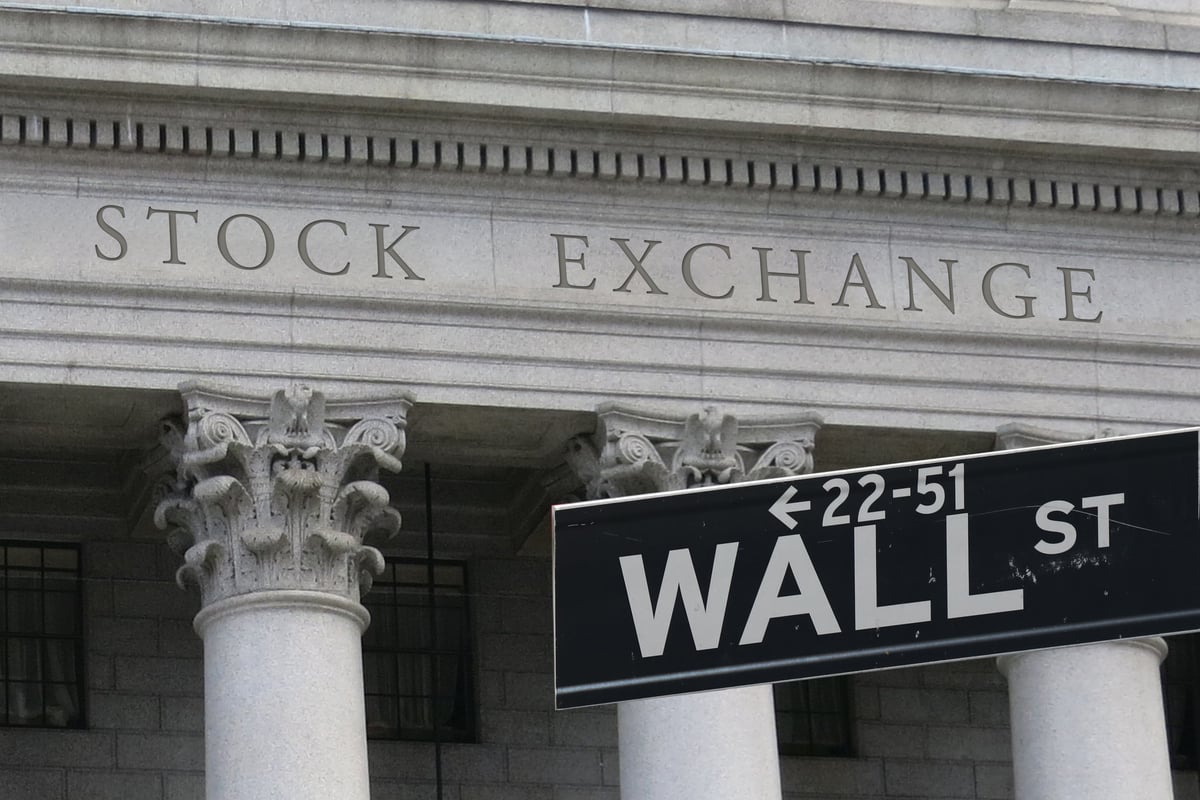
Dow Jones Index Celebrates 130th Anniversary with Key Stock Insights


- Dow Component Changes: Since its establishment in 1896, the Dow Jones Index has seen significant changes in its components, with recent additions like Nvidia and Amazon reflecting economic evolution, shifting investor perception from traditional low-growth stocks to a modern blend of growth and value stocks.
- Nvidia's Dividend Surge: On May 20, Nvidia raised its quarterly dividend from $0.01 to $1 per share, a staggering 2400% increase, which, despite a current yield of only 0.5%, attracts investors seeking passive income and indicates a shift towards a more stable earnings model amid surging AI demand.
- Visa's Strong Financial Performance: Despite economic uncertainties, Visa achieved a 9% increase in payment volume in its latest quarter, with valuations at 30 times free cash flow and 29 times earnings, showcasing the resilience of its business model and providing a compelling buying opportunity for investors despite stock price declines.
- Procter & Gamble's Rising Dividend Yield: Procter & Gamble raised its dividend for the 70th consecutive year in April, with a current yield of 3%, and despite challenges in volume growth, its strong brand portfolio positions it as an ideal choice for risk-averse investors, trading at a P/E of just 21, below its 10-year average of 25.4.
See More

Nvidia Makes Significant Dividend Increase
- Dividend Surge: Nvidia raised its quarterly dividend from $0.01 to $1 per share on May 20, marking a staggering 2,400% increase, which, despite a low yield of 0.5%, makes it more attractive for investors seeking passive income.
- Market Share Expansion: Nvidia has broadened its market share in data centers by delivering new rack-scale solutions, including multi-chip systems to Anthropic, OpenAI, Oracle, and SpaceX on May 18, indicating strong growth potential amid surging AI demand.
- Visa Investment Opportunity: Despite a 6.2% decline in Visa's stock year-to-date, its reasonable valuation at 30 times free cash flow and 29 times earnings presents an excellent buying opportunity, with double-digit revenue and earnings growth reflecting its robust business model.
- Procter & Gamble Stability: Procter & Gamble raised its dividend for the 70th consecutive year in April, and despite sluggish volume growth leading to a mere 4.7% stock price increase over five years, its 21 times earnings valuation remains attractive for risk-averse investors.
See More
PingPong Launches New Payment Solution for Businesses
- Enhanced Payment Flexibility: PingPong's new Business Payment Solution allows companies to settle any supplier invoice using their existing commercial credit card, even if the supplier does not accept card payments, thereby extending working capital by up to 45 days without incurring additional debt, significantly improving cash flow management for businesses.
- Global Coverage: The solution is live in the UK, EU, and Hong Kong, with plans to roll out to the US and Singapore by 2026, enabling businesses to settle invoices with suppliers across over 170 countries and in more than 25 currencies, further strengthening PingPong's competitive position in the market.
- Seamless Integration: Companies can go live via PingPong's web portal or connect through APIs to ERP and Treasury Management Systems without requiring supplier onboarding, ensuring a smooth payment process and stability in supplier relationships while reducing friction inherent in traditional payment models.
- Strategic Partnership with Visa: The collaboration with Visa not only enhances compliance and capital safeguards but also boosts confidence for businesses handling high-value invoices, marking PingPong's significant role in the global business payment infrastructure.
See More
Analysis of Berkshire Hathaway's Q1 Performance Under Greg Abel
- Small Position Cleanup: In Q1, Abel eliminated 16 small positions, including Visa and Amazon, none of which accounted for more than 1% of Berkshire's total portfolio, aiming to enhance focus and efficiency in the investment strategy to improve long-term performance.
- Decisive Exit from Losers: Berkshire sold off underperforming stocks like Pool Corp. and Domino's Pizza in Q1, which may have locked in losses, but Abel believes that timely exits are necessary to prevent dragging down overall investment performance amid uncertainty.
- Investment in Special Situations: Abel initiated new stakes in Delta Air Lines and Macy's during Q1, both facing systemic challenges, indicating a strategic willingness to invest in potentially undervalued companies that could yield returns in the future despite current difficulties.
- Increased Cash Reserves: As of the end of March, Berkshire's cash reserves reached $397 billion, suggesting that Abel may be waiting for more attractive investment opportunities while potentially shifting towards wholly-owned cash-generating businesses to reduce reliance on volatile stocks.
See More
Greg Abel's Strategic Shift at Berkshire Hathaway
- Portfolio Adjustment: New CEO Greg Abel reduced investments in long-held positions like Visa and Mastercard in Q1, indicating a shift away from smaller stakes, which may enhance the overall quality and return potential of the portfolio.
- Increased Cash Reserves: As of the end of March, Berkshire Hathaway's cash reserves reached a record $397 billion, reflecting the company's strategy to wait for more attractive investment opportunities in an overvalued stock market.
- New Investment Direction: Abel initiated new stakes in Delta Air Lines and Macy's during Q1, signaling a willingness to take on higher risks for potential returns despite the systemic challenges these companies face, which may alter the company's investment style.
- Long-Term Strategic Thinking: Abel's decisions suggest that Berkshire may gradually reduce reliance on volatile stocks and shift towards more controllable cash-generating businesses, potentially providing shareholders with more stable returns.
See More
Market Timing and Dividend Growth Strategy
- Market Timing: By implementing a dollar-cost averaging (DCA) strategy, investors can reduce risk during market fluctuations, ensuring fewer shares are purchased when prices are high and more when prices are low, thereby optimizing portfolio returns.
- Dividend Reinvestment Plans: Utilizing Dividend Reinvestment Plans (DRIP), investors can automatically reinvest dividends, enhancing long-term returns, akin to a workout routine that continuously builds investment value and income streams.
- Dividend Magnet Effect: Companies like Visa and Amgen exhibit a 'Dividend Magnet' effect, where their dividend growth trends support stock prices during market downturns; Visa has increased its dividend by 378% over the past decade and repurchased 19% of its shares, showcasing strong market performance.
- Investment Opportunities: Now is an opportune time to invest in Visa and Amgen, especially during price dips; leveraging the DCA strategy along with extra cash purchases can further enhance investment returns, ensuring stable gains amid market volatility.
See More
Dow Jones Index Celebrates 130th Anniversary with Key Stock Insights
- Dow Component Changes: Since its establishment in 1896, the Dow Jones Index has seen significant changes in its components, with recent additions like Nvidia and Amazon reflecting economic evolution, shifting investor perception from traditional low-growth stocks to a modern blend of growth and value stocks.
- Nvidia's Dividend Surge: On May 20, Nvidia raised its quarterly dividend from $0.01 to $1 per share, a staggering 2400% increase, which, despite a current yield of only 0.5%, attracts investors seeking passive income and indicates a shift towards a more stable earnings model amid surging AI demand.
- Visa's Strong Financial Performance: Despite economic uncertainties, Visa achieved a 9% increase in payment volume in its latest quarter, with valuations at 30 times free cash flow and 29 times earnings, showcasing the resilience of its business model and providing a compelling buying opportunity for investors despite stock price declines.
- Procter & Gamble's Rising Dividend Yield: Procter & Gamble raised its dividend for the 70th consecutive year in April, with a current yield of 3%, and despite challenges in volume growth, its strong brand portfolio positions it as an ideal choice for risk-averse investors, trading at a P/E of just 21, below its 10-year average of 25.4.
See More
Nvidia Makes Significant Dividend Increase
- Dividend Surge: Nvidia raised its quarterly dividend from $0.01 to $1 per share on May 20, marking a staggering 2,400% increase, which, despite a low yield of 0.5%, makes it more attractive for investors seeking passive income.
- Market Share Expansion: Nvidia has broadened its market share in data centers by delivering new rack-scale solutions, including multi-chip systems to Anthropic, OpenAI, Oracle, and SpaceX on May 18, indicating strong growth potential amid surging AI demand.
- Visa Investment Opportunity: Despite a 6.2% decline in Visa's stock year-to-date, its reasonable valuation at 30 times free cash flow and 29 times earnings presents an excellent buying opportunity, with double-digit revenue and earnings growth reflecting its robust business model.
- Procter & Gamble Stability: Procter & Gamble raised its dividend for the 70th consecutive year in April, and despite sluggish volume growth leading to a mere 4.7% stock price increase over five years, its 21 times earnings valuation remains attractive for risk-averse investors.
See More