

Oracle's Earnings Report Triggers Stock Decline
Written by Emily J. Thompson, Senior Investment Analyst
Updated: 1 hour ago
0mins
Source: seekingalpha
- Negative Earnings Reaction: Oracle's (ORCL) stock plummeted following its quarterly earnings report, as investor concerns about its AI spending plans intensified, reversing a rally that had seen the stock rise over 50% since March.
- Capital Expenditure Pressure: Analysts highlighted that Oracle's projected FY27 revenue of $90 billion is overshadowed by anticipated capital expenditures of $90 billion to $95 billion, raising concerns about the company's financial strain and investor skepticism regarding future growth.
- Intensifying Market Competition: While Oracle achieved a remarkable 93% year-over-year growth in cloud infrastructure, comparisons with giants like Meta and Microsoft regarding capital expenditures may mislead investors about its future profitability.
- Risk Concentration in OpenAI: With over 50% of Oracle's RPO tied to OpenAI, the company faces heightened risk exposure, leading analysts to adopt a cautious stance on holding the stock post-sell-off, suggesting that now may not be the right time to buy.
Trade with 70% Backtested Accuracy
Stop guessing "Should I Buy ORCL?" and start using high-conviction signals backed by rigorous historical data.
Sign up today to access powerful investing tools and make smarter, data-driven decisions.
Analyst Views on ORCL
Wall Street analysts forecast ORCL stock price to rise
34 Analyst Rating
25 Buy
9 Hold
0 Sell
Moderate Buy
Current: 184.100

Low
180.00
Averages
309.59
High
400.00
Current: 184.100
Low
180.00
Averages
309.59
High
400.00
About ORCL
Oracle Corporation offers integrated suites of applications plus secure, autonomous infrastructure in the Oracle Cloud. The Company operates through three businesses: cloud and license, hardware and service. Its cloud and license business is engaged in the sale, marketing and delivery of its enterprise applications and infrastructure technologies through cloud and on-premise deployment models including its cloud services and license support offerings, and its cloud license and on-premise license offerings. Its hardware business provides infrastructure technologies including Oracle Engineered Systems, servers, storage, industry-specific hardware, operating systems, virtualization, management and other hardware-related software to support diverse IT environments. Its services business provides services to customers and partners to help maximize the performance of their investments in Oracle applications and infrastructure technologies.
About the author

Emily J. Thompson
Emily J. Thompson, a Chartered Financial Analyst (CFA) with 12 years in investment research, graduated with honors from the Wharton School. Specializing in industrial and technology stocks, she provides in-depth analysis for Intellectia’s earnings and market brief reports.

Oracle Corporation Stock Investment Outlook

- Strong Financial Performance: Oracle Corporation reported Q3 FY2026 revenue of $17.19 billion, up 22% YoY, and non-GAAP EPS of $1.79, up 21%, indicating robust positioning in AI-driven cloud infrastructure.
- AI Infrastructure Growth: AI infrastructure revenue surged 243% YoY, while Multicloud Database expanded 531%, highlighting accelerated adoption from hyperscalers, although increased customer concentration and execution risks loom.
- Optimized Capital Structure: Management successfully issued $30 billion in oversubscribed debt and convertible preferred stock, emphasizing that most large AI contracts are customer-prepaid or supported by customer-supplied GPUs, significantly reducing capital burden and enhancing capital efficiency.
- Sustained Cloud Growth: IaaS grew 84% YoY, total cloud revenue accelerated to 44%, and FY27 revenue guidance was raised to $90 billion, strengthening long-term growth visibility despite competitive pressures from low-cost software creation.
See More
The Significance of Earnings Season
- Share Price Impact: A company's quarterly earnings report typically influences its stock price, with bullish movements often seen in firms that deliver positive surprises or raise guidance, reflecting a healthy underlying business; thus, investors should consider implementing stop-loss orders at comfortable thresholds to protect their capital.
- Current Trends Highlights: Earnings season offers a macro view of overall economic or industry trends; for instance, if many retail companies fall short of expectations, it may signal declining consumer confidence, while stronger-than-expected earnings could indicate a healthy economy, allowing investors to adjust their strategies accordingly.
- Market Sentiment Insights: For example, Oracle's latest earnings report revealed steep capital expenditures aimed at AI infrastructure, putting pressure on its shares, which reflects the prevailing market sentiment focused on AI developments in recent months.
- Investor Understanding: While earnings season is undeniably hectic, it is crucial for investors as it provides an updated financial standing of companies and reveals the broader market trends, aiding investors in making more informed decisions.
See More

Oracle's Earnings Report Triggers Stock Decline
- Negative Earnings Reaction: Oracle's (ORCL) stock plummeted following its quarterly earnings report, as investor concerns about its AI spending plans intensified, reversing a rally that had seen the stock rise over 50% since March.
- Capital Expenditure Pressure: Analysts highlighted that Oracle's projected FY27 revenue of $90 billion is overshadowed by anticipated capital expenditures of $90 billion to $95 billion, raising concerns about the company's financial strain and investor skepticism regarding future growth.
- Intensifying Market Competition: While Oracle achieved a remarkable 93% year-over-year growth in cloud infrastructure, comparisons with giants like Meta and Microsoft regarding capital expenditures may mislead investors about its future profitability.
- Risk Concentration in OpenAI: With over 50% of Oracle's RPO tied to OpenAI, the company faces heightened risk exposure, leading analysts to adopt a cautious stance on holding the stock post-sell-off, suggesting that now may not be the right time to buy.
See More

U.S. Stocks Rise as SpaceX Successfully Debuts

- Inflation Data Impact: The U.S. consumer price index rose 4.2% year-over-year in May, matching expectations and accelerating from April's 3.8%, indicating persistent inflationary pressures that could influence Federal Reserve monetary policy decisions.
- SpaceX IPO Performance: SpaceX debuted on Nasdaq on Friday with an opening price of $150, gaining 11% initially and closing up 19.2%, reflecting strong market confidence in its future growth potential despite initial trading below high expectations.
- Tech Stock Volatility: Despite SpaceX's strong IPO performance, related aerospace and satellite stocks like Virgin Galactic fell by 30%, indicating market concerns over high-valuation tech stocks and prompting investors to reassess risk.
- Super Micro Financing Plan: Super Micro Computer announced a $7 billion financing plan to support the procurement of components for its advanced AI servers, demonstrating the company's intent to expand in the AI sector and its expectations for future market demand.
See More

SpaceX's Successful IPO Sparks Market Rally


- Record-Breaking IPO: SpaceX closed at $161 per share, a 19% increase from its fixed offering price of $135, achieving a market value exceeding $2.1 trillion and becoming the sixth-largest public company in the U.S., indicating strong market appetite for its massive IPO.
- Positive Market Reaction: Ahead of SpaceX's debut, Jim Cramer's optimistic comments alleviated market fears about demand, resulting in a 0.5% rise in the S&P 500 and a 0.3% increase in the Nasdaq, reflecting renewed investor confidence in tech stocks.
- Continued AI Investment Growth: Corning's multi-billion dollar optical fiber supply deal with Amazon boosts its optical communications division, highlighting the increasing demand for fiber optics in data centers and solidifying the company's position in the rapidly evolving AI market.
- Inflation Data Impact: Despite the consumer price index rising 4.2% year-over-year in May, the highest in three years, Jim Cramer attributed this mainly to rising oil prices due to the Iran conflict, with the market largely expecting the Federal Reserve to maintain interest rates in the upcoming meeting, indicating cautious optimism about future economic policies.
See More
Apple's Unique Strategy in AI Investment


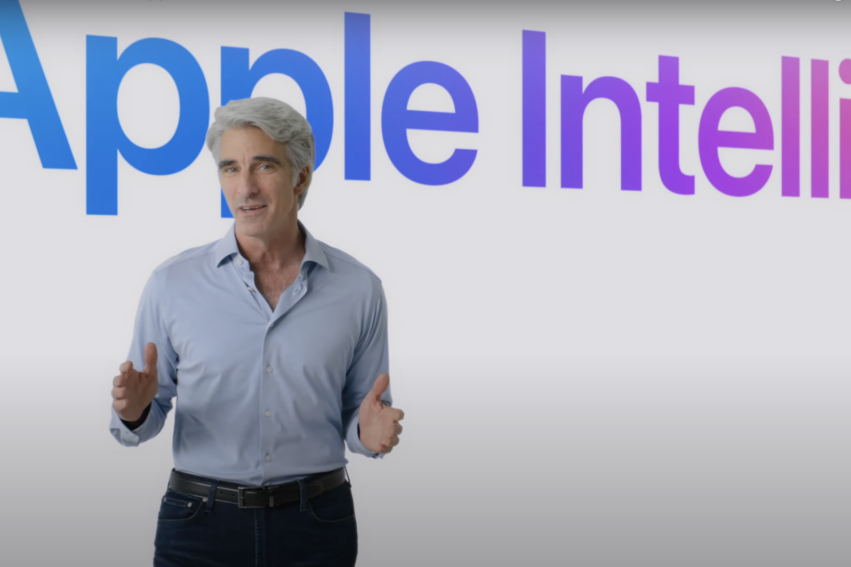
- Capital Expenditure Comparison: Apple's capital expenditures for fiscal 2025 totaled approximately $12.7 billion, significantly lower than the combined over $400 billion spent by giants like Microsoft, Alphabet, Meta, and Amazon, indicating Apple's cautious approach to AI investment which may safeguard its financial health.
- AI Strategy Shift: At its developers conference, Apple unveiled a revamped Siri powered by Alphabet's Gemini models, incurring an annual partnership cost of about $1 billion; this strategy may keep Apple competitive in the AI space while avoiding massive capital expenditures.
- Shareholder Returns Priority: In its fiscal Q2 2026, Apple announced a $100 billion share repurchase authorization and a 4% dividend increase, demonstrating its commitment to shareholder returns with over $28 billion in operating cash flow, rather than blindly chasing AI investments.
- Market Watch Focus: Investors should monitor user acceptance of the new Siri and the sustained growth of iPhone and services revenue; maintaining double-digit growth would indicate consumer endorsement of Apple's AI strategy, further solidifying its market position.
See More
Oracle Corporation Stock Investment Outlook
- Strong Financial Performance: Oracle Corporation reported Q3 FY2026 revenue of $17.19 billion, up 22% YoY, and non-GAAP EPS of $1.79, up 21%, indicating robust positioning in AI-driven cloud infrastructure.
- AI Infrastructure Growth: AI infrastructure revenue surged 243% YoY, while Multicloud Database expanded 531%, highlighting accelerated adoption from hyperscalers, although increased customer concentration and execution risks loom.
- Optimized Capital Structure: Management successfully issued $30 billion in oversubscribed debt and convertible preferred stock, emphasizing that most large AI contracts are customer-prepaid or supported by customer-supplied GPUs, significantly reducing capital burden and enhancing capital efficiency.
- Sustained Cloud Growth: IaaS grew 84% YoY, total cloud revenue accelerated to 44%, and FY27 revenue guidance was raised to $90 billion, strengthening long-term growth visibility despite competitive pressures from low-cost software creation.
See More
The Significance of Earnings Season
- Share Price Impact: A company's quarterly earnings report typically influences its stock price, with bullish movements often seen in firms that deliver positive surprises or raise guidance, reflecting a healthy underlying business; thus, investors should consider implementing stop-loss orders at comfortable thresholds to protect their capital.
- Current Trends Highlights: Earnings season offers a macro view of overall economic or industry trends; for instance, if many retail companies fall short of expectations, it may signal declining consumer confidence, while stronger-than-expected earnings could indicate a healthy economy, allowing investors to adjust their strategies accordingly.
- Market Sentiment Insights: For example, Oracle's latest earnings report revealed steep capital expenditures aimed at AI infrastructure, putting pressure on its shares, which reflects the prevailing market sentiment focused on AI developments in recent months.
- Investor Understanding: While earnings season is undeniably hectic, it is crucial for investors as it provides an updated financial standing of companies and reveals the broader market trends, aiding investors in making more informed decisions.
See More
Oracle's Earnings Report Triggers Stock Decline
- Negative Earnings Reaction: Oracle's (ORCL) stock plummeted following its quarterly earnings report, as investor concerns about its AI spending plans intensified, reversing a rally that had seen the stock rise over 50% since March.
- Capital Expenditure Pressure: Analysts highlighted that Oracle's projected FY27 revenue of $90 billion is overshadowed by anticipated capital expenditures of $90 billion to $95 billion, raising concerns about the company's financial strain and investor skepticism regarding future growth.
- Intensifying Market Competition: While Oracle achieved a remarkable 93% year-over-year growth in cloud infrastructure, comparisons with giants like Meta and Microsoft regarding capital expenditures may mislead investors about its future profitability.
- Risk Concentration in OpenAI: With over 50% of Oracle's RPO tied to OpenAI, the company faces heightened risk exposure, leading analysts to adopt a cautious stance on holding the stock post-sell-off, suggesting that now may not be the right time to buy.
See More
U.S. Stocks Rise as SpaceX Successfully Debuts
- Inflation Data Impact: The U.S. consumer price index rose 4.2% year-over-year in May, matching expectations and accelerating from April's 3.8%, indicating persistent inflationary pressures that could influence Federal Reserve monetary policy decisions.
- SpaceX IPO Performance: SpaceX debuted on Nasdaq on Friday with an opening price of $150, gaining 11% initially and closing up 19.2%, reflecting strong market confidence in its future growth potential despite initial trading below high expectations.
- Tech Stock Volatility: Despite SpaceX's strong IPO performance, related aerospace and satellite stocks like Virgin Galactic fell by 30%, indicating market concerns over high-valuation tech stocks and prompting investors to reassess risk.
- Super Micro Financing Plan: Super Micro Computer announced a $7 billion financing plan to support the procurement of components for its advanced AI servers, demonstrating the company's intent to expand in the AI sector and its expectations for future market demand.
See More
SpaceX's Successful IPO Sparks Market Rally
- Record-Breaking IPO: SpaceX closed at $161 per share, a 19% increase from its fixed offering price of $135, achieving a market value exceeding $2.1 trillion and becoming the sixth-largest public company in the U.S., indicating strong market appetite for its massive IPO.
- Positive Market Reaction: Ahead of SpaceX's debut, Jim Cramer's optimistic comments alleviated market fears about demand, resulting in a 0.5% rise in the S&P 500 and a 0.3% increase in the Nasdaq, reflecting renewed investor confidence in tech stocks.
- Continued AI Investment Growth: Corning's multi-billion dollar optical fiber supply deal with Amazon boosts its optical communications division, highlighting the increasing demand for fiber optics in data centers and solidifying the company's position in the rapidly evolving AI market.
- Inflation Data Impact: Despite the consumer price index rising 4.2% year-over-year in May, the highest in three years, Jim Cramer attributed this mainly to rising oil prices due to the Iran conflict, with the market largely expecting the Federal Reserve to maintain interest rates in the upcoming meeting, indicating cautious optimism about future economic policies.
See More
Apple's Unique Strategy in AI Investment
- Capital Expenditure Comparison: Apple's capital expenditures for fiscal 2025 totaled approximately $12.7 billion, significantly lower than the combined over $400 billion spent by giants like Microsoft, Alphabet, Meta, and Amazon, indicating Apple's cautious approach to AI investment which may safeguard its financial health.
- AI Strategy Shift: At its developers conference, Apple unveiled a revamped Siri powered by Alphabet's Gemini models, incurring an annual partnership cost of about $1 billion; this strategy may keep Apple competitive in the AI space while avoiding massive capital expenditures.
- Shareholder Returns Priority: In its fiscal Q2 2026, Apple announced a $100 billion share repurchase authorization and a 4% dividend increase, demonstrating its commitment to shareholder returns with over $28 billion in operating cash flow, rather than blindly chasing AI investments.
- Market Watch Focus: Investors should monitor user acceptance of the new Siri and the sustained growth of iPhone and services revenue; maintaining double-digit growth would indicate consumer endorsement of Apple's AI strategy, further solidifying its market position.
See More





