Oracle's Aggressive AI Strategy Fuels Growth
Written by Emily J. Thompson, Senior Investment Analyst
Updated: 1 hour ago
0mins
Should l Buy ORCL?
Source: Fool
- Deteriorating Cash Flow: Oracle has shifted from positive free cash flow to bleeding tens of billions quarterly over the past year, highlighting the immense pressure its aggressive AI investment strategy places on cash flow, although its long-term growth potential remains promising.
- Surging Capital Expenditures: Oracle's capital expenditures reached $27.4 billion in Q1 FY 2026, projected to rise to $48.3 billion by Q3 FY 2026, primarily for building data centers, which, while burdensome to cash flow in the short term, lay the groundwork for future revenue growth.
- Strong Customer Demand: With a record backlog of $553 billion in remaining performance obligations at the end of the latest quarter, Oracle demonstrates robust customer demand for cloud space, and management indicated that its new pricing model will allow expansion without negative cash flow.
- Efficiency Improvement Initiatives: By standardizing data centers, enhancing supply chains, and expanding manufacturing sites, Oracle successfully increased the gross margin on its AI capabilities to 32%, exceeding its long-term guidance of 30%, which will help lower costs and boost overall profitability.
Trade with 70% Backtested Accuracy
Stop guessing "Should I Buy ORCL?" and start using high-conviction signals backed by rigorous historical data.
Sign up today to access powerful investing tools and make smarter, data-driven decisions.
Analyst Views on ORCL
Wall Street analysts forecast ORCL stock price to rise
34 Analyst Rating
25 Buy
9 Hold
0 Sell
Moderate Buy
Current: 155.970

Low
180.00
Averages
309.59
High
400.00
Current: 155.970
Low
180.00
Averages
309.59
High
400.00
About ORCL
Oracle Corporation offers integrated suites of applications plus secure, autonomous infrastructure in the Oracle Cloud. The Company operates through three businesses: cloud and license, hardware and service. Its cloud and license business is engaged in the sale, marketing and delivery of its enterprise applications and infrastructure technologies through cloud and on-premise deployment models including its cloud services and license support offerings, and its cloud license and on-premise license offerings. Its hardware business provides infrastructure technologies including Oracle Engineered Systems, servers, storage, industry-specific hardware, operating systems, virtualization, management and other hardware-related software to support diverse IT environments. Its services business provides services to customers and partners to help maximize the performance of their investments in Oracle applications and infrastructure technologies.
About the author

Emily J. Thompson
Emily J. Thompson, a Chartered Financial Analyst (CFA) with 12 years in investment research, graduated with honors from the Wharton School. Specializing in industrial and technology stocks, she provides in-depth analysis for Intellectia’s earnings and market brief reports.

Oracle's Massive Spending Hits Cash Flow

- Deteriorating Cash Flow: Oracle has shifted from being free cash flow positive to bleeding tens of billions quarterly over the past year, raising investor concerns about its financial health due to the severity of its spending spree.
- Surging Capital Expenditures: Oracle's capital expenditures reached $27.4 billion in Q1 FY 2026 and are projected to rise to $48.3 billion by Q3 FY 2026, indicating that while these investments are aimed at building data centers for long-term revenue growth, they are exerting significant short-term pressure on cash flow.
- Strong Customer Demand: With a record backlog of $553 billion in remaining performance obligations at the end of the latest quarter, Oracle demonstrates robust demand for cloud space, yet the company needs time for its cash flow to recover.
- Efficiency Improvement Initiatives: By standardizing data centers, enhancing supply chains, and tripling manufacturing sites, Oracle achieved a 32% gross margin, exceeding its long-term guidance of 30%, indicating that its efforts to reduce costs and improve margins are yielding positive results.
See More
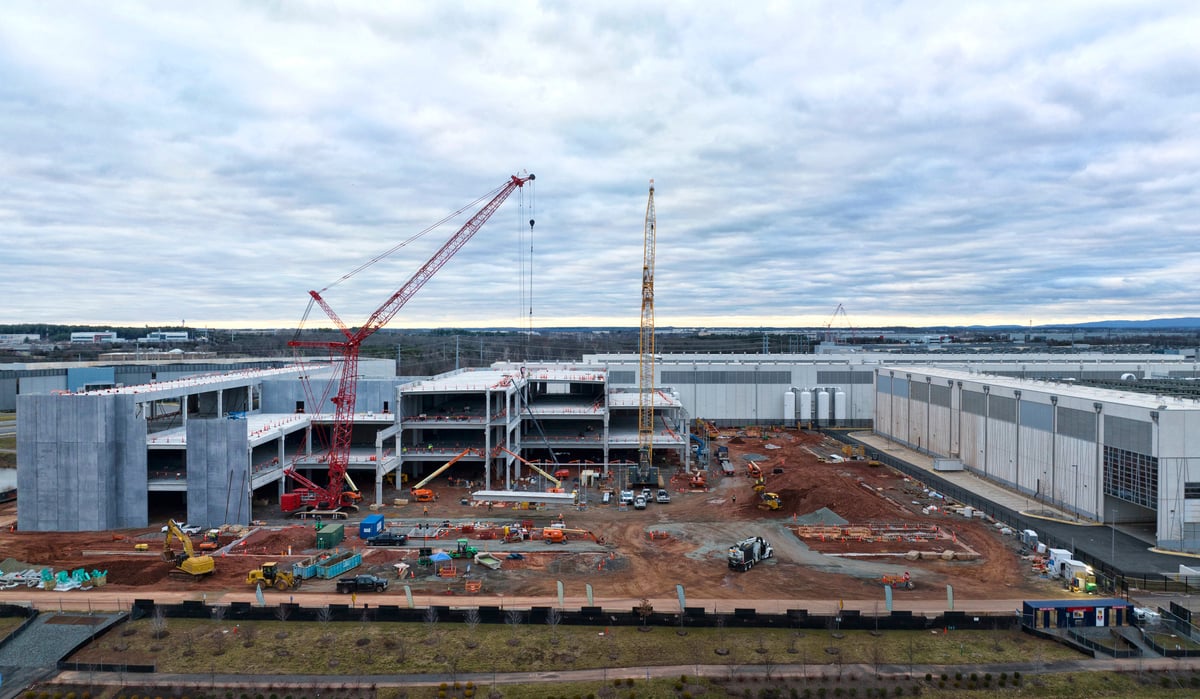
Oracle's Earnings Highlights and Risk Analysis
- Poor Financial Performance: Oracle reported a staggering $43.8 billion in negative free cash flow through the first three quarters of fiscal 2026, compared to $26.2 billion in positive free cash flow in fiscal 2025, indicating severe cash burn during hypergrowth that may undermine investor confidence.
- Increased Debt Burden: While Oracle confirmed a revenue target of $67 billion for fiscal 2026, its database and data management software segment fails to generate sufficient cash flow to cover costs, necessitating more debt and triggering a massive sell-off among investors.
- Capital Expenditure Plans: Oracle anticipates $90 billion in revenue for fiscal 2027, yet management refrained from providing a firm capex number, highlighting the tension between ongoing investments and profitability, which could affect future financial stability.
- AI Infrastructure Potential: Despite the high leverage risks, Oracle's OCI is purpose-built for AI, and its partnerships with Amazon, Microsoft, and Alphabet provide a competitive edge, attracting growth stock investors looking for high-risk, high-reward opportunities.
See More

Micron Technology Stock Soars Amid Strong Market Demand


- Stock Surge: Micron Technology's stock tripled in 2025 and has risen nearly 62% in 2026, driven by strong demand for memory-rich Nvidia AI chips leading to shortages, elevating the company's market cap to $520 billion, surpassing Oracle's $445 billion.
- Strong Earnings Expectations: Analysts anticipate that Micron will report a 148% year-over-year revenue growth in its upcoming fiscal second-quarter results, projecting revenues of $23.8 billion, indicating robust performance and future growth potential in the memory market.
- Ongoing Memory Shortage: As tech giants invest record amounts to cope with memory shortages in the AI race, Micron's high-bandwidth memory is sold out for 2026, reflecting strong demand, with expectations that this shortage will persist into 2027.
- Global Expansion Plans: Micron held a groundbreaking ceremony for a new semiconductor manufacturing facility in New York, planning to build up to four fabrication plants, and opened an assembly and testing facility in India to enhance capacity and meet the growing market demand.
See More
Oracle Launches Simphony Smart Assistant to Enhance Restaurant Efficiency
- Smart Assistant Feature: Oracle's newly launched Smart Assistant in Simphony Cloud POS leverages generative AI to provide real-time self-service suggestions for restaurant teams, enabling quicker resolutions of common technical and operational issues, thereby enhancing efficiency and reducing reliance on external support.
- Immediate Support Benefits: The assistant delivers instant, actionable answers based on each brand's unique guidelines and de-identified data from thousands of users, significantly alleviating the workload for IT teams and empowering staff to resolve issues on the spot.
- User Feedback Mechanism: Staff can provide feedback to improve response accuracy, ensuring that guidance reflects the brand's standard operating procedures, which enhances long-term operational efficiency and boosts customer satisfaction.
- Global Availability: The Smart Assistant will be rolled out to Simphony Cloud customers globally within the next 12 months, supporting over 100 languages, with early adopters already experiencing significant benefits from this innovation.
See More
Oracle Simphony Cloud Enhances Dining Experience for Fans and Operators
- Unified Cloud Platform: The new Oracle Restaurant Suite Management and Mobile Order and Pay capabilities within Oracle Simphony Cloud streamline all operational processes, significantly enhancing venue operational efficiency and reducing order processing times, thereby improving customer satisfaction.
- Convenient Mobile Ordering: The newly launched Mobile Order and Pay feature allows guests to browse menus, place orders, and complete payments directly via mobile devices or web browsers, increasing order accuracy and reducing wait times, which enhances guest convenience and experience.
- Flexible Menu Management: Operators can quickly configure menus and branding, supporting digital ordering across multiple locations, which helps venues respond flexibly to demand changes during different events, maximizing sales and inventory management efficiency.
- Market Expansion Plans: Oracle plans to roll out the Restaurant Suite Management and Mobile Order and Pay functionalities to North American customers within the next 12 months, demonstrating the company's ongoing investment and commitment to enhancing digital transformation in the dining industry.
See More

Oracle's Aggressive AI Strategy Fuels Growth
- Deteriorating Cash Flow: Oracle has shifted from positive free cash flow to bleeding tens of billions quarterly over the past year, highlighting the immense pressure its aggressive AI investment strategy places on cash flow, although its long-term growth potential remains promising.
- Surging Capital Expenditures: Oracle's capital expenditures reached $27.4 billion in Q1 FY 2026, projected to rise to $48.3 billion by Q3 FY 2026, primarily for building data centers, which, while burdensome to cash flow in the short term, lay the groundwork for future revenue growth.
- Strong Customer Demand: With a record backlog of $553 billion in remaining performance obligations at the end of the latest quarter, Oracle demonstrates robust customer demand for cloud space, and management indicated that its new pricing model will allow expansion without negative cash flow.
- Efficiency Improvement Initiatives: By standardizing data centers, enhancing supply chains, and expanding manufacturing sites, Oracle successfully increased the gross margin on its AI capabilities to 32%, exceeding its long-term guidance of 30%, which will help lower costs and boost overall profitability.
See More
Oracle's Massive Spending Hits Cash Flow
- Deteriorating Cash Flow: Oracle has shifted from being free cash flow positive to bleeding tens of billions quarterly over the past year, raising investor concerns about its financial health due to the severity of its spending spree.
- Surging Capital Expenditures: Oracle's capital expenditures reached $27.4 billion in Q1 FY 2026 and are projected to rise to $48.3 billion by Q3 FY 2026, indicating that while these investments are aimed at building data centers for long-term revenue growth, they are exerting significant short-term pressure on cash flow.
- Strong Customer Demand: With a record backlog of $553 billion in remaining performance obligations at the end of the latest quarter, Oracle demonstrates robust demand for cloud space, yet the company needs time for its cash flow to recover.
- Efficiency Improvement Initiatives: By standardizing data centers, enhancing supply chains, and tripling manufacturing sites, Oracle achieved a 32% gross margin, exceeding its long-term guidance of 30%, indicating that its efforts to reduce costs and improve margins are yielding positive results.
See More
Oracle's Earnings Highlights and Risk Analysis
- Poor Financial Performance: Oracle reported a staggering $43.8 billion in negative free cash flow through the first three quarters of fiscal 2026, compared to $26.2 billion in positive free cash flow in fiscal 2025, indicating severe cash burn during hypergrowth that may undermine investor confidence.
- Increased Debt Burden: While Oracle confirmed a revenue target of $67 billion for fiscal 2026, its database and data management software segment fails to generate sufficient cash flow to cover costs, necessitating more debt and triggering a massive sell-off among investors.
- Capital Expenditure Plans: Oracle anticipates $90 billion in revenue for fiscal 2027, yet management refrained from providing a firm capex number, highlighting the tension between ongoing investments and profitability, which could affect future financial stability.
- AI Infrastructure Potential: Despite the high leverage risks, Oracle's OCI is purpose-built for AI, and its partnerships with Amazon, Microsoft, and Alphabet provide a competitive edge, attracting growth stock investors looking for high-risk, high-reward opportunities.
See More
Micron Technology Stock Soars Amid Strong Market Demand
- Stock Surge: Micron Technology's stock tripled in 2025 and has risen nearly 62% in 2026, driven by strong demand for memory-rich Nvidia AI chips leading to shortages, elevating the company's market cap to $520 billion, surpassing Oracle's $445 billion.
- Strong Earnings Expectations: Analysts anticipate that Micron will report a 148% year-over-year revenue growth in its upcoming fiscal second-quarter results, projecting revenues of $23.8 billion, indicating robust performance and future growth potential in the memory market.
- Ongoing Memory Shortage: As tech giants invest record amounts to cope with memory shortages in the AI race, Micron's high-bandwidth memory is sold out for 2026, reflecting strong demand, with expectations that this shortage will persist into 2027.
- Global Expansion Plans: Micron held a groundbreaking ceremony for a new semiconductor manufacturing facility in New York, planning to build up to four fabrication plants, and opened an assembly and testing facility in India to enhance capacity and meet the growing market demand.
See More
Oracle Launches Simphony Smart Assistant to Enhance Restaurant Efficiency
- Smart Assistant Feature: Oracle's newly launched Smart Assistant in Simphony Cloud POS leverages generative AI to provide real-time self-service suggestions for restaurant teams, enabling quicker resolutions of common technical and operational issues, thereby enhancing efficiency and reducing reliance on external support.
- Immediate Support Benefits: The assistant delivers instant, actionable answers based on each brand's unique guidelines and de-identified data from thousands of users, significantly alleviating the workload for IT teams and empowering staff to resolve issues on the spot.
- User Feedback Mechanism: Staff can provide feedback to improve response accuracy, ensuring that guidance reflects the brand's standard operating procedures, which enhances long-term operational efficiency and boosts customer satisfaction.
- Global Availability: The Smart Assistant will be rolled out to Simphony Cloud customers globally within the next 12 months, supporting over 100 languages, with early adopters already experiencing significant benefits from this innovation.
See More
Oracle Simphony Cloud Enhances Dining Experience for Fans and Operators
- Unified Cloud Platform: The new Oracle Restaurant Suite Management and Mobile Order and Pay capabilities within Oracle Simphony Cloud streamline all operational processes, significantly enhancing venue operational efficiency and reducing order processing times, thereby improving customer satisfaction.
- Convenient Mobile Ordering: The newly launched Mobile Order and Pay feature allows guests to browse menus, place orders, and complete payments directly via mobile devices or web browsers, increasing order accuracy and reducing wait times, which enhances guest convenience and experience.
- Flexible Menu Management: Operators can quickly configure menus and branding, supporting digital ordering across multiple locations, which helps venues respond flexibly to demand changes during different events, maximizing sales and inventory management efficiency.
- Market Expansion Plans: Oracle plans to roll out the Restaurant Suite Management and Mobile Order and Pay functionalities to North American customers within the next 12 months, demonstrating the company's ongoing investment and commitment to enhancing digital transformation in the dining industry.
See More
Oracle's Aggressive AI Strategy Fuels Growth
- Deteriorating Cash Flow: Oracle has shifted from positive free cash flow to bleeding tens of billions quarterly over the past year, highlighting the immense pressure its aggressive AI investment strategy places on cash flow, although its long-term growth potential remains promising.
- Surging Capital Expenditures: Oracle's capital expenditures reached $27.4 billion in Q1 FY 2026, projected to rise to $48.3 billion by Q3 FY 2026, primarily for building data centers, which, while burdensome to cash flow in the short term, lay the groundwork for future revenue growth.
- Strong Customer Demand: With a record backlog of $553 billion in remaining performance obligations at the end of the latest quarter, Oracle demonstrates robust customer demand for cloud space, and management indicated that its new pricing model will allow expansion without negative cash flow.
- Efficiency Improvement Initiatives: By standardizing data centers, enhancing supply chains, and expanding manufacturing sites, Oracle successfully increased the gross margin on its AI capabilities to 32%, exceeding its long-term guidance of 30%, which will help lower costs and boost overall profitability.
See More