Oracle Sees Significant Growth in Cloud Revenue Amid $553 Billion Backlog
Written by Emily J. Thompson, Senior Investment Analyst
Updated: Apr 06 2026
0mins
Source: NASDAQ.COM
- Massive Backlog Growth: Oracle's remaining performance obligations (RPO) reached $553 billion at the end of Q3 FY2026, reflecting a staggering 325% year-over-year increase, indicating strong demand for AI infrastructure, which could significantly enhance the company's valuation if these contracts convert as expected.
- Surge in Cloud Revenue: The company reported a 22% year-over-year increase in total revenue to $17.2 billion in Q3, with cloud revenue soaring 44% to $8.9 billion, demonstrating robust enterprise demand for Oracle's multi-cloud database solutions, which is driving overall performance improvements.
- AI Infrastructure Profit Margins: Oracle's AI infrastructure business is generating margins exceeding 30%, while its database services achieve gross margins between 60% and 80%, indicating that the company's investments in AI are yielding substantial financial returns.
- Strategic Shift and Job Cuts: Oracle is cutting thousands of jobs to redirect resources toward AI and cloud investments, which may cause short-term disruptions but is expected to enhance profit margins and free cash flow in the long run, marking a transition from a traditional software provider to a full-stack AI infrastructure company.
Trade with 70% Backtested Accuracy
Stop guessing "Should I Buy ORCL?" and start using high-conviction signals backed by rigorous historical data.
Sign up today to access powerful investing tools and make smarter, data-driven decisions.
Analyst Views on ORCL
Wall Street analysts forecast ORCL stock price to rise
34 Analyst Rating
25 Buy
9 Hold
0 Sell
Moderate Buy
Current: 189.770

Low
180.00
Averages
309.59
High
400.00
Current: 189.770
Low
180.00
Averages
309.59
High
400.00
About ORCL
Oracle Corporation offers integrated suites of applications plus secure, autonomous infrastructure in the Oracle Cloud. The Company operates through three businesses: cloud and license, hardware and service. Its cloud and license business is engaged in the sale, marketing and delivery of its enterprise applications and infrastructure technologies through cloud and on-premise deployment models including its cloud services and license support offerings, and its cloud license and on-premise license offerings. Its hardware business provides infrastructure technologies including Oracle Engineered Systems, servers, storage, industry-specific hardware, operating systems, virtualization, management and other hardware-related software to support diverse IT environments. Its services business provides services to customers and partners to help maximize the performance of their investments in Oracle applications and infrastructure technologies.
About the author

Emily J. Thompson
Emily J. Thompson, a Chartered Financial Analyst (CFA) with 12 years in investment research, graduated with honors from the Wharton School. Specializing in industrial and technology stocks, she provides in-depth analysis for Intellectia’s earnings and market brief reports.
Oracle Stock Offers Investment Opportunity After Recent Pullback

- Strong Performance Growth: Oracle's revenue in Q3 of fiscal 2026 increased by 22% year-over-year to $17.2 billion, while non-GAAP earnings rose by 21% to $1.79 per share, indicating robust growth potential driven by investments in AI infrastructure.
- Upgraded Guidance: Oracle raised its fiscal 2027 revenue guidance from $85 billion to $90 billion, projecting a remarkable 34% growth next year, which highlights significant progress in converting its $553 billion remaining performance obligations (RPO) into revenue.
- Innovative Customer Payment Models: The company has implemented upfront payments from customers before building cloud computing hardware and allows customers to bring their own hardware, which not only alleviates capital expenditure pressures but also enhances contract signing willingness, resulting in over $29 billion in new contracts signed.
- Significant Stock Price Potential: If Oracle achieves $21 in earnings per share by fiscal 2030 and maintains a forward earnings multiple of 24, its stock price could reach $504 in just over four years, representing a potential 170% increase, underscoring the attractiveness of its current valuation.
See More

US Stocks Rise as Market Optimism Grows

- Strong Market Performance: The S&P 500 rose by 0.54%, the Nasdaq 100 increased by 0.53%, and the Dow Jones Industrial Average reached an all-time high, reflecting market optimism regarding a potential peace deal between the US and Iran, which could boost investor confidence.
- Software Stocks Lead Gains: Workday's stock surged over 8% after reporting Q1 adjusted EPS of $2.66, exceeding the consensus of $2.51, and forecasting Q2 subscription revenue of $2.46 billion, further enhancing confidence in the software sector.
- Oil Price Volatility Affects Markets: Crude oil prices dipped slightly as Qatar coordinated with the US to send a negotiating team to Tehran, raising concerns about future supply; the IEA warned that global oil inventories will remain tight, potentially impacting overall economic growth.
- International Markets Rebound: The Euro Stoxx 50 climbed 1.23%, China's Shanghai Composite rose 0.87%, and Japan's Nikkei increased by 2.68%, indicating a global market optimism that may provide support for the US market.
See More

IBM Stock Soars 12.5% Following Government Investment in Quantum Computing

- Government Investment Impact: The U.S. Department of Commerce signed a Letter of Intent under the CHIPS and Science Act to issue over $2 billion in federal grants to secure the domestic quantum computing supply chain, with IBM securing the maximum $1 billion subsidy, adding approximately $26 billion to its market cap and significantly enhancing its market position.
- Technical Breakthrough Opportunity: IBM's stock surged 12.5% following government intervention, providing a technical breakout opportunity that could reverse its 13% decline year-to-date, potentially serving as a catalyst for future price rebounds.
- Diversified Strategic Advancement: Beyond quantum computing, IBM launched new AI inference and virtualization services on its cloud platform and expanded its partnership with Oracle to integrate watsonx AI offerings into Oracle Cloud Infrastructure, demonstrating its strategic positioning across multiple high-growth technology domains.
- Options Trading Strategy: Investors can construct a defined-risk call spread by selling a $240 put option and buying a $275 call option, costing only $2 with a potential upside of $48, reflecting confidence in IBM's future stock price appreciation.
See More
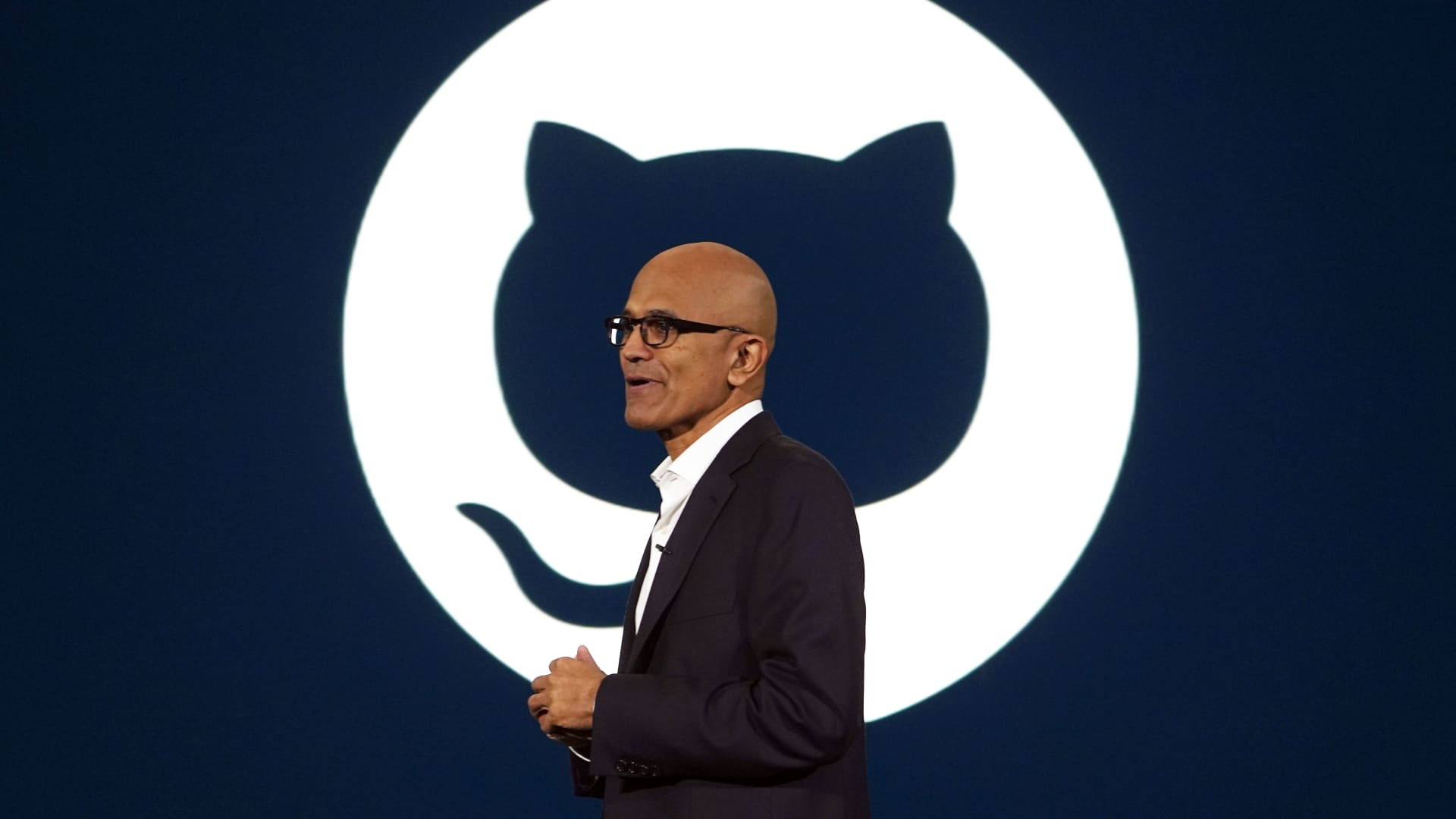
GitHub Faces Challenges as Microsoft's AI Strategy Struggles


- Reliability Issues: GitHub has faced over a dozen outages recently, affecting major companies like Cisco, which raises concerns about its reliability and could lead to customer attrition, negatively impacting Microsoft's market share.
- Frequent Executive Turnover: GitHub's former CEO Thomas Dohmke resigned in August last year, and the lack of a successor has created instability in leadership, potentially affecting the company's strategic direction and execution, increasing market concerns about its future.
- Rising Competition: With the popularity of new tools like Cursor and Claude Code, GitHub's market share is threatened, particularly in the AI-assisted coding space, where GitHub Copilot's user growth has been surpassed by competitors, challenging Microsoft's leadership in this critical market.
- Customer Attrition Risk: Due to declining service quality and rising prices, more enterprise customers are considering alternatives like GitLab and Atlassian, which could further shrink GitHub's revenue and user base, adversely affecting Microsoft's overall financial performance.
See More

GitHub Faces Multiple Challenges and Competition

- Infrastructure Failures: GitHub has faced multiple outages this year due to the soaring popularity of vibe coding, impacting large enterprises like Cisco and raising concerns about its reliability, which could negatively affect its market share.
- Migration Delays: The slow migration to Microsoft's Azure has limited GitHub's computing capacity; although there were plans to shift 50% of traffic to Azure by July, internal negotiations have delayed the enhancement of service capabilities.
- Intensifying Competition: With the rise of new tools like Cursor and Claude Code, GitHub Copilot's competitiveness in the AI coding market has diminished, and despite Nadella's claims of unprecedented growth, market share is being gradually eroded by competitors.
- Leadership Turmoil: Frequent changes in GitHub's executive team have led to strategic ambiguity, as the departure of former CEO Dohmke and the absence of new leadership hinder the company's ability to maintain a competitive edge in a rapidly evolving market.
See More

U.S. Stocks Rally as Investors Eye Middle East Developments


- Market Rally: The S&P 500 is on track for its eighth consecutive weekly gain, reflecting growing investor optimism regarding de-escalation in the Middle East and increased confidence in economic recovery.
- Dow Jones Surge: The Dow Jones Industrial Average rose by 276.31 points to a record close, indicating positive market sentiment towards U.S.-Iran peace negotiations, which could attract further investments.
- Oil Price Volatility: Oil prices resumed their rally after three days of declines, with Brent and U.S. West Texas Intermediate futures both advancing around 2%, highlighting market concerns over energy supply and geopolitical uncertainties.
- Quantum Computing Investment: The U.S. government announced $2 billion in grants to nine firms, with IBM receiving $1 billion, significantly boosting quantum computing stocks and showcasing the ongoing investment surge in the tech sector.
See More
Oracle Stock Offers Investment Opportunity After Recent Pullback
- Strong Performance Growth: Oracle's revenue in Q3 of fiscal 2026 increased by 22% year-over-year to $17.2 billion, while non-GAAP earnings rose by 21% to $1.79 per share, indicating robust growth potential driven by investments in AI infrastructure.
- Upgraded Guidance: Oracle raised its fiscal 2027 revenue guidance from $85 billion to $90 billion, projecting a remarkable 34% growth next year, which highlights significant progress in converting its $553 billion remaining performance obligations (RPO) into revenue.
- Innovative Customer Payment Models: The company has implemented upfront payments from customers before building cloud computing hardware and allows customers to bring their own hardware, which not only alleviates capital expenditure pressures but also enhances contract signing willingness, resulting in over $29 billion in new contracts signed.
- Significant Stock Price Potential: If Oracle achieves $21 in earnings per share by fiscal 2030 and maintains a forward earnings multiple of 24, its stock price could reach $504 in just over four years, representing a potential 170% increase, underscoring the attractiveness of its current valuation.
See More
US Stocks Rise as Market Optimism Grows
- Strong Market Performance: The S&P 500 rose by 0.54%, the Nasdaq 100 increased by 0.53%, and the Dow Jones Industrial Average reached an all-time high, reflecting market optimism regarding a potential peace deal between the US and Iran, which could boost investor confidence.
- Software Stocks Lead Gains: Workday's stock surged over 8% after reporting Q1 adjusted EPS of $2.66, exceeding the consensus of $2.51, and forecasting Q2 subscription revenue of $2.46 billion, further enhancing confidence in the software sector.
- Oil Price Volatility Affects Markets: Crude oil prices dipped slightly as Qatar coordinated with the US to send a negotiating team to Tehran, raising concerns about future supply; the IEA warned that global oil inventories will remain tight, potentially impacting overall economic growth.
- International Markets Rebound: The Euro Stoxx 50 climbed 1.23%, China's Shanghai Composite rose 0.87%, and Japan's Nikkei increased by 2.68%, indicating a global market optimism that may provide support for the US market.
See More
IBM Stock Soars 12.5% Following Government Investment in Quantum Computing
- Government Investment Impact: The U.S. Department of Commerce signed a Letter of Intent under the CHIPS and Science Act to issue over $2 billion in federal grants to secure the domestic quantum computing supply chain, with IBM securing the maximum $1 billion subsidy, adding approximately $26 billion to its market cap and significantly enhancing its market position.
- Technical Breakthrough Opportunity: IBM's stock surged 12.5% following government intervention, providing a technical breakout opportunity that could reverse its 13% decline year-to-date, potentially serving as a catalyst for future price rebounds.
- Diversified Strategic Advancement: Beyond quantum computing, IBM launched new AI inference and virtualization services on its cloud platform and expanded its partnership with Oracle to integrate watsonx AI offerings into Oracle Cloud Infrastructure, demonstrating its strategic positioning across multiple high-growth technology domains.
- Options Trading Strategy: Investors can construct a defined-risk call spread by selling a $240 put option and buying a $275 call option, costing only $2 with a potential upside of $48, reflecting confidence in IBM's future stock price appreciation.
See More
GitHub Faces Challenges as Microsoft's AI Strategy Struggles
- Reliability Issues: GitHub has faced over a dozen outages recently, affecting major companies like Cisco, which raises concerns about its reliability and could lead to customer attrition, negatively impacting Microsoft's market share.
- Frequent Executive Turnover: GitHub's former CEO Thomas Dohmke resigned in August last year, and the lack of a successor has created instability in leadership, potentially affecting the company's strategic direction and execution, increasing market concerns about its future.
- Rising Competition: With the popularity of new tools like Cursor and Claude Code, GitHub's market share is threatened, particularly in the AI-assisted coding space, where GitHub Copilot's user growth has been surpassed by competitors, challenging Microsoft's leadership in this critical market.
- Customer Attrition Risk: Due to declining service quality and rising prices, more enterprise customers are considering alternatives like GitLab and Atlassian, which could further shrink GitHub's revenue and user base, adversely affecting Microsoft's overall financial performance.
See More
GitHub Faces Multiple Challenges and Competition
- Infrastructure Failures: GitHub has faced multiple outages this year due to the soaring popularity of vibe coding, impacting large enterprises like Cisco and raising concerns about its reliability, which could negatively affect its market share.
- Migration Delays: The slow migration to Microsoft's Azure has limited GitHub's computing capacity; although there were plans to shift 50% of traffic to Azure by July, internal negotiations have delayed the enhancement of service capabilities.
- Intensifying Competition: With the rise of new tools like Cursor and Claude Code, GitHub Copilot's competitiveness in the AI coding market has diminished, and despite Nadella's claims of unprecedented growth, market share is being gradually eroded by competitors.
- Leadership Turmoil: Frequent changes in GitHub's executive team have led to strategic ambiguity, as the departure of former CEO Dohmke and the absence of new leadership hinder the company's ability to maintain a competitive edge in a rapidly evolving market.
See More
U.S. Stocks Rally as Investors Eye Middle East Developments
- Market Rally: The S&P 500 is on track for its eighth consecutive weekly gain, reflecting growing investor optimism regarding de-escalation in the Middle East and increased confidence in economic recovery.
- Dow Jones Surge: The Dow Jones Industrial Average rose by 276.31 points to a record close, indicating positive market sentiment towards U.S.-Iran peace negotiations, which could attract further investments.
- Oil Price Volatility: Oil prices resumed their rally after three days of declines, with Brent and U.S. West Texas Intermediate futures both advancing around 2%, highlighting market concerns over energy supply and geopolitical uncertainties.
- Quantum Computing Investment: The U.S. government announced $2 billion in grants to nine firms, with IBM receiving $1 billion, significantly boosting quantum computing stocks and showcasing the ongoing investment surge in the tech sector.
See More