OpenPayd and Titan to Merge, Expected to Raise $276 Million

OpenPayd and Titan Acquisition Corp. entered into a definitive business combination agreement. Upon completion of the transaction, OpenPayd will become a publicly listed company on Nasdaq under the ticker symbol "OP." OpenPayd's financial infrastructure platform operates at the intersection of traditional finance and digital assets, enabling businesses to move and manage money seamlessly across fiat rails, blockchain networks and stablecoins. Through a single API, businesses access global accounts, real-time payments and trading, enabling them to scale across borders. The Company's extensive regulatory footprint across the United States, United Kingdom, European Economic Area, Canada and South Africa, together with its integrations into global payment rails, banks and stablecoin issuers, enables customers to orchestrate money movement seamlessly across markets, rails and assets through a single platform. OpenPayd serves more than 1,100 customers across 180 countries worldwide, including blue-chip clients such as eToro and Kraken. Upon closing, OpenPayd is expected to receive up to $276M in gross proceeds from Titan's trust account, assuming no redemptions by Titan's public shareholders. The capital is intended to strengthen the Company's balance sheet and accelerate the expansion of its financial infrastructure capabilities, positioning OpenPayd to capitalize on growing demand for integrated fiat and stablecoin payment orchestration and to lead the emerging market for agentic payments. The transaction is expected to extend OpenPayd's position as a market leader and allow the Company to further scale its proven operating model by investing in its technology, people and regulatory compliance, including licenses. OpenPayd plans to expand geographically, with immediate focus on scaling operations in the United States and on bolstering product and regulatory capabilities. OpenPayd maintains a strong financial profile and, as of March 2026, generated more than $85M in annualized recurring revenue. OpenPayd processes more than $240B in annualized transaction volume and is well-positioned to capture an increasing share in the rapidly evolving global payments market. The transaction has been unanimously approved by the boards of directors of both OpenPayd and Titan and is expected to close in the fourth quarter of 2026, subject to customary closing conditions, including approval by Titan's shareholders
Trade with 70% Backtested Accuracy
Analyst Views on TACH
About TACH
About the author


India's IT Sector Faces Employment Crisis Amid AI Disruption


- Deepening Employment Crisis: Bernstein warns that the rise of AI may lead to a reduction in high-quality jobs in India's IT sector, affecting the income and consumption capacity of 10 to 15 million employees in IT services and outsourcing, thereby threatening the foundation of national economic growth.
- Shifting Hiring Trends: Net hiring by India's top five IT companies dropped by around 7,000 in FY26, with TCS planning to hire only 25,000 fresh graduates compared to an average of 40,000 over the past three years, indicating a diminishing reliance on large-scale recruitment in the industry.
- Skills Gap Challenge: While the Indian government emphasizes

Rapid Growth of Hybrid Vehicle Market in India
- Surge in Hybrid Sales: According to a report by Care Ratings, hybrid vehicle sales in India reached 362,866 units in the financial year ending March 2026, up nearly fourfold from 98,010 units in 2020, indicating a strong consumer demand for better fuel efficiency, with hybrids expected to account for 10% of total car sales by FY2027.
- Limited EV Market Share: Despite the rising demand for electric vehicles, only 131,865 units are projected to be sold by March 2026, reflecting a consumer preference for hybrids due to concerns over inadequate charging infrastructure.
- Market Leaders: Toyota and Maruti Suzuki dominate the hybrid vehicle market in India, with Toyota selling 366,896 cars including 91,536 strong hybrids in FY2026, while Maruti sold 20,466 strong hybrids, further solidifying their market positions.
- Future Model Launches: Experts predict that more hybrid models will be launched in the next 12 months than in the past five years combined, driven by increasing consumer acceptance of hybrids that require no change in refueling habits, thereby propelling market growth.

India's E-commerce Market Experiences Rapid Growth


- Investment Commitment: Amazon's pledge of $35 billion in India last year aims to digitize 12 million small businesses and enhance logistics infrastructure, demonstrating confidence in future market potential despite online shopping accounting for only 1.6% of GDP.
- User Growth Trend: According to Deloitte, India's e-commerce market experienced a compound annual growth of 23% from 2020 to 2025, with projections indicating it will reach $250 billion by 2030, highlighting both user growth and increased spending per shopper.
- Rise of Small City Consumers: Deloitte reports that over 60% of online shoppers come from smaller cities, marking a decisive shift in consumer dynamics and driving e-commerce order growth, indicating a rapid increase in purchasing power among these consumers.
- Quick Commerce Model: Amazon's quick commerce service, Amazon Now, sees a 25% month-over-month order growth, with Prime members tripling their shopping frequency, underscoring the significance of rapid delivery in meeting the demands of consumers in smaller cities.

Indian Textile Industry Faces New Challenges Amid Iran War

- Export Decline: India's textile exports from April 2025 to February 2026 totaled $29.5 billion, a slight drop from $29.8 billion the previous year, indicating the fragility of recovery in an industry aiming for $100 billion in exports by 2030.
- Rising Costs: The Iran war has driven raw material and packaging costs up, with polyester prices increasing over 40% since the conflict began, complicating companies' ability to pass costs onto customers and impacting production and profitability.
- Weak Demand: Although tariff relief from the U.S. provided temporary respite, industry leaders warn that a prolonged war could dampen U.S. consumer demand, leading to declining sales and rising inventories, posing significant challenges for retailers.
- Production Cuts: Companies like Filatex have already reduced production by 25% and are awaiting demand recovery, with widespread concerns that failure to pass on costs could lead to larger-scale production cuts, further affecting employment and economic growth.
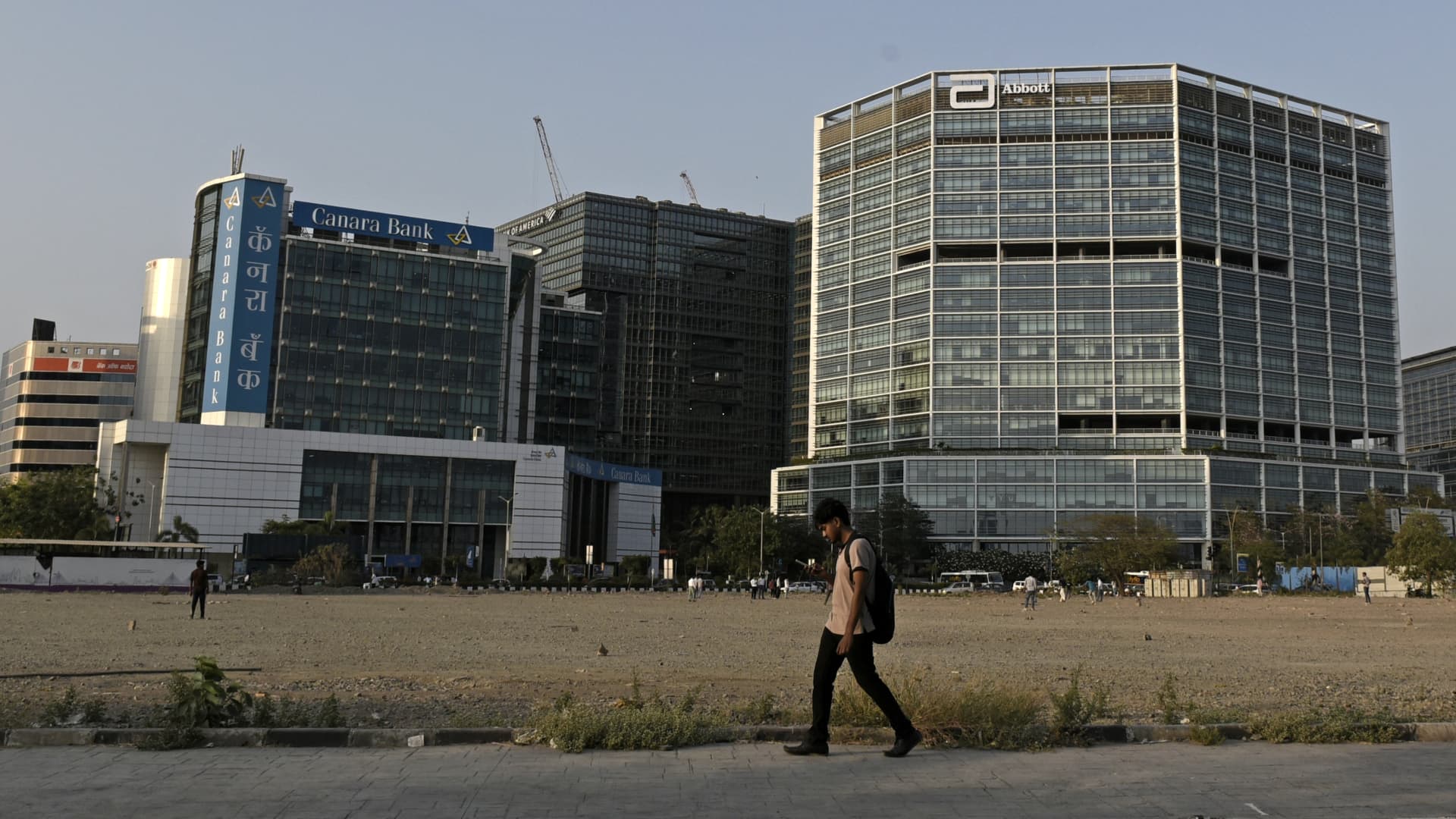
Indian Markets Rattle Amid Iran War Turmoil
- Foreign Capital Exodus: Amid the turmoil of the Iran war, Indian markets experienced a record foreign investor sell-off exceeding $12 billion in March, resulting in a more than 10% drop in the Nifty 50 index, highlighting significant concerns over future economic growth prospects.
- Diminished Growth Outlook: India's Chief Economic Advisor V. Anantha Nageswaran warned that rising energy costs and supply chain disruptions pose considerable downside risks to the forecasted 7.0%-7.4% growth for FY 2027, with expectations of a significant widening of the trade deficit exacerbating fiscal pressures.
- Government Intervention: In response to economic strains, the Indian government implemented two key measures, including limiting banks' currency-hedging positions and cutting excise duties on petrol and diesel by 10 rupees per liter, which will significantly impact tax revenues and potentially hinder government spending capabilities.
- Weak Job Market: While India's consumption narrative continues to attract foreign investment, the lack of white-collar job creation undermines this story, with reports indicating that only a small percentage of graduates secure stable employment within a year of graduation, posing a long-term challenge to economic growth.

Ikea's Expansion Plans in India Amid Global Sales Slowdown
- Market Expansion Goals: Ikea aims to open around 30 new stores in India over the next five years, building on its current six stores, which will include a mix of large and small formats as well as pick-up points for online deliveries, targeting the rapidly growing Indian furniture market.
- Local Sourcing Increase: Currently, 30% of Ikea's sales in India come from locally sourced materials, with plans to increase this to 50% by 2030, enhancing supply chain efficiency and reducing costs while supporting local economic development.
- Market Potential Analysis: According to IBEF, India's furniture and home décor market is projected to exceed $25 billion by 2024 and reach $40.8 billion by 2033, while Ikea forecasts the market will hit $48 billion by 2030, reflecting its optimistic outlook on market opportunities.
- Profitability Expectations: Despite a decline in global retail sales over the past two years, Ikea's sales in India rose by approximately 6% in the fiscal year ending August 2025, with expectations for the Indian operations to become profitable by fiscal year 2028, demonstrating strong confidence in long-term investments in this market.
India's IT Sector Faces Employment Crisis Amid AI Disruption
- Deepening Employment Crisis: Bernstein warns that the rise of AI may lead to a reduction in high-quality jobs in India's IT sector, affecting the income and consumption capacity of 10 to 15 million employees in IT services and outsourcing, thereby threatening the foundation of national economic growth.
- Shifting Hiring Trends: Net hiring by India's top five IT companies dropped by around 7,000 in FY26, with TCS planning to hire only 25,000 fresh graduates compared to an average of 40,000 over the past three years, indicating a diminishing reliance on large-scale recruitment in the industry.
- Skills Gap Challenge: While the Indian government emphasizes
Rapid Growth of Hybrid Vehicle Market in India
- Surge in Hybrid Sales: According to a report by Care Ratings, hybrid vehicle sales in India reached 362,866 units in the financial year ending March 2026, up nearly fourfold from 98,010 units in 2020, indicating a strong consumer demand for better fuel efficiency, with hybrids expected to account for 10% of total car sales by FY2027.
- Limited EV Market Share: Despite the rising demand for electric vehicles, only 131,865 units are projected to be sold by March 2026, reflecting a consumer preference for hybrids due to concerns over inadequate charging infrastructure.
- Market Leaders: Toyota and Maruti Suzuki dominate the hybrid vehicle market in India, with Toyota selling 366,896 cars including 91,536 strong hybrids in FY2026, while Maruti sold 20,466 strong hybrids, further solidifying their market positions.
- Future Model Launches: Experts predict that more hybrid models will be launched in the next 12 months than in the past five years combined, driven by increasing consumer acceptance of hybrids that require no change in refueling habits, thereby propelling market growth.
India's E-commerce Market Experiences Rapid Growth
- Investment Commitment: Amazon's pledge of $35 billion in India last year aims to digitize 12 million small businesses and enhance logistics infrastructure, demonstrating confidence in future market potential despite online shopping accounting for only 1.6% of GDP.
- User Growth Trend: According to Deloitte, India's e-commerce market experienced a compound annual growth of 23% from 2020 to 2025, with projections indicating it will reach $250 billion by 2030, highlighting both user growth and increased spending per shopper.
- Rise of Small City Consumers: Deloitte reports that over 60% of online shoppers come from smaller cities, marking a decisive shift in consumer dynamics and driving e-commerce order growth, indicating a rapid increase in purchasing power among these consumers.
- Quick Commerce Model: Amazon's quick commerce service, Amazon Now, sees a 25% month-over-month order growth, with Prime members tripling their shopping frequency, underscoring the significance of rapid delivery in meeting the demands of consumers in smaller cities.
Indian Textile Industry Faces New Challenges Amid Iran War
- Export Decline: India's textile exports from April 2025 to February 2026 totaled $29.5 billion, a slight drop from $29.8 billion the previous year, indicating the fragility of recovery in an industry aiming for $100 billion in exports by 2030.
- Rising Costs: The Iran war has driven raw material and packaging costs up, with polyester prices increasing over 40% since the conflict began, complicating companies' ability to pass costs onto customers and impacting production and profitability.
- Weak Demand: Although tariff relief from the U.S. provided temporary respite, industry leaders warn that a prolonged war could dampen U.S. consumer demand, leading to declining sales and rising inventories, posing significant challenges for retailers.
- Production Cuts: Companies like Filatex have already reduced production by 25% and are awaiting demand recovery, with widespread concerns that failure to pass on costs could lead to larger-scale production cuts, further affecting employment and economic growth.
Indian Markets Rattle Amid Iran War Turmoil
- Foreign Capital Exodus: Amid the turmoil of the Iran war, Indian markets experienced a record foreign investor sell-off exceeding $12 billion in March, resulting in a more than 10% drop in the Nifty 50 index, highlighting significant concerns over future economic growth prospects.
- Diminished Growth Outlook: India's Chief Economic Advisor V. Anantha Nageswaran warned that rising energy costs and supply chain disruptions pose considerable downside risks to the forecasted 7.0%-7.4% growth for FY 2027, with expectations of a significant widening of the trade deficit exacerbating fiscal pressures.
- Government Intervention: In response to economic strains, the Indian government implemented two key measures, including limiting banks' currency-hedging positions and cutting excise duties on petrol and diesel by 10 rupees per liter, which will significantly impact tax revenues and potentially hinder government spending capabilities.
- Weak Job Market: While India's consumption narrative continues to attract foreign investment, the lack of white-collar job creation undermines this story, with reports indicating that only a small percentage of graduates secure stable employment within a year of graduation, posing a long-term challenge to economic growth.
Ikea's Expansion Plans in India Amid Global Sales Slowdown
- Market Expansion Goals: Ikea aims to open around 30 new stores in India over the next five years, building on its current six stores, which will include a mix of large and small formats as well as pick-up points for online deliveries, targeting the rapidly growing Indian furniture market.
- Local Sourcing Increase: Currently, 30% of Ikea's sales in India come from locally sourced materials, with plans to increase this to 50% by 2030, enhancing supply chain efficiency and reducing costs while supporting local economic development.
- Market Potential Analysis: According to IBEF, India's furniture and home décor market is projected to exceed $25 billion by 2024 and reach $40.8 billion by 2033, while Ikea forecasts the market will hit $48 billion by 2030, reflecting its optimistic outlook on market opportunities.
- Profitability Expectations: Despite a decline in global retail sales over the past two years, Ikea's sales in India rose by approximately 6% in the fiscal year ending August 2025, with expectations for the Indian operations to become profitable by fiscal year 2028, demonstrating strong confidence in long-term investments in this market.