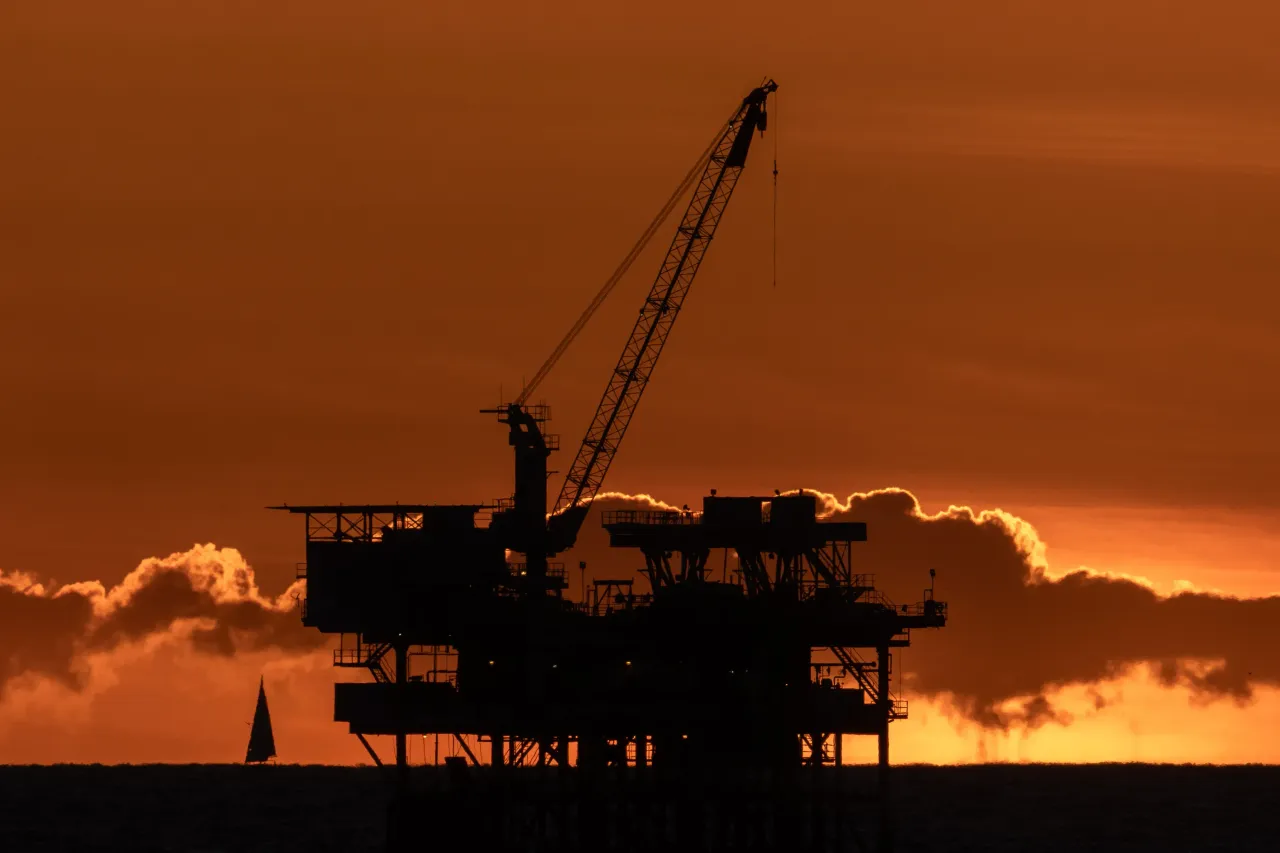
Oil Prices Surge Amid Iran Tensions
Written by Emily J. Thompson, Senior Investment Analyst
Updated: 1 hour ago
0mins
Should l Buy INDO?
Source: stocktwits
- Oil Price Surge: Following U.S. strikes on Iran's Kharg Island, Brent crude prices jumped nearly 2% to $105.15 per barrel, while WTI rose 1.6% to $100.32 per barrel, indicating heightened market sensitivity to Middle Eastern tensions and potential supply disruptions.
- Hedge Fund Bullishness: As of March 10, hedge fund long positions in Brent crude futures surged by 65,438 contracts to a total of 351,032, marking the highest level since February 2020, which reflects a significant increase in institutional investor optimism towards the oil market.
- Fuel Spending Surge: GasBuddy analysts reported that Americans are spending $300 million more on gasoline than a month ago, with the national average gasoline price at $3.68 per gallon, illustrating the direct impact of rising oil prices on consumer spending.
- Strong Market Sentiment: On Stocktwits, retail sentiment for USO and EONR was deemed 'extremely bullish', while INDO was 'bullish', indicating strong investor confidence in the upward trajectory of oil prices and reflecting optimistic expectations for future market conditions.
Trade with 70% Backtested Accuracy
Stop guessing "Should I Buy INDO?" and start using high-conviction signals backed by rigorous historical data.
Sign up today to access powerful investing tools and make smarter, data-driven decisions.
Analyst Views on INDO
About INDO
Indonesia Energy Corporation Limited is an independent energy company engaged in the oil and gas business. The Company holds two oil and gas assets through its subsidiaries in Indonesia: The Kruh Block and the Citarum Block. It has also identified a potential third exploration block known as the Rangkas area. The Kruh Block is a producing block covering approximately 258 square kilometers and is located 16 miles northwest of Pendopo, Pali, South Sumatra. Of the eight identified oil-bearing structures, three structures (North Kruh, Kruh, and West Kruh fields) have combined proved developed and undeveloped gross crude oil reserves of approximately 2.06 million barrels (with net crude oil proved reserves of over 1.18 million barrels) and probable undeveloped gross crude oil reserves of over 2.44 million barrels. The block has drilled over four oil discoveries and one gas discovery. The Citarum Block, an exploration block, spans an area of approximately 3,924.67 square kilometers.
About the author

Emily J. Thompson
Emily J. Thompson, a Chartered Financial Analyst (CFA) with 12 years in investment research, graduated with honors from the Wharton School. Specializing in industrial and technology stocks, she provides in-depth analysis for Intellectia’s earnings and market brief reports.

Oil Prices Surge Amid Iran Tensions


- Oil Price Surge: Following U.S. strikes on Iran's Kharg Island, Brent crude prices jumped nearly 2% to $105.15 per barrel, while WTI rose 1.6% to $100.32 per barrel, indicating heightened market sensitivity to Middle Eastern tensions and potential supply disruptions.
- Hedge Fund Bullishness: As of March 10, hedge fund long positions in Brent crude futures surged by 65,438 contracts to a total of 351,032, marking the highest level since February 2020, which reflects a significant increase in institutional investor optimism towards the oil market.
- Fuel Spending Surge: GasBuddy analysts reported that Americans are spending $300 million more on gasoline than a month ago, with the national average gasoline price at $3.68 per gallon, illustrating the direct impact of rising oil prices on consumer spending.
- Strong Market Sentiment: On Stocktwits, retail sentiment for USO and EONR was deemed 'extremely bullish', while INDO was 'bullish', indicating strong investor confidence in the upward trajectory of oil prices and reflecting optimistic expectations for future market conditions.
See More
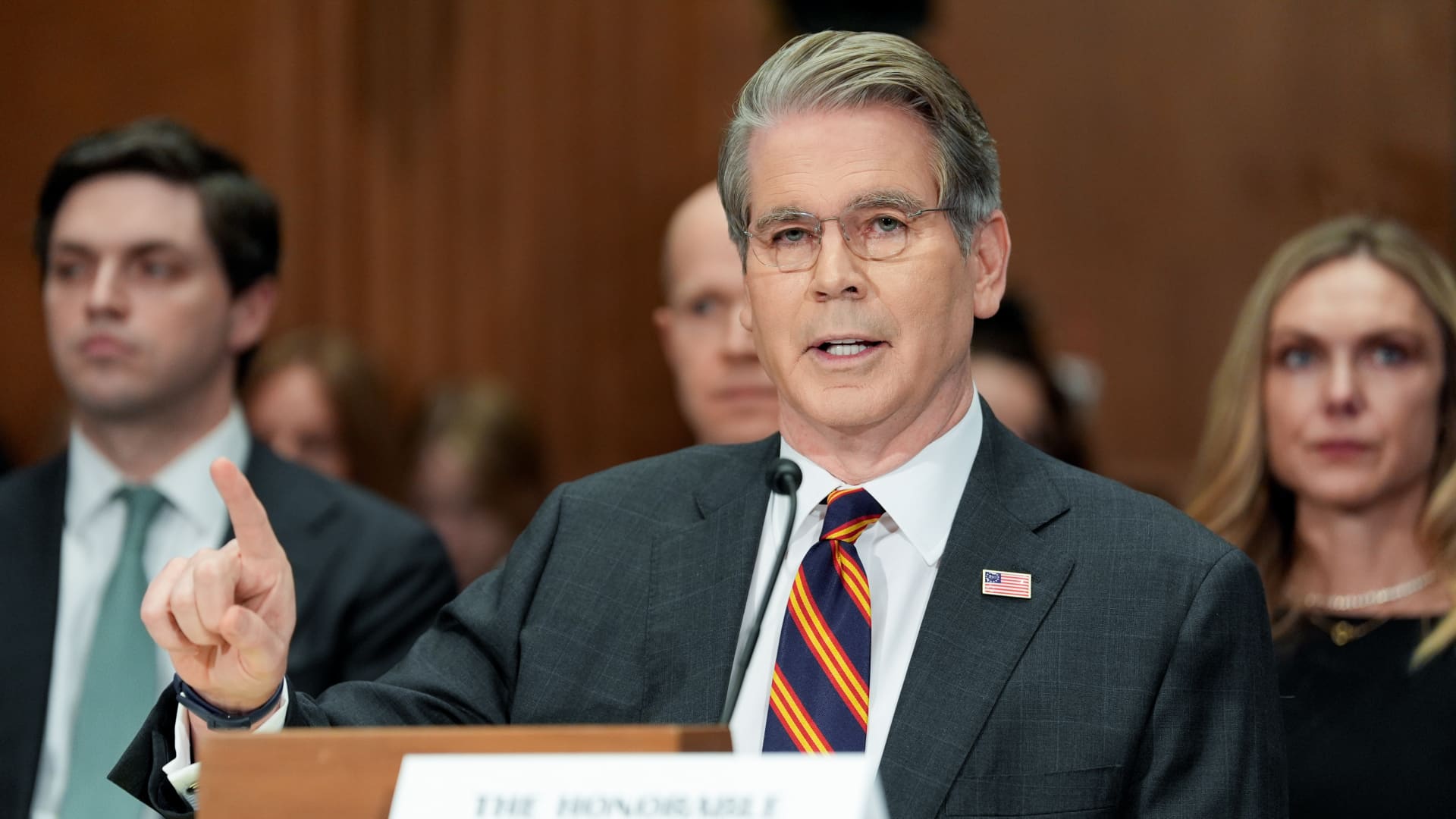
US Launches Trade Investigations into 60 Economies for Forced Labor


- Trade Investigations Launched: The U.S. initiated new trade investigations into 60 economies on Thursday to assess whether they have failed to curb imports of goods made with forced labor, a move that could impact trade relations with countries like China and the EU.
- Legal Basis: These investigations are conducted under Section 301(b) of the Trade Act of 1974, allowing the U.S. to impose tariffs on countries found engaging in unfair trade practices without congressional authorization, reflecting a tough stance in U.S. trade policy.
- International Response: The U.S. Trade Representative stated that despite international consensus against forced labor, governments have inadequately enforced bans on such goods, which could negatively affect U.S. workers and businesses.
- Impact on Future Negotiations: Launching these investigations just before the upcoming Trump-Xi meeting may affect the negotiation atmosphere, with experts suggesting that unilateral measures could hinder consensus, emphasizing the need for cooperative solutions.
See More
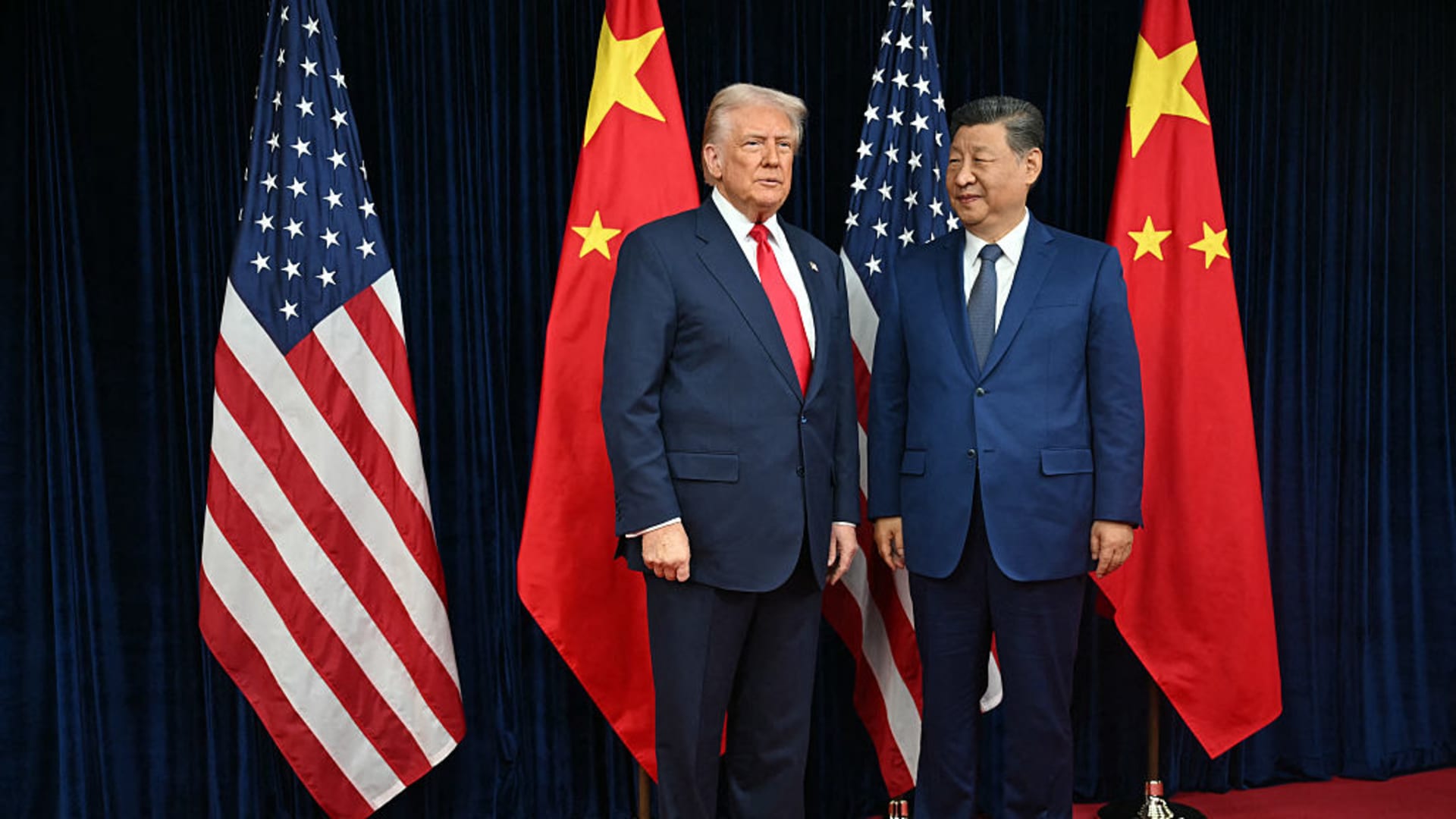
US-China Trade War Escalates as Section 301 Investigations Add New Tensions

- Launch of Section 301 Investigations: The U.S. has initiated trade investigations against China under Section 301 of the Trade Act of 1974, aiming to identify unfair trade practices, particularly in manufacturing sectors, which adds new layers of tension to the already strained U.S.-China relationship.
- Surge in Exports and Trade Surplus: Despite criticism from global trading partners, China's exports surged by 21.8% in the first two months, boosting its trade surplus to a record high of $213.6 billion, indicating a continued reliance on external demand.
- Uncertain Summit Outlook: With the summit approaching, the widening gap between both sides' agendas, especially regarding potential investigations into forced labor practices, adds uncertainty to negotiations and may hinder future trade agreements.
- Challenges in Maintaining Stability: While Chinese Foreign Minister Wang Yi calls for a suitable environment for the summit, the U.S. is likely to push for long-term commitments on agricultural purchases, and expectations for substantial breakthroughs have significantly diminished, suggesting limited outcomes from the upcoming meeting.
See More
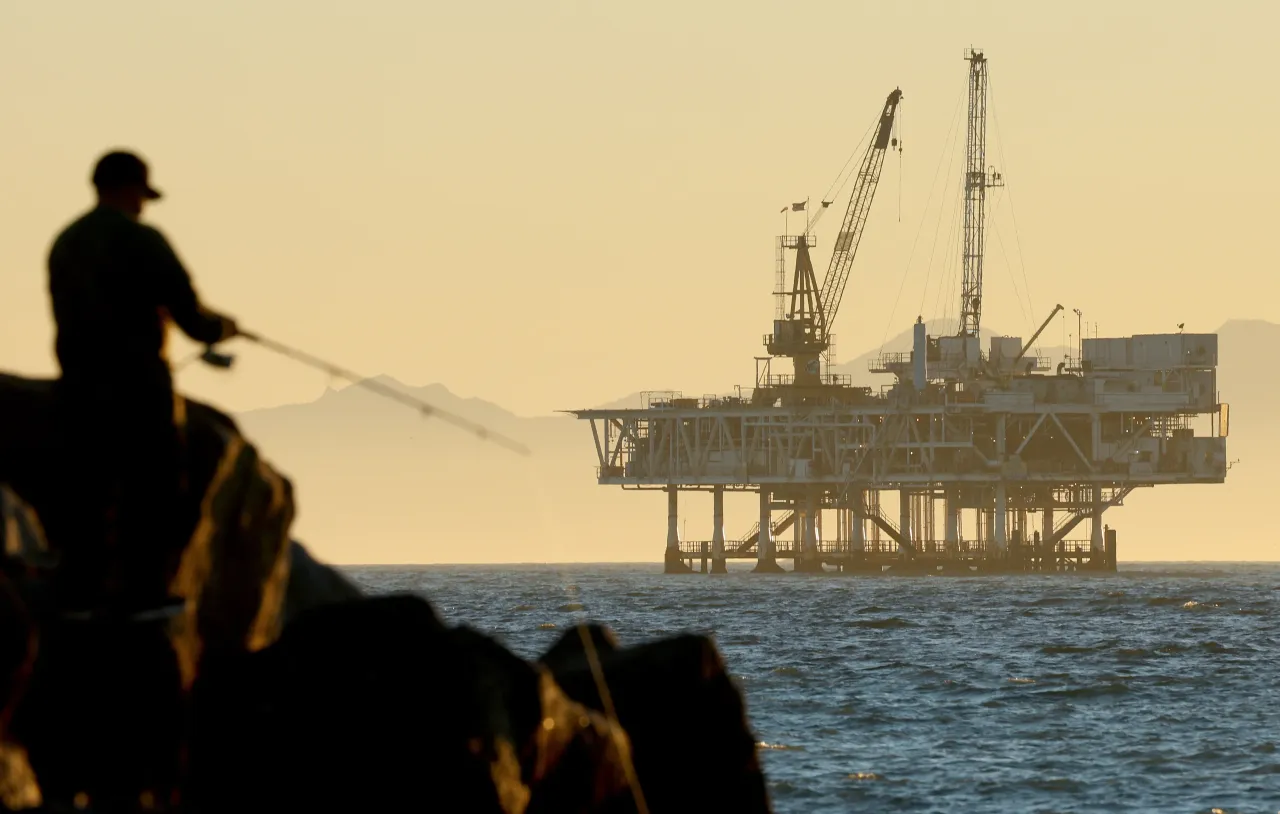
Crude Prices Surge Toward $100 Amid Supply Disruptions

- Crude Price Surge: Brent crude prices have surged toward $100, rising 7.9%, while West Texas Intermediate approaches $94, indicating a strong market reaction to supply disruptions that could lead to significant fuel price increases.
- Supply Disruption Impact: Production cuts from Gulf producers and shipping disruptions through the Strait of Hormuz have removed approximately 6% of global oil supply, prompting the International Energy Agency to agree on a historic release of 400 million barrels from emergency reserves to stabilize the market.
- Analyst Warnings: GasBuddy analyst Patrick De Haan cautioned that even with the U.S. planning to release 172 million barrels from its Strategic Petroleum Reserve, it may not be enough to offset disruptions from the Strait of Hormuz, predicting diesel prices could approach $5 and gasoline near $4.
- Market Sentiment Shift: Despite the surge in crude prices, stocks like USO, TPET, and INDO showed strong after-hours performance, with USO rising about 5% and TPET jumping around 14%, reflecting investor optimism in the energy market, although sentiment for INDO has declined, indicating concerns over future supply risks.
See More
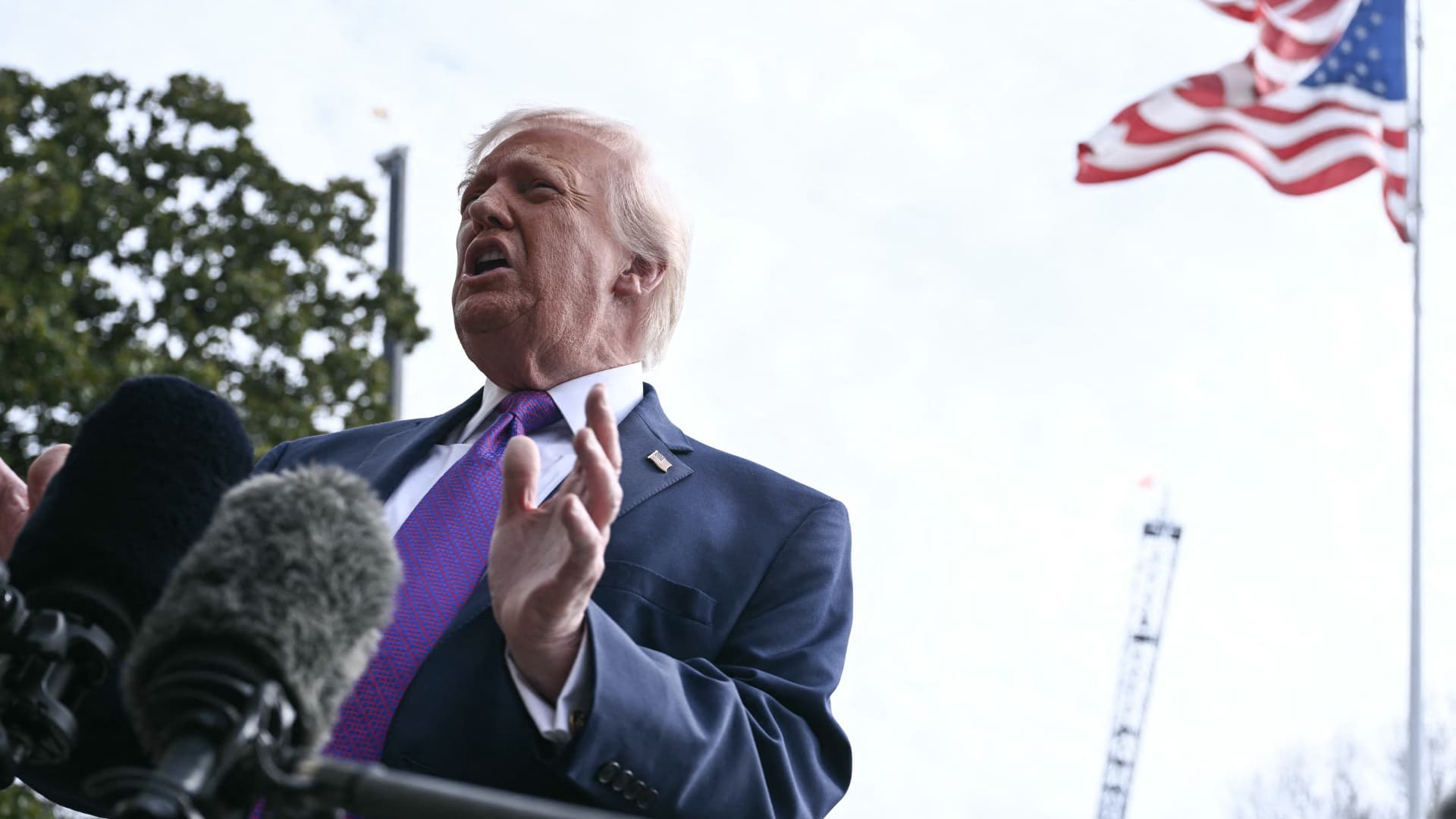
Trump Administration Launches New Trade Investigations
- Trade Investigations Launched: The Trump administration announced new trade investigations into China, Mexico, the EU, and other economies to replace reciprocal tariffs deemed illegal by the Supreme Court, potentially impacting global trade policies.
- Application of Section 301: The investigations will be conducted under Section 301 of the Trade Act of 1974, which allows the U.S. to impose tariffs on countries found to engage in unfair trade practices, indicating a significant shift in trade dynamics.
- Broad Investigation Scope: In addition to China, Mexico, and the EU, the probes will include Japan, India, Taiwan, and Vietnam, reflecting the U.S.'s aggressive stance in global trade and potentially escalating trade tensions.
- Future Tariff Expectations: The Treasury Secretary predicts that by August, U.S. tariffs will return to pre-Supreme Court ruling levels, demonstrating the government's commitment to its trade policy, which may exert pressure on exports from affected countries.
See More
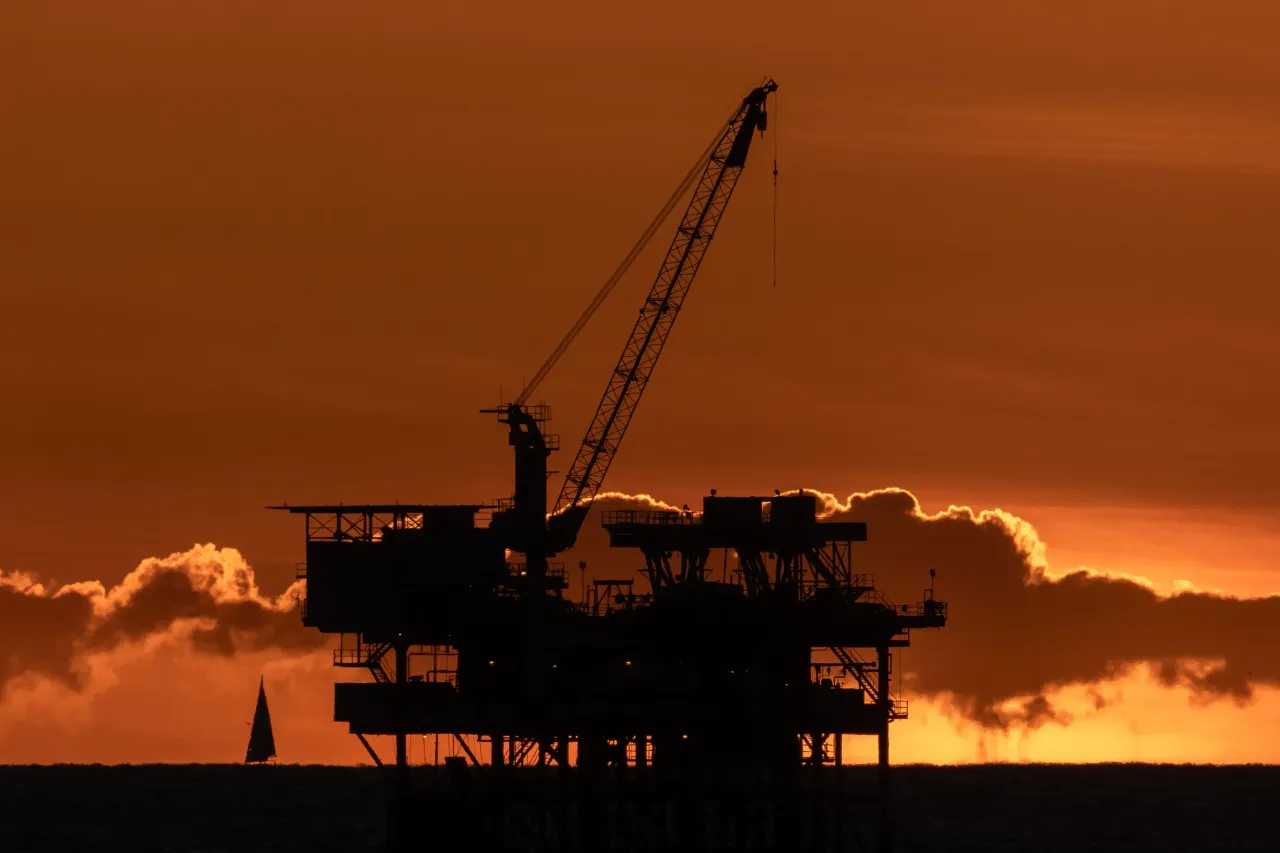
Aramco Redirects Shipments Amid Middle East Conflict
- Route Adjustment: Aramco has redirected some crude shipments to Yanbu on the Red Sea via an alternative pipeline, although this route lacks the capacity to replace normal exports through the Strait of Hormuz, potentially leading to future supply constraints.
- Israeli Strikes on Energy Infrastructure: Israel reportedly struck four oil storage sites and oil production transfer centers in Tehran, exacerbating the energy supply crisis in the Middle East and potentially driving oil prices higher.
- Oil Price Surge Warning: Qatar's Energy Minister warned that Gulf exporters may have to halt production within days, potentially driving oil prices to $150 per barrel, reflecting the market's heightened sensitivity to supply disruptions.
- Strong Market Reaction: The United States Oil Fund (USO) gained 12% in pre-market trading to its highest levels since October 2018, indicating strong investor expectations for rising oil prices.
See More
Oil Prices Surge Amid Iran Tensions
- Oil Price Surge: Following U.S. strikes on Iran's Kharg Island, Brent crude prices jumped nearly 2% to $105.15 per barrel, while WTI rose 1.6% to $100.32 per barrel, indicating heightened market sensitivity to Middle Eastern tensions and potential supply disruptions.
- Hedge Fund Bullishness: As of March 10, hedge fund long positions in Brent crude futures surged by 65,438 contracts to a total of 351,032, marking the highest level since February 2020, which reflects a significant increase in institutional investor optimism towards the oil market.
- Fuel Spending Surge: GasBuddy analysts reported that Americans are spending $300 million more on gasoline than a month ago, with the national average gasoline price at $3.68 per gallon, illustrating the direct impact of rising oil prices on consumer spending.
- Strong Market Sentiment: On Stocktwits, retail sentiment for USO and EONR was deemed 'extremely bullish', while INDO was 'bullish', indicating strong investor confidence in the upward trajectory of oil prices and reflecting optimistic expectations for future market conditions.
See More
US Launches Trade Investigations into 60 Economies for Forced Labor
- Trade Investigations Launched: The U.S. initiated new trade investigations into 60 economies on Thursday to assess whether they have failed to curb imports of goods made with forced labor, a move that could impact trade relations with countries like China and the EU.
- Legal Basis: These investigations are conducted under Section 301(b) of the Trade Act of 1974, allowing the U.S. to impose tariffs on countries found engaging in unfair trade practices without congressional authorization, reflecting a tough stance in U.S. trade policy.
- International Response: The U.S. Trade Representative stated that despite international consensus against forced labor, governments have inadequately enforced bans on such goods, which could negatively affect U.S. workers and businesses.
- Impact on Future Negotiations: Launching these investigations just before the upcoming Trump-Xi meeting may affect the negotiation atmosphere, with experts suggesting that unilateral measures could hinder consensus, emphasizing the need for cooperative solutions.
See More
US-China Trade War Escalates as Section 301 Investigations Add New Tensions
- Launch of Section 301 Investigations: The U.S. has initiated trade investigations against China under Section 301 of the Trade Act of 1974, aiming to identify unfair trade practices, particularly in manufacturing sectors, which adds new layers of tension to the already strained U.S.-China relationship.
- Surge in Exports and Trade Surplus: Despite criticism from global trading partners, China's exports surged by 21.8% in the first two months, boosting its trade surplus to a record high of $213.6 billion, indicating a continued reliance on external demand.
- Uncertain Summit Outlook: With the summit approaching, the widening gap between both sides' agendas, especially regarding potential investigations into forced labor practices, adds uncertainty to negotiations and may hinder future trade agreements.
- Challenges in Maintaining Stability: While Chinese Foreign Minister Wang Yi calls for a suitable environment for the summit, the U.S. is likely to push for long-term commitments on agricultural purchases, and expectations for substantial breakthroughs have significantly diminished, suggesting limited outcomes from the upcoming meeting.
See More
Crude Prices Surge Toward $100 Amid Supply Disruptions
- Crude Price Surge: Brent crude prices have surged toward $100, rising 7.9%, while West Texas Intermediate approaches $94, indicating a strong market reaction to supply disruptions that could lead to significant fuel price increases.
- Supply Disruption Impact: Production cuts from Gulf producers and shipping disruptions through the Strait of Hormuz have removed approximately 6% of global oil supply, prompting the International Energy Agency to agree on a historic release of 400 million barrels from emergency reserves to stabilize the market.
- Analyst Warnings: GasBuddy analyst Patrick De Haan cautioned that even with the U.S. planning to release 172 million barrels from its Strategic Petroleum Reserve, it may not be enough to offset disruptions from the Strait of Hormuz, predicting diesel prices could approach $5 and gasoline near $4.
- Market Sentiment Shift: Despite the surge in crude prices, stocks like USO, TPET, and INDO showed strong after-hours performance, with USO rising about 5% and TPET jumping around 14%, reflecting investor optimism in the energy market, although sentiment for INDO has declined, indicating concerns over future supply risks.
See More
Trump Administration Launches New Trade Investigations
- Trade Investigations Launched: The Trump administration announced new trade investigations into China, Mexico, the EU, and other economies to replace reciprocal tariffs deemed illegal by the Supreme Court, potentially impacting global trade policies.
- Application of Section 301: The investigations will be conducted under Section 301 of the Trade Act of 1974, which allows the U.S. to impose tariffs on countries found to engage in unfair trade practices, indicating a significant shift in trade dynamics.
- Broad Investigation Scope: In addition to China, Mexico, and the EU, the probes will include Japan, India, Taiwan, and Vietnam, reflecting the U.S.'s aggressive stance in global trade and potentially escalating trade tensions.
- Future Tariff Expectations: The Treasury Secretary predicts that by August, U.S. tariffs will return to pre-Supreme Court ruling levels, demonstrating the government's commitment to its trade policy, which may exert pressure on exports from affected countries.
See More
Aramco Redirects Shipments Amid Middle East Conflict
- Route Adjustment: Aramco has redirected some crude shipments to Yanbu on the Red Sea via an alternative pipeline, although this route lacks the capacity to replace normal exports through the Strait of Hormuz, potentially leading to future supply constraints.
- Israeli Strikes on Energy Infrastructure: Israel reportedly struck four oil storage sites and oil production transfer centers in Tehran, exacerbating the energy supply crisis in the Middle East and potentially driving oil prices higher.
- Oil Price Surge Warning: Qatar's Energy Minister warned that Gulf exporters may have to halt production within days, potentially driving oil prices to $150 per barrel, reflecting the market's heightened sensitivity to supply disruptions.
- Strong Market Reaction: The United States Oil Fund (USO) gained 12% in pre-market trading to its highest levels since October 2018, indicating strong investor expectations for rising oil prices.
See More