Occidental Petroleum Shares Surge 22.5% Amid Oil Price Spike
Written by Emily J. Thompson, Senior Investment Analyst
Updated: Apr 07 2026
0mins

Source: Fool
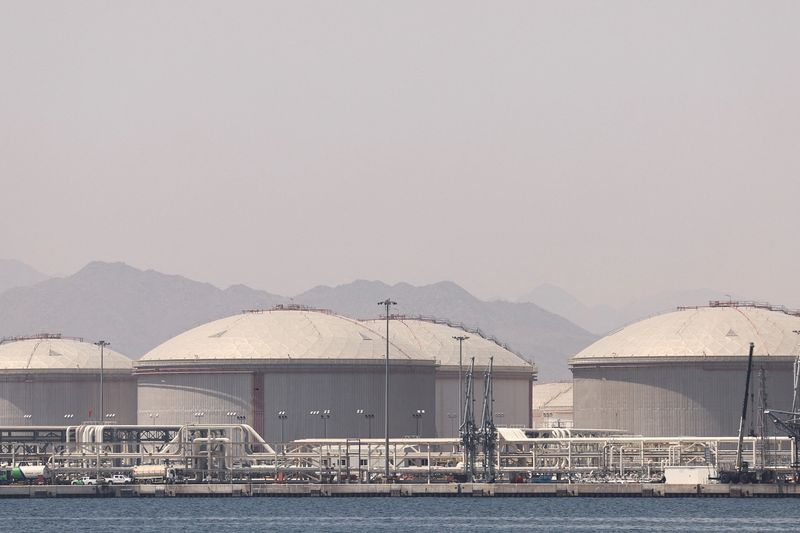
- Oil Price Surge Impact: Occidental Petroleum (OXY) benefited significantly from a more than 50% spike in oil prices in March due to the Iran war, resulting in a 22.5% increase in its stock price, indicating enhanced profitability in a high oil price environment.
- Capital Expenditure Adjustment: Occidental reduced its capital spending in the Permian Basin from $3.9 billion to $3.1 billion while maintaining output, and this focus on efficiency has driven optimism about future capital returns and debt repayment capabilities.
- Debt Repayment Potential: After acquiring Anadarko Petroleum in 2019, Occidental took on $20.4 billion in debt, but through the sale of its chemicals business and rising oil prices, it could repay a significant portion of this debt if prices remain above $100, thereby improving its financial health.
- Positive Market Outlook: Analyst upgrades reflect confidence in Occidental's profitability and cash flow improvement in a high oil price environment, suggesting that the current stock price may be undervalued if elevated oil prices persist.
Trade with 70% Backtested Accuracy
Stop guessing "Should I Buy OXY?" and start using high-conviction signals backed by rigorous historical data.
Sign up today to access powerful investing tools and make smarter, data-driven decisions.
Analyst Views on OXY
Wall Street analysts forecast OXY stock price to fall
16 Analyst Rating
4 Buy
9 Hold
3 Sell
Hold
Current: 58.810

Low
38.00
Averages
47.27
High
64.00
Current: 58.810
Low
38.00
Averages
47.27
High
64.00
About OXY
Occidental Petroleum Corporation is an international energy company with assets primarily in the United States, the Middle East and North Africa. The Company is an oil and gas producer in the United States, including a producer in the Permian and DJ basins, and the offshore Gulf of Mexico. Its segments include oil and gas, and midstream and marketing. The oil and gas segment explores for, develops, and produces oil (which includes condensate), natural gas liquids (NGL) and natural gas. The Company's midstream and marketing segment purchases, markets, gathers, processes, transports, and stores oil (which includes condensate), NGL, natural gas, carbon dioxide (CO2) and power. The midstream and marketing segment provides flow assurance and maximizes the value of its oil and gas. It also optimizes its transportation and storage capacity and invests in entities that conduct similar activities. This segment also includes low-carbon venture businesses.
About the author

Emily J. Thompson
Emily J. Thompson, a Chartered Financial Analyst (CFA) with 12 years in investment research, graduated with honors from the Wharton School. Specializing in industrial and technology stocks, she provides in-depth analysis for Intellectia’s earnings and market brief reports.
Latest Wall Street Rating Updates

- Vipshop Rating Upgrade: UBS upgraded Vipshop (VIPS) from Neutral to Buy, indicating that despite near-term growth pressures, the company's earnings quality and shareholder returns are more attractive, showcasing resilience in a competitive e-commerce landscape.
- Seaport Therapeutics Initiation: JPMorgan initiated coverage on Seaport Therapeutics (SPTX) with an Overweight rating and a price target of $42 for December 2027, reflecting bullish sentiment and highlighting the company's potential for growth in the biotech sector.
- Apple Price Target Increase: Bank of America raised its price target on Apple (AAPL) from $330 to $380, emphasizing significant opportunities in agentic AI, while reiterating a Buy rating, which underscores confidence in the company's future growth trajectory.
- Dave Inc. Initial Rating: UBS initiated coverage on Dave Inc. with a Buy rating and a price target of $300, suggesting that the market underestimates the durability of its high-velocity credit model and earnings growth trajectory, indicating strong future potential.
See More

Occidental Petroleum Beats Q1 Earnings Estimates Significantly

- Earnings Beat: Occidental Petroleum reported Q1 earnings of $1.06 per share, significantly surpassing Wall Street's expectation of $0.59, although management acknowledged that better performance was possible, indicating potential in a high oil price environment.
- Oil Price Impact: With oil prices surging 85% in 2026, most of the increase occurred after March, resulting in Occidental only benefiting briefly from high prices in Q1, leading analysts to raise Q2 expectations to $1.58 per share.
- Hedging Challenges: Occidental's hedging strategy created headwinds in Q1, as it faced similar losses to Exxon and Chevron despite being less exposed to the Middle East, impacting short-term profitability.
- Strategic Restructuring: By selling its downstream business at the beginning of 2026, Occidental avoided the weak performance seen in refining operations, demonstrating effective strategic adjustments to optimize its business structure in a rising oil price environment.
See More

Impact of Rising Oil Prices on Oil Companies
- Oil Price Surge Context: The geopolitical conflict in the Middle East has driven oil prices up by 85% in 2026; however, major oil companies like Occidental Petroleum (OXY) have not fully benefited, reflecting the complex impacts of regional exposure, timing, and hedging activities.
- Occidental's Earnings Beat: Occidental Petroleum reported earnings of $1.06 per share in Q1, significantly exceeding Wall Street's expectation of $0.59, although management acknowledged that the company could have performed better, indicating market expectations for future performance.
- Hedging Activity Impact: Occidental's hedging strategy negatively impacted its Q1 results, despite lower exposure to the Middle East, leading to short-term earnings pressure; however, improvements are anticipated in Q2 as hedged shipments are delivered.
- Competitor Performance Variance: ExxonMobil (XOM) and Chevron (CVX) also faced hedging impacts in Q1, achieving earnings of $1.16 and $1.41 per share respectively, both surpassing expectations, but incurring hedging losses of $700 million and $2.9 billion, highlighting the differing strategies companies employ to navigate market volatility.
See More

U.S. Stocks Rally as Investors Eye Middle East Developments


- Market Rally: The S&P 500 is on track for its eighth consecutive weekly gain, reflecting growing investor optimism regarding de-escalation in the Middle East and increased confidence in economic recovery.
- Dow Jones Surge: The Dow Jones Industrial Average rose by 276.31 points to a record close, indicating positive market sentiment towards U.S.-Iran peace negotiations, which could attract further investments.
- Oil Price Volatility: Oil prices resumed their rally after three days of declines, with Brent and U.S. West Texas Intermediate futures both advancing around 2%, highlighting market concerns over energy supply and geopolitical uncertainties.
- Quantum Computing Investment: The U.S. government announced $2 billion in grants to nine firms, with IBM receiving $1 billion, significantly boosting quantum computing stocks and showcasing the ongoing investment surge in the tech sector.
See More

Goldman Sachs Upgrades Occidental Petroleum to Neutral with $64 Price Target
- Rating Upgrade: Goldman Sachs upgraded Occidental Petroleum (OXY) from Sell to Neutral with a price target increase from $57 to $64, indicating growing market confidence in the company's future performance despite a 0.5% decline in stock price on Thursday.
- De-leveraging Efforts: Occidental has significantly reduced its balance sheet leverage through non-core asset sales and the divestiture of OxyChem, positioning itself to meet a long-term net debt target of under $10 billion amid elevated crude prices and ongoing Middle East supply disruptions.
- Capital Efficiency Improvement: Analysts noted that Occidental emerged from Q1 earnings with increased confidence in executing a more capital-efficient plan for FY 2026, with expectations for further capital efficiencies in 2027 and beyond, enhancing financial stability and profitability.
- Strategic Shift: The company is transitioning from a focus on resource acquisition through M&A to an emphasis on operational execution of its existing asset base, reducing operating costs and driving capital efficiencies, which is expected to generate greater cash flow and long-term value for shareholders.
See More

Occidental Petroleum Reports Strong Q1 Earnings Beat Amid Revenue Miss
- Earnings Beat: Occidental Petroleum reported adjusted earnings of $1.06 per share for Q1, surpassing the consensus estimate of $0.59, with net income soaring to $3.2 billion, largely driven by the $9.7 billion sale of OxyChem.
- Production Guidance Met: The company achieved a production rate of 1.426 million barrels per day, hitting the high end of its guidance, showcasing robust operational capabilities amid Middle East tensions, although revenue of $5.23 billion fell short of Wall Street's $5.67 billion forecast.
- Significant Debt Reduction: Occidental has successfully reduced its debt from nearly $29 billion to $13.3 billion over 22 months, unlocking $830 million in annual interest savings, which enhances financial flexibility and future investment capacity.
- Divergent Analyst Sentiment: Despite strong fundamentals, analysts are divided on the stock's outlook, with some suggesting that the current price range of $59-$60 reflects geopolitical risk premiums, potentially limiting further upside potential.
See More
Latest Wall Street Rating Updates
- Vipshop Rating Upgrade: UBS upgraded Vipshop (VIPS) from Neutral to Buy, indicating that despite near-term growth pressures, the company's earnings quality and shareholder returns are more attractive, showcasing resilience in a competitive e-commerce landscape.
- Seaport Therapeutics Initiation: JPMorgan initiated coverage on Seaport Therapeutics (SPTX) with an Overweight rating and a price target of $42 for December 2027, reflecting bullish sentiment and highlighting the company's potential for growth in the biotech sector.
- Apple Price Target Increase: Bank of America raised its price target on Apple (AAPL) from $330 to $380, emphasizing significant opportunities in agentic AI, while reiterating a Buy rating, which underscores confidence in the company's future growth trajectory.
- Dave Inc. Initial Rating: UBS initiated coverage on Dave Inc. with a Buy rating and a price target of $300, suggesting that the market underestimates the durability of its high-velocity credit model and earnings growth trajectory, indicating strong future potential.
See More
Occidental Petroleum Beats Q1 Earnings Estimates Significantly
- Earnings Beat: Occidental Petroleum reported Q1 earnings of $1.06 per share, significantly surpassing Wall Street's expectation of $0.59, although management acknowledged that better performance was possible, indicating potential in a high oil price environment.
- Oil Price Impact: With oil prices surging 85% in 2026, most of the increase occurred after March, resulting in Occidental only benefiting briefly from high prices in Q1, leading analysts to raise Q2 expectations to $1.58 per share.
- Hedging Challenges: Occidental's hedging strategy created headwinds in Q1, as it faced similar losses to Exxon and Chevron despite being less exposed to the Middle East, impacting short-term profitability.
- Strategic Restructuring: By selling its downstream business at the beginning of 2026, Occidental avoided the weak performance seen in refining operations, demonstrating effective strategic adjustments to optimize its business structure in a rising oil price environment.
See More
Impact of Rising Oil Prices on Oil Companies
- Oil Price Surge Context: The geopolitical conflict in the Middle East has driven oil prices up by 85% in 2026; however, major oil companies like Occidental Petroleum (OXY) have not fully benefited, reflecting the complex impacts of regional exposure, timing, and hedging activities.
- Occidental's Earnings Beat: Occidental Petroleum reported earnings of $1.06 per share in Q1, significantly exceeding Wall Street's expectation of $0.59, although management acknowledged that the company could have performed better, indicating market expectations for future performance.
- Hedging Activity Impact: Occidental's hedging strategy negatively impacted its Q1 results, despite lower exposure to the Middle East, leading to short-term earnings pressure; however, improvements are anticipated in Q2 as hedged shipments are delivered.
- Competitor Performance Variance: ExxonMobil (XOM) and Chevron (CVX) also faced hedging impacts in Q1, achieving earnings of $1.16 and $1.41 per share respectively, both surpassing expectations, but incurring hedging losses of $700 million and $2.9 billion, highlighting the differing strategies companies employ to navigate market volatility.
See More
U.S. Stocks Rally as Investors Eye Middle East Developments
- Market Rally: The S&P 500 is on track for its eighth consecutive weekly gain, reflecting growing investor optimism regarding de-escalation in the Middle East and increased confidence in economic recovery.
- Dow Jones Surge: The Dow Jones Industrial Average rose by 276.31 points to a record close, indicating positive market sentiment towards U.S.-Iran peace negotiations, which could attract further investments.
- Oil Price Volatility: Oil prices resumed their rally after three days of declines, with Brent and U.S. West Texas Intermediate futures both advancing around 2%, highlighting market concerns over energy supply and geopolitical uncertainties.
- Quantum Computing Investment: The U.S. government announced $2 billion in grants to nine firms, with IBM receiving $1 billion, significantly boosting quantum computing stocks and showcasing the ongoing investment surge in the tech sector.
See More
Goldman Sachs Upgrades Occidental Petroleum to Neutral with $64 Price Target
- Rating Upgrade: Goldman Sachs upgraded Occidental Petroleum (OXY) from Sell to Neutral with a price target increase from $57 to $64, indicating growing market confidence in the company's future performance despite a 0.5% decline in stock price on Thursday.
- De-leveraging Efforts: Occidental has significantly reduced its balance sheet leverage through non-core asset sales and the divestiture of OxyChem, positioning itself to meet a long-term net debt target of under $10 billion amid elevated crude prices and ongoing Middle East supply disruptions.
- Capital Efficiency Improvement: Analysts noted that Occidental emerged from Q1 earnings with increased confidence in executing a more capital-efficient plan for FY 2026, with expectations for further capital efficiencies in 2027 and beyond, enhancing financial stability and profitability.
- Strategic Shift: The company is transitioning from a focus on resource acquisition through M&A to an emphasis on operational execution of its existing asset base, reducing operating costs and driving capital efficiencies, which is expected to generate greater cash flow and long-term value for shareholders.
See More
Occidental Petroleum Reports Strong Q1 Earnings Beat Amid Revenue Miss
- Earnings Beat: Occidental Petroleum reported adjusted earnings of $1.06 per share for Q1, surpassing the consensus estimate of $0.59, with net income soaring to $3.2 billion, largely driven by the $9.7 billion sale of OxyChem.
- Production Guidance Met: The company achieved a production rate of 1.426 million barrels per day, hitting the high end of its guidance, showcasing robust operational capabilities amid Middle East tensions, although revenue of $5.23 billion fell short of Wall Street's $5.67 billion forecast.
- Significant Debt Reduction: Occidental has successfully reduced its debt from nearly $29 billion to $13.3 billion over 22 months, unlocking $830 million in annual interest savings, which enhances financial flexibility and future investment capacity.
- Divergent Analyst Sentiment: Despite strong fundamentals, analysts are divided on the stock's outlook, with some suggesting that the current price range of $59-$60 reflects geopolitical risk premiums, potentially limiting further upside potential.
See More