Nvidia's Stock Could Double in Three Years
Written by Emily J. Thompson, Senior Investment Analyst
Updated: 1 hour ago
0mins
Should l Buy NVDA?
Source: Fool
- Stock Performance: Nvidia's shares have surged approximately 525% over the past three years, establishing it as a top market performer; while another similar increase may be unlikely, significant upside remains.
- AI Chip Sales Forecast: Nvidia anticipates cumulative sales of its Blackwell and Rubin chips to reach $1 trillion by the end of 2027, indicating robust growth potential in the AI chip sector.
- Revenue Projections: Wall Street analysts expect Nvidia to add another $110 billion in sales next fiscal year, which, combined with the current $480 billion projection, could lead to total revenues of $600 billion, further solidifying its market position.
- Profitability Analysis: Assuming Nvidia maintains a 50% profit margin and trades at a reasonable 30 times trailing earnings in three years, the stock price could reach $370, indicating substantial upside from its current price of $168.
Trade with 70% Backtested Accuracy
Stop guessing "Should I Buy NVDA?" and start using high-conviction signals backed by rigorous historical data.
Sign up today to access powerful investing tools and make smarter, data-driven decisions.
Analyst Views on NVDA
Wall Street analysts forecast NVDA stock price to rise
41 Analyst Rating
39 Buy
1 Hold
1 Sell
Strong Buy
Current: 171.240

Low
200.00
Averages
264.97
High
352.00
Current: 171.240
Low
200.00
Averages
264.97
High
352.00
About NVDA
NVIDIA Corporation is a full-stack computing infrastructure company. The Company is engaged in accelerated computing to help solve the challenging computational problems. The Company’s segments include Compute & Networking and Graphics. The Compute & Networking segment includes its Data Center accelerated computing platforms and artificial intelligence (AI) solutions and software; networking; automotive platforms and autonomous and electric vehicle solutions; Jetson for robotics and other embedded platforms, and DGX Cloud computing services. The Graphics segment includes GeForce GPUs for gaming and PCs, the GeForce NOW game streaming service and related infrastructure, and solutions for gaming platforms; Quadro/NVIDIA RTX GPUs for enterprise workstation graphics; virtual GPU software for cloud-based visual and virtual computing; automotive platforms for infotainment systems, and Omniverse Enterprise software for building and operating industrial AI and digital twin applications.
About the author

Emily J. Thompson
Emily J. Thompson, a Chartered Financial Analyst (CFA) with 12 years in investment research, graduated with honors from the Wharton School. Specializing in industrial and technology stocks, she provides in-depth analysis for Intellectia’s earnings and market brief reports.
Nvidia's Stock Could Double in Three Years

- Stock Performance: Nvidia's shares have surged approximately 525% over the past three years, establishing it as a top market performer; while another similar increase may be unlikely, significant upside remains.
- AI Chip Sales Forecast: Nvidia anticipates cumulative sales of its Blackwell and Rubin chips to reach $1 trillion by the end of 2027, indicating robust growth potential in the AI chip sector.
- Revenue Projections: Wall Street analysts expect Nvidia to add another $110 billion in sales next fiscal year, which, combined with the current $480 billion projection, could lead to total revenues of $600 billion, further solidifying its market position.
- Profitability Analysis: Assuming Nvidia maintains a 50% profit margin and trades at a reasonable 30 times trailing earnings in three years, the stock price could reach $370, indicating substantial upside from its current price of $168.
See More

Arm Holdings Stock Surges 200% Post-IPO with Ambitious Growth Plans


- Strong IPO Performance: Arm Holdings went public on September 14, 2023, and its stock has surged over 200% since then, significantly outpacing the S&P 500's 45% gain during the same period, indicating strong market confidence in its growth potential.
- Robust Revenue Growth: In the third quarter of fiscal 2026, Arm generated $1.2 billion in revenue, a 26% year-over-year increase, with a gross margin exceeding 97%, showcasing solid financial performance despite high R&D expenditures that limited adjusted EPS growth to 10%.
- AI Chip Launch: Arm announced the debut of its AGI CPU, designed specifically for data centers and featuring 64 CPUs with 8,700 cores, which is expected to drive annual revenue growth to $15 billion over the next five years, highlighting its competitive strength in the AI sector.
- Optimistic Future Outlook: Management forecasts total revenue of $25 billion by fiscal 2031, with an EPS target of $9, suggesting a potential stock price increase of 318% to $657, reflecting the market's optimistic expectations for its long-term growth trajectory.
See More
Renewed Interest in Small Modular Reactors Amid AI Power Needs

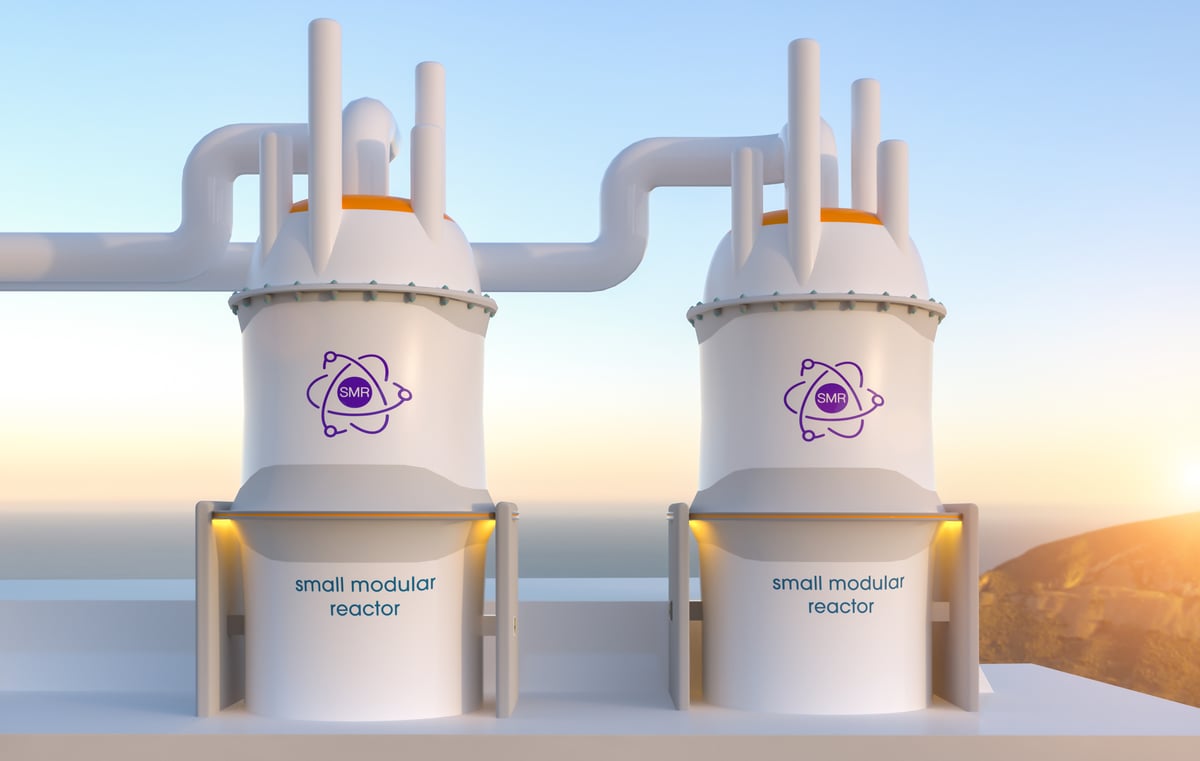
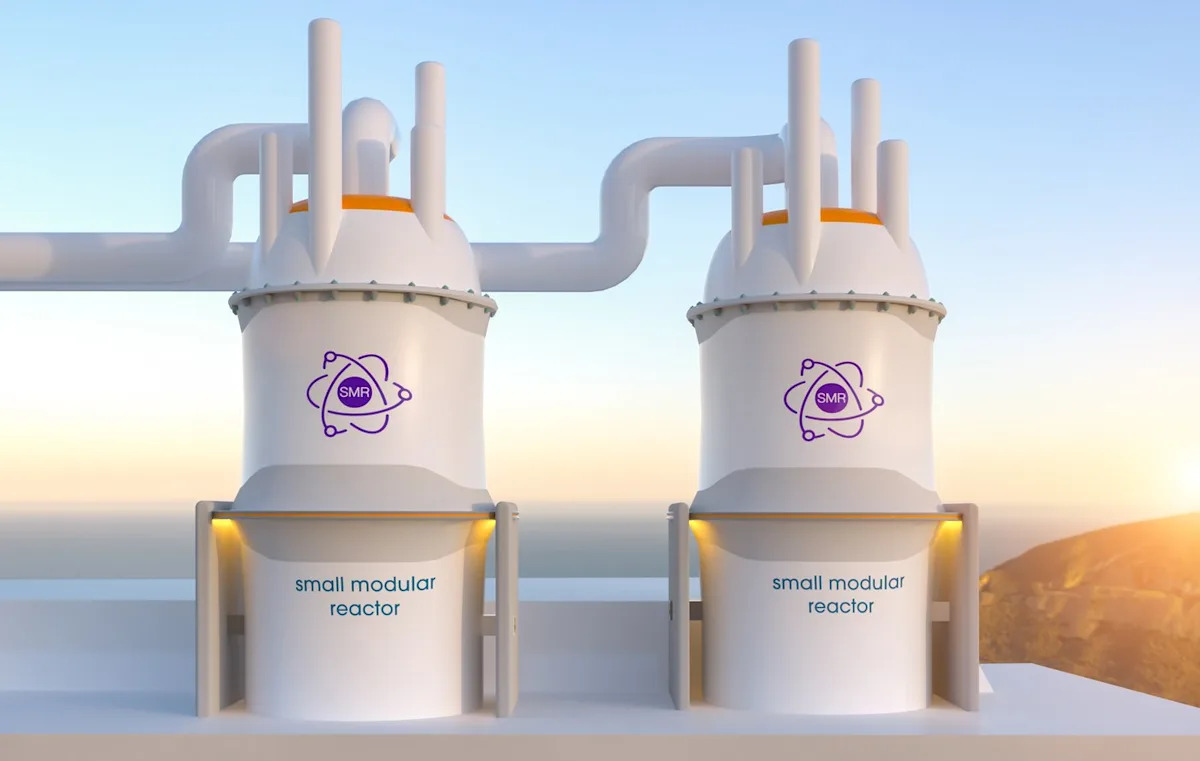
- SMR Technology Focus: NuScale Power is dedicated to developing small modular reactors (SMRs) and has received approval from the Tennessee Valley Authority (TVA) to deploy 6 gigawatts of power across seven states, marking a significant advancement in the practical application of this technology.
- Funding Support and Project Dependency: With a $400 million government grant, NuScale's revenue is primarily tied to its project with Romania's RoPower, expected to generate $63.1 million between Q2 2024 and Q4 2025; however, revenue volatility indicates risks in its business model.
- Market Competition and Regulatory Edge: While BWX Technologies and Rolls-Royce are financially stronger, NuScale is the only SMR design approved by the U.S. Nuclear Regulatory Commission (NRC), providing it with a unique competitive advantage in the market.
- Investment Risks and Outlook: Although NuScale is leading in the commercialization of SMR technology, its reliance on unstable revenue and investor funding necessitates cautious consideration of its potential as a speculative investment.
See More
Jared Isaacman's Ambitious NASA Plans Unveiled
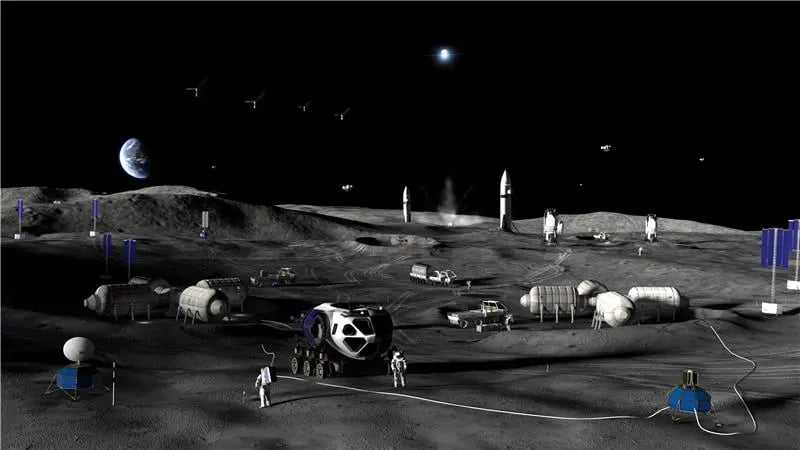
- Artemis Program: NASA is set to implement the Artemis program over the next five years, with Phase 1 costing $10 billion, aiming to launch a crewed Orion spacecraft for lunar exploration, marking a significant step in America's return to the moon.
- Robotic Missions: During Phase 1, NASA will conduct at least 30 robotic missions deploying cargo landers to test equipment and lay the groundwork for a future lunar base, significantly advancing technological capabilities in lunar exploration.
- International Collaboration: The second and third phases of the Artemis program will involve international partnerships, with deliveries of Multipurpose Habitats from Italy and a Lunar Utility Vehicle from Canada, further enhancing the U.S.'s leadership in global space exploration.
- Nuclear-Powered Spacecraft: NASA plans to launch the first nuclear-powered interplanetary spacecraft in 2028, equipped with a 25-kilowatt nuclear reactor to travel to Mars, providing a new power solution for future deep-space exploration.
See More

US Navy's New Battleship Plans and Railgun Technology

- Warship Design Timeline: The USS Gerald R. Ford took over 12 years from design to commissioning, highlighting the complexity and time costs associated with modern warship construction, which impacts defense budgets and delivery schedules.
- Specifications and Performance: The USS Defiant is planned to be between 840 and 880 feet long, displacing over 35,000 tons, with a projected speed of 30 knots and equipped with advanced weaponry including hypersonic missiles and laser cannons, enhancing naval combat capabilities.
- Railgun Technology Revival: The Pentagon has revived efforts to design and build railguns, with prototype testing expected in 2025, capable of accelerating projectiles to 4,600 miles per hour with a range of 110 miles, significantly boosting the Navy's firepower delivery capabilities.
- Investment Opportunity Analysis: While BAE Systems is the current manufacturer of the railgun prototype, analysts suggest that investors should evaluate other potential stocks before making decisions, indicating a cautious market outlook on defense technology investments.
See More

Trane Technologies Advances in DOE HVAC Challenge

- DOE Challenge Progress: Trane Technologies' heat pump solutions have advanced to real-world field trials in the U.S. Department of Energy's Commercial Building HVAC Technology Challenge after exceeding efficiency requirements, which is expected to significantly enhance the company's market competitiveness in energy savings and cold climate performance.
- Deepening NVIDIA Partnership: The company's collaboration with NVIDIA on thermal management for large AI data centers is strengthening, with updated reference designs supporting higher power density and complex computing loads, indicating a strategic positioning in the AI infrastructure sector.
- Significant Energy Savings Potential: Trane's rooftop units and smaller systems have excelled in lab testing, with the DOE citing potential energy cost reductions of up to 50% compared to conventional units, which is likely to attract more building owners to its products.
- Market Risks and Opportunities: While increased reliance on AI data centers may pose concentration risks, Trane Technologies' product differentiation and energy-saving advantages are expected to support sustained growth in the commercial HVAC segment.
See More
Nvidia's Stock Could Double in Three Years
- Stock Performance: Nvidia's shares have surged approximately 525% over the past three years, establishing it as a top market performer; while another similar increase may be unlikely, significant upside remains.
- AI Chip Sales Forecast: Nvidia anticipates cumulative sales of its Blackwell and Rubin chips to reach $1 trillion by the end of 2027, indicating robust growth potential in the AI chip sector.
- Revenue Projections: Wall Street analysts expect Nvidia to add another $110 billion in sales next fiscal year, which, combined with the current $480 billion projection, could lead to total revenues of $600 billion, further solidifying its market position.
- Profitability Analysis: Assuming Nvidia maintains a 50% profit margin and trades at a reasonable 30 times trailing earnings in three years, the stock price could reach $370, indicating substantial upside from its current price of $168.
See More
Arm Holdings Stock Surges 200% Post-IPO with Ambitious Growth Plans
- Strong IPO Performance: Arm Holdings went public on September 14, 2023, and its stock has surged over 200% since then, significantly outpacing the S&P 500's 45% gain during the same period, indicating strong market confidence in its growth potential.
- Robust Revenue Growth: In the third quarter of fiscal 2026, Arm generated $1.2 billion in revenue, a 26% year-over-year increase, with a gross margin exceeding 97%, showcasing solid financial performance despite high R&D expenditures that limited adjusted EPS growth to 10%.
- AI Chip Launch: Arm announced the debut of its AGI CPU, designed specifically for data centers and featuring 64 CPUs with 8,700 cores, which is expected to drive annual revenue growth to $15 billion over the next five years, highlighting its competitive strength in the AI sector.
- Optimistic Future Outlook: Management forecasts total revenue of $25 billion by fiscal 2031, with an EPS target of $9, suggesting a potential stock price increase of 318% to $657, reflecting the market's optimistic expectations for its long-term growth trajectory.
See More
Renewed Interest in Small Modular Reactors Amid AI Power Needs
- SMR Technology Focus: NuScale Power is dedicated to developing small modular reactors (SMRs) and has received approval from the Tennessee Valley Authority (TVA) to deploy 6 gigawatts of power across seven states, marking a significant advancement in the practical application of this technology.
- Funding Support and Project Dependency: With a $400 million government grant, NuScale's revenue is primarily tied to its project with Romania's RoPower, expected to generate $63.1 million between Q2 2024 and Q4 2025; however, revenue volatility indicates risks in its business model.
- Market Competition and Regulatory Edge: While BWX Technologies and Rolls-Royce are financially stronger, NuScale is the only SMR design approved by the U.S. Nuclear Regulatory Commission (NRC), providing it with a unique competitive advantage in the market.
- Investment Risks and Outlook: Although NuScale is leading in the commercialization of SMR technology, its reliance on unstable revenue and investor funding necessitates cautious consideration of its potential as a speculative investment.
See More
Jared Isaacman's Ambitious NASA Plans Unveiled
- Artemis Program: NASA is set to implement the Artemis program over the next five years, with Phase 1 costing $10 billion, aiming to launch a crewed Orion spacecraft for lunar exploration, marking a significant step in America's return to the moon.
- Robotic Missions: During Phase 1, NASA will conduct at least 30 robotic missions deploying cargo landers to test equipment and lay the groundwork for a future lunar base, significantly advancing technological capabilities in lunar exploration.
- International Collaboration: The second and third phases of the Artemis program will involve international partnerships, with deliveries of Multipurpose Habitats from Italy and a Lunar Utility Vehicle from Canada, further enhancing the U.S.'s leadership in global space exploration.
- Nuclear-Powered Spacecraft: NASA plans to launch the first nuclear-powered interplanetary spacecraft in 2028, equipped with a 25-kilowatt nuclear reactor to travel to Mars, providing a new power solution for future deep-space exploration.
See More
US Navy's New Battleship Plans and Railgun Technology
- Warship Design Timeline: The USS Gerald R. Ford took over 12 years from design to commissioning, highlighting the complexity and time costs associated with modern warship construction, which impacts defense budgets and delivery schedules.
- Specifications and Performance: The USS Defiant is planned to be between 840 and 880 feet long, displacing over 35,000 tons, with a projected speed of 30 knots and equipped with advanced weaponry including hypersonic missiles and laser cannons, enhancing naval combat capabilities.
- Railgun Technology Revival: The Pentagon has revived efforts to design and build railguns, with prototype testing expected in 2025, capable of accelerating projectiles to 4,600 miles per hour with a range of 110 miles, significantly boosting the Navy's firepower delivery capabilities.
- Investment Opportunity Analysis: While BAE Systems is the current manufacturer of the railgun prototype, analysts suggest that investors should evaluate other potential stocks before making decisions, indicating a cautious market outlook on defense technology investments.
See More
Trane Technologies Advances in DOE HVAC Challenge
- DOE Challenge Progress: Trane Technologies' heat pump solutions have advanced to real-world field trials in the U.S. Department of Energy's Commercial Building HVAC Technology Challenge after exceeding efficiency requirements, which is expected to significantly enhance the company's market competitiveness in energy savings and cold climate performance.
- Deepening NVIDIA Partnership: The company's collaboration with NVIDIA on thermal management for large AI data centers is strengthening, with updated reference designs supporting higher power density and complex computing loads, indicating a strategic positioning in the AI infrastructure sector.
- Significant Energy Savings Potential: Trane's rooftop units and smaller systems have excelled in lab testing, with the DOE citing potential energy cost reductions of up to 50% compared to conventional units, which is likely to attract more building owners to its products.
- Market Risks and Opportunities: While increased reliance on AI data centers may pose concentration risks, Trane Technologies' product differentiation and energy-saving advantages are expected to support sustained growth in the commercial HVAC segment.
See More