Nvidia's Huang Indicates $30B OpenAI Investment Could Be Final Deal Before IPO
Written by Emily J. Thompson, Senior Investment Analyst
Updated: Mar 04 2026
0mins
Should l Buy NVDA?
Source: stocktwits
Nvidia's Investment in OpenAI: Nvidia CEO Jensen Huang announced a recent $30 billion investment in AI startup OpenAI, which may be the last investment before the company goes public.
Potential for Additional Investment: Huang mentioned the possibility of investing an additional $100 billion in OpenAI, contingent on the startup's capacity needs, which were discussed in a deal last September.
Nvidia's Rivals: The CEO also indicated that Nvidia's $10 billion investment in rival Anthropic could potentially be its last round of funding.
Future Revenue Expectations: Huang expressed confidence that if Nvidia provides the necessary capacity, the revenues from these investments will exceed expectations.
Trade with 70% Backtested Accuracy
Stop guessing "Should I Buy NVDA?" and start using high-conviction signals backed by rigorous historical data.
Sign up today to access powerful investing tools and make smarter, data-driven decisions.
Analyst Views on NVDA
Wall Street analysts forecast NVDA stock price to rise
41 Analyst Rating
39 Buy
1 Hold
1 Sell
Strong Buy
Current: 174.400

Low
200.00
Averages
264.97
High
352.00
Current: 174.400
Low
200.00
Averages
264.97
High
352.00
About NVDA
NVIDIA Corporation is an artificial intelligence (AI) infrastructure company. The Company is engaged in accelerated computing to help solve the challenging computational problems. Its segments include Compute & Networking and Graphics. The Compute & Networking segment includes its Data Center accelerated computing and networking platforms and AI solutions and software, and automotive platforms and autonomous and electric vehicle solutions, including software. The Graphics segment includes GeForce GPUs for gaming and personal computers (PCs), and Quadro/NVIDIA RTX GPUs for enterprise workstation graphics. Its technology stack includes the foundational NVIDIA CUDA development platform that runs on all NVIDIA GPUs, as well as hundreds of domain-specific software libraries, frameworks, algorithms, software development kits (SDKs), and application programming interfaces (APIs). Its platforms address four markets, which include Data Center, Gaming, Professional Visualization, and Automotive.
About the author

Emily J. Thompson
Emily J. Thompson, a Chartered Financial Analyst (CFA) with 12 years in investment research, graduated with honors from the Wharton School. Specializing in industrial and technology stocks, she provides in-depth analysis for Intellectia’s earnings and market brief reports.

Nvidia Reports 65% Revenue Growth in Fiscal 2026

- Significant Revenue Growth: Nvidia reported a revenue of $215.9 billion for fiscal 2026, reflecting a 65% year-over-year increase, despite a 10.2% decline in stock price so far in 2026, indicating market concerns about the sustainability of AI infrastructure spending.
- Robust AI Demand Outlook: CEO Jensen Huang announced at the GTC AI Conference that demand for AI systems is projected to reach at least $1 trillion in 2026 and 2027, a substantial increase from the previous estimate of $500 billion, highlighting the long-term trend in AI infrastructure development.
- Diversified Customer Base: Nvidia's business is composed of 60% from hyperscalers and 40% from enterprises, sovereign AI projects, startups, and emerging applications, ensuring that the company is not overly reliant on any single industry, thereby mitigating market risks.
- Continuous Product Innovation: Nvidia is actively launching new products, with ongoing deployments of Hopper systems and ramping up Blackwell systems, while future platforms like Rubin and Feynman are already in development, enhancing the company's competitive edge in the market.
See More
Investors Remain Bullish on Artificial Intelligence Stocks
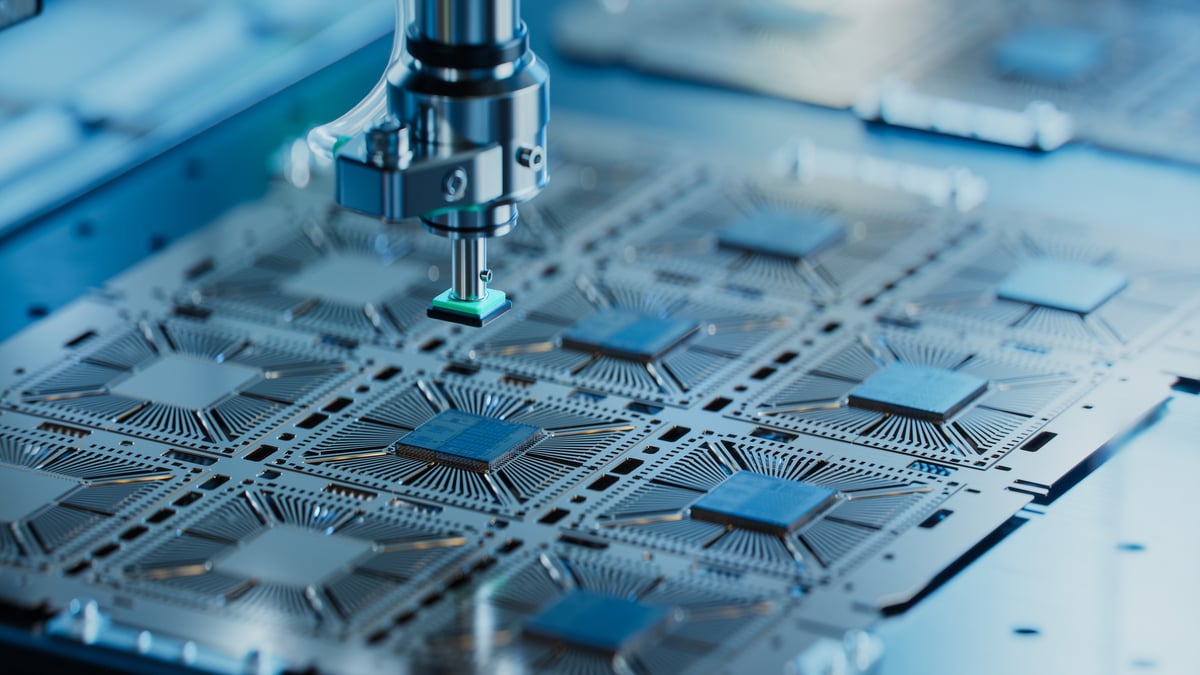
- Investor Confidence: According to recent research by The Motley Fool, 59% of investors surveyed on March 3, 2026, hold AI stocks, indicating strong investor confidence in AI despite the tech sector's slump.
- Youth Engagement: The survey reveals that Gen Z and millennials have the highest AI stock ownership rates at 67% and 66%, respectively, highlighting the younger generation's keen interest and willingness to invest in future technologies.
- Major Investment Plans: Leading tech giants like Alphabet, Amazon, Meta, and Microsoft are projected to spend between $600 billion and $700 billion on AI data centers by 2026, reflecting their commitment to the AI sector and confidence in future growth.
- Nvidia's Success Story: Nvidia's stock has surged 1,190% over the past five years, exemplifying a successful investment in AI infrastructure, which encourages investors to consider opportunities in this rapidly evolving field.
See More
Investment Opportunities Amid AI Stock Market Pullback

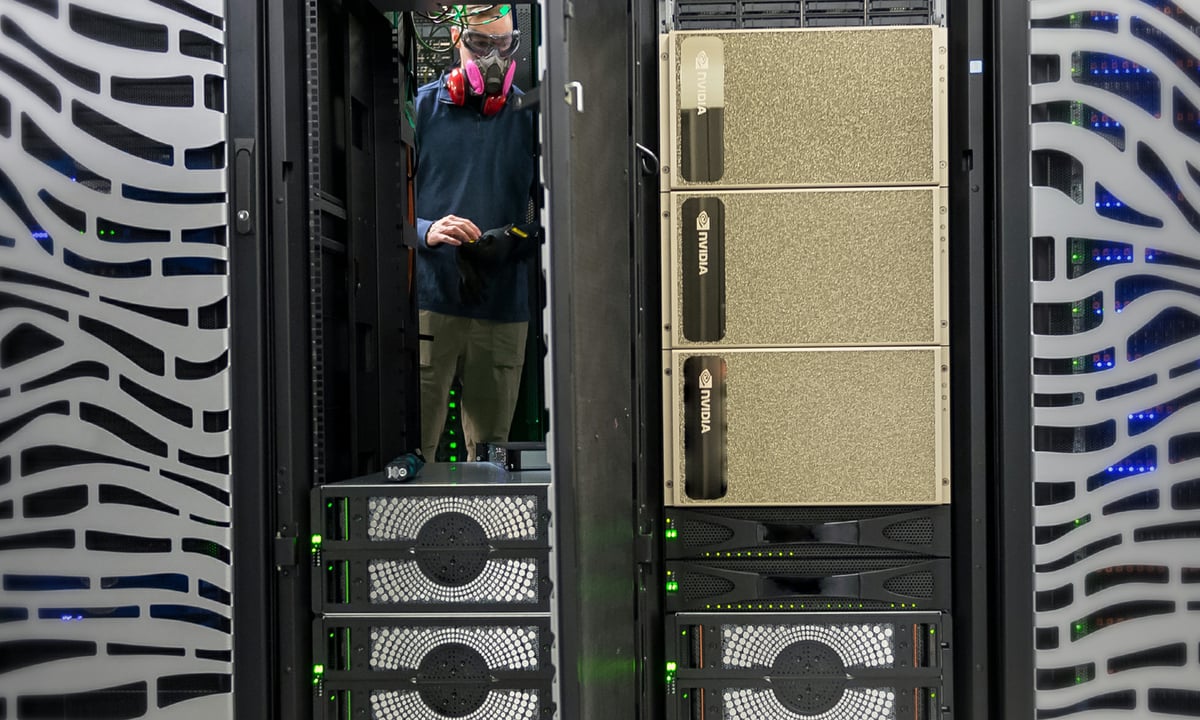
- AI Sector Pullback: The Global X Artificial Intelligence & Technology ETF has declined nearly 9% in 2026, indicating a waning enthusiasm for AI technology; however, this pullback presents a prime opportunity for investors to buy AI stocks like Nvidia and Applied Digital.
- Productivity Gains: Research from Morgan Stanley reveals that companies adopting AI across sectors such as transportation, healthcare, automotive, retail, and real estate are experiencing an average productivity increase of 11.5%, demonstrating the tangible benefits of AI implementation.
- Nvidia's Growth Potential: Nvidia reported a 73% revenue increase in fiscal 2026, reaching $215.9 billion, with guidance suggesting a 77% year-over-year revenue jump for the current quarter, indicating robust demand for its chips and sustainable growth prospects.
- Applied Digital's Expansion Plans: Applied Digital has signed $16 billion in 15-year lease contracts for two data centers and is in advanced talks for three additional campuses, which could significantly boost revenue; analysts have set a 12-month price target of $43.50, suggesting a potential 69% upside.
See More
Intel to Repurchase 49% Stake in Ireland Factory for $14.2 Billion


- Share Buyback Plan: Intel announced it will repurchase its 49% stake in the Fab 34 chip facility in Ireland for $14.2 billion, enhancing its control in chip manufacturing and expected to boost its market competitiveness.
- Increased Financial Flexibility: Intel's CFO stated that this buyback is based on the 2024 agreement with Apollo Global Management, and post-repurchase, the company will have a stronger balance sheet and financial discipline, enabling acceleration of critical initiatives.
- Market Demand Recovery: With the resurgence in demand for central processing units (CPUs), Intel's Fab 34 in Ireland will continue to produce PC and server CPUs, despite its technology nodes being less advanced than the 18A nodes in Arizona, it still meets market needs.
- Strategic Transformation Signal: This buyback signifies Intel's regained market confidence after significant investments and strategic adjustments, highlighting the company's emphasis on CPUs in the AI era, which is expected to drive future growth.
See More
Nvidia Invests $2 Billion in Marvell to Boost AI Chip Compatibility

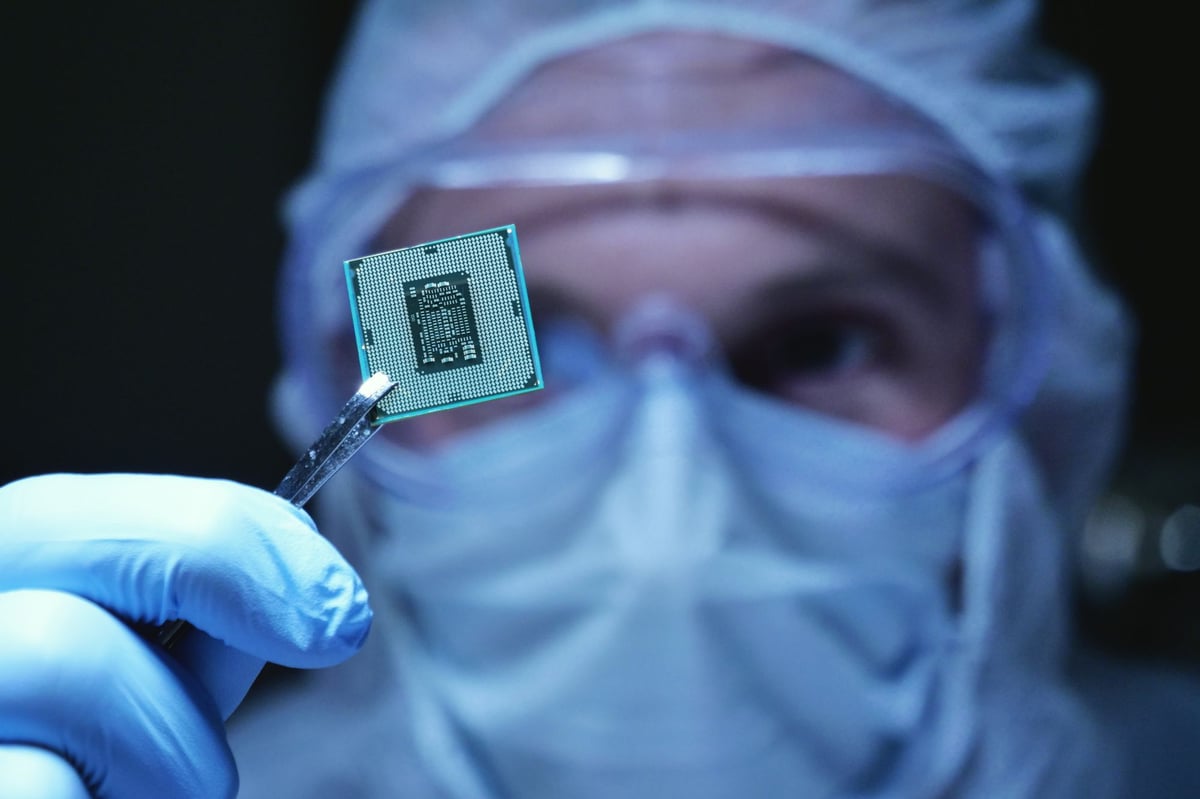
- Strategic Investment: Nvidia has announced a $2 billion investment in Marvell to enhance customer ease of using Marvell's AI chips while ensuring compatibility with Nvidia's infrastructure, effectively expanding Nvidia's ecosystem in the custom chip market.
- Growth Outlook: Marvell reported a 22% year-over-year revenue increase to $2.2 billion in Q4 of fiscal 2026, with full-year revenue reaching $8.2 billion and projections of $15 billion by fiscal 2028, indicating strong growth potential.
- Stock Performance: Marvell's stock has risen approximately 60% over the past 12 months, and with a current market cap of $87 billion, it remains smaller than major players in AI, yet the partnership with Nvidia enhances its competitive position.
- Investment Appeal: With a forward P/E ratio of around 26, which is favorable compared to the S&P 500 average of 24, Marvell's partnership with Nvidia is expected to attract more investor interest in its long-term growth opportunities.
See More

Texas Instruments: Future Dividend King in the Making

- Dividend Appeal: Texas Instruments currently offers a 3% dividend yield, which is near the high end of its historical range, attracting long-term dividend investors and indicating the company's potential for stable returns.
- Sustained Growth: With a 22-year streak of annual dividend increases, Texas Instruments demonstrates a robust strategy in capital investments and future demand preparation, with a reasonable 4% dividend hike expected in 2025.
- Market Demand: Despite investor focus on AI chips, Texas Instruments saw a 70% year-over-year sales increase in Q4 2025 for data center support, underscoring its critical market position and relevance in the tech landscape.
- Digitalization Trend: As the digital transition accelerates, the demand for Texas Instruments' analog chips is expected to grow, with predictions of more dividend increases over the next 38 years, enhancing its potential as a future Dividend King.
See More
Nvidia Reports 65% Revenue Growth in Fiscal 2026
- Significant Revenue Growth: Nvidia reported a revenue of $215.9 billion for fiscal 2026, reflecting a 65% year-over-year increase, despite a 10.2% decline in stock price so far in 2026, indicating market concerns about the sustainability of AI infrastructure spending.
- Robust AI Demand Outlook: CEO Jensen Huang announced at the GTC AI Conference that demand for AI systems is projected to reach at least $1 trillion in 2026 and 2027, a substantial increase from the previous estimate of $500 billion, highlighting the long-term trend in AI infrastructure development.
- Diversified Customer Base: Nvidia's business is composed of 60% from hyperscalers and 40% from enterprises, sovereign AI projects, startups, and emerging applications, ensuring that the company is not overly reliant on any single industry, thereby mitigating market risks.
- Continuous Product Innovation: Nvidia is actively launching new products, with ongoing deployments of Hopper systems and ramping up Blackwell systems, while future platforms like Rubin and Feynman are already in development, enhancing the company's competitive edge in the market.
See More
Investors Remain Bullish on Artificial Intelligence Stocks
- Investor Confidence: According to recent research by The Motley Fool, 59% of investors surveyed on March 3, 2026, hold AI stocks, indicating strong investor confidence in AI despite the tech sector's slump.
- Youth Engagement: The survey reveals that Gen Z and millennials have the highest AI stock ownership rates at 67% and 66%, respectively, highlighting the younger generation's keen interest and willingness to invest in future technologies.
- Major Investment Plans: Leading tech giants like Alphabet, Amazon, Meta, and Microsoft are projected to spend between $600 billion and $700 billion on AI data centers by 2026, reflecting their commitment to the AI sector and confidence in future growth.
- Nvidia's Success Story: Nvidia's stock has surged 1,190% over the past five years, exemplifying a successful investment in AI infrastructure, which encourages investors to consider opportunities in this rapidly evolving field.
See More
Investment Opportunities Amid AI Stock Market Pullback
- AI Sector Pullback: The Global X Artificial Intelligence & Technology ETF has declined nearly 9% in 2026, indicating a waning enthusiasm for AI technology; however, this pullback presents a prime opportunity for investors to buy AI stocks like Nvidia and Applied Digital.
- Productivity Gains: Research from Morgan Stanley reveals that companies adopting AI across sectors such as transportation, healthcare, automotive, retail, and real estate are experiencing an average productivity increase of 11.5%, demonstrating the tangible benefits of AI implementation.
- Nvidia's Growth Potential: Nvidia reported a 73% revenue increase in fiscal 2026, reaching $215.9 billion, with guidance suggesting a 77% year-over-year revenue jump for the current quarter, indicating robust demand for its chips and sustainable growth prospects.
- Applied Digital's Expansion Plans: Applied Digital has signed $16 billion in 15-year lease contracts for two data centers and is in advanced talks for three additional campuses, which could significantly boost revenue; analysts have set a 12-month price target of $43.50, suggesting a potential 69% upside.
See More
Intel to Repurchase 49% Stake in Ireland Factory for $14.2 Billion
- Share Buyback Plan: Intel announced it will repurchase its 49% stake in the Fab 34 chip facility in Ireland for $14.2 billion, enhancing its control in chip manufacturing and expected to boost its market competitiveness.
- Increased Financial Flexibility: Intel's CFO stated that this buyback is based on the 2024 agreement with Apollo Global Management, and post-repurchase, the company will have a stronger balance sheet and financial discipline, enabling acceleration of critical initiatives.
- Market Demand Recovery: With the resurgence in demand for central processing units (CPUs), Intel's Fab 34 in Ireland will continue to produce PC and server CPUs, despite its technology nodes being less advanced than the 18A nodes in Arizona, it still meets market needs.
- Strategic Transformation Signal: This buyback signifies Intel's regained market confidence after significant investments and strategic adjustments, highlighting the company's emphasis on CPUs in the AI era, which is expected to drive future growth.
See More
Nvidia Invests $2 Billion in Marvell to Boost AI Chip Compatibility
- Strategic Investment: Nvidia has announced a $2 billion investment in Marvell to enhance customer ease of using Marvell's AI chips while ensuring compatibility with Nvidia's infrastructure, effectively expanding Nvidia's ecosystem in the custom chip market.
- Growth Outlook: Marvell reported a 22% year-over-year revenue increase to $2.2 billion in Q4 of fiscal 2026, with full-year revenue reaching $8.2 billion and projections of $15 billion by fiscal 2028, indicating strong growth potential.
- Stock Performance: Marvell's stock has risen approximately 60% over the past 12 months, and with a current market cap of $87 billion, it remains smaller than major players in AI, yet the partnership with Nvidia enhances its competitive position.
- Investment Appeal: With a forward P/E ratio of around 26, which is favorable compared to the S&P 500 average of 24, Marvell's partnership with Nvidia is expected to attract more investor interest in its long-term growth opportunities.
See More
Texas Instruments: Future Dividend King in the Making
- Dividend Appeal: Texas Instruments currently offers a 3% dividend yield, which is near the high end of its historical range, attracting long-term dividend investors and indicating the company's potential for stable returns.
- Sustained Growth: With a 22-year streak of annual dividend increases, Texas Instruments demonstrates a robust strategy in capital investments and future demand preparation, with a reasonable 4% dividend hike expected in 2025.
- Market Demand: Despite investor focus on AI chips, Texas Instruments saw a 70% year-over-year sales increase in Q4 2025 for data center support, underscoring its critical market position and relevance in the tech landscape.
- Digitalization Trend: As the digital transition accelerates, the demand for Texas Instruments' analog chips is expected to grow, with predictions of more dividend increases over the next 38 years, enhancing its potential as a future Dividend King.
See More