

Nvidia's Growth Outlook Remains Strong Through 2027
Written by Emily J. Thompson, Senior Investment Analyst
Updated: May 31 2026
0mins


Source: NASDAQ.COM
- Data Center Expenditure Forecast: Nvidia anticipates that data center capital expenditures will reach $1 trillion by 2027, which will drive the entire industry towards an annual spend of $3 trillion to $4 trillion by 2030, indicating robust market demand and growth potential.
- Taiwan Semiconductor's Significant Gains: Taiwan Semiconductor expects its AI chip business to grow at nearly a 60% compounded annual growth rate from 2024 to 2029, and with rising data center expenditures, the company will benefit from the overall increase in chip demand, solidifying its neutral investment position in the AI sector.
- Micron's Surging Market Demand: Micron forecasts that memory chip demand will exceed production capacity by two to three times in 2026, leading to skyrocketing prices and an expected tripling of revenue, showcasing a strong market outlook driven by AI.
- Investment Opportunities in AI Sector: With the strong performance of companies like Nvidia, Taiwan Semiconductor, and Micron, investors should consider these stocks, especially against the backdrop of significant increases in data center capital expenditures, which could yield substantial investment returns.
Trade with 70% Backtested Accuracy
Stop guessing "Should I Buy NVDA?" and start using high-conviction signals backed by rigorous historical data.
Sign up today to access powerful investing tools and make smarter, data-driven decisions.
Analyst Views on NVDA
Wall Street analysts forecast NVDA stock price to rise
41 Analyst Rating
39 Buy
1 Hold
1 Sell
Strong Buy
Current: 210.690

Low
200.00
Averages
264.97
High
352.00
Current: 210.690
Low
200.00
Averages
264.97
High
352.00
About NVDA
NVIDIA Corporation is an artificial intelligence (AI) infrastructure company. The Company is engaged in accelerated computing to help solve the challenging computational problems. Its segments include Compute & Networking and Graphics. The Compute & Networking segment includes its Data Center accelerated computing and networking platforms and AI solutions and software, and automotive platforms and autonomous and electric vehicle solutions, including software. The Graphics segment includes GeForce GPUs for gaming and personal computers (PCs), and Quadro/NVIDIA RTX GPUs for enterprise workstation graphics. Its technology stack includes the foundational NVIDIA CUDA development platform that runs on all NVIDIA GPUs, as well as hundreds of domain-specific software libraries, frameworks, algorithms, software development kits (SDKs), and application programming interfaces (APIs). Its platforms address four markets, which include Data Center, Gaming, Professional Visualization, and Automotive.
About the author

Emily J. Thompson
Emily J. Thompson, a Chartered Financial Analyst (CFA) with 12 years in investment research, graduated with honors from the Wharton School. Specializing in industrial and technology stocks, she provides in-depth analysis for Intellectia’s earnings and market brief reports.

Nvidia's Future Growth Potential is Huge

- Valuation Advantage: Nvidia's forward P/E ratio stands at 23.5, which is lower than the S&P 500's 22, indicating that the market has not fully priced in its future growth potential, allowing investors to buy at a relatively cheap price.
- Strong Revenue Growth: Nvidia reported an astonishing 85% revenue growth last quarter, with Wall Street projecting a 96% increase next quarter and 41% for the following year, showcasing the company's robust competitiveness in a rapidly growing market and indicating significant future profitability.
- Rising Capital Expenditure Expectations: AI hyperscalers are expected to spend around $650 billion in capital expenditures this year, with Nvidia projecting this to rise to $1 trillion by 2027, reflecting strong demand growth in the coming years and further solidifying its market position.
- Long-Term Growth Potential: By 2030, global data center capital expenditures are expected to reach $3 trillion to $4 trillion annually, indicating that Nvidia will continue to experience growth beyond 2027, making it a smart long-term investment opportunity for investors.
See More

Consumer Stock Pullback Creates Investment Opportunities
- J.M. Smucker Strong Performance: J.M. Smucker Co. reported net sales of $2.3 billion for Q4 FY 2026, a 6% increase, with adjusted EPS rising 20%, highlighting the brand's robust demand and market potential as Uncrustables surpassed $1 billion in annual sales.
- Tyson Foods Earnings Beat Expectations: Tyson Foods posted an EPS of $0.87 in Q2 FY 2026, exceeding the expected $0.78, while raising its full-year chicken segment income forecast to $2.05 billion, indicating a recovery momentum in the diversified protein market.
- Hormel Foods Dividend Stability: Hormel Foods has raised its dividend for over 25 consecutive years, currently yielding nearly 4.8%, and despite trading near multi-year lows, it is positioned for potential returns through restructuring and valuation normalization, showcasing its market resilience.
- Consumer Stock Investment Opportunities: Investing $5,000 across these companies allows for effective risk diversification while capitalizing on the long-term growth potential in the food and beverage sector, especially as consumer demand for essential goods remains strong amid economic fluctuations.
See More

Semiconductor Stocks Surge, KLA and Penguin Solutions Stand Out

- Semiconductor Index Hits New High: The Philadelphia Semiconductor Index reached a record high despite a broader Nasdaq decline, driving stocks like KLA and Penguin Solutions up, indicating strong market interest in the semiconductor and AI hardware supply chain.
- NVIDIA Platform Launch: NVIDIA unveiled its Vera Rubin platform at the ISC High Performance conference in Hamburg, delivering over 7 exaflops of AI performance and attracting system builder partners like Bull and Dell, which further fueled investor enthusiasm for related stocks.
- KLA Stock Surge: KLA Corporation's shares rose 2.4%, marking a 111% increase year-to-date and setting a new 52-week high, reflecting investor confidence in its growth potential amid rising AI and semiconductor demand.
- Market Sentiment Divergence: While NVIDIA's stock remained flat and the Nasdaq fell, investors showed a clear preference for semiconductor infrastructure companies over software firms, highlighting the complex market perception of AI technology's impact.
See More

SpaceX Stock Experiences Extreme Volatility Post-IPO

- Extreme Price Volatility: SpaceX's IPO was priced at $135 per share, but the stock surged to nearly $226 before plummeting to $154.60, reflecting a more than 31% drop in just days, indicating high market uncertainty regarding its valuation.
- Market Capitalization Context: Despite the volatility, SpaceX's market cap remains above $2 trillion, a high valuation that underscores investor expectations for its future growth potential, particularly in the artificial intelligence sector.
- AI Market Opportunity: In its IPO prospectus, SpaceX claimed a total addressable market of $28.5 trillion, with over 90% of that opportunity linked to artificial intelligence, highlighting its strategic positioning and long-term growth potential in this area.
- Orbital Data Center Prospects: SpaceX aims to establish orbital data centers to address land and cooling cost challenges faced by terrestrial data centers, with over $7 trillion expected to be deployed globally for data center infrastructure in the coming years, positioning SpaceX to leverage its technological advantages and potentially lead the market.
See More
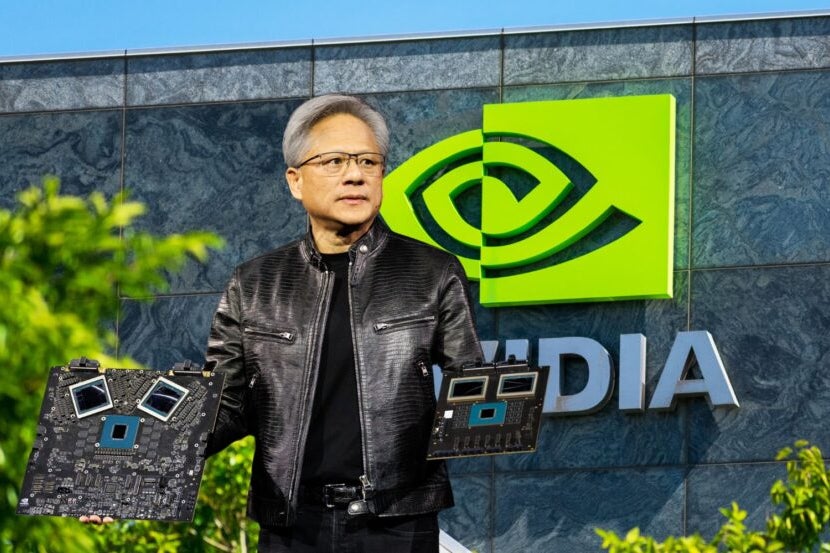
The Illusion of ETF Liquidity and Investment Lessons
- Liquidity Misconception: While ETFs appear to offer strong liquidity during trading, the liquidity of their underlying assets can be affected by market conditions, particularly in emerging markets and niche sectors, potentially exposing investors to price volatility when quick cash is needed.
- Complex Trading Mechanism: The buying and selling process of ETFs is typically managed by authorized participants trading the underlying assets to create and redeem shares; however, under market stress, the ETF's trading price can diverge significantly from its net asset value (NAV), increasing investment risks.
- Long-Term Investment Mindset: The author emphasizes the importance of thoroughly researching the underlying assets of ETFs before investing, as their ease of trading does not guarantee liquidity, and understanding this can help avoid selling at unfavorable times.
- Historical Lessons: By reflecting on past successful investments like Nvidia and Apple, the author reminds investors to remain vigilant and well-prepared when facing potential investment opportunities to avoid missing out on lucrative chances.
See More
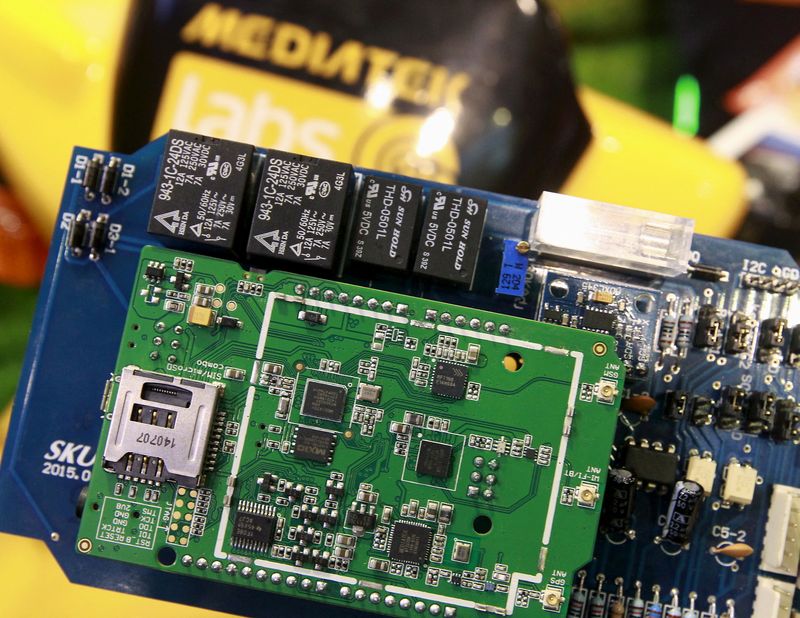
Qualcomm in Talks to Acquire AI Startup Modular for $4 Billion

- Acquisition Negotiations: Qualcomm is in advanced discussions to acquire AI platform startup Modular for approximately $4 billion, marking its second significant investment in AI infrastructure within weeks, indicating a strategic pivot towards AI.
- Valuation Surge: Should the deal close, Modular's valuation would skyrocket from $1.6 billion during its last funding round to $4 billion, reflecting strong market confidence in its AI infrastructure capabilities and future growth potential.
- Challenging Market Leaders: This acquisition aims to position Qualcomm as a formidable competitor to market leader Nvidia, showcasing CEO Cristiano Amon's commitment to transforming the company's focus beyond traditional smartphone processors.
- AI Investment Strategy: Qualcomm's commitment to invest over $14 billion in AI, including negotiations with Tenstorrent, underscores its strategic intent to build a comprehensive AI data center ecosystem in a rapidly evolving market.
See More
Nvidia's Future Growth Potential is Huge
- Valuation Advantage: Nvidia's forward P/E ratio stands at 23.5, which is lower than the S&P 500's 22, indicating that the market has not fully priced in its future growth potential, allowing investors to buy at a relatively cheap price.
- Strong Revenue Growth: Nvidia reported an astonishing 85% revenue growth last quarter, with Wall Street projecting a 96% increase next quarter and 41% for the following year, showcasing the company's robust competitiveness in a rapidly growing market and indicating significant future profitability.
- Rising Capital Expenditure Expectations: AI hyperscalers are expected to spend around $650 billion in capital expenditures this year, with Nvidia projecting this to rise to $1 trillion by 2027, reflecting strong demand growth in the coming years and further solidifying its market position.
- Long-Term Growth Potential: By 2030, global data center capital expenditures are expected to reach $3 trillion to $4 trillion annually, indicating that Nvidia will continue to experience growth beyond 2027, making it a smart long-term investment opportunity for investors.
See More
Consumer Stock Pullback Creates Investment Opportunities
- J.M. Smucker Strong Performance: J.M. Smucker Co. reported net sales of $2.3 billion for Q4 FY 2026, a 6% increase, with adjusted EPS rising 20%, highlighting the brand's robust demand and market potential as Uncrustables surpassed $1 billion in annual sales.
- Tyson Foods Earnings Beat Expectations: Tyson Foods posted an EPS of $0.87 in Q2 FY 2026, exceeding the expected $0.78, while raising its full-year chicken segment income forecast to $2.05 billion, indicating a recovery momentum in the diversified protein market.
- Hormel Foods Dividend Stability: Hormel Foods has raised its dividend for over 25 consecutive years, currently yielding nearly 4.8%, and despite trading near multi-year lows, it is positioned for potential returns through restructuring and valuation normalization, showcasing its market resilience.
- Consumer Stock Investment Opportunities: Investing $5,000 across these companies allows for effective risk diversification while capitalizing on the long-term growth potential in the food and beverage sector, especially as consumer demand for essential goods remains strong amid economic fluctuations.
See More
Semiconductor Stocks Surge, KLA and Penguin Solutions Stand Out
- Semiconductor Index Hits New High: The Philadelphia Semiconductor Index reached a record high despite a broader Nasdaq decline, driving stocks like KLA and Penguin Solutions up, indicating strong market interest in the semiconductor and AI hardware supply chain.
- NVIDIA Platform Launch: NVIDIA unveiled its Vera Rubin platform at the ISC High Performance conference in Hamburg, delivering over 7 exaflops of AI performance and attracting system builder partners like Bull and Dell, which further fueled investor enthusiasm for related stocks.
- KLA Stock Surge: KLA Corporation's shares rose 2.4%, marking a 111% increase year-to-date and setting a new 52-week high, reflecting investor confidence in its growth potential amid rising AI and semiconductor demand.
- Market Sentiment Divergence: While NVIDIA's stock remained flat and the Nasdaq fell, investors showed a clear preference for semiconductor infrastructure companies over software firms, highlighting the complex market perception of AI technology's impact.
See More
SpaceX Stock Experiences Extreme Volatility Post-IPO
- Extreme Price Volatility: SpaceX's IPO was priced at $135 per share, but the stock surged to nearly $226 before plummeting to $154.60, reflecting a more than 31% drop in just days, indicating high market uncertainty regarding its valuation.
- Market Capitalization Context: Despite the volatility, SpaceX's market cap remains above $2 trillion, a high valuation that underscores investor expectations for its future growth potential, particularly in the artificial intelligence sector.
- AI Market Opportunity: In its IPO prospectus, SpaceX claimed a total addressable market of $28.5 trillion, with over 90% of that opportunity linked to artificial intelligence, highlighting its strategic positioning and long-term growth potential in this area.
- Orbital Data Center Prospects: SpaceX aims to establish orbital data centers to address land and cooling cost challenges faced by terrestrial data centers, with over $7 trillion expected to be deployed globally for data center infrastructure in the coming years, positioning SpaceX to leverage its technological advantages and potentially lead the market.
See More
The Illusion of ETF Liquidity and Investment Lessons
- Liquidity Misconception: While ETFs appear to offer strong liquidity during trading, the liquidity of their underlying assets can be affected by market conditions, particularly in emerging markets and niche sectors, potentially exposing investors to price volatility when quick cash is needed.
- Complex Trading Mechanism: The buying and selling process of ETFs is typically managed by authorized participants trading the underlying assets to create and redeem shares; however, under market stress, the ETF's trading price can diverge significantly from its net asset value (NAV), increasing investment risks.
- Long-Term Investment Mindset: The author emphasizes the importance of thoroughly researching the underlying assets of ETFs before investing, as their ease of trading does not guarantee liquidity, and understanding this can help avoid selling at unfavorable times.
- Historical Lessons: By reflecting on past successful investments like Nvidia and Apple, the author reminds investors to remain vigilant and well-prepared when facing potential investment opportunities to avoid missing out on lucrative chances.
See More
Qualcomm in Talks to Acquire AI Startup Modular for $4 Billion
- Acquisition Negotiations: Qualcomm is in advanced discussions to acquire AI platform startup Modular for approximately $4 billion, marking its second significant investment in AI infrastructure within weeks, indicating a strategic pivot towards AI.
- Valuation Surge: Should the deal close, Modular's valuation would skyrocket from $1.6 billion during its last funding round to $4 billion, reflecting strong market confidence in its AI infrastructure capabilities and future growth potential.
- Challenging Market Leaders: This acquisition aims to position Qualcomm as a formidable competitor to market leader Nvidia, showcasing CEO Cristiano Amon's commitment to transforming the company's focus beyond traditional smartphone processors.
- AI Investment Strategy: Qualcomm's commitment to invest over $14 billion in AI, including negotiations with Tenstorrent, underscores its strategic intent to build a comprehensive AI data center ecosystem in a rapidly evolving market.
See More





