Nvidia's Bold Move into AI PC Market Faces Skepticism
Written by Emily J. Thompson, Senior Investment Analyst
Updated: 6 hours ago
0mins

Source: Newsfilter
- Market Uncertainty: Nvidia's introduction of the RTX Spark superchip at Computex is seen as a potential breakthrough for the AI PC market; however, analysts highlight that the concept remains largely unproven, facing challenges from high prices that may not align with tangible benefits.
- Product Positioning: The AI PC from Nvidia targets developers and content creators, and while companies like HP and Dell have proposed similar concepts, market reactions have been tepid, indicating limited consumer acceptance of high-priced products.
- Technological Innovation and Competition: The RTX Spark chip integrates a central processor, graphics engine, and up to 128GB of unified memory, enabling local execution of large AI models, which could reshape user interactions with computers; however, existing AI PCs have underperformed in sales, failing to drive growth for manufacturers.
- Market Challenges and Opportunities: Although HP and Dell stocks surged post-Nvidia's announcement, the overall PC market is projected to decline by 11.3% by 2026, suggesting that despite strong demand for AI PCs, traditional PC sales will continue to dominate, indicating a challenging competitive landscape ahead.
Trade with 70% Backtested Accuracy
Stop guessing "Should I Buy NVDA?" and start using high-conviction signals backed by rigorous historical data.
Sign up today to access powerful investing tools and make smarter, data-driven decisions.
Analyst Views on NVDA
Wall Street analysts forecast NVDA stock price to rise
41 Analyst Rating
39 Buy
1 Hold
1 Sell
Strong Buy
Current: 205.100

Low
200.00
Averages
264.97
High
352.00
Current: 205.100
Low
200.00
Averages
264.97
High
352.00
About NVDA
NVIDIA Corporation is an artificial intelligence (AI) infrastructure company. The Company is engaged in accelerated computing to help solve the challenging computational problems. Its segments include Compute & Networking and Graphics. The Compute & Networking segment includes its Data Center accelerated computing and networking platforms and AI solutions and software, and automotive platforms and autonomous and electric vehicle solutions, including software. The Graphics segment includes GeForce GPUs for gaming and personal computers (PCs), and Quadro/NVIDIA RTX GPUs for enterprise workstation graphics. Its technology stack includes the foundational NVIDIA CUDA development platform that runs on all NVIDIA GPUs, as well as hundreds of domain-specific software libraries, frameworks, algorithms, software development kits (SDKs), and application programming interfaces (APIs). Its platforms address four markets, which include Data Center, Gaming, Professional Visualization, and Automotive.
About the author

Emily J. Thompson
Emily J. Thompson, a Chartered Financial Analyst (CFA) with 12 years in investment research, graduated with honors from the Wharton School. Specializing in industrial and technology stocks, she provides in-depth analysis for Intellectia’s earnings and market brief reports.

Nvidia's Stock Continues to Climb, Market Cap Reaches $5.3 Trillion

- Significant Stock Growth: As of June 4, Nvidia's stock has risen 17% in 2026, reaching a market cap of $5.3 trillion, indicating strong market performance and investor confidence.
- Remarkable Investment Returns: An investment of $10,000 in Nvidia a decade ago would now be worth nearly $1.9 million, yielding a staggering 18,720% return, far surpassing Bitcoin's 11,040% increase, highlighting its leadership in the AI sector.
- Strong Revenue Growth: Nvidia's revenue surged by 1,033% over the past three years, reflecting robust demand for its AI data center hardware and software, solidifying its market dominance.
- Excellent Profit Margins: In Q1 2027, Nvidia reported an operating margin of 65.6%, demonstrating its strong profitability in the rapidly growing AI market.
See More
Trump Meets AI Executives on Government Equity Stakes
- Government Equity Plan: Trump has held private meetings with executives from major AI companies like OpenAI to discuss the government acquiring voluntary equity stakes, which could significantly impact investment structures and market confidence in the AI sector.
- Legislative Proposal Impact: Senator Sanders has introduced legislation mandating the government to acquire 50% equity in AI companies, which, if passed, would profoundly affect companies like Microsoft and Nvidia, potentially constraining private value creation in the industry.
- IPO Uncertainty: OpenAI is anticipated to go public in 2026 with a valuation between $830 billion and $1 trillion, despite projecting $14 billion in losses, and the potential government equity stake could directly influence its IPO valuation.
- Increased Market Risk: Sanders' proposal has raised uncertainties for Microsoft, Nvidia, and Alphabet, as investors worry that government co-ownership could limit future monetization opportunities, thereby increasing short-term market risks.
See More
Apple's Developer Conference to Test AI Capabilities


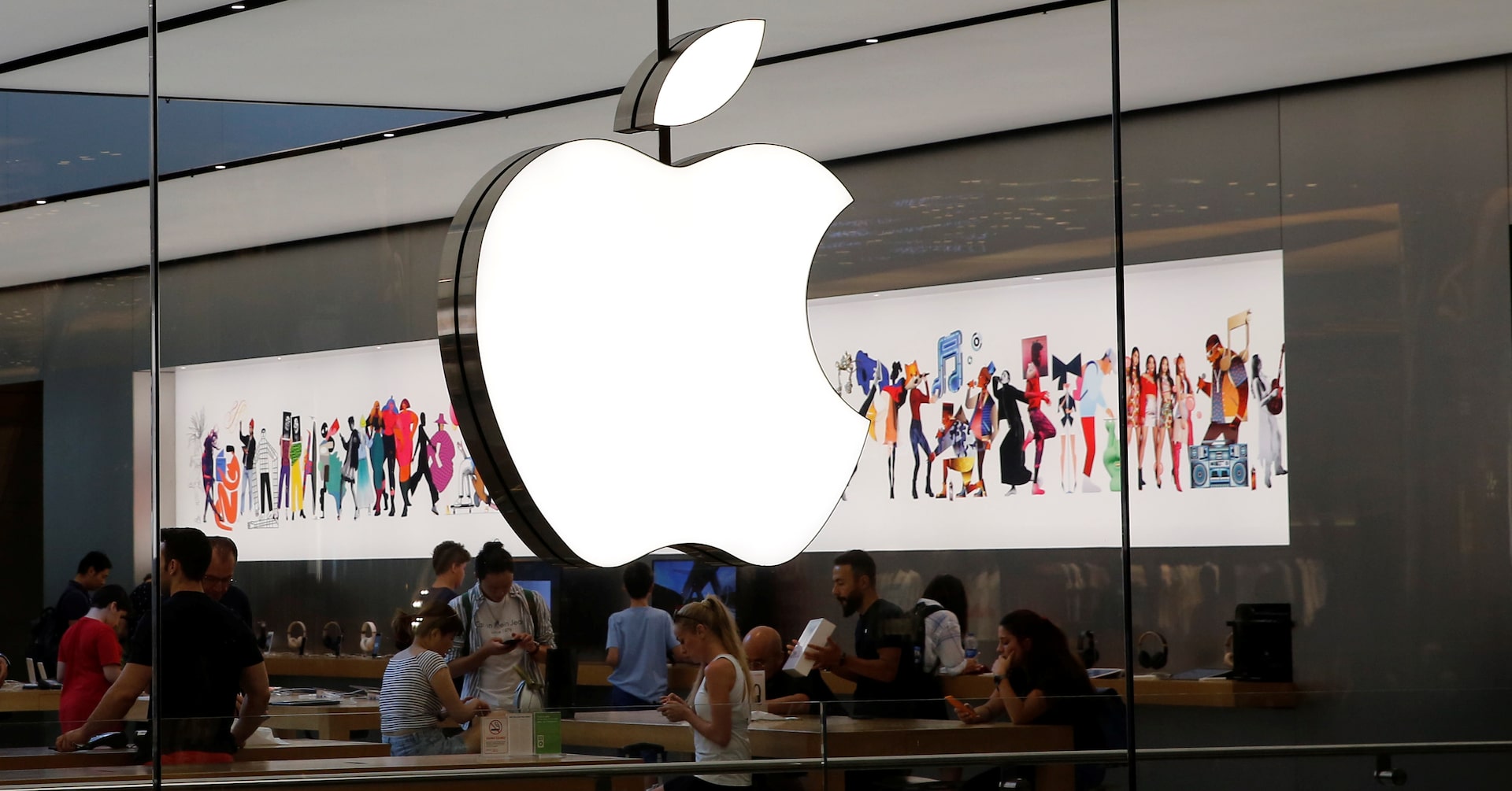
- New Challenge in AI Race: Apple is set to showcase a significant overhaul of Siri at its developer conference, leveraging the computing power of its 2.5 billion devices to close the gap with rivals like Microsoft and Google, thereby enhancing user experience and strengthening market competitiveness.
- Shift in Investment Strategy: Apple's CFO announced the company will end its long-standing policy of returning cash to shareholders, signaling a pivot towards greater investment in AI, which may provide the necessary funding for future technological innovations.
- Siri's Transformation Challenge: Analysts emphasize that Apple must successfully rebuild Siri to be smarter and more useful by utilizing personal data, marking a critical breakthrough in AI that could transform how users interact with their devices.
- Combining Technology with User Experience: Apple will continue to translate complex technologies into intuitive user experiences, likely demonstrating how AI can deliver real value to users rather than focusing solely on technical jargon, a strategy that will help enhance customer trust and satisfaction.
See More
Lockheed Martin and Shopify Receive Upgrades Amid Market Shifts

- Lockheed Martin Upgrade: Lockheed Martin's rating was upgraded from Hold to Buy due to accelerating global defense spending, driven by conflicts in Ukraine and Iran, with significant investments in missile and counter-drone technology positioning the company to benefit from this trend.
- Shopify Buying Opportunity: Shopify's rating was upgraded to Buy after a 10% price pullback, with analysts highlighting 34% year-over-year revenue growth and expanding margins, suggesting that its deep integration of agentic AI in customer workflows will support long-term compounding potential.
- Shake Shack Downgrade: Shake Shack's rating was downgraded to Hold as analysts cited valuation pressures from fast-food promotions and management's reduced FY 2026 guidance, particularly concerning lower restaurant-level margin expectations, indicating a challenging profitability landscape.
- Nvidia Downgrade: Despite Nvidia's impressive Q1 FY27 results showing 85% revenue growth and over 100% EPS growth, analysts downgraded the stock from Strong Buy to Hold, arguing that market expectations are fully priced in and potential delays in data center buildouts pose additional risks.
See More

Nvidia CEO Encourages Investors to Seize Buying Opportunity Amid Market Pullback
- Market Signal: Nvidia CEO Jensen Huang encourages investors to view the recent selloff in U.S. semiconductor stocks as a rare buying opportunity, despite mixed reactions from the market, indicating a significant divide in investor sentiment regarding his comments.
- Positive Investor Response: Following Huang's encouragement, Seeking Alpha user Alpha With BitTech announced substantial investments in semiconductor stocks, including Nvidia, suggesting that confidence in the semiconductor sector remains strong and could lead to a short-term rebound in related stocks.
- Controversial CEO Comments: While some investors support Huang's optimistic outlook, others express concern over his remarks about stock prices, highlighting the sensitivity of the market to executive commentary and the potential impact on overall market sentiment.
- Diverse Market Reactions: Huang's statements have elicited varied responses, with some investors believing he is promoting the industry while others remain skeptical, reflecting the complex perceptions of CEO roles in market dynamics and leaving future trends uncertain.
See More

Semiconductor ETF Soars 17.48% Amid AI Demand Surge


- ETF Performance Surge: The Direxion Daily Semiconductor Bull 3X ETF (SOXL) surged 17.48% to $31.90 today, reflecting a strong recovery in the semiconductor sector, particularly as investor confidence grows amid rising AI-related spending.
- Market Rebound Drivers: Following last Friday's market bloodbath, the rebound in semiconductor stocks is not just a short-term correction but is based on optimistic expectations for multi-year expansion in AI spending, showcasing the industry's resilience and potential growth momentum.
- Key Companies in Focus: Nvidia, as the largest holding in the ETF, garners attention for its graphics processing units (GPUs) critical for AI computations, while Intel emphasizes the importance of its central processing units (CPUs) in enabling autonomous agents, further solidifying its market position.
- Google Order Boost: Alphabet's Google has placed an order for 3 million tensor processing units (TPUs) to be manufactured by Intel, which not only meets the demand for AI computations but also highlights the growing investment in semiconductor infrastructure, driving stock prices across the sector upward.
See More
Nvidia's Stock Continues to Climb, Market Cap Reaches $5.3 Trillion
- Significant Stock Growth: As of June 4, Nvidia's stock has risen 17% in 2026, reaching a market cap of $5.3 trillion, indicating strong market performance and investor confidence.
- Remarkable Investment Returns: An investment of $10,000 in Nvidia a decade ago would now be worth nearly $1.9 million, yielding a staggering 18,720% return, far surpassing Bitcoin's 11,040% increase, highlighting its leadership in the AI sector.
- Strong Revenue Growth: Nvidia's revenue surged by 1,033% over the past three years, reflecting robust demand for its AI data center hardware and software, solidifying its market dominance.
- Excellent Profit Margins: In Q1 2027, Nvidia reported an operating margin of 65.6%, demonstrating its strong profitability in the rapidly growing AI market.
See More
Trump Meets AI Executives on Government Equity Stakes
- Government Equity Plan: Trump has held private meetings with executives from major AI companies like OpenAI to discuss the government acquiring voluntary equity stakes, which could significantly impact investment structures and market confidence in the AI sector.
- Legislative Proposal Impact: Senator Sanders has introduced legislation mandating the government to acquire 50% equity in AI companies, which, if passed, would profoundly affect companies like Microsoft and Nvidia, potentially constraining private value creation in the industry.
- IPO Uncertainty: OpenAI is anticipated to go public in 2026 with a valuation between $830 billion and $1 trillion, despite projecting $14 billion in losses, and the potential government equity stake could directly influence its IPO valuation.
- Increased Market Risk: Sanders' proposal has raised uncertainties for Microsoft, Nvidia, and Alphabet, as investors worry that government co-ownership could limit future monetization opportunities, thereby increasing short-term market risks.
See More
Apple's Developer Conference to Test AI Capabilities
- New Challenge in AI Race: Apple is set to showcase a significant overhaul of Siri at its developer conference, leveraging the computing power of its 2.5 billion devices to close the gap with rivals like Microsoft and Google, thereby enhancing user experience and strengthening market competitiveness.
- Shift in Investment Strategy: Apple's CFO announced the company will end its long-standing policy of returning cash to shareholders, signaling a pivot towards greater investment in AI, which may provide the necessary funding for future technological innovations.
- Siri's Transformation Challenge: Analysts emphasize that Apple must successfully rebuild Siri to be smarter and more useful by utilizing personal data, marking a critical breakthrough in AI that could transform how users interact with their devices.
- Combining Technology with User Experience: Apple will continue to translate complex technologies into intuitive user experiences, likely demonstrating how AI can deliver real value to users rather than focusing solely on technical jargon, a strategy that will help enhance customer trust and satisfaction.
See More
Lockheed Martin and Shopify Receive Upgrades Amid Market Shifts
- Lockheed Martin Upgrade: Lockheed Martin's rating was upgraded from Hold to Buy due to accelerating global defense spending, driven by conflicts in Ukraine and Iran, with significant investments in missile and counter-drone technology positioning the company to benefit from this trend.
- Shopify Buying Opportunity: Shopify's rating was upgraded to Buy after a 10% price pullback, with analysts highlighting 34% year-over-year revenue growth and expanding margins, suggesting that its deep integration of agentic AI in customer workflows will support long-term compounding potential.
- Shake Shack Downgrade: Shake Shack's rating was downgraded to Hold as analysts cited valuation pressures from fast-food promotions and management's reduced FY 2026 guidance, particularly concerning lower restaurant-level margin expectations, indicating a challenging profitability landscape.
- Nvidia Downgrade: Despite Nvidia's impressive Q1 FY27 results showing 85% revenue growth and over 100% EPS growth, analysts downgraded the stock from Strong Buy to Hold, arguing that market expectations are fully priced in and potential delays in data center buildouts pose additional risks.
See More
Nvidia CEO Encourages Investors to Seize Buying Opportunity Amid Market Pullback
- Market Signal: Nvidia CEO Jensen Huang encourages investors to view the recent selloff in U.S. semiconductor stocks as a rare buying opportunity, despite mixed reactions from the market, indicating a significant divide in investor sentiment regarding his comments.
- Positive Investor Response: Following Huang's encouragement, Seeking Alpha user Alpha With BitTech announced substantial investments in semiconductor stocks, including Nvidia, suggesting that confidence in the semiconductor sector remains strong and could lead to a short-term rebound in related stocks.
- Controversial CEO Comments: While some investors support Huang's optimistic outlook, others express concern over his remarks about stock prices, highlighting the sensitivity of the market to executive commentary and the potential impact on overall market sentiment.
- Diverse Market Reactions: Huang's statements have elicited varied responses, with some investors believing he is promoting the industry while others remain skeptical, reflecting the complex perceptions of CEO roles in market dynamics and leaving future trends uncertain.
See More
Semiconductor ETF Soars 17.48% Amid AI Demand Surge
- ETF Performance Surge: The Direxion Daily Semiconductor Bull 3X ETF (SOXL) surged 17.48% to $31.90 today, reflecting a strong recovery in the semiconductor sector, particularly as investor confidence grows amid rising AI-related spending.
- Market Rebound Drivers: Following last Friday's market bloodbath, the rebound in semiconductor stocks is not just a short-term correction but is based on optimistic expectations for multi-year expansion in AI spending, showcasing the industry's resilience and potential growth momentum.
- Key Companies in Focus: Nvidia, as the largest holding in the ETF, garners attention for its graphics processing units (GPUs) critical for AI computations, while Intel emphasizes the importance of its central processing units (CPUs) in enabling autonomous agents, further solidifying its market position.
- Google Order Boost: Alphabet's Google has placed an order for 3 million tensor processing units (TPUs) to be manufactured by Intel, which not only meets the demand for AI computations but also highlights the growing investment in semiconductor infrastructure, driving stock prices across the sector upward.
See More