Airlines Pressure Engine Makers Amid Ongoing Issues
Written by Emily J. Thompson, Senior Investment Analyst
Updated: 1 hour ago
0mins

Source: Newsfilter
- Airline Challenges: During the International Air Transport Association's annual meeting, airline CEOs warned that grounded aircraft and higher repair costs could persist for years, with LATAM Brasil's CEO noting 12 single-aisle planes grounded due to engine issues, highlighting significant constraints facing the industry.
- Tight Engine Supply: Despite RTX's Pratt & Whitney and GE Aerospace ramping up investments to enhance repair and production capacity, hundreds of A320neo planes are grounded globally due to long wait times for engine inspections and repairs, indicating that supply pressures are expected to continue for at least another couple of years.
- Rising Maintenance Costs: WestJet's CEO pointed out that modern engines are generating significantly higher maintenance costs than anticipated, with many unscheduled maintenance events increasing ownership costs, thereby impacting airline profitability.
- Profit Discrepancy: IATA's CEO highlighted a disconnect between the financial performance of engine makers, which have seen double-digit margin increases, and airlines facing approximately $11 billion in additional costs due to supply chain disruptions, illustrating the disparity in interests between airlines and engine manufacturers.
Trade with 70% Backtested Accuracy
Stop guessing "Should I Buy RTX?" and start using high-conviction signals backed by rigorous historical data.
Sign up today to access powerful investing tools and make smarter, data-driven decisions.
Analyst Views on RTX
Wall Street analysts forecast RTX stock price to rise
14 Analyst Rating
9 Buy
5 Hold
0 Sell
Moderate Buy
Current: 180.990

Low
168.00
Averages
195.77
High
215.00
Current: 180.990
Low
168.00
Averages
195.77
High
215.00
About RTX
RTX Corporation is an aerospace and defense company, which provides advanced systems and services for commercial, military, and government customers worldwide. The Company operates through three segments: Collins Aerospace, Pratt & Whitney, and Raytheon. Collins Aerospace segment provides technologically advanced aerospace and defense products and aftermarket service solutions for civil and military aircraft manufacturers, commercial airlines, and regional, business and general aviation, as well as for defense and commercial space operations. The Pratt & Whitney segment supplies aircraft engines for commercial, military, business jet, and general aviation customers. The Raytheon segment provides defensive and offensive threat detection, tracking and mitigation capabilities for the United States and foreign government and commercial customers. The Raytheon designs, develops, and provides advanced capabilities in integrated air and missile defense, smart weapons, missiles and others.
About the author

Emily J. Thompson
Emily J. Thompson, a Chartered Financial Analyst (CFA) with 12 years in investment research, graduated with honors from the Wharton School. Specializing in industrial and technology stocks, she provides in-depth analysis for Intellectia’s earnings and market brief reports.

Raytheon Invests $100 Million to Expand Facility

- Job Creation: Raytheon is investing $100 million in its Portsmouth, R.I. facility, which is expected to create 150 high-tech jobs, thereby boosting the local economy and enhancing the talent pool in advanced technologies.
- Capacity Enhancement: The expansion will accelerate testing of the Lower Tier Air and Missile Defense Sensor (LTAMDS) and increase production capacity for the Patriot® GEM-T subcomponents to meet growing global demand, ensuring timely delivery to the U.S. Army and international partners.
- Technological Advancement: The LTAMDS radar is designed to counter advanced threats, including hypersonic weapons, and has recently completed its ninth successful flight test, showcasing its multi-array tracking and interception capabilities, further solidifying Raytheon's technological leadership in air defense.
- Long-term Strategic Investment: This investment aligns with Raytheon's $53 million expansion project in Andover, Massachusetts, demonstrating the company's ongoing commitment to the air defense sector and aiming to meet future market demands through technological innovation and capacity expansion.
See More
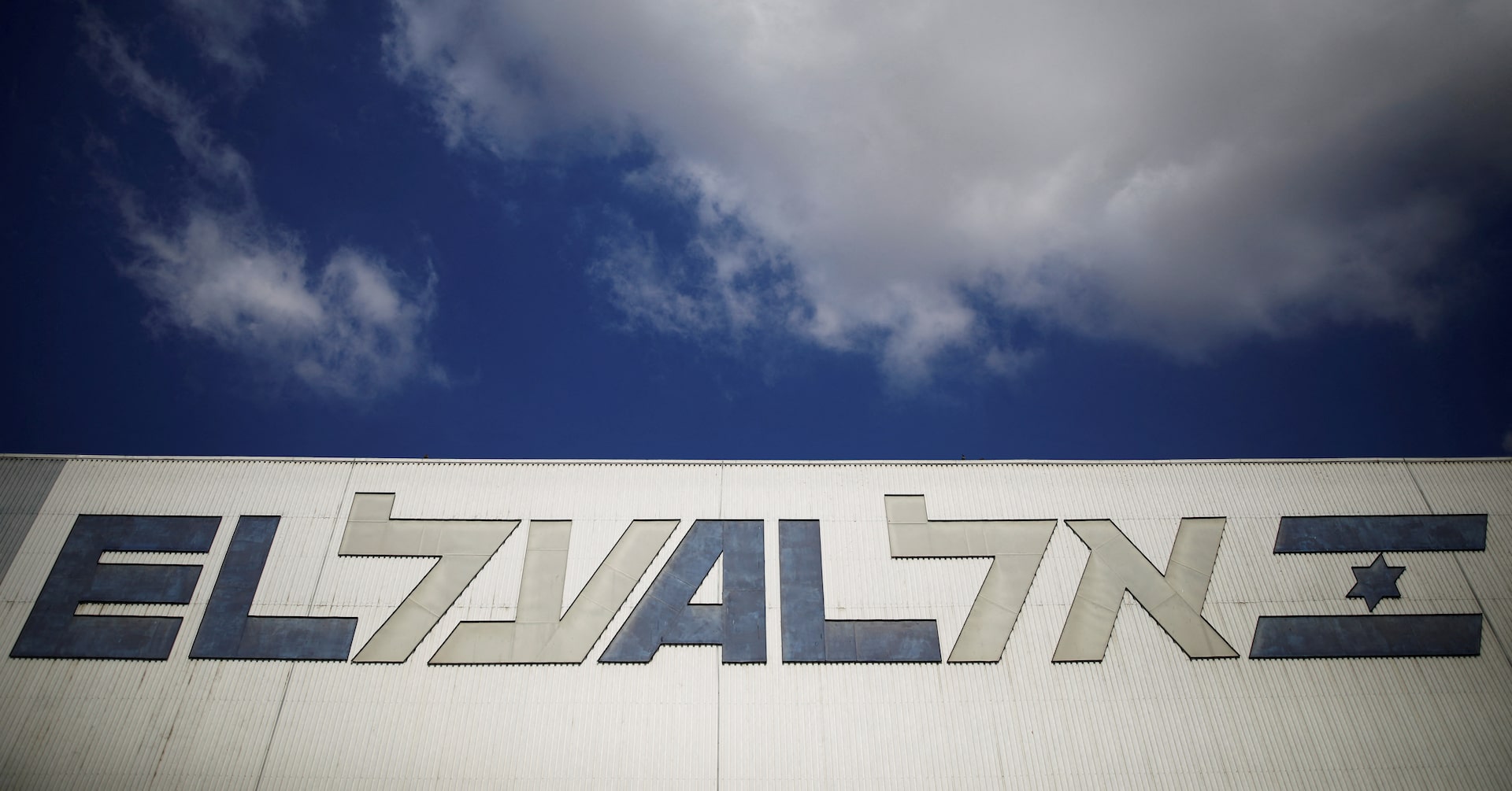
Airline CEOs Highlight Engine Reliability Issues Impacting Costs

- Engine Reliability Issues: Airline CEOs at the industry gathering in Rio de Janeiro reported that new fuel-efficient engines have not met expected reliability standards, forcing carriers to conduct maintenance sooner than anticipated, which undermines the cost savings initially projected.
- Rising Maintenance Costs: The higher-than-expected failure rates of new engines have led airlines to face more frequent unscheduled maintenance, eroding the anticipated 15% fuel savings and negatively impacting overall profitability.
- Market Supply-Demand Imbalance: Despite improvements in new engine production capabilities, ongoing delays in aircraft production have driven up the market value of older engines, with prices for the CFM56 engine increasing by 17% since 2019, exacerbating financial pressures on airlines.
- Manufacturers' Insufficient Investment: While manufacturers like GE Aerospace claim to be increasing output and improving product quality, industry leaders express disappointment over the profitability of manufacturers, urging them to stop high pricing strategies and focus on producing more reliable engines to meet airline demands.
See More

Airline Engine Shortages Impact Industry Profits
- Engine Reliability Issues: Airline CEOs report that the new engines' reliability has not met expectations, forcing airlines into unscheduled maintenance earlier than planned, which increases operational costs and undermines the anticipated fuel savings.
- Rising Maintenance Costs: The high frequency of failures in new engines has led to significantly increased maintenance costs for airlines, which is expected to impact overall profitability, especially against the backdrop of rising fuel prices that are suppressing profit prospects.
- Strong Market Demand: Despite rising fares, travel demand remains robust, and the revenue lost from grounded aircraft adds financial pressure on the industry, particularly with an anticipated $100 billion increase in fuel expenses this year.
- Manufacturers' Insufficient Investment: Although engine manufacturers have heavily invested in expanding maintenance capabilities, production delays have kept older engine values high, leading to a shortage of engines that affects future production plans and overall industry stability.
See More
Airlines Pressure Engine Makers Amid Ongoing Issues
- Airline Challenges: During the International Air Transport Association's annual meeting, airline CEOs warned that grounded aircraft and higher repair costs could persist for years, with LATAM Brasil's CEO noting 12 single-aisle planes grounded due to engine issues, highlighting significant constraints facing the industry.
- Tight Engine Supply: Despite RTX's Pratt & Whitney and GE Aerospace ramping up investments to enhance repair and production capacity, hundreds of A320neo planes are grounded globally due to long wait times for engine inspections and repairs, indicating that supply pressures are expected to continue for at least another couple of years.
- Rising Maintenance Costs: WestJet's CEO pointed out that modern engines are generating significantly higher maintenance costs than anticipated, with many unscheduled maintenance events increasing ownership costs, thereby impacting airline profitability.
- Profit Discrepancy: IATA's CEO highlighted a disconnect between the financial performance of engine makers, which have seen double-digit margin increases, and airlines facing approximately $11 billion in additional costs due to supply chain disruptions, illustrating the disparity in interests between airlines and engine manufacturers.
See More

Raytheon Expands LTAMDS Radar Investment Amid Growing Demand
- Contract Expansion: Raytheon has secured multiple LTAMDS radar contracts with the U.S. Army and Poland, marking its first successful expansion into the international market, which is expected to enhance the company's competitiveness in the global defense sector.
- Production Capacity Boost: The $100 million investment in Portsmouth accelerates LTAMDS radar testing and production while increasing PAC-2 GEM-T subcomponent output to meet rising global demand, ensuring rapid delivery to U.S. and international partners.
- Sales Growth: Raytheon reported $6.9 billion in sales for the first quarter, a 10% increase year-over-year, primarily driven by high demand for land and air defense systems and naval munitions, showcasing the company's strong performance in the defense sector.
- Market Sentiment: Despite RTX stock declining over 4% this year, retail investor sentiment on Stocktwits remains 'bullish', reflecting confidence in Raytheon's future growth potential.
See More

Raytheon Invests $100 Million to Expand Facility
- High-Tech Job Creation: Raytheon is investing $100 million in Portsmouth, Rhode Island, which is expected to create 150 high-tech jobs, thereby boosting the local economy and enhancing the talent pool in advanced technologies.
- Production Capacity Enhancement: The expansion will accelerate testing of the Lower Tier Air and Missile Defense Sensor (LTAMDS) and increase production capacity for Patriot missile system subcomponents to meet growing global demand, ensuring timely delivery to the U.S. Army and international partners.
- Technological Innovation Progress: The LTAMDS radar system is designed to counter advanced threats, including hypersonic weapons, and recently completed its ninth successful flight test, showcasing its multi-array tracking and interception capabilities, further solidifying Raytheon's technological leadership in air defense.
- Long-Term Strategic Positioning: This investment follows the company's earlier announcement of a $53 million expansion of its Andover radar production facility eight months ago, demonstrating Raytheon's ongoing commitment to the defense sector and its proactive positioning for future market demands.
See More
Raytheon Invests $100 Million to Expand Facility
- Job Creation: Raytheon is investing $100 million in its Portsmouth, R.I. facility, which is expected to create 150 high-tech jobs, thereby boosting the local economy and enhancing the talent pool in advanced technologies.
- Capacity Enhancement: The expansion will accelerate testing of the Lower Tier Air and Missile Defense Sensor (LTAMDS) and increase production capacity for the Patriot® GEM-T subcomponents to meet growing global demand, ensuring timely delivery to the U.S. Army and international partners.
- Technological Advancement: The LTAMDS radar is designed to counter advanced threats, including hypersonic weapons, and has recently completed its ninth successful flight test, showcasing its multi-array tracking and interception capabilities, further solidifying Raytheon's technological leadership in air defense.
- Long-term Strategic Investment: This investment aligns with Raytheon's $53 million expansion project in Andover, Massachusetts, demonstrating the company's ongoing commitment to the air defense sector and aiming to meet future market demands through technological innovation and capacity expansion.
See More
Airline CEOs Highlight Engine Reliability Issues Impacting Costs
- Engine Reliability Issues: Airline CEOs at the industry gathering in Rio de Janeiro reported that new fuel-efficient engines have not met expected reliability standards, forcing carriers to conduct maintenance sooner than anticipated, which undermines the cost savings initially projected.
- Rising Maintenance Costs: The higher-than-expected failure rates of new engines have led airlines to face more frequent unscheduled maintenance, eroding the anticipated 15% fuel savings and negatively impacting overall profitability.
- Market Supply-Demand Imbalance: Despite improvements in new engine production capabilities, ongoing delays in aircraft production have driven up the market value of older engines, with prices for the CFM56 engine increasing by 17% since 2019, exacerbating financial pressures on airlines.
- Manufacturers' Insufficient Investment: While manufacturers like GE Aerospace claim to be increasing output and improving product quality, industry leaders express disappointment over the profitability of manufacturers, urging them to stop high pricing strategies and focus on producing more reliable engines to meet airline demands.
See More
Airline Engine Shortages Impact Industry Profits
- Engine Reliability Issues: Airline CEOs report that the new engines' reliability has not met expectations, forcing airlines into unscheduled maintenance earlier than planned, which increases operational costs and undermines the anticipated fuel savings.
- Rising Maintenance Costs: The high frequency of failures in new engines has led to significantly increased maintenance costs for airlines, which is expected to impact overall profitability, especially against the backdrop of rising fuel prices that are suppressing profit prospects.
- Strong Market Demand: Despite rising fares, travel demand remains robust, and the revenue lost from grounded aircraft adds financial pressure on the industry, particularly with an anticipated $100 billion increase in fuel expenses this year.
- Manufacturers' Insufficient Investment: Although engine manufacturers have heavily invested in expanding maintenance capabilities, production delays have kept older engine values high, leading to a shortage of engines that affects future production plans and overall industry stability.
See More
Airlines Pressure Engine Makers Amid Ongoing Issues
- Airline Challenges: During the International Air Transport Association's annual meeting, airline CEOs warned that grounded aircraft and higher repair costs could persist for years, with LATAM Brasil's CEO noting 12 single-aisle planes grounded due to engine issues, highlighting significant constraints facing the industry.
- Tight Engine Supply: Despite RTX's Pratt & Whitney and GE Aerospace ramping up investments to enhance repair and production capacity, hundreds of A320neo planes are grounded globally due to long wait times for engine inspections and repairs, indicating that supply pressures are expected to continue for at least another couple of years.
- Rising Maintenance Costs: WestJet's CEO pointed out that modern engines are generating significantly higher maintenance costs than anticipated, with many unscheduled maintenance events increasing ownership costs, thereby impacting airline profitability.
- Profit Discrepancy: IATA's CEO highlighted a disconnect between the financial performance of engine makers, which have seen double-digit margin increases, and airlines facing approximately $11 billion in additional costs due to supply chain disruptions, illustrating the disparity in interests between airlines and engine manufacturers.
See More
Raytheon Expands LTAMDS Radar Investment Amid Growing Demand
- Contract Expansion: Raytheon has secured multiple LTAMDS radar contracts with the U.S. Army and Poland, marking its first successful expansion into the international market, which is expected to enhance the company's competitiveness in the global defense sector.
- Production Capacity Boost: The $100 million investment in Portsmouth accelerates LTAMDS radar testing and production while increasing PAC-2 GEM-T subcomponent output to meet rising global demand, ensuring rapid delivery to U.S. and international partners.
- Sales Growth: Raytheon reported $6.9 billion in sales for the first quarter, a 10% increase year-over-year, primarily driven by high demand for land and air defense systems and naval munitions, showcasing the company's strong performance in the defense sector.
- Market Sentiment: Despite RTX stock declining over 4% this year, retail investor sentiment on Stocktwits remains 'bullish', reflecting confidence in Raytheon's future growth potential.
See More
Raytheon Invests $100 Million to Expand Facility
- High-Tech Job Creation: Raytheon is investing $100 million in Portsmouth, Rhode Island, which is expected to create 150 high-tech jobs, thereby boosting the local economy and enhancing the talent pool in advanced technologies.
- Production Capacity Enhancement: The expansion will accelerate testing of the Lower Tier Air and Missile Defense Sensor (LTAMDS) and increase production capacity for Patriot missile system subcomponents to meet growing global demand, ensuring timely delivery to the U.S. Army and international partners.
- Technological Innovation Progress: The LTAMDS radar system is designed to counter advanced threats, including hypersonic weapons, and recently completed its ninth successful flight test, showcasing its multi-array tracking and interception capabilities, further solidifying Raytheon's technological leadership in air defense.
- Long-Term Strategic Positioning: This investment follows the company's earlier announcement of a $53 million expansion of its Andover radar production facility eight months ago, demonstrating Raytheon's ongoing commitment to the defense sector and its proactive positioning for future market demands.
See More