Nvidia Surpasses Apple as TSMC's Largest Customer
Written by Emily J. Thompson, Senior Investment Analyst
Updated: Jan 22 2026
0mins

Source: NASDAQ.COM
- Customer Status Shift: Nvidia's CEO claims that Nvidia has overtaken Apple as TSMC's largest customer, highlighting the robust demand for AI chips, which may intensify competition for manufacturing capacity for Apple.
- Diminishing Privileges for Apple: As Nvidia rises, Apple's preferential treatment at TSMC appears to be waning, leading to higher manufacturing costs and increased pressure to compete with other customers, potentially destabilizing its product supply chain.
- Increased Opportunities for Intel: Analysts suggest that Apple is considering using Intel's manufacturing processes, potentially producing 15 to 20 million chips annually, which presents new market opportunities for Intel and could reshape its competitive landscape in AI.
- Future Outlook: With Apple planning new product launches from 2027 to 2029, securing sufficient chip supply becomes critical, and the rise of Nvidia alongside changes in TSMC's priorities may drive Apple to seek alternative manufacturing sources to meet market demand.
Trade with 70% Backtested Accuracy
Stop guessing "Should I Buy INTC?" and start using high-conviction signals backed by rigorous historical data.
Sign up today to access powerful investing tools and make smarter, data-driven decisions.
Analyst Views on INTC
Wall Street analysts forecast INTC stock price to fall
29 Analyst Rating
5 Buy
19 Hold
5 Sell
Hold
Current: 121.100

Low
20.00
Averages
39.30
High
52.00
Current: 121.100
Low
20.00
Averages
39.30
High
52.00
About INTC
Intel Corporation is a global designer and manufacturer of semiconductor products. The Company's segments include Intel Products, Intel Foundry, and All Other. Its Intel Products comprise Client Computing Group (CCG) and Data Center and AI (DCAI). CCG delivers platforms and processors that power PCs and edge devices, enabling enhanced performance, connectivity and user experience for consumer and commercial markets with capabilities that also support retail, industrial robotics and AI ecosystems at the edge. DCAI delivers workload-optimized solutions based upon its x86 architecture for data centers, including CPUs, AI accelerators, NICs, IPUs and custom ASICs, enabling performance and scalability for cloud, enterprise, telecommunication and HPC environments. The Intel Foundry segment comprises technology development, manufacturing and foundry services, developing new semiconductor process technologies and advanced packaging technologies. All Other segments include Mobileye and Other.
About the author

Emily J. Thompson
Emily J. Thompson, a Chartered Financial Analyst (CFA) with 12 years in investment research, graduated with honors from the Wharton School. Specializing in industrial and technology stocks, she provides in-depth analysis for Intellectia’s earnings and market brief reports.
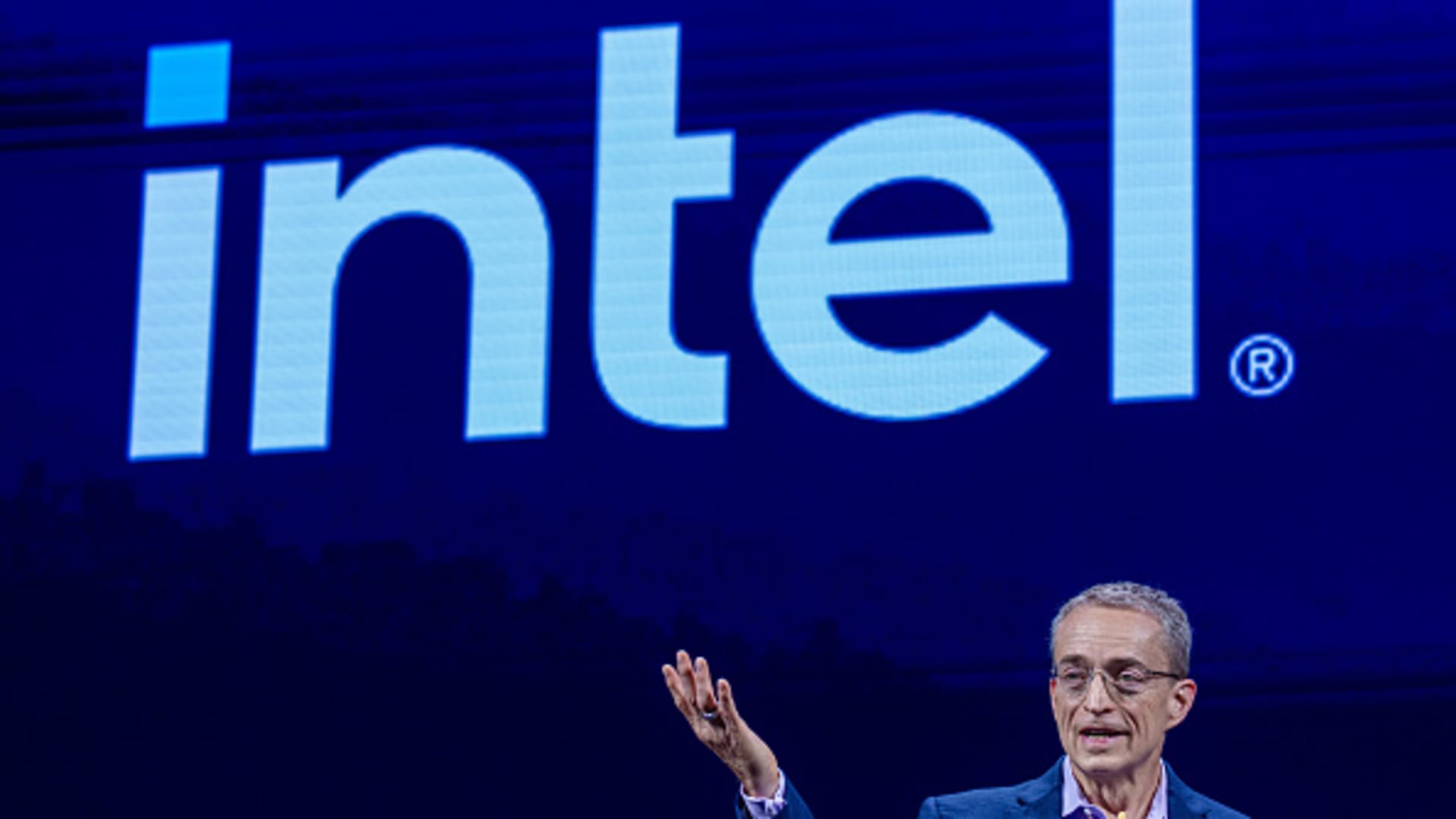
Intel Stock Hits All-Time High Amid Apple Collaboration


- Stock Surge: Intel's stock surged 10.75% to an all-time high of $134.12 after President Trump announced a potential collaboration with Apple, indicating a renewed market confidence in Intel's foundry comeback.
- Foundry Revenue Growth: Intel's foundry segment generated $5.4 billion in revenue in Q1, up 16% year-over-year, although only $174 million came from external customers, highlighting the need for Intel to expand its external client base.
- Competitive Landscape: Despite Intel's resurgence, TSMC maintains about 70% of the foundry market, with Q1 revenue rising 41% to $35.9 billion, underscoring its dominance in advanced manufacturing technology.
- Future Outlook: Intel's CEO anticipates early design commitments from external customers by the second half of 2026, which could bolster long-term growth, but the company still faces significant competitive pressures in the market.
See More
Intel's Foundry Business Gains Traction with Apple Chip Agreement
- Collaboration with Apple: Intel's reported chipmaking agreement with Apple, although unconfirmed, has driven the stock to an all-time high on Thursday, reflecting market confidence in Intel's turnaround efforts.
- Revenue Growth: Intel's foundry segment generated $5.4 billion in revenue in Q1, a 16% year-over-year increase, yet only $174 million came from external customers, indicating a heavy reliance on internal production that needs to shift towards external client acquisition.
- Intensifying Market Competition: Taiwan Semiconductor controls 70% of the pure-play foundry market and over 90% of advanced process production, presenting a significant challenge for Intel as it seeks to penetrate TSMC's dominant position despite improvements in its manufacturing capabilities.
- Future Outlook: Intel's CEO anticipates early design commitments from external customers by the second half of 2026, and successfully attracting more clients could significantly enhance its foundry business's long-term growth and market share.
See More
Intel Stock Hits All-Time High Amid Chip Collaboration Buzz
- Stock Surge: Intel's stock reached an all-time high following President Trump's announcement of a collaboration with Apple for chip design and manufacturing, reflecting a more than 500% increase over the past year, indicating strong market confidence in its recovery.
- External Customer Growth: Despite Intel's foundry segment generating $5.4 billion in revenue in Q1, up 16% year-over-year, only $174 million came from external customers, highlighting the need for Intel to expand its external market efforts to achieve profitability.
- Changing Competitive Landscape: With partnerships with Apple, Nvidia, and Amazon, market expectations for Intel's foundry business are rising; however, TSMC still dominates about 70% of the pure-play foundry market, presenting significant competitive challenges for Intel.
- Future Outlook: Intel's CEO anticipates early design commitments from external customers by the second half of 2026, and if successful in its transformation, this could significantly contribute to its long-term growth in advanced chip manufacturing.
See More
Intel Emerges as New Favorite Stock in Market
- Market Spotlight: On Mad Money, Jim Cramer labeled Intel as his 'new favorite stock,' emphasizing that investors should focus on future performance rather than past trends, reflecting strong confidence in Intel's growth prospects.
- Surging Demand: CEO Lip-Bu Tan highlighted that with the explosion of agentic AI demand, each GPU could require up to four CPUs, which presents a significant business opportunity for Intel and reinforces its dominance in the CPU market.
- Manufacturing Outlook: Intel's chip manufacturing business is recovering, and as customers increasingly seek US-based supply to mitigate geopolitical risks, Intel's foundry business is poised to secure more orders, enhancing its competitive edge in the market.
- Technological Advancements: Intel has commenced production of the 18A-P chip node foundry, which, if successful, could attract orders from Apple, showcasing Intel's technological progress and potential collaborations with industry giants like Tesla, indicating future profitability.
See More
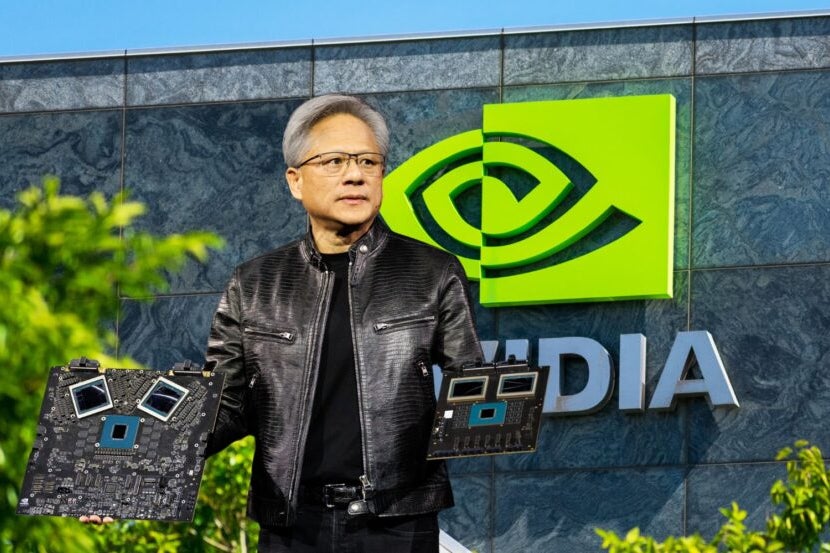
Nvidia Stock Returns 18,300% Over a Decade, Analysts Predict Future Gains

- Significant Investment Returns: Nvidia stock has delivered an astonishing 18,300% return over the past decade, transforming a $1,000 investment into $184,000, significantly outperforming the S&P 500's 328% return, underscoring its leadership in the AI chip market and investment appeal.
- Future Earnings Expectations: Analysts project Nvidia's earnings per share (EPS) to increase by 87.2% in fiscal 2027, with an average annual growth rate of 45.5% over the next five years, indicating strong potential for sustained profitability that may attract more investor interest.
- Attractive Valuation: With a trailing P/E ratio of 31.3 and a forward P/E of 23.3, Nvidia appears undervalued in the rapidly growing AI market, suggesting that buying now could yield substantial returns for investors.
- Chinese Market Potential: Although Nvidia has halted sales of data center AI chips to China due to U.S. export controls, a future resumption of purchases from Chinese companies could provide significant growth momentum for the company, further driving up its stock price.
See More
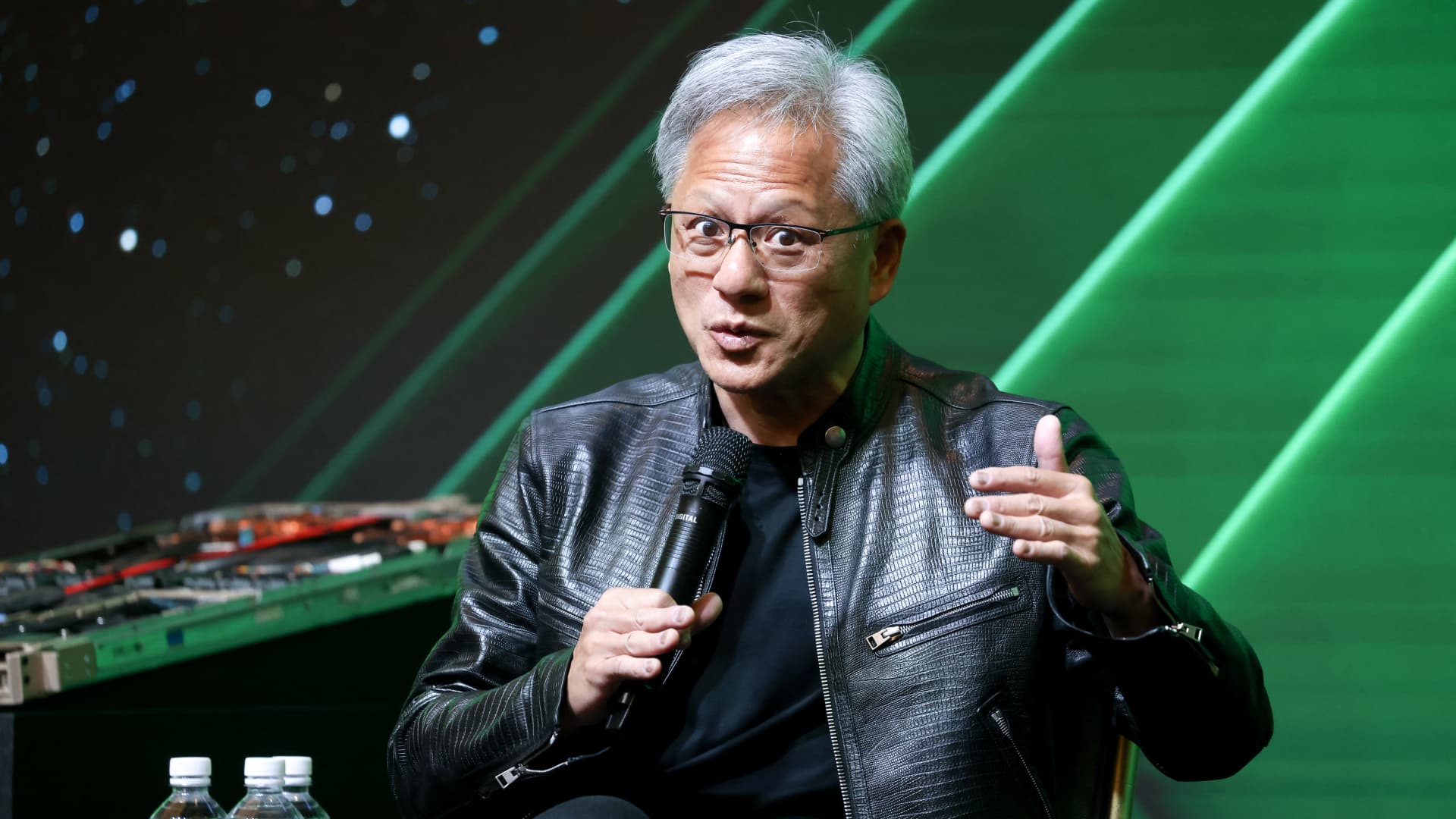
Nvidia Stock Price Target Analysis
- Price Target Forecast: Analysts predict Nvidia's stock could rise by 45% over the next year, targeting $305, while under a base case, it could exceed a 55% increase, targeting over $327, indicating strong market optimism about its future growth.
- Earnings Growth Potential: Nvidia is expected to see an 87.2% increase in earnings per share for fiscal 2027 and a 39.8% increase for fiscal 2028, with an average annual growth rate of 45.5% over the next five years, showcasing its robust growth potential in the AI sector that may attract more investor interest.
- Market Environment Impact: Although Nvidia has ceased selling data center AI chips to China, a potential resumption of purchases of the H200 chip by Chinese companies could significantly boost its stock price, reflecting market expectations for a recovery in the Chinese market.
- Valuation Attractiveness: With a trailing P/E ratio of 31.3 and a forward P/E of 23.3, Nvidia remains an attractive investment in the rapidly growing AI market, prompting investors to consider increasing their holdings for long-term gains.
See More
Intel Stock Hits All-Time High Amid Apple Collaboration
- Stock Surge: Intel's stock surged 10.75% to an all-time high of $134.12 after President Trump announced a potential collaboration with Apple, indicating a renewed market confidence in Intel's foundry comeback.
- Foundry Revenue Growth: Intel's foundry segment generated $5.4 billion in revenue in Q1, up 16% year-over-year, although only $174 million came from external customers, highlighting the need for Intel to expand its external client base.
- Competitive Landscape: Despite Intel's resurgence, TSMC maintains about 70% of the foundry market, with Q1 revenue rising 41% to $35.9 billion, underscoring its dominance in advanced manufacturing technology.
- Future Outlook: Intel's CEO anticipates early design commitments from external customers by the second half of 2026, which could bolster long-term growth, but the company still faces significant competitive pressures in the market.
See More
Intel's Foundry Business Gains Traction with Apple Chip Agreement
- Collaboration with Apple: Intel's reported chipmaking agreement with Apple, although unconfirmed, has driven the stock to an all-time high on Thursday, reflecting market confidence in Intel's turnaround efforts.
- Revenue Growth: Intel's foundry segment generated $5.4 billion in revenue in Q1, a 16% year-over-year increase, yet only $174 million came from external customers, indicating a heavy reliance on internal production that needs to shift towards external client acquisition.
- Intensifying Market Competition: Taiwan Semiconductor controls 70% of the pure-play foundry market and over 90% of advanced process production, presenting a significant challenge for Intel as it seeks to penetrate TSMC's dominant position despite improvements in its manufacturing capabilities.
- Future Outlook: Intel's CEO anticipates early design commitments from external customers by the second half of 2026, and successfully attracting more clients could significantly enhance its foundry business's long-term growth and market share.
See More
Intel Stock Hits All-Time High Amid Chip Collaboration Buzz
- Stock Surge: Intel's stock reached an all-time high following President Trump's announcement of a collaboration with Apple for chip design and manufacturing, reflecting a more than 500% increase over the past year, indicating strong market confidence in its recovery.
- External Customer Growth: Despite Intel's foundry segment generating $5.4 billion in revenue in Q1, up 16% year-over-year, only $174 million came from external customers, highlighting the need for Intel to expand its external market efforts to achieve profitability.
- Changing Competitive Landscape: With partnerships with Apple, Nvidia, and Amazon, market expectations for Intel's foundry business are rising; however, TSMC still dominates about 70% of the pure-play foundry market, presenting significant competitive challenges for Intel.
- Future Outlook: Intel's CEO anticipates early design commitments from external customers by the second half of 2026, and if successful in its transformation, this could significantly contribute to its long-term growth in advanced chip manufacturing.
See More
Intel Emerges as New Favorite Stock in Market
- Market Spotlight: On Mad Money, Jim Cramer labeled Intel as his 'new favorite stock,' emphasizing that investors should focus on future performance rather than past trends, reflecting strong confidence in Intel's growth prospects.
- Surging Demand: CEO Lip-Bu Tan highlighted that with the explosion of agentic AI demand, each GPU could require up to four CPUs, which presents a significant business opportunity for Intel and reinforces its dominance in the CPU market.
- Manufacturing Outlook: Intel's chip manufacturing business is recovering, and as customers increasingly seek US-based supply to mitigate geopolitical risks, Intel's foundry business is poised to secure more orders, enhancing its competitive edge in the market.
- Technological Advancements: Intel has commenced production of the 18A-P chip node foundry, which, if successful, could attract orders from Apple, showcasing Intel's technological progress and potential collaborations with industry giants like Tesla, indicating future profitability.
See More
Nvidia Stock Returns 18,300% Over a Decade, Analysts Predict Future Gains
- Significant Investment Returns: Nvidia stock has delivered an astonishing 18,300% return over the past decade, transforming a $1,000 investment into $184,000, significantly outperforming the S&P 500's 328% return, underscoring its leadership in the AI chip market and investment appeal.
- Future Earnings Expectations: Analysts project Nvidia's earnings per share (EPS) to increase by 87.2% in fiscal 2027, with an average annual growth rate of 45.5% over the next five years, indicating strong potential for sustained profitability that may attract more investor interest.
- Attractive Valuation: With a trailing P/E ratio of 31.3 and a forward P/E of 23.3, Nvidia appears undervalued in the rapidly growing AI market, suggesting that buying now could yield substantial returns for investors.
- Chinese Market Potential: Although Nvidia has halted sales of data center AI chips to China due to U.S. export controls, a future resumption of purchases from Chinese companies could provide significant growth momentum for the company, further driving up its stock price.
See More
Nvidia Stock Price Target Analysis
- Price Target Forecast: Analysts predict Nvidia's stock could rise by 45% over the next year, targeting $305, while under a base case, it could exceed a 55% increase, targeting over $327, indicating strong market optimism about its future growth.
- Earnings Growth Potential: Nvidia is expected to see an 87.2% increase in earnings per share for fiscal 2027 and a 39.8% increase for fiscal 2028, with an average annual growth rate of 45.5% over the next five years, showcasing its robust growth potential in the AI sector that may attract more investor interest.
- Market Environment Impact: Although Nvidia has ceased selling data center AI chips to China, a potential resumption of purchases of the H200 chip by Chinese companies could significantly boost its stock price, reflecting market expectations for a recovery in the Chinese market.
- Valuation Attractiveness: With a trailing P/E ratio of 31.3 and a forward P/E of 23.3, Nvidia remains an attractive investment in the rapidly growing AI market, prompting investors to consider increasing their holdings for long-term gains.
See More