Nvidia Continues to Dominate AI Chip Market
Written by Emily J. Thompson, Senior Investment Analyst
Updated: 46 minutes ago
0mins
Source: Fool
- Market Dominance: Nvidia's stock has surged over 1,300% in the past five years, reaching a market cap of $5.2 trillion, making it the most valuable company globally, showcasing its strong competitive position in the AI chip market.
- Strong Profitability: Despite challenges from tech companies making their own chips, Nvidia maintains a gross margin of 74.15%, indicating robust profitability and sustained market demand in the industry.
- Investment Risk Warning: Although the stock is up 15% this year, its recent underperformance raises concerns among investors about potential limitations on further price increases, suggesting that taking some profits could be a prudent risk management strategy.
- Future Growth Uncertainty: While investment in AI continues to rise, economic uncertainties may lead tech companies to cut back on AI spending, posing a risk of significant valuation declines for Nvidia and other tech stocks.
Trade with 70% Backtested Accuracy
Stop guessing "Should I Buy NVDA?" and start using high-conviction signals backed by rigorous historical data.
Sign up today to access powerful investing tools and make smarter, data-driven decisions.
Analyst Views on NVDA
Wall Street analysts forecast NVDA stock price to rise
41 Analyst Rating
39 Buy
1 Hold
1 Sell
Strong Buy
Current: 215.330

Low
200.00
Averages
264.97
High
352.00
Current: 215.330
Low
200.00
Averages
264.97
High
352.00
About NVDA
NVIDIA Corporation is an artificial intelligence (AI) infrastructure company. The Company is engaged in accelerated computing to help solve the challenging computational problems. Its segments include Compute & Networking and Graphics. The Compute & Networking segment includes its Data Center accelerated computing and networking platforms and AI solutions and software, and automotive platforms and autonomous and electric vehicle solutions, including software. The Graphics segment includes GeForce GPUs for gaming and personal computers (PCs), and Quadro/NVIDIA RTX GPUs for enterprise workstation graphics. Its technology stack includes the foundational NVIDIA CUDA development platform that runs on all NVIDIA GPUs, as well as hundreds of domain-specific software libraries, frameworks, algorithms, software development kits (SDKs), and application programming interfaces (APIs). Its platforms address four markets, which include Data Center, Gaming, Professional Visualization, and Automotive.
About the author

Emily J. Thompson
Emily J. Thompson, a Chartered Financial Analyst (CFA) with 12 years in investment research, graduated with honors from the Wharton School. Specializing in industrial and technology stocks, she provides in-depth analysis for Intellectia’s earnings and market brief reports.

Nvidia Continues to Dominate AI Chip Market

- Market Dominance: Nvidia's stock has surged over 1,300% in the past five years, reaching a market cap of $5.2 trillion, making it the most valuable company globally, showcasing its strong competitive position in the AI chip market.
- Strong Profitability: Despite challenges from tech companies making their own chips, Nvidia maintains a gross margin of 74.15%, indicating robust profitability and sustained market demand in the industry.
- Investment Risk Warning: Although the stock is up 15% this year, its recent underperformance raises concerns among investors about potential limitations on further price increases, suggesting that taking some profits could be a prudent risk management strategy.
- Future Growth Uncertainty: While investment in AI continues to rise, economic uncertainties may lead tech companies to cut back on AI spending, posing a risk of significant valuation declines for Nvidia and other tech stocks.
See More

SpaceX IPO Sparks Tech Stock Rally
- SpaceX IPO Outlook: SpaceX filed its S-1 IPO prospectus seeking a $2 trillion valuation, showcasing its ambitions in AI infrastructure and interstellar travel, which is expected to attract investor interest in tech themes.
- Intensifying AI Competition: OpenAI and Anthropic are also reportedly planning to file for IPOs in the coming weeks, which is likely to further fuel the AI trading frenzy and create a new competitive landscape in the market.
- Nvidia Earnings Boost: Nvidia's quarterly results last week exceeded Wall Street expectations and provided an optimistic second-quarter outlook, offering strong support for AI-related stocks and boosting investor confidence.
- Positive Market Reaction: As several tech companies report earnings this week, investors are optimistic about future profit expectations, particularly for firms like Zscaler, Marvell, and Salesforce, which may further drive tech stock gains.
See More

Declining Appeal of U.S. Treasuries Amid Rising Corporate Debt Interest


- Rising Treasury Yields: The yield on the two-year Treasury note has increased by 60 basis points this year, surpassing 4.00%, primarily due to the energy price surge from the Iran war, which is expected to compel the Federal Reserve to raise interest rates, thereby heightening investor concerns about Treasuries.
- Strong Corporate Debt Performance: Many blue-chip companies have outperformed Treasuries, with Apple's two-year bond yield narrowing to just 3 basis points above the Treasury yield, marking a record low spread and indicating a growing appeal of corporate debt over government bonds.
- Credit Rating Discrepancies: Microsoft and Johnson & Johnson are the only U.S. companies to hold AAA ratings from the three major agencies, while the U.S. government no longer has a AAA rating, reflecting that the risk of lending to corporations is now comparable to that of Treasuries, prompting investors to reassess risk-reward dynamics.
- Long-Term Investment Concerns: While corporate debt is viewed as lower risk, investors must consider long-term repayment capabilities, especially amid escalating global AI competition, which introduces uncertainties about companies' futures and their ability to meet debt obligations.
See More
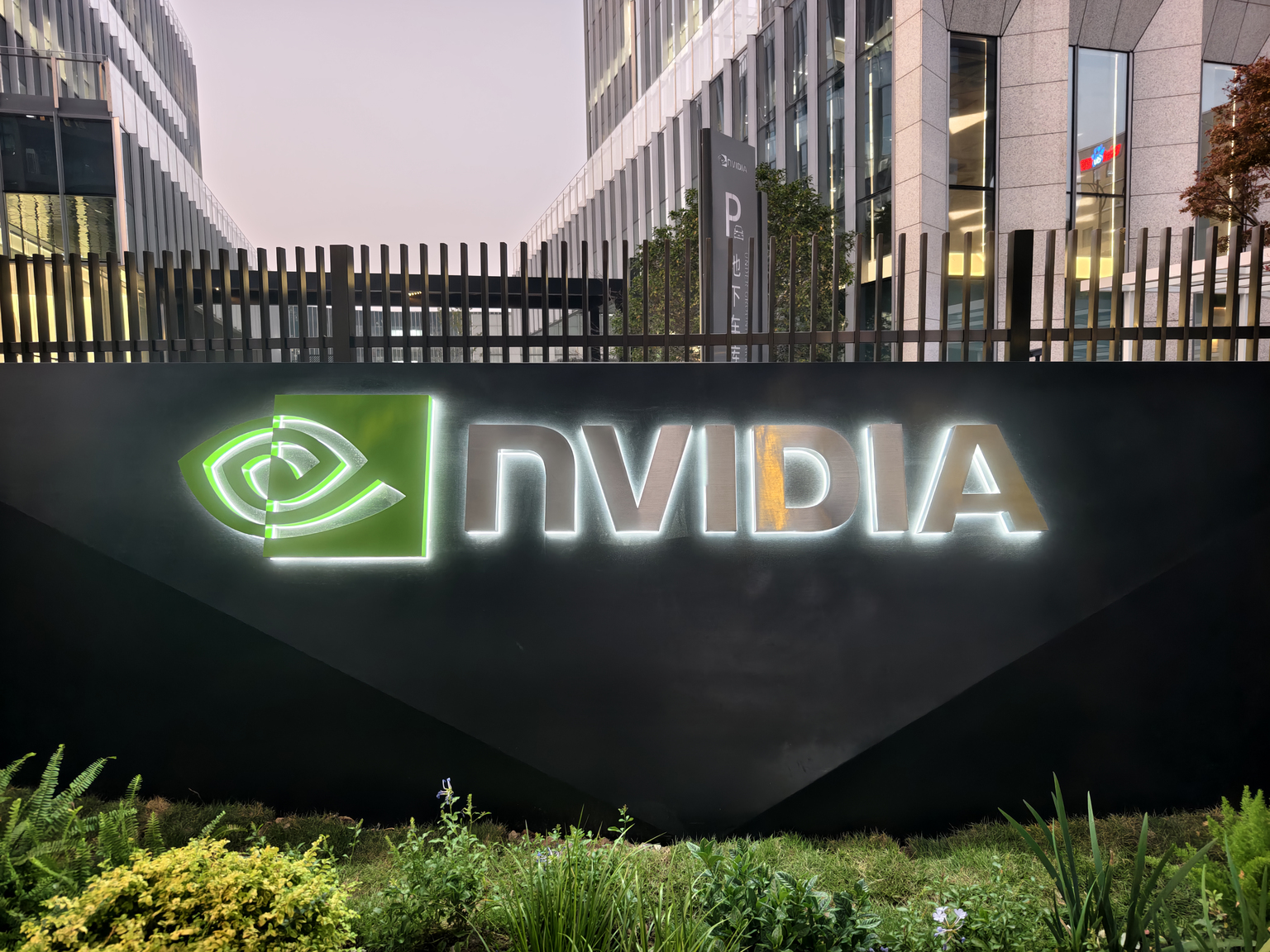
Bank of America Optimistic About Semiconductor Market Outlook

- Strong AI Infrastructure: Bank of America analysts predict sustained demand for AI infrastructure, driven by 3-5x year-over-year sales growth at frontier labs, with the AI total addressable market expected to reach approximately $1.7 trillion by 2030, indicating long-term growth potential.
- Surge in Semiconductor Stocks: Despite a sharp rise in semiconductor stocks in 2026, BofA notes that the forward P/E ratio is around 25.6, suggesting limited speculative inflation and supporting the durability of the rally amid ongoing AI infrastructure growth.
- Segmented Market Opportunities: BofA is optimistic about segments like compute, memory, and semiconductor equipment, particularly highlighting Nvidia, AMD, and Broadcom's leadership in compute, with multiple CPU announcements expected at next month's Computex event.
- Diverse Industry Demand: Analysts mention the potential of ON Semiconductor and Microchip in the analog market, especially with growing demand in AI and defense sectors, further enhancing the diverse demand outlook for the semiconductor industry.
See More

Dell Technologies Sees Growth Surge from AI Opportunities
- AI-Driven Growth: Dell Technologies' infrastructure solutions group achieved a remarkable 40% revenue growth in the last fiscal year, indicating strong demand for AI-optimized servers, while the client solutions group only saw a 5% increase, suggesting significant potential for client-side growth driven by AI.
- Future Demand from Agents: Nvidia CEO Jensen Huang predicts billions of agents will require computers, which could not only enhance work efficiency but also present Dell with new market opportunities, potentially boosting its computer business significantly.
- Strong Stock Performance: Over the past 12 months, Dell's stock has surged more than 160%, reaching an all-time high, and with a forward P/E ratio of 23, which is still lower than the S&P 500's 22, indicating strong investment value.
- Long-Term Investment Potential: As a leading brand in technology, Dell's potential in the AI sector positions it as an excellent long-term investment choice, expected to benefit from AI-related growth and further enhance its market standing.
See More

Nvidia's Strong Growth Amid Risk Warnings
- Market Dominance: Nvidia's stock has surged over 1,300% in the past five years, reaching a market cap of $5.2 trillion, establishing itself as the most valuable company globally, reflecting its strong dominance in the AI chip market.
- Investor Risk Management: Despite a 15% rise in Nvidia's stock this year, its recent stagnation suggests that investors should consider selling a portion of their holdings to mitigate potential downturn risks and protect their profits.
- Future Demand Outlook: While investments in AI continue to grow, suggesting strong demand for Nvidia's products, the uncertain economic environment and inflation may lead to a pullback in tech spending, impacting Nvidia's future growth prospects.
- Market Expectation Adjustments: The tech sector has a history of excessive spending and unrealistic growth expectations, and Nvidia's valuations could face significant downward adjustments in the future, necessitating cautious strategies from investors in anticipation of potential market corrections.
See More
Nvidia Continues to Dominate AI Chip Market
- Market Dominance: Nvidia's stock has surged over 1,300% in the past five years, reaching a market cap of $5.2 trillion, making it the most valuable company globally, showcasing its strong competitive position in the AI chip market.
- Strong Profitability: Despite challenges from tech companies making their own chips, Nvidia maintains a gross margin of 74.15%, indicating robust profitability and sustained market demand in the industry.
- Investment Risk Warning: Although the stock is up 15% this year, its recent underperformance raises concerns among investors about potential limitations on further price increases, suggesting that taking some profits could be a prudent risk management strategy.
- Future Growth Uncertainty: While investment in AI continues to rise, economic uncertainties may lead tech companies to cut back on AI spending, posing a risk of significant valuation declines for Nvidia and other tech stocks.
See More
SpaceX IPO Sparks Tech Stock Rally
- SpaceX IPO Outlook: SpaceX filed its S-1 IPO prospectus seeking a $2 trillion valuation, showcasing its ambitions in AI infrastructure and interstellar travel, which is expected to attract investor interest in tech themes.
- Intensifying AI Competition: OpenAI and Anthropic are also reportedly planning to file for IPOs in the coming weeks, which is likely to further fuel the AI trading frenzy and create a new competitive landscape in the market.
- Nvidia Earnings Boost: Nvidia's quarterly results last week exceeded Wall Street expectations and provided an optimistic second-quarter outlook, offering strong support for AI-related stocks and boosting investor confidence.
- Positive Market Reaction: As several tech companies report earnings this week, investors are optimistic about future profit expectations, particularly for firms like Zscaler, Marvell, and Salesforce, which may further drive tech stock gains.
See More
Declining Appeal of U.S. Treasuries Amid Rising Corporate Debt Interest
- Rising Treasury Yields: The yield on the two-year Treasury note has increased by 60 basis points this year, surpassing 4.00%, primarily due to the energy price surge from the Iran war, which is expected to compel the Federal Reserve to raise interest rates, thereby heightening investor concerns about Treasuries.
- Strong Corporate Debt Performance: Many blue-chip companies have outperformed Treasuries, with Apple's two-year bond yield narrowing to just 3 basis points above the Treasury yield, marking a record low spread and indicating a growing appeal of corporate debt over government bonds.
- Credit Rating Discrepancies: Microsoft and Johnson & Johnson are the only U.S. companies to hold AAA ratings from the three major agencies, while the U.S. government no longer has a AAA rating, reflecting that the risk of lending to corporations is now comparable to that of Treasuries, prompting investors to reassess risk-reward dynamics.
- Long-Term Investment Concerns: While corporate debt is viewed as lower risk, investors must consider long-term repayment capabilities, especially amid escalating global AI competition, which introduces uncertainties about companies' futures and their ability to meet debt obligations.
See More
Bank of America Optimistic About Semiconductor Market Outlook
- Strong AI Infrastructure: Bank of America analysts predict sustained demand for AI infrastructure, driven by 3-5x year-over-year sales growth at frontier labs, with the AI total addressable market expected to reach approximately $1.7 trillion by 2030, indicating long-term growth potential.
- Surge in Semiconductor Stocks: Despite a sharp rise in semiconductor stocks in 2026, BofA notes that the forward P/E ratio is around 25.6, suggesting limited speculative inflation and supporting the durability of the rally amid ongoing AI infrastructure growth.
- Segmented Market Opportunities: BofA is optimistic about segments like compute, memory, and semiconductor equipment, particularly highlighting Nvidia, AMD, and Broadcom's leadership in compute, with multiple CPU announcements expected at next month's Computex event.
- Diverse Industry Demand: Analysts mention the potential of ON Semiconductor and Microchip in the analog market, especially with growing demand in AI and defense sectors, further enhancing the diverse demand outlook for the semiconductor industry.
See More
Dell Technologies Sees Growth Surge from AI Opportunities
- AI-Driven Growth: Dell Technologies' infrastructure solutions group achieved a remarkable 40% revenue growth in the last fiscal year, indicating strong demand for AI-optimized servers, while the client solutions group only saw a 5% increase, suggesting significant potential for client-side growth driven by AI.
- Future Demand from Agents: Nvidia CEO Jensen Huang predicts billions of agents will require computers, which could not only enhance work efficiency but also present Dell with new market opportunities, potentially boosting its computer business significantly.
- Strong Stock Performance: Over the past 12 months, Dell's stock has surged more than 160%, reaching an all-time high, and with a forward P/E ratio of 23, which is still lower than the S&P 500's 22, indicating strong investment value.
- Long-Term Investment Potential: As a leading brand in technology, Dell's potential in the AI sector positions it as an excellent long-term investment choice, expected to benefit from AI-related growth and further enhance its market standing.
See More
Nvidia's Strong Growth Amid Risk Warnings
- Market Dominance: Nvidia's stock has surged over 1,300% in the past five years, reaching a market cap of $5.2 trillion, establishing itself as the most valuable company globally, reflecting its strong dominance in the AI chip market.
- Investor Risk Management: Despite a 15% rise in Nvidia's stock this year, its recent stagnation suggests that investors should consider selling a portion of their holdings to mitigate potential downturn risks and protect their profits.
- Future Demand Outlook: While investments in AI continue to grow, suggesting strong demand for Nvidia's products, the uncertain economic environment and inflation may lead to a pullback in tech spending, impacting Nvidia's future growth prospects.
- Market Expectation Adjustments: The tech sector has a history of excessive spending and unrealistic growth expectations, and Nvidia's valuations could face significant downward adjustments in the future, necessitating cautious strategies from investors in anticipation of potential market corrections.
See More