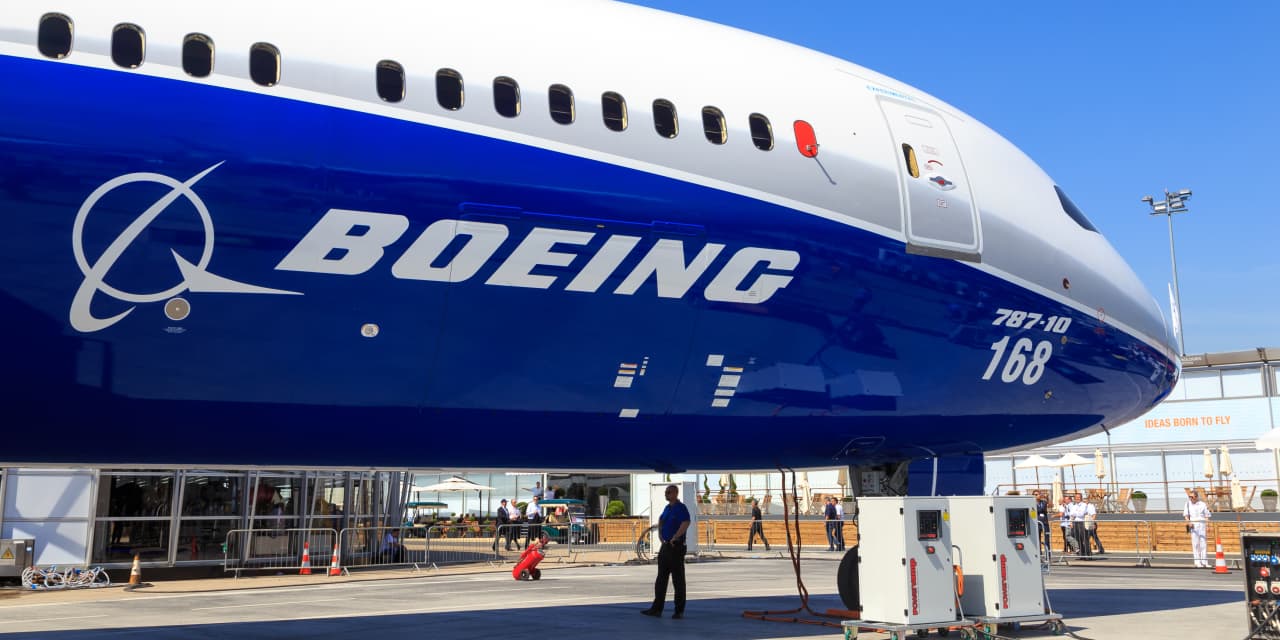
Nvidia Achieves Full Production of Rubin Architecture Six Months Ahead of Schedule
Written by Emily J. Thompson, Senior Investment Analyst
Updated: Jan 10 2026
0mins
Source: NASDAQ.COM
- Production Ahead of Schedule: Nvidia's Rubin architecture has reached full production six months ahead of the original target for the second half of 2026, which will help alleviate the AI chip shortage and meet the urgent demands of cloud computing customers.
- Significant Cost Efficiency: The new architecture's six chips deliver a 10x reduction in inference token costs and a 4x reduction in the number of GPUs needed to train MoE models, significantly enhancing AI training efficiency and strengthening Nvidia's competitive position in the market.
- Strong Market Demand: With Microsoft's Azure cloud service experiencing a 40% year-over-year growth, the demand for Nvidia's AI chips remains robust, expected to drive sales and revenue growth, further solidifying its market position.
- Attractive Investment Opportunity: Nvidia's stock trades at a compelling 25 times next year's expected sales, and despite fierce market competition, it is viewed as an attractive investment opportunity, reflecting investor confidence in its future growth.
Trade with 70% Backtested Accuracy
Stop guessing "Should I Buy NVDA?" and start using high-conviction signals backed by rigorous historical data.
Sign up today to access powerful investing tools and make smarter, data-driven decisions.
Analyst Views on NVDA
Wall Street analysts forecast NVDA stock price to rise
41 Analyst Rating
39 Buy
1 Hold
1 Sell
Strong Buy
Current: 218.660

Low
200.00
Averages
264.97
High
352.00
Current: 218.660
Low
200.00
Averages
264.97
High
352.00
About NVDA
NVIDIA Corporation is an artificial intelligence (AI) infrastructure company. The Company is engaged in accelerated computing to help solve the challenging computational problems. Its segments include Compute & Networking and Graphics. The Compute & Networking segment includes its Data Center accelerated computing and networking platforms and AI solutions and software, and automotive platforms and autonomous and electric vehicle solutions, including software. The Graphics segment includes GeForce GPUs for gaming and personal computers (PCs), and Quadro/NVIDIA RTX GPUs for enterprise workstation graphics. Its technology stack includes the foundational NVIDIA CUDA development platform that runs on all NVIDIA GPUs, as well as hundreds of domain-specific software libraries, frameworks, algorithms, software development kits (SDKs), and application programming interfaces (APIs). Its platforms address four markets, which include Data Center, Gaming, Professional Visualization, and Automotive.
About the author

Emily J. Thompson
Emily J. Thompson, a Chartered Financial Analyst (CFA) with 12 years in investment research, graduated with honors from the Wharton School. Specializing in industrial and technology stocks, she provides in-depth analysis for Intellectia’s earnings and market brief reports.
Nvidia Reports Stellar Quarter; AI Sparks New Wealth Opportunities

- Outstanding Quarterly Performance: Nvidia's latest quarterly report reveals exceptional performance, driving the stock price to new highs on the afternoon of May 28, 2026, reflecting strong market demand and profitability.
- AI Wealth Potential: The rapid advancement of artificial intelligence has sparked discussions about the world's first trillionaire, indicating the expanding economic impact and investment opportunities within the AI sector.
- Investment Recommendation Shift: Despite Nvidia's strong performance, the Motley Fool Stock Advisor analyst team noted that Nvidia was not included in the current list of the top 10 recommended stocks, advising investors to exercise caution in their selections.
- Historical Return Comparison: According to Motley Fool data, previously recommended stocks like Netflix and Nvidia achieved returns of 439,632% and 1,316,532% respectively, demonstrating the effectiveness of their recommendation strategy and the market's potential.
See More

Nvidia Acquires Kumo AI for Over $400M
- Acquisition Confirmation: Nvidia has confirmed its acquisition of AI model maker Kumo AI for over $400 million, as stated by an executive on LinkedIn, indicating the company's strategic expansion in the AI sector.
- Founder Transition: Kumo AI founders Vanja Josifovski, Jure Leskovec, and Hema Raghavan have updated their LinkedIn profiles to reflect their new roles at Nvidia, suggesting a potential boost in AI technology development within the company.
- Product Launch: Kumo AI released its latest model, KumoRFM-2, in April, showcasing the startup's ongoing innovation in AI model development, which could enhance Nvidia's competitive edge in the market.
- Stock Price Reaction: Despite the acquisition news, Nvidia's shares fell by 1% on Thursday, indicating that the market's initial reaction to the deal may not be positive, as investors express concerns over potential integration risks.
See More

Nvidia's Investments Propel AI Infrastructure Growth

- Significant Investment Returns: An investment of $1,000 in Nvidia stock three years ago has grown to over $5,400, showcasing its strong performance in the AI era, although the stock has only gained 14% this year, the sustained growth potential continues to attract investor interest.
- Strategic Investment Moves: Nvidia's $2 billion investments in companies like Coherent and Lumentum aim to support research and production capabilities for optical networking and laser components, ensuring a critical position in the AI data center infrastructure supply chain.
- Surging Market Demand: McKinsey estimates that demand for 800 Gbps optical transceivers in AI data centers will exceed production capacity by 40% to 60% by 2027, driving up prices for optical components and yielding substantial returns on Nvidia's investments.
- Future Growth Potential: The investment in Marvell will enable Nvidia to integrate custom AI processors and networking components, with Marvell expected to achieve revenue growth of 40% to 45% over the next two years, further solidifying Nvidia's dominance in the AI semiconductor space.
See More

Strong Jobs Report Triggers Market Volatility


- Job Data Surprises: May's nonfarm payrolls rose by 172,000, significantly exceeding economists' expectations of 80,000, while the unemployment rate remained steady at 4.3%, indicating economic strength but increasing market anxiety over potential Federal Reserve interest rate hikes.
- Tech Stocks Decline: Semiconductor stocks led the market drop, with Nvidia and Broadcom down 5% and 5.5%, respectively, while Micron Technology and AMD fell over 9%, collectively erasing more than $500 billion in market capitalization, highlighting the vulnerability of high-growth tech valuations amid rising rate expectations.
- Dow Jones Divergence: Despite a 0.8% drop in the Dow Jones Industrial Average, 15 of its components rose, with Coca-Cola gaining 3.8% and contributing 18 points to the index, demonstrating the resilience of defensive stocks during market volatility.
- Oil and Crypto Fluctuations: Oil prices fell by 3%, and Bitcoin dropped 4.9% to $59,138, reflecting market concerns over uncertainty, particularly in light of the tense situation in the Strait of Hormuz, leading investors to adopt a cautious stance.
See More

US Nonfarm Payroll Growth Exceeds Expectations
- Strong Employment Data: May nonfarm payroll growth reached 172,000, significantly surpassing economists' expectations of 85,000, and while the unemployment rate held steady at 4.3%, this robust job growth may prompt the Federal Reserve to raise interest rates, impacting market sentiment.
- Negative Market Reaction: Despite the positive jobs report, the Nasdaq Composite index dropped nearly 3%, indicating investor concerns over potential rate hikes, particularly as tech stocks like Nvidia and Broadcom fell by 5% and 5.5%, respectively, leading to a total market capitalization loss exceeding $500 billion.
- SpaceX IPO Delay: SpaceX is set to launch its $1.75 trillion IPO on June 12, but due to a nearly $5 billion loss last year, it is unlikely to be included in the S&P 500 until at least 2027, which could affect its market liquidity and investor confidence.
- Defensive Investment Return: In light of the unexpectedly strong employment data, investors are shifting towards defensive sectors such as healthcare and consumer staples, reflecting a cautious market stance regarding future interest rate increases, even though the fundamentals of these sectors remain unchanged.
See More

Nvidia's Strategic Investments Propel AI Hardware Market
- Strategic Investments: Nvidia's recent investments of $2 billion each in Lumentum, Coherent, and Marvell Technology aim to enhance its control over the AI hardware market, thereby ensuring a competitive edge in the rapidly evolving AI infrastructure landscape.
- Market Performance: Despite Nvidia's stock gaining only 14% this year, its investment return over the past three years has exceeded 440%, indicating sustained growth potential and market confidence in its AI capabilities.
- Optical Network Demand: McKinsey estimates that demand for 800 Gbps optical transceivers in AI data centers will exceed production capacity by 40% to 60% by 2027, driving Lumentum and Coherent's stock prices up by over 1100% and 444%, respectively, reflecting strong market demand.
- Future Outlook: Nvidia's partnership with Marvell is set to accelerate the development of custom AI processors, with Marvell anticipating a 40% revenue increase to $11.5 billion in the current fiscal year, further solidifying Nvidia's dominance in the AI semiconductor space.
See More
Nvidia Reports Stellar Quarter; AI Sparks New Wealth Opportunities
- Outstanding Quarterly Performance: Nvidia's latest quarterly report reveals exceptional performance, driving the stock price to new highs on the afternoon of May 28, 2026, reflecting strong market demand and profitability.
- AI Wealth Potential: The rapid advancement of artificial intelligence has sparked discussions about the world's first trillionaire, indicating the expanding economic impact and investment opportunities within the AI sector.
- Investment Recommendation Shift: Despite Nvidia's strong performance, the Motley Fool Stock Advisor analyst team noted that Nvidia was not included in the current list of the top 10 recommended stocks, advising investors to exercise caution in their selections.
- Historical Return Comparison: According to Motley Fool data, previously recommended stocks like Netflix and Nvidia achieved returns of 439,632% and 1,316,532% respectively, demonstrating the effectiveness of their recommendation strategy and the market's potential.
See More
Nvidia Acquires Kumo AI for Over $400M
- Acquisition Confirmation: Nvidia has confirmed its acquisition of AI model maker Kumo AI for over $400 million, as stated by an executive on LinkedIn, indicating the company's strategic expansion in the AI sector.
- Founder Transition: Kumo AI founders Vanja Josifovski, Jure Leskovec, and Hema Raghavan have updated their LinkedIn profiles to reflect their new roles at Nvidia, suggesting a potential boost in AI technology development within the company.
- Product Launch: Kumo AI released its latest model, KumoRFM-2, in April, showcasing the startup's ongoing innovation in AI model development, which could enhance Nvidia's competitive edge in the market.
- Stock Price Reaction: Despite the acquisition news, Nvidia's shares fell by 1% on Thursday, indicating that the market's initial reaction to the deal may not be positive, as investors express concerns over potential integration risks.
See More
Nvidia's Investments Propel AI Infrastructure Growth
- Significant Investment Returns: An investment of $1,000 in Nvidia stock three years ago has grown to over $5,400, showcasing its strong performance in the AI era, although the stock has only gained 14% this year, the sustained growth potential continues to attract investor interest.
- Strategic Investment Moves: Nvidia's $2 billion investments in companies like Coherent and Lumentum aim to support research and production capabilities for optical networking and laser components, ensuring a critical position in the AI data center infrastructure supply chain.
- Surging Market Demand: McKinsey estimates that demand for 800 Gbps optical transceivers in AI data centers will exceed production capacity by 40% to 60% by 2027, driving up prices for optical components and yielding substantial returns on Nvidia's investments.
- Future Growth Potential: The investment in Marvell will enable Nvidia to integrate custom AI processors and networking components, with Marvell expected to achieve revenue growth of 40% to 45% over the next two years, further solidifying Nvidia's dominance in the AI semiconductor space.
See More
Strong Jobs Report Triggers Market Volatility
- Job Data Surprises: May's nonfarm payrolls rose by 172,000, significantly exceeding economists' expectations of 80,000, while the unemployment rate remained steady at 4.3%, indicating economic strength but increasing market anxiety over potential Federal Reserve interest rate hikes.
- Tech Stocks Decline: Semiconductor stocks led the market drop, with Nvidia and Broadcom down 5% and 5.5%, respectively, while Micron Technology and AMD fell over 9%, collectively erasing more than $500 billion in market capitalization, highlighting the vulnerability of high-growth tech valuations amid rising rate expectations.
- Dow Jones Divergence: Despite a 0.8% drop in the Dow Jones Industrial Average, 15 of its components rose, with Coca-Cola gaining 3.8% and contributing 18 points to the index, demonstrating the resilience of defensive stocks during market volatility.
- Oil and Crypto Fluctuations: Oil prices fell by 3%, and Bitcoin dropped 4.9% to $59,138, reflecting market concerns over uncertainty, particularly in light of the tense situation in the Strait of Hormuz, leading investors to adopt a cautious stance.
See More
US Nonfarm Payroll Growth Exceeds Expectations
- Strong Employment Data: May nonfarm payroll growth reached 172,000, significantly surpassing economists' expectations of 85,000, and while the unemployment rate held steady at 4.3%, this robust job growth may prompt the Federal Reserve to raise interest rates, impacting market sentiment.
- Negative Market Reaction: Despite the positive jobs report, the Nasdaq Composite index dropped nearly 3%, indicating investor concerns over potential rate hikes, particularly as tech stocks like Nvidia and Broadcom fell by 5% and 5.5%, respectively, leading to a total market capitalization loss exceeding $500 billion.
- SpaceX IPO Delay: SpaceX is set to launch its $1.75 trillion IPO on June 12, but due to a nearly $5 billion loss last year, it is unlikely to be included in the S&P 500 until at least 2027, which could affect its market liquidity and investor confidence.
- Defensive Investment Return: In light of the unexpectedly strong employment data, investors are shifting towards defensive sectors such as healthcare and consumer staples, reflecting a cautious market stance regarding future interest rate increases, even though the fundamentals of these sectors remain unchanged.
See More
Nvidia's Strategic Investments Propel AI Hardware Market
- Strategic Investments: Nvidia's recent investments of $2 billion each in Lumentum, Coherent, and Marvell Technology aim to enhance its control over the AI hardware market, thereby ensuring a competitive edge in the rapidly evolving AI infrastructure landscape.
- Market Performance: Despite Nvidia's stock gaining only 14% this year, its investment return over the past three years has exceeded 440%, indicating sustained growth potential and market confidence in its AI capabilities.
- Optical Network Demand: McKinsey estimates that demand for 800 Gbps optical transceivers in AI data centers will exceed production capacity by 40% to 60% by 2027, driving Lumentum and Coherent's stock prices up by over 1100% and 444%, respectively, reflecting strong market demand.
- Future Outlook: Nvidia's partnership with Marvell is set to accelerate the development of custom AI processors, with Marvell anticipating a 40% revenue increase to $11.5 billion in the current fiscal year, further solidifying Nvidia's dominance in the AI semiconductor space.
See More