Boeing Considers Raising 737 Production Target
Written by Emily J. Thompson, Senior Investment Analyst
Updated: 59 minutes ago
0mins
Source: seekingalpha
- Production Target Increase: Boeing is studying the possibility of raising its long-term production target for the 737 aircraft family from 63 to 70 planes per month, although no firm plans have been established yet, indicating the company's proactive response to market demand.
- New Production Line Launch: Boeing will begin building new 737 MAX jets at a new assembly line near Seattle on July 6, which will support increased production capacity and is expected to ramp up MAX output to 52 jets per month.
- Production Growth Trend: Currently, Boeing is producing 47 737 MAX jets per month, up from 42 earlier this year, demonstrating the company's gradual recovery in production capacity while actively addressing growing market demand.
- Supply Chain Resilience Assessment: CEO Kelly Ortberg stated that Boeing will assess the resilience of its supply chain and production constraints to determine if higher production rates can be supported, with this study activity providing crucial insights for future production decisions.
Trade with 70% Backtested Accuracy
Stop guessing "Should I Buy BA?" and start using high-conviction signals backed by rigorous historical data.
Sign up today to access powerful investing tools and make smarter, data-driven decisions.
Analyst Views on BA
Wall Street analysts forecast BA stock price to rise
16 Analyst Rating
14 Buy
1 Hold
1 Sell
Strong Buy
Current: 217.420

Low
150.00
Averages
269.14
High
298.00
Current: 217.420
Low
150.00
Averages
269.14
High
298.00
About BA
The Boeing Company is an aerospace company. Its segments include Commercial Airplanes (BCA), Defense, Space & Security (BDS), and Global Services (BGS). Its BCA segment develops, produces and markets commercial jet aircraft principally for the commercial airline industry worldwide. Its family of commercial jet aircraft in production includes the 737 narrow-body model and the 767, 777 and 787 wide-body models. Its BDS segment is engaged in the research, development, production and modification of manned and unmanned military aircraft and weapons systems for strike, surveillance and mobility. Its BGS segment provides services to its commercial and defense customers worldwide. It sustains aerospace platforms and systems with a range of products and services, including supply chain and logistics management, engineering, maintenance and modifications, upgrades and conversions, spare parts, pilot and maintenance training systems and services, technical and maintenance documents, and others.
About the author

Emily J. Thompson
Emily J. Thompson, a Chartered Financial Analyst (CFA) with 12 years in investment research, graduated with honors from the Wharton School. Specializing in industrial and technology stocks, she provides in-depth analysis for Intellectia’s earnings and market brief reports.

Boeing Adjusts 737 Production Plans Amid Optimism for Dreamliner

- 737 Production Plans: Boeing is currently studying the possibility of increasing 737 production above the planned 63 jets per month, with CEO Kelly Ortberg emphasizing that any higher rates remain a 'study activity' rather than a confirmed target.
- Optimism for 787 Production: Boeing is optimistic about ramping up 787 Dreamliner production to 10 aircraft per month by year-end, although the program faces supply chain constraints, particularly regarding seating and engine deliveries.
- New Production Line Launch: Boeing will begin building 737 Max aircraft on a new assembly line in Everett, Washington, starting July 6, which is expected to facilitate an increase in production from 47 to 52 jets per month, while the company remains cautious about its production capabilities.
- Chinese Market Prospects: Ortberg discussed positive prospects in China following a meeting with President Trump, noting that while Boeing has not secured a new 737 order in nearly a decade, there is a commitment to open the market with an initial quantity.
See More
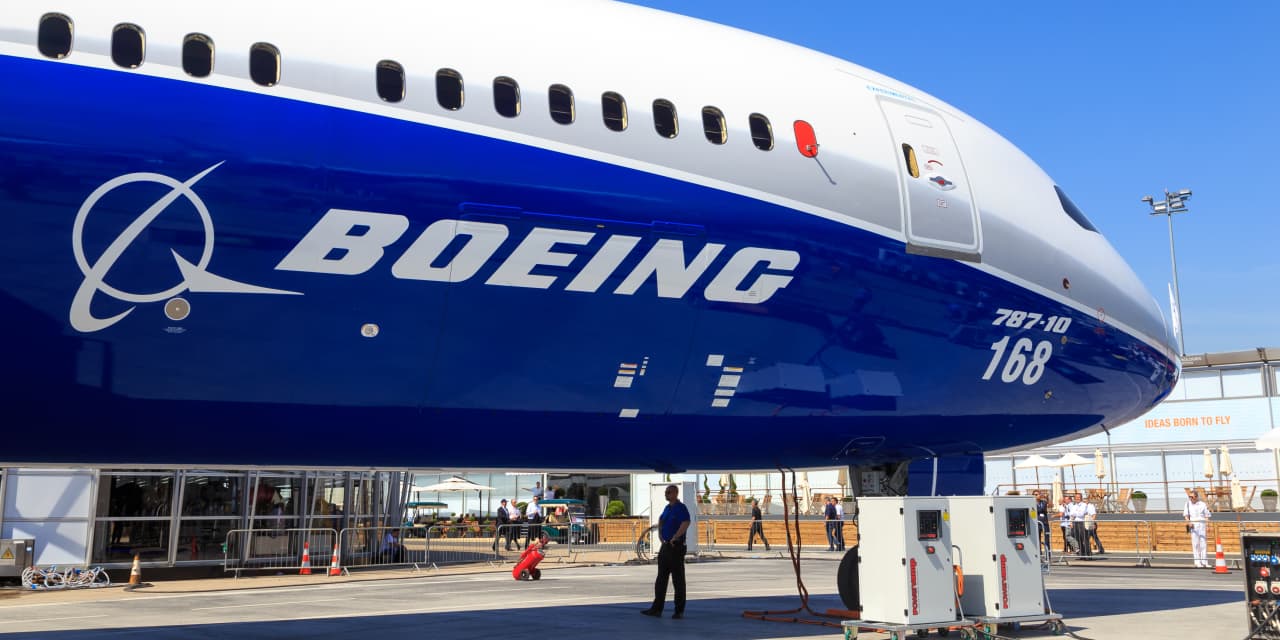
Boeing Considers Raising 737 Production Target
- Production Target Increase: Boeing is studying the possibility of raising its long-term production target for the 737 aircraft family from 63 to 70 planes per month, although no firm plans have been established yet, indicating the company's proactive response to market demand.
- New Production Line Launch: Boeing will begin building new 737 MAX jets at a new assembly line near Seattle on July 6, which will support increased production capacity and is expected to ramp up MAX output to 52 jets per month.
- Production Growth Trend: Currently, Boeing is producing 47 737 MAX jets per month, up from 42 earlier this year, demonstrating the company's gradual recovery in production capacity while actively addressing growing market demand.
- Supply Chain Resilience Assessment: CEO Kelly Ortberg stated that Boeing will assess the resilience of its supply chain and production constraints to determine if higher production rates can be supported, with this study activity providing crucial insights for future production decisions.
See More
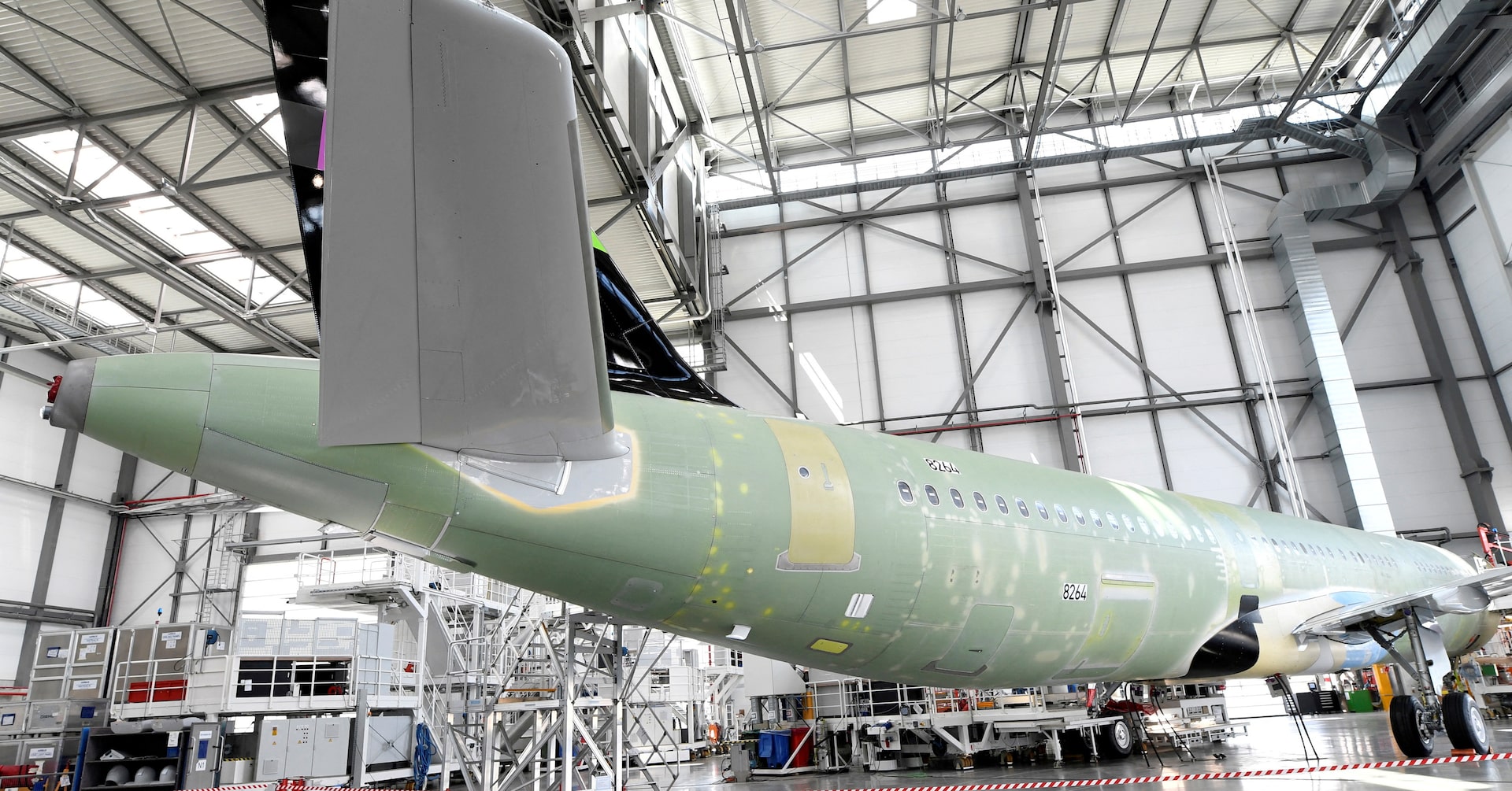
Boeing Opens New 737 Max Production Line in Everett

- New Production Line Launch: Boeing will commence production at its new 737 Max final assembly line in Everett, Washington, starting July 6, aiming to ramp up to 52 jets per month, significantly enhancing capacity to meet market demand.
- Production Increase Plan: Currently, Boeing produces 47 Max jets monthly, up from 42 earlier this year, with a long-term goal of reaching 63 jets per month, contingent on supply chain support, which would further solidify its market position.
- Regulatory Constraints Impact: Despite Boeing's ambitions to increase 737 Max production, its capacity is limited by the Federal Aviation Administration due to safety issues stemming from an incident involving an Alaska Airlines plane in January 2024, leading to extensive quality reviews.
- New Model Certification: The new assembly line will initially focus on the 737 Max 10, which is expected to receive FAA certification by the end of the year, paving the way for the first deliveries of this model and expanding Boeing's product offerings.
See More

Boeing Launches New 737 Max Production Line
- New Production Line: Boeing will commence production at its new 737 Max final assembly line in Everett, Washington, starting July 6, aiming to increase output to 52 jets per month, significantly enhancing capacity to meet market demand.
- Production Increase Plan: Currently, Boeing produces 47 737 Max jets monthly, up from 42 earlier this year, with a long-term goal of reaching 63 jets per month, contingent on supply chain support to facilitate this growth.
- Regulatory Constraints: Following a safety incident involving an Alaska Airlines plane in January 2024, the Federal Aviation Administration imposed production limits on Boeing, presenting challenges to its production capabilities and hindering efforts to ramp up output.
- New Model Certification: The new assembly line will initially focus on the 737 Max 10, which is expected to receive FAA certification by the end of the year, paving the way for its first deliveries and further bolstering Boeing's competitiveness in the single-aisle aircraft market.
See More

Riyadh Air Receives First Two Boeing 787 Dreamliners
- First Aircraft Delivery: Riyadh Air's first two custom-built Boeing 787 Dreamliners have successfully arrived in Riyadh, marking a historic moment as the airline prepares to launch commercial services.
- Aviation Strategy Advancement: This delivery represents a significant step in Saudi Arabia's aviation strategy, aiming to attract 150 million visitors and serve 330 million passengers by 2030, showcasing the nation's ambitions in the global aviation market.
- Fleet Expansion Plan: Riyadh Air plans to acquire up to 72 Boeing 787 aircraft, aimed at connecting the Kingdom to regional and long-haul markets in Europe, Asia, Africa, and North America, enhancing international route coverage.
- Service Goals: The airline aims to serve over 100 destinations by 2030, with initial flights to cities including London, Cairo, and Jeddah, further solidifying Saudi Arabia's position as a global aviation hub.
See More

Riyadh Air Welcomes First 787 Dreamliners as It Prepares for Launch
- First Aircraft Delivery: Riyadh Air has received its first two 787 Dreamliners, marking a historic moment as the airline prepares to launch commercial operations, showcasing a significant milestone for Saudi aviation.
- Strategic Goals: Saudi Arabia's aviation strategy aims to attract 150 million visitors and serve 330 million passengers by 2030, with Riyadh Air's 787 fleet playing a central role in connecting regional and long-haul markets.
- Route Expansion Plans: Riyadh Air plans to serve over 100 destinations by 2030, with early flights to cities including London, Cairo, and Jeddah, further enhancing Saudi Arabia's global connectivity.
- Efficient Travel Experience: The 787 Dreamliner offers unmatched efficiency and flexibility, designed to deliver an exceptional travel experience, supporting Saudi Arabia's vision for modernization in the global aviation market.
See More
Boeing Adjusts 737 Production Plans Amid Optimism for Dreamliner
- 737 Production Plans: Boeing is currently studying the possibility of increasing 737 production above the planned 63 jets per month, with CEO Kelly Ortberg emphasizing that any higher rates remain a 'study activity' rather than a confirmed target.
- Optimism for 787 Production: Boeing is optimistic about ramping up 787 Dreamliner production to 10 aircraft per month by year-end, although the program faces supply chain constraints, particularly regarding seating and engine deliveries.
- New Production Line Launch: Boeing will begin building 737 Max aircraft on a new assembly line in Everett, Washington, starting July 6, which is expected to facilitate an increase in production from 47 to 52 jets per month, while the company remains cautious about its production capabilities.
- Chinese Market Prospects: Ortberg discussed positive prospects in China following a meeting with President Trump, noting that while Boeing has not secured a new 737 order in nearly a decade, there is a commitment to open the market with an initial quantity.
See More
Boeing Considers Raising 737 Production Target
- Production Target Increase: Boeing is studying the possibility of raising its long-term production target for the 737 aircraft family from 63 to 70 planes per month, although no firm plans have been established yet, indicating the company's proactive response to market demand.
- New Production Line Launch: Boeing will begin building new 737 MAX jets at a new assembly line near Seattle on July 6, which will support increased production capacity and is expected to ramp up MAX output to 52 jets per month.
- Production Growth Trend: Currently, Boeing is producing 47 737 MAX jets per month, up from 42 earlier this year, demonstrating the company's gradual recovery in production capacity while actively addressing growing market demand.
- Supply Chain Resilience Assessment: CEO Kelly Ortberg stated that Boeing will assess the resilience of its supply chain and production constraints to determine if higher production rates can be supported, with this study activity providing crucial insights for future production decisions.
See More
Boeing Opens New 737 Max Production Line in Everett
- New Production Line Launch: Boeing will commence production at its new 737 Max final assembly line in Everett, Washington, starting July 6, aiming to ramp up to 52 jets per month, significantly enhancing capacity to meet market demand.
- Production Increase Plan: Currently, Boeing produces 47 Max jets monthly, up from 42 earlier this year, with a long-term goal of reaching 63 jets per month, contingent on supply chain support, which would further solidify its market position.
- Regulatory Constraints Impact: Despite Boeing's ambitions to increase 737 Max production, its capacity is limited by the Federal Aviation Administration due to safety issues stemming from an incident involving an Alaska Airlines plane in January 2024, leading to extensive quality reviews.
- New Model Certification: The new assembly line will initially focus on the 737 Max 10, which is expected to receive FAA certification by the end of the year, paving the way for the first deliveries of this model and expanding Boeing's product offerings.
See More
Boeing Launches New 737 Max Production Line
- New Production Line: Boeing will commence production at its new 737 Max final assembly line in Everett, Washington, starting July 6, aiming to increase output to 52 jets per month, significantly enhancing capacity to meet market demand.
- Production Increase Plan: Currently, Boeing produces 47 737 Max jets monthly, up from 42 earlier this year, with a long-term goal of reaching 63 jets per month, contingent on supply chain support to facilitate this growth.
- Regulatory Constraints: Following a safety incident involving an Alaska Airlines plane in January 2024, the Federal Aviation Administration imposed production limits on Boeing, presenting challenges to its production capabilities and hindering efforts to ramp up output.
- New Model Certification: The new assembly line will initially focus on the 737 Max 10, which is expected to receive FAA certification by the end of the year, paving the way for its first deliveries and further bolstering Boeing's competitiveness in the single-aisle aircraft market.
See More
Riyadh Air Receives First Two Boeing 787 Dreamliners
- First Aircraft Delivery: Riyadh Air's first two custom-built Boeing 787 Dreamliners have successfully arrived in Riyadh, marking a historic moment as the airline prepares to launch commercial services.
- Aviation Strategy Advancement: This delivery represents a significant step in Saudi Arabia's aviation strategy, aiming to attract 150 million visitors and serve 330 million passengers by 2030, showcasing the nation's ambitions in the global aviation market.
- Fleet Expansion Plan: Riyadh Air plans to acquire up to 72 Boeing 787 aircraft, aimed at connecting the Kingdom to regional and long-haul markets in Europe, Asia, Africa, and North America, enhancing international route coverage.
- Service Goals: The airline aims to serve over 100 destinations by 2030, with initial flights to cities including London, Cairo, and Jeddah, further solidifying Saudi Arabia's position as a global aviation hub.
See More
Riyadh Air Welcomes First 787 Dreamliners as It Prepares for Launch
- First Aircraft Delivery: Riyadh Air has received its first two 787 Dreamliners, marking a historic moment as the airline prepares to launch commercial operations, showcasing a significant milestone for Saudi aviation.
- Strategic Goals: Saudi Arabia's aviation strategy aims to attract 150 million visitors and serve 330 million passengers by 2030, with Riyadh Air's 787 fleet playing a central role in connecting regional and long-haul markets.
- Route Expansion Plans: Riyadh Air plans to serve over 100 destinations by 2030, with early flights to cities including London, Cairo, and Jeddah, further enhancing Saudi Arabia's global connectivity.
- Efficient Travel Experience: The 787 Dreamliner offers unmatched efficiency and flexibility, designed to deliver an exceptional travel experience, supporting Saudi Arabia's vision for modernization in the global aviation market.
See More