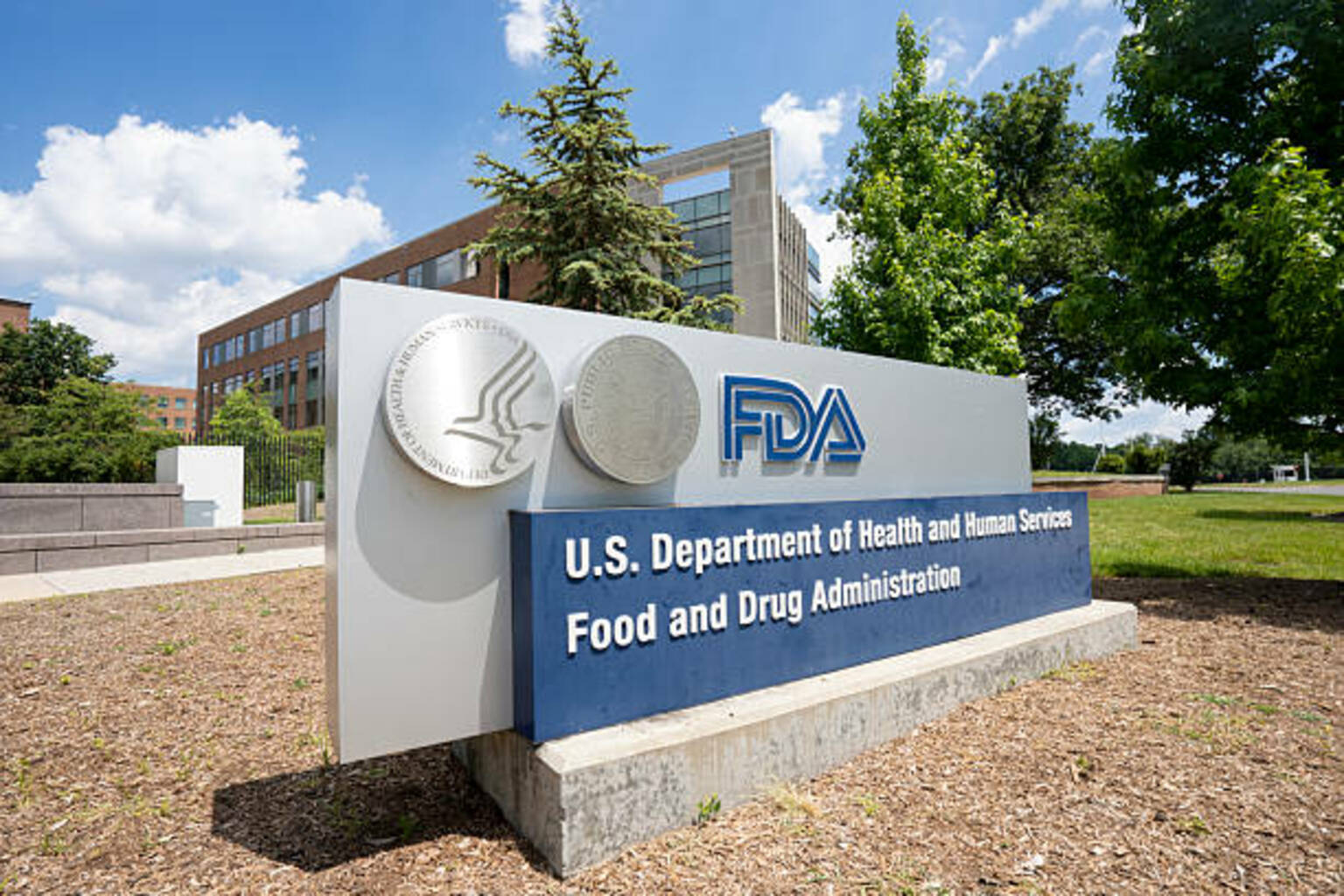
Novo Nordisk Shares Face Challenges as Competitor Eli Lilly Enters the $1 Trillion Market Valuation Club

Eli Lilly's Market Achievement: Eli Lilly reached a market capitalization of $1 trillion, joining a select group of non-tech companies, while Novo Nordisk's shares have dropped nearly 44% this year, leading to a recalibration of its operations.
Leadership Changes at Novo Nordisk: Lars Rebien Sørensen has been appointed as the new board chair, aiming to support CEO Mike Doustdar's transformation plans after the ousting of the previous leader due to declining shares.
Job Cuts and Market Competition: Novo Nordisk is reducing its workforce in both the U.S. and Denmark as it faces slower sales growth and competition from Eli Lilly's successful weight-loss drug Zepbound.
Analyst Ratings and Future Outlook: Analysts maintain a Moderate Buy consensus on Novo Nordisk, with an average price target suggesting a potential 20% upside, despite recent challenges and a failed acquisition of the startup Metsera.
Trade with 70% Backtested Accuracy
Analyst Views on PFE

About PFE
About the author


High Dividend Stock Analysis: Verizon Leads


- High Dividend Overview: Among the S&P 500, Verizon, General Mills, Pfizer, and Kraft Heinz all boast dividend yields exceeding 6%, with Pfizer leading at 7.20%, highlighting its attractiveness and potential investment value.
- Payout Ratio Analysis: Pfizer's payout ratio of 56.2% is the lowest, indicating its ability to maintain high dividends while retaining sufficient funds for growth investments, making it more sustainable compared to Verizon's 57.6% and General Mills' 68.7%.
- Dividend Growth History: Verizon has raised its dividend for 21 consecutive years, demonstrating strong financial strength and long-term commitment, while Pfizer has maintained growth for 15 years, providing investor confidence in their dividend stability.
- Investment Return Performance: Despite General Mills' 20% decline year-to-date, Verizon has achieved a 4% annualized return over the past three years, and analysts generally favor its future prospects, with 41% rating it a buy and a target price of $50.50, indicating a 22% upside.

Pfizer Eyes Kailera Acquisition to Expand Weight Loss Portfolio

- Vaccine Dependency Decline: Pfizer has significantly underperformed over the past three years, primarily due to its reliance on COVID-19 vaccines, which have seen declining vaccination rates, putting pressure on sales and impacting overall market performance.
- Acquisition Potential: CEO Albert Bourla highlighted the company's 'very big balance sheet,' indicating its capability to pursue potential acquisitions in the future, despite having made several buyouts in recent years, reflecting a proactive approach to business expansion.
- Weight Loss Market Opportunity: Pfizer bolstered its weight loss portfolio by acquiring Metsera for up to $10 billion, with its lead asset MET-097i now in phase 3 trials, showcasing the company's strategic positioning in the rapidly growing anti-obesity market.
- Attractiveness of Kailera: Kailera Therapeutics' leading candidate ribupatide mimics the actions of two gut hormones, potentially offering a competitive edge in the weight loss market; acquiring Kailera would significantly enhance Pfizer's differentiated pipeline in this sector.
Alnylam Pharmaceuticals Shares Drop 24%, Yet Optimism Persists

- Significant Revenue Growth: Alnylam Pharmaceuticals reported a 121% year-over-year surge in product revenue to $1.04 billion in Q1, primarily driven by a 153% increase in its ATTR franchise, indicating strong market demand in the rare disease treatment sector.
- Profitability Improvement: The company achieved earnings per share (EPS) of $1.51, a substantial turnaround from a loss of $0.14 per share in the same period last year, demonstrating Alnylam's rapid transition into a profitable commercial powerhouse, which boosts investor confidence.
- Expansion into New Indications: New data for Alnylam's Amvuttra reinforces its position as a first-line treatment for cardiomyopathy, setting the stage for a massive commercial launch and further market share expansion.
- Strong Technological Moat: Alnylam's RNA interference platform creates a deep technological moat, and its collaboration with Inceptive Nucleics on AI accelerates the discovery of next-generation RNAi structures, ensuring its competitive edge in the biotech industry.
Alnylam Pharmaceuticals Reports Strong Q1 Performance
- Significant Revenue Growth: Alnylam Pharmaceuticals reported a 121% year-over-year surge in product revenue to $1.04 billion in Q1, primarily driven by a 153% increase in its transthyretin amyloidosis (ATTR) franchise, indicating strong market demand in the rare disease treatment sector.
- Profitability Improvement: The company achieved earnings per share (EPS) of $1.51, a substantial turnaround from a loss of $0.14 per share in the same period last year, marking a significant improvement in profitability and showcasing its transition from a high-burn clinical biotech to a profitable commercial powerhouse.
- Broad Market Outlook: Alnylam's guidance for full-year 2026 net product revenue ranges between $4.9 billion and $5.3 billion, reflecting a 71% year-over-year growth at the midpoint, highlighting the company's potential to penetrate mainstream high-volume therapeutic markets, particularly in cardiomyopathy and hypertension.
- Strong Technological Moat: Alnylam's RNA interference (RNAi) drug delivery system creates a deep technological moat, and its strategic AI collaboration with Inceptive Nucleics accelerates the discovery of next-generation RNAi structures, ensuring the company's competitive edge in the rapidly evolving biotech landscape.

Two Stocks Wall Street Loves and One to Sell
- Sell Recommendation for LKQ: LKQ's consensus price target is $40.81, implying a 55.8% return; however, its organic sales performance suggests a need for strategic adjustments or M&A to catalyze growth, while declining returns on capital indicate that recent investments are destroying value.
- Positive Outlook for DexCom: DexCom's consensus price target is $84.67, with a 22.5% implied return, as its organic revenue growth averaged 12.5% over the past two years, and its free cash flow margin has increased by 26 percentage points, showcasing strong market opportunities.
- Strong Fundamentals for Pfizer: Pfizer's consensus price target is $29.19, indicating a 22.2% implied return, supported by a massive revenue base of $63.32 billion in a highly regulated sector, enhancing its negotiating power, while adjusted operating profits have increased over the past two years.
- Market Outlook Analysis: While LKQ faces challenges, the strong fundamentals of DexCom and Pfizer support Wall Street's optimistic outlook, prompting investors to consider the long-term growth potential of these companies.
Comparing Dividends: Pfizer vs. Verizon
- Dividend Yield Comparison: Pfizer offers a dividend yield of approximately 7.1%, while Verizon's yield is around 6.7%; both are blue-chip stocks appealing to dividend investors, although Verizon's stronger financial health makes it a more attractive option despite Pfizer's higher yield.
- Dividend Safety Analysis: Verizon's payout ratio stands at about 67%, indicating a healthy financial position, whereas Pfizer's exceeds 100%, presenting a higher risk despite its free cash flow exceeding dividends in two of the last three quarters.
- Dividend Growth Rate Assessment: Pfizer has actively raised its dividends in recent years, particularly following a surge in revenue from COVID vaccines, but its growth rate may slow; in contrast, Verizon appears better positioned for future dividend increases, making it potentially more attractive.
- Future Development Outlook: Pfizer is heavily investing in future growth to offset losses from patent expirations, which may require cash for acquisitions, while Verizon faces competitive pressures from SpaceX, yet its growth strategy remains stable, suggesting a more predictable future performance.
High Dividend Stock Analysis: Verizon Leads
- High Dividend Overview: Among the S&P 500, Verizon, General Mills, Pfizer, and Kraft Heinz all boast dividend yields exceeding 6%, with Pfizer leading at 7.20%, highlighting its attractiveness and potential investment value.
- Payout Ratio Analysis: Pfizer's payout ratio of 56.2% is the lowest, indicating its ability to maintain high dividends while retaining sufficient funds for growth investments, making it more sustainable compared to Verizon's 57.6% and General Mills' 68.7%.
- Dividend Growth History: Verizon has raised its dividend for 21 consecutive years, demonstrating strong financial strength and long-term commitment, while Pfizer has maintained growth for 15 years, providing investor confidence in their dividend stability.
- Investment Return Performance: Despite General Mills' 20% decline year-to-date, Verizon has achieved a 4% annualized return over the past three years, and analysts generally favor its future prospects, with 41% rating it a buy and a target price of $50.50, indicating a 22% upside.
Pfizer Eyes Kailera Acquisition to Expand Weight Loss Portfolio
- Vaccine Dependency Decline: Pfizer has significantly underperformed over the past three years, primarily due to its reliance on COVID-19 vaccines, which have seen declining vaccination rates, putting pressure on sales and impacting overall market performance.
- Acquisition Potential: CEO Albert Bourla highlighted the company's 'very big balance sheet,' indicating its capability to pursue potential acquisitions in the future, despite having made several buyouts in recent years, reflecting a proactive approach to business expansion.
- Weight Loss Market Opportunity: Pfizer bolstered its weight loss portfolio by acquiring Metsera for up to $10 billion, with its lead asset MET-097i now in phase 3 trials, showcasing the company's strategic positioning in the rapidly growing anti-obesity market.
- Attractiveness of Kailera: Kailera Therapeutics' leading candidate ribupatide mimics the actions of two gut hormones, potentially offering a competitive edge in the weight loss market; acquiring Kailera would significantly enhance Pfizer's differentiated pipeline in this sector.
Alnylam Pharmaceuticals Shares Drop 24%, Yet Optimism Persists
- Significant Revenue Growth: Alnylam Pharmaceuticals reported a 121% year-over-year surge in product revenue to $1.04 billion in Q1, primarily driven by a 153% increase in its ATTR franchise, indicating strong market demand in the rare disease treatment sector.
- Profitability Improvement: The company achieved earnings per share (EPS) of $1.51, a substantial turnaround from a loss of $0.14 per share in the same period last year, demonstrating Alnylam's rapid transition into a profitable commercial powerhouse, which boosts investor confidence.
- Expansion into New Indications: New data for Alnylam's Amvuttra reinforces its position as a first-line treatment for cardiomyopathy, setting the stage for a massive commercial launch and further market share expansion.
- Strong Technological Moat: Alnylam's RNA interference platform creates a deep technological moat, and its collaboration with Inceptive Nucleics on AI accelerates the discovery of next-generation RNAi structures, ensuring its competitive edge in the biotech industry.
Alnylam Pharmaceuticals Reports Strong Q1 Performance
- Significant Revenue Growth: Alnylam Pharmaceuticals reported a 121% year-over-year surge in product revenue to $1.04 billion in Q1, primarily driven by a 153% increase in its transthyretin amyloidosis (ATTR) franchise, indicating strong market demand in the rare disease treatment sector.
- Profitability Improvement: The company achieved earnings per share (EPS) of $1.51, a substantial turnaround from a loss of $0.14 per share in the same period last year, marking a significant improvement in profitability and showcasing its transition from a high-burn clinical biotech to a profitable commercial powerhouse.
- Broad Market Outlook: Alnylam's guidance for full-year 2026 net product revenue ranges between $4.9 billion and $5.3 billion, reflecting a 71% year-over-year growth at the midpoint, highlighting the company's potential to penetrate mainstream high-volume therapeutic markets, particularly in cardiomyopathy and hypertension.
- Strong Technological Moat: Alnylam's RNA interference (RNAi) drug delivery system creates a deep technological moat, and its strategic AI collaboration with Inceptive Nucleics accelerates the discovery of next-generation RNAi structures, ensuring the company's competitive edge in the rapidly evolving biotech landscape.
Two Stocks Wall Street Loves and One to Sell
- Sell Recommendation for LKQ: LKQ's consensus price target is $40.81, implying a 55.8% return; however, its organic sales performance suggests a need for strategic adjustments or M&A to catalyze growth, while declining returns on capital indicate that recent investments are destroying value.
- Positive Outlook for DexCom: DexCom's consensus price target is $84.67, with a 22.5% implied return, as its organic revenue growth averaged 12.5% over the past two years, and its free cash flow margin has increased by 26 percentage points, showcasing strong market opportunities.
- Strong Fundamentals for Pfizer: Pfizer's consensus price target is $29.19, indicating a 22.2% implied return, supported by a massive revenue base of $63.32 billion in a highly regulated sector, enhancing its negotiating power, while adjusted operating profits have increased over the past two years.
- Market Outlook Analysis: While LKQ faces challenges, the strong fundamentals of DexCom and Pfizer support Wall Street's optimistic outlook, prompting investors to consider the long-term growth potential of these companies.
Comparing Dividends: Pfizer vs. Verizon
- Dividend Yield Comparison: Pfizer offers a dividend yield of approximately 7.1%, while Verizon's yield is around 6.7%; both are blue-chip stocks appealing to dividend investors, although Verizon's stronger financial health makes it a more attractive option despite Pfizer's higher yield.
- Dividend Safety Analysis: Verizon's payout ratio stands at about 67%, indicating a healthy financial position, whereas Pfizer's exceeds 100%, presenting a higher risk despite its free cash flow exceeding dividends in two of the last three quarters.
- Dividend Growth Rate Assessment: Pfizer has actively raised its dividends in recent years, particularly following a surge in revenue from COVID vaccines, but its growth rate may slow; in contrast, Verizon appears better positioned for future dividend increases, making it potentially more attractive.
- Future Development Outlook: Pfizer is heavily investing in future growth to offset losses from patent expirations, which may require cash for acquisitions, while Verizon faces competitive pressures from SpaceX, yet its growth strategy remains stable, suggesting a more predictable future performance.