Novo Nordisk Faces Challenges and Opportunities
Written by Emily J. Thompson, Senior Investment Analyst
Updated: Mar 17 2026
0mins
Source: Fool
- CEO Change Impact: Novo Nordisk has undergone a CEO change, resulting in a nearly 50% drop in stock price and a reduction in annual guidance, reflecting increased uncertainty in the company's outlook amid rising competition in the GLP-1 drug market.
- Drug Development Progress: The company's triple agonist drug UBT251, developed in collaboration with The United Laboratories International Holdings Limited, demonstrated impressive results in a phase 2 trial, achieving an average weight loss of 19.7% after 24 weeks, providing renewed hope for growth potential in the GLP-1 space.
- Competitive Pressure: While rival Eli Lilly's triple agonist drug achieved a 28.7% weight loss over 68 weeks, if Novo Nordisk can maintain UBT251's efficacy over a longer duration, it could restore investor confidence in its growth prospects.
- Valuation Appeal: Despite facing numerous challenges, Novo Nordisk's price-to-earnings ratio stands at just 11 times, significantly lower than the S&P 500 average of 24, indicating that the current stock price may represent an attractive buying opportunity for long-term investors.
Trade with 70% Backtested Accuracy
Stop guessing "Should I Buy NVO?" and start using high-conviction signals backed by rigorous historical data.
Sign up today to access powerful investing tools and make smarter, data-driven decisions.
Analyst Views on NVO
Wall Street analysts forecast NVO stock price to rise
8 Analyst Rating
4 Buy
3 Hold
1 Sell
Moderate Buy
Current: 46.400

Low
42.00
Averages
54.67
High
70.00
Current: 46.400
Low
42.00
Averages
54.67
High
70.00
About NVO
Novo Nordisk A/S is a global healthcare company engaged in diabetes care. The Company is also engaged in the discovery, development, manufacturing and marketing of pharmaceutical products. The Company operates through two business segments: diabetes and obesity care, and biopharmaceuticals. The Company's diabetes and obesity care segment covers insulin, GLP-1, other protein-related products, such as glucagon, protein-related delivery systems and needles, and oral anti-diabetic drugs. The Company's biopharmaceuticals segment covers the therapy areas of hemophilia care, growth hormone therapy and hormone replacement therapy. The Company also offers Saxenda product to treat obesity. It offers a range of products, including NovoLog/NovoRapid; NovoLog Mix/NovoMix; Prandin/NovoNorm; NovoSeven; Norditropin, and Vagifem. As of December 31, 2016, it marketed its products in over 180 countries. Its regional structure consists of two commercial units: North America and International Operations.
About the author

Emily J. Thompson
Emily J. Thompson, a Chartered Financial Analyst (CFA) with 12 years in investment research, graduated with honors from the Wharton School. Specializing in industrial and technology stocks, she provides in-depth analysis for Intellectia’s earnings and market brief reports.
Novo Nordisk's High-Dose Wegovy Shows Significant Weight Loss Results
- Early Responders Performance: Among patients receiving the 7.2 mg Wegovy, approximately 27% of early responders lost nearly 28% of their body weight over 72 weeks, compared to about 25% in the 2.4 mg group, highlighting the significant advantage of the higher dose.
- Faster Goal Achievement: Patients on the 7.2 mg dose achieved a 21% weight loss over 72 weeks, compared to 17.5% in the 2.4 mg group and 2% in the placebo group, indicating that the higher dose facilitates quicker weight loss goal attainment.
- Safety and Tolerability: In a trial involving over 1,400 obese adults without type 2 diabetes, the 7.2 mg semaglutide demonstrated a safety and tolerability profile consistent with the lower dose, further enhancing its potential as a long-term weight management therapy.
- Regulatory Approval Context: The earlier approval of the high-dose version by U.S. and EU regulators as a weight loss treatment underscores market recognition of its efficacy, potentially driving Novo Nordisk's market share growth in obesity treatment.
See More

Novo Nordisk's New Data Boosts Weight Loss Drug Market

- Significant New Dose Effects: Novo Nordisk's new data presented at the European Congress on Obesity indicates that patients using the 7.2 mg high-dose Wegovy lost an average of 27.7% of their weight over 72 weeks, showcasing the drug's potential in weight loss treatment, which may attract more prescribers and patients.
- Intensified Market Competition: The weight loss efficacy of high-dose Wegovy is comparable to Eli Lilly's Zepbound, both exceeding 20%, positioning Novo to potentially regain market share, especially as Zepbound has become the preferred obesity drug.
- Early Responders Analysis: In the trial, about one in four high-dose patients exhibited early treatment responses, losing over 15% of their weight, compared to one in five for the 2.4 mg dose, highlighting the potential advantages of the higher dosage.
- Market Dynamics Uncertainty: Despite the encouraging new data, analysts caution that it remains unclear whether high-dose Wegovy will significantly alter the market share dynamics between Novo and Lilly, as Zepbound's entrenched position in the market persists.
See More

Hims & Hers Reports Q1 Loss and Weak Guidance

- Financial Decline: Hims & Hers reported a net loss of $92 million in Q1, significantly worsening from a $50 million loss in the same period last year, indicating severe challenges in profitability.
- Adjusted EBITDA Drop: The company's adjusted EBITDA fell from $91 million last year to $44 million, reflecting declining operational efficiency and increasing cost pressures, which may undermine investor confidence moving forward.
- Weak Revenue Growth: Although revenue increased by 4% to $608 million, the average monthly revenue per subscriber decreased from $85 to $80, suggesting weakened consumer spending willingness that could impact long-term growth potential.
- Poor Outlook: Hims expects Q2 revenue between $680 million and $700 million, with a full-year forecast of up to $3 billion, but analysts believe this guidance falls short of market expectations, potentially leading to further stock price declines.
See More
Novo Nordisk's Wegovy Data Shows Significant Weight Loss Improvements
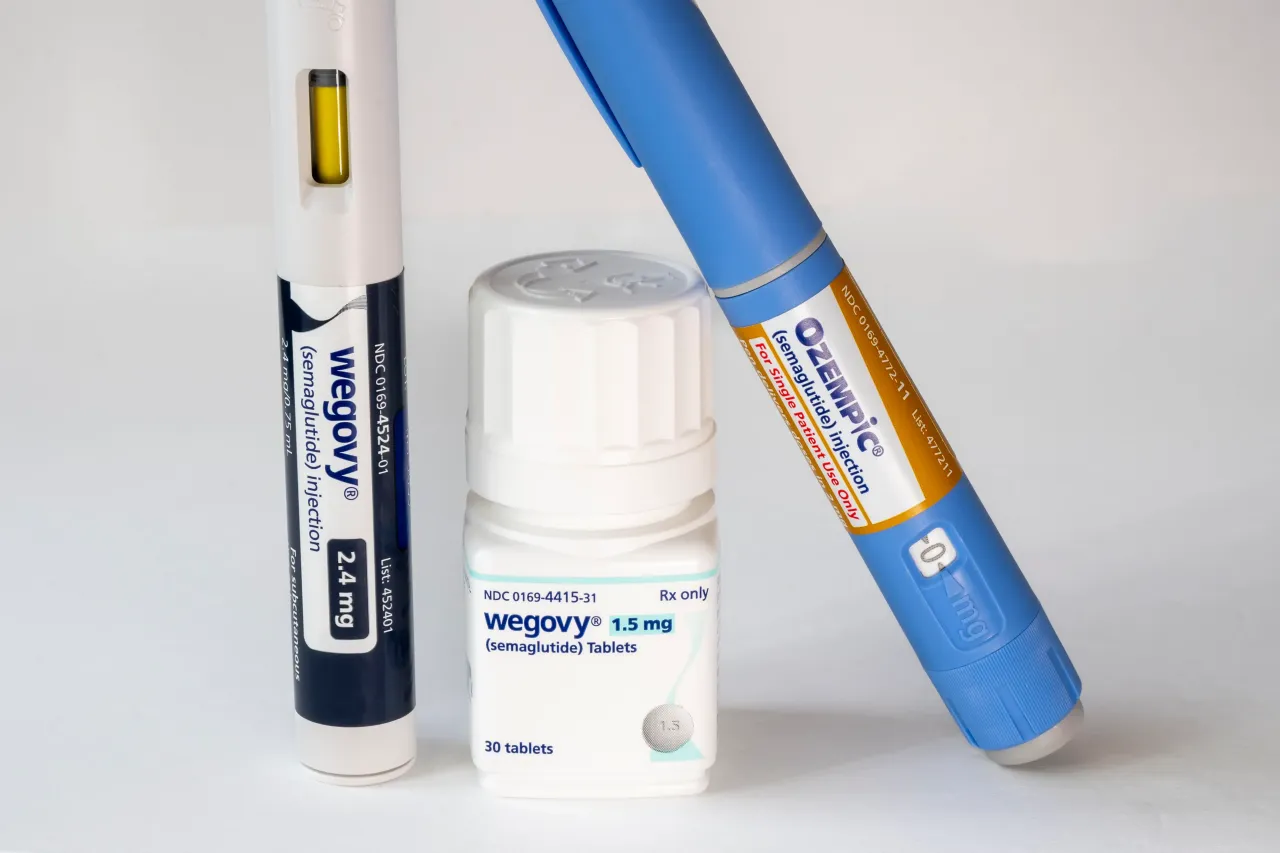
- Significant Weight Loss Results: Novo Nordisk's study reveals that patients taking the 7.2 mg Wegovy lost an average of 27.7% of their body weight over 72 weeks, demonstrating faster weight loss compared to the standard 2.4 mg dose, thereby enhancing the company's competitive edge in the obesity drug market.
- Fat Reduction with Muscle Preservation: The data indicates that 84% of the weight loss was due to reductions in body fat while muscle strength and health were largely preserved, suggesting that Wegovy effectively protects muscle health during weight loss, increasing the drug's appeal.
- Intensifying Market Competition: Following the release of new data, Novo's shares rose 3% in premarket trading, reflecting increased market confidence in its obesity drug, particularly as it seeks to narrow the gap with Eli Lilly in the competitive landscape.
- New Drug Rollout and Regulatory Progress: Novo has launched the higher-dose Wegovy in the U.S. and is seeking approval for a single-dose 7.2 mg pen in Europe and the U.K., which is expected to further expand its market share and meet the growing demand for obesity treatments.
See More
HIMS' AI Healthcare Platform Potential Underestimated by Investors
- Underestimated Potential: Raul Shah of DocShah Financial argues that investors are misjudging HIMS' AI-driven healthcare ambitions, suggesting that partnerships with Novo and Lilly could be the first of many pharma collaborations that reshape the healthcare landscape.
- Significant Shipments: HIMS fulfilled over 125,000 Wegovy shipments within six weeks of launching Novo Nordisk's GLP-1 products, demonstrating its rapid market responsiveness and ability to meet customer demand effectively.
- Enhanced Financial Flexibility: HIMS raised $1 billion in convertible debt last year, providing it with greater financial flexibility to acquire existing healthcare platforms internationally, allowing for swift market expansion in a competitive landscape.
- Optimistic Future Outlook: Despite disappointing Q1 results, HIMS raised its full-year 2026 revenue guidance to $2.8 billion to $3 billion, reflecting the company's confidence in its growth strategy and future market positioning.
See More
Taiwan and South Korea's Markets Risk Overreliance on AI Giants

- Market Concentration Risk: TSMC's market cap of approximately NT$58 trillion accounts for over 40% of Taiwan's weighted index, indicating a high dependency on a single company that could distort both the economy and the stock market in the long term.
- AI-Driven Earnings Growth: The South Korean stock market has surged over 80% this year, while Taiwan's index has also reached new highs, primarily driven by demand for AI-related semiconductors; however, this concentration may increase market volatility.
- Energy Price Impact: As large energy importers, Taiwan and South Korea face risks from rising oil prices due to Middle Eastern tensions, which could weaken their purchasing power and international competitiveness, even as AI demand boosts exports.
- Investor Sentiment Warning: Analysts warn that the market's overreliance on the AI theme could lead investors to inadvertently increase risk globally, especially as both U.S. and Asian markets are dominated by semiconductor giants.
See More
Novo Nordisk's High-Dose Wegovy Shows Significant Weight Loss Results
- Early Responders Performance: Among patients receiving the 7.2 mg Wegovy, approximately 27% of early responders lost nearly 28% of their body weight over 72 weeks, compared to about 25% in the 2.4 mg group, highlighting the significant advantage of the higher dose.
- Faster Goal Achievement: Patients on the 7.2 mg dose achieved a 21% weight loss over 72 weeks, compared to 17.5% in the 2.4 mg group and 2% in the placebo group, indicating that the higher dose facilitates quicker weight loss goal attainment.
- Safety and Tolerability: In a trial involving over 1,400 obese adults without type 2 diabetes, the 7.2 mg semaglutide demonstrated a safety and tolerability profile consistent with the lower dose, further enhancing its potential as a long-term weight management therapy.
- Regulatory Approval Context: The earlier approval of the high-dose version by U.S. and EU regulators as a weight loss treatment underscores market recognition of its efficacy, potentially driving Novo Nordisk's market share growth in obesity treatment.
See More
Novo Nordisk's New Data Boosts Weight Loss Drug Market
- Significant New Dose Effects: Novo Nordisk's new data presented at the European Congress on Obesity indicates that patients using the 7.2 mg high-dose Wegovy lost an average of 27.7% of their weight over 72 weeks, showcasing the drug's potential in weight loss treatment, which may attract more prescribers and patients.
- Intensified Market Competition: The weight loss efficacy of high-dose Wegovy is comparable to Eli Lilly's Zepbound, both exceeding 20%, positioning Novo to potentially regain market share, especially as Zepbound has become the preferred obesity drug.
- Early Responders Analysis: In the trial, about one in four high-dose patients exhibited early treatment responses, losing over 15% of their weight, compared to one in five for the 2.4 mg dose, highlighting the potential advantages of the higher dosage.
- Market Dynamics Uncertainty: Despite the encouraging new data, analysts caution that it remains unclear whether high-dose Wegovy will significantly alter the market share dynamics between Novo and Lilly, as Zepbound's entrenched position in the market persists.
See More
Hims & Hers Reports Q1 Loss and Weak Guidance
- Financial Decline: Hims & Hers reported a net loss of $92 million in Q1, significantly worsening from a $50 million loss in the same period last year, indicating severe challenges in profitability.
- Adjusted EBITDA Drop: The company's adjusted EBITDA fell from $91 million last year to $44 million, reflecting declining operational efficiency and increasing cost pressures, which may undermine investor confidence moving forward.
- Weak Revenue Growth: Although revenue increased by 4% to $608 million, the average monthly revenue per subscriber decreased from $85 to $80, suggesting weakened consumer spending willingness that could impact long-term growth potential.
- Poor Outlook: Hims expects Q2 revenue between $680 million and $700 million, with a full-year forecast of up to $3 billion, but analysts believe this guidance falls short of market expectations, potentially leading to further stock price declines.
See More
Novo Nordisk's Wegovy Data Shows Significant Weight Loss Improvements
- Significant Weight Loss Results: Novo Nordisk's study reveals that patients taking the 7.2 mg Wegovy lost an average of 27.7% of their body weight over 72 weeks, demonstrating faster weight loss compared to the standard 2.4 mg dose, thereby enhancing the company's competitive edge in the obesity drug market.
- Fat Reduction with Muscle Preservation: The data indicates that 84% of the weight loss was due to reductions in body fat while muscle strength and health were largely preserved, suggesting that Wegovy effectively protects muscle health during weight loss, increasing the drug's appeal.
- Intensifying Market Competition: Following the release of new data, Novo's shares rose 3% in premarket trading, reflecting increased market confidence in its obesity drug, particularly as it seeks to narrow the gap with Eli Lilly in the competitive landscape.
- New Drug Rollout and Regulatory Progress: Novo has launched the higher-dose Wegovy in the U.S. and is seeking approval for a single-dose 7.2 mg pen in Europe and the U.K., which is expected to further expand its market share and meet the growing demand for obesity treatments.
See More
HIMS' AI Healthcare Platform Potential Underestimated by Investors
- Underestimated Potential: Raul Shah of DocShah Financial argues that investors are misjudging HIMS' AI-driven healthcare ambitions, suggesting that partnerships with Novo and Lilly could be the first of many pharma collaborations that reshape the healthcare landscape.
- Significant Shipments: HIMS fulfilled over 125,000 Wegovy shipments within six weeks of launching Novo Nordisk's GLP-1 products, demonstrating its rapid market responsiveness and ability to meet customer demand effectively.
- Enhanced Financial Flexibility: HIMS raised $1 billion in convertible debt last year, providing it with greater financial flexibility to acquire existing healthcare platforms internationally, allowing for swift market expansion in a competitive landscape.
- Optimistic Future Outlook: Despite disappointing Q1 results, HIMS raised its full-year 2026 revenue guidance to $2.8 billion to $3 billion, reflecting the company's confidence in its growth strategy and future market positioning.
See More
Taiwan and South Korea's Markets Risk Overreliance on AI Giants
- Market Concentration Risk: TSMC's market cap of approximately NT$58 trillion accounts for over 40% of Taiwan's weighted index, indicating a high dependency on a single company that could distort both the economy and the stock market in the long term.
- AI-Driven Earnings Growth: The South Korean stock market has surged over 80% this year, while Taiwan's index has also reached new highs, primarily driven by demand for AI-related semiconductors; however, this concentration may increase market volatility.
- Energy Price Impact: As large energy importers, Taiwan and South Korea face risks from rising oil prices due to Middle Eastern tensions, which could weaken their purchasing power and international competitiveness, even as AI demand boosts exports.
- Investor Sentiment Warning: Analysts warn that the market's overreliance on the AI theme could lead investors to inadvertently increase risk globally, especially as both U.S. and Asian markets are dominated by semiconductor giants.
See More