Niron Magnetics Enhances Board of Directors with Experienced Technology and Finance Professionals to Drive Future Growth


New Board Members: Jon Olson and Eric Stang have been appointed to Niron Magnetics' Board of Directors, bringing extensive experience in technology and finance to support the company's growth and manufacturing expansion.
Company Vision: Niron Magnetics aims to redefine the industry with its high-performance Iron Nitride permanent magnets, which are produced without rare earth materials, enhancing global supply chains and manufacturing capabilities.
Expertise of Jon Olson: With over 30 years in the technology and semiconductor sectors, Olson's strategic leadership will be crucial as Niron Magnetics scales its operations and links innovation to economic value.
Eric Stang's Contribution: Stang's background in leading technology companies through growth phases will provide valuable insights as Niron Magnetics transitions to large-scale production and accelerates customer deployments.
Trade with 70% Backtested Accuracy
Analyst Views on AMD

About AMD
About the author

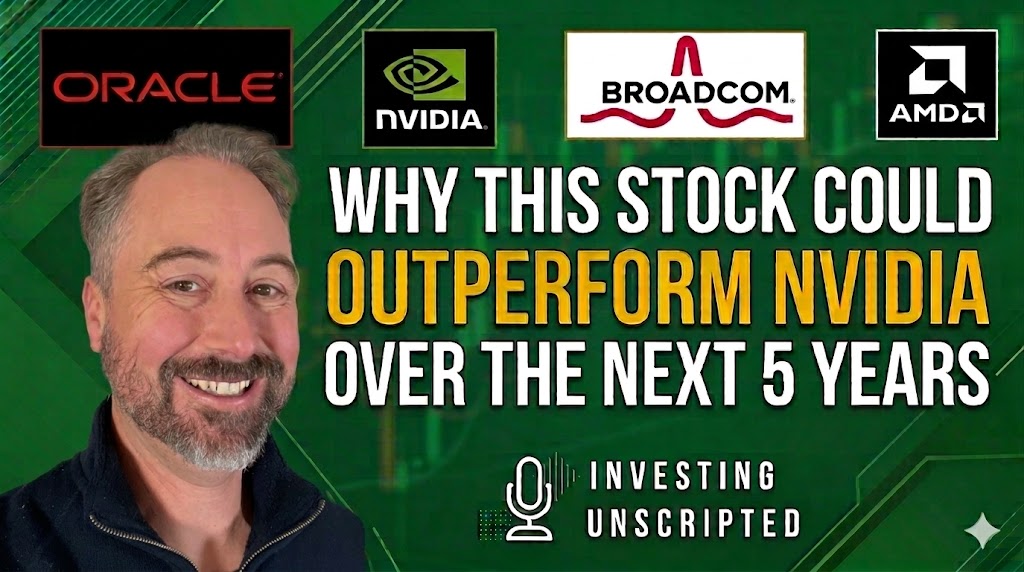
Why Oracle Could Outperform Nvidia Over Next Five Years


- Market Share Competition: Over the next five years, Oracle is expected to capture a larger share of the AI chip market, particularly as companies like Broadcom and AMD may dilute Nvidia's dominance, enhancing Oracle's competitive edge.
- Industry Trend Analysis: With the rising demand for AI, Oracle's technology and product offerings may align better with market needs, especially in enterprise solutions, which will help elevate its position in the industry.
- Investor Confidence Boost: Analysts are optimistic about Oracle's prospects, believing its performance will surpass Nvidia's over the next five years, potentially attracting more investor interest and driving stock price increases.
- Innovation Potential: Oracle's ongoing investments and R&D capabilities in the AI sector may allow it to lead in technological innovation over Nvidia, further solidifying its market position and driving long-term growth.

Why Oracle Could Outperform Nvidia in Five Years
- Market Share Competition: Over the next five years, Oracle is expected to capture a larger share of the AI chip market, particularly as companies like Broadcom and AMD may increase their market participation, thereby posing competitive pressure on Nvidia.
- Investment Return Potential: The Motley Fool analyst team notes that despite Nvidia's past performance, it is not included in the current list of 10 recommended stocks, indicating a cautious market sentiment regarding its future growth, which could impact its stock price performance.
- Historical Performance Comparison: According to Motley Fool data, previously recommended stocks like Netflix and Nvidia yielded massive returns for investors, at 532,066% and 1,087,496% respectively, highlighting the strong investment potential in emerging technology companies.
- Power of Investment Community: The Motley Fool's Stock Advisor service fosters a community of individual investors, emphasizing the importance of collective wisdom in identifying potential high-return investments, which may influence investor focus on Oracle and other companies.

Microsoft Partners with Japanese Cloud Firms for $10 Billion AI Investment


- Massive Investment: Microsoft has announced a $10 billion investment in Japan from 2026 to 2029 to build AI infrastructure, enhance cybersecurity, and train 1 million engineers and developers by 2030, demonstrating a strong commitment to the Japanese market and strategic foresight in technology development.
- Stock Surge: Following this announcement, shares of Sakura Internet surged by 20.2% on Friday, reflecting market optimism regarding the partnership's potential and likely boosting the performance of related companies in the sector.
- Strategic Partnerships: Microsoft will collaborate with Sakura Internet and SoftBank to provide AI computing resources, including graphics processing units located in Japan, which will not only support the development of domestic large language models but also enhance Japan's competitiveness in the global AI landscape.
- Talent Development Initiative: Microsoft plans to partner with five major Japanese IT companies, including NTT Data, NEC, Fujitsu, and Hitachi, to train 1 million AI professionals by 2030, aiming to meet the growing demand for cloud and AI services in Japan and further solidify its market position.

Intel Repurchases $14.2 Billion Stake in Fab 34 Facility


- Stake Repurchase Strategy: Intel repurchased Apollo's 49% stake in the Fab 34 facility for $14.2 billion, restoring full ownership of this key manufacturing asset and enhancing its competitiveness in advanced chip manufacturing.
- Positive Market Reaction: This transaction drove Intel's stock price up 4.89% to $50.38, with trading volume reaching 116.1 million shares, 8.6% above the three-month average, reflecting investor confidence in the company's turnaround.
- Enhanced Capacity Control: By regaining full ownership of Fab 34, Intel can better meet the demands of AI and data centers, although the scale of this investment highlights the capital pressure required to compete in advanced chip manufacturing.
- Analyst Support Continues: Analysts have reiterated their support for Intel's turnaround, believing that ongoing AI and data center demand will drive utilization of its manufacturing network, with investors looking forward to upcoming quarterly results to confirm profitability improvements from increased demand.

Intel Repurchases $14.2 Billion Stake in Fab 34 Facility
- Stake Repurchase: Intel has agreed to repurchase Apollo's 49% stake in its Fab 34 facility for $14.2 billion, restoring full ownership of the Ireland-based plant and enhancing its competitive edge in advanced chip manufacturing, particularly amid rising AI and data center demands.
- Positive Stock Reaction: This news propelled Intel's stock price up by 4.89% to $50.38, with trading volume reaching 116.1 million shares, which is 8.6% above the three-month average, indicating strong investor confidence in the company's turnaround strategy.
- Optimistic Market Outlook: Analysts have reiterated their support for Intel's turnaround, suggesting that ongoing demand for AI and data centers will drive higher utilization of its manufacturing network, making upcoming quarterly results crucial for assessing profitability improvements.
- Investment Risks and Opportunities: While regaining full ownership of Fab 34 increases potential upside, it also introduces execution risks, particularly concerning margins and returns on large capital projects, prompting investors to closely monitor the forthcoming earnings report.
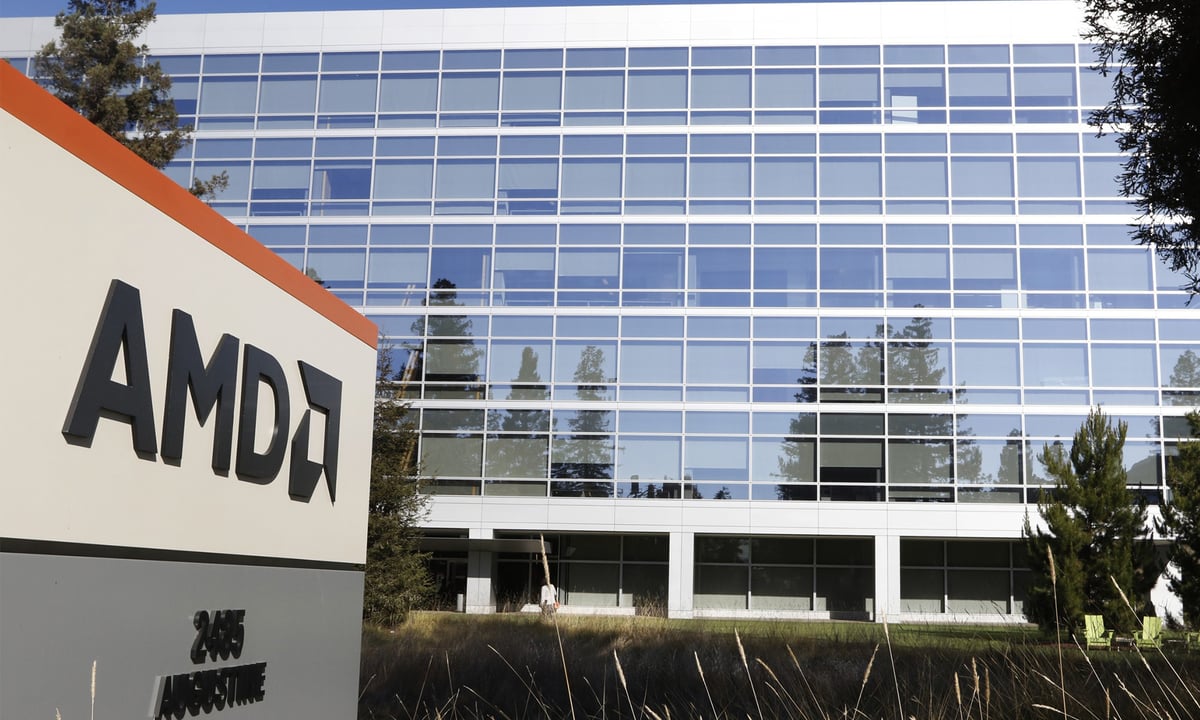
Analysis of AI Stock Investment Prospects

- AMD Growth Potential: In 2025, AMD's revenue surged by 34% to $34.6 billion, driven by strong performances in its data center, client, and gaming sectors, indicating robust investor confidence as the company continues to benefit from widespread AI adoption.
- Data Center Business Performance: AMD's data center segment generated $16.6 billion in revenue last year, a 32% increase, and partnerships with top hyperscalers are expected to further drive healthy growth in this area, showcasing the company's competitive edge in the AI market.
- Apple Market Share: Despite lagging behind competitors in AI, Apple became the largest smartphone vendor in Q4 2025 with a 24.2% market share, shipping 81.3 million iPhones, reflecting its strong performance in the overall market.
- AI Software Opportunities: Apple's growth potential in AI lies primarily in software, as management noted enterprises are using its AI-enabled devices to enhance productivity, with future monetization likely through paid subscription models, further solidifying its market position.
Why Oracle Could Outperform Nvidia Over Next Five Years
- Market Share Competition: Over the next five years, Oracle is expected to capture a larger share of the AI chip market, particularly as companies like Broadcom and AMD may dilute Nvidia's dominance, enhancing Oracle's competitive edge.
- Industry Trend Analysis: With the rising demand for AI, Oracle's technology and product offerings may align better with market needs, especially in enterprise solutions, which will help elevate its position in the industry.
- Investor Confidence Boost: Analysts are optimistic about Oracle's prospects, believing its performance will surpass Nvidia's over the next five years, potentially attracting more investor interest and driving stock price increases.
- Innovation Potential: Oracle's ongoing investments and R&D capabilities in the AI sector may allow it to lead in technological innovation over Nvidia, further solidifying its market position and driving long-term growth.
Why Oracle Could Outperform Nvidia in Five Years
- Market Share Competition: Over the next five years, Oracle is expected to capture a larger share of the AI chip market, particularly as companies like Broadcom and AMD may increase their market participation, thereby posing competitive pressure on Nvidia.
- Investment Return Potential: The Motley Fool analyst team notes that despite Nvidia's past performance, it is not included in the current list of 10 recommended stocks, indicating a cautious market sentiment regarding its future growth, which could impact its stock price performance.
- Historical Performance Comparison: According to Motley Fool data, previously recommended stocks like Netflix and Nvidia yielded massive returns for investors, at 532,066% and 1,087,496% respectively, highlighting the strong investment potential in emerging technology companies.
- Power of Investment Community: The Motley Fool's Stock Advisor service fosters a community of individual investors, emphasizing the importance of collective wisdom in identifying potential high-return investments, which may influence investor focus on Oracle and other companies.
Microsoft Partners with Japanese Cloud Firms for $10 Billion AI Investment
- Massive Investment: Microsoft has announced a $10 billion investment in Japan from 2026 to 2029 to build AI infrastructure, enhance cybersecurity, and train 1 million engineers and developers by 2030, demonstrating a strong commitment to the Japanese market and strategic foresight in technology development.
- Stock Surge: Following this announcement, shares of Sakura Internet surged by 20.2% on Friday, reflecting market optimism regarding the partnership's potential and likely boosting the performance of related companies in the sector.
- Strategic Partnerships: Microsoft will collaborate with Sakura Internet and SoftBank to provide AI computing resources, including graphics processing units located in Japan, which will not only support the development of domestic large language models but also enhance Japan's competitiveness in the global AI landscape.
- Talent Development Initiative: Microsoft plans to partner with five major Japanese IT companies, including NTT Data, NEC, Fujitsu, and Hitachi, to train 1 million AI professionals by 2030, aiming to meet the growing demand for cloud and AI services in Japan and further solidify its market position.
Intel Repurchases $14.2 Billion Stake in Fab 34 Facility
- Stake Repurchase Strategy: Intel repurchased Apollo's 49% stake in the Fab 34 facility for $14.2 billion, restoring full ownership of this key manufacturing asset and enhancing its competitiveness in advanced chip manufacturing.
- Positive Market Reaction: This transaction drove Intel's stock price up 4.89% to $50.38, with trading volume reaching 116.1 million shares, 8.6% above the three-month average, reflecting investor confidence in the company's turnaround.
- Enhanced Capacity Control: By regaining full ownership of Fab 34, Intel can better meet the demands of AI and data centers, although the scale of this investment highlights the capital pressure required to compete in advanced chip manufacturing.
- Analyst Support Continues: Analysts have reiterated their support for Intel's turnaround, believing that ongoing AI and data center demand will drive utilization of its manufacturing network, with investors looking forward to upcoming quarterly results to confirm profitability improvements from increased demand.
Intel Repurchases $14.2 Billion Stake in Fab 34 Facility
- Stake Repurchase: Intel has agreed to repurchase Apollo's 49% stake in its Fab 34 facility for $14.2 billion, restoring full ownership of the Ireland-based plant and enhancing its competitive edge in advanced chip manufacturing, particularly amid rising AI and data center demands.
- Positive Stock Reaction: This news propelled Intel's stock price up by 4.89% to $50.38, with trading volume reaching 116.1 million shares, which is 8.6% above the three-month average, indicating strong investor confidence in the company's turnaround strategy.
- Optimistic Market Outlook: Analysts have reiterated their support for Intel's turnaround, suggesting that ongoing demand for AI and data centers will drive higher utilization of its manufacturing network, making upcoming quarterly results crucial for assessing profitability improvements.
- Investment Risks and Opportunities: While regaining full ownership of Fab 34 increases potential upside, it also introduces execution risks, particularly concerning margins and returns on large capital projects, prompting investors to closely monitor the forthcoming earnings report.
Analysis of AI Stock Investment Prospects
- AMD Growth Potential: In 2025, AMD's revenue surged by 34% to $34.6 billion, driven by strong performances in its data center, client, and gaming sectors, indicating robust investor confidence as the company continues to benefit from widespread AI adoption.
- Data Center Business Performance: AMD's data center segment generated $16.6 billion in revenue last year, a 32% increase, and partnerships with top hyperscalers are expected to further drive healthy growth in this area, showcasing the company's competitive edge in the AI market.
- Apple Market Share: Despite lagging behind competitors in AI, Apple became the largest smartphone vendor in Q4 2025 with a 24.2% market share, shipping 81.3 million iPhones, reflecting its strong performance in the overall market.
- AI Software Opportunities: Apple's growth potential in AI lies primarily in software, as management noted enterprises are using its AI-enabled devices to enhance productivity, with future monetization likely through paid subscription models, further solidifying its market position.