Nike Faces Long-term Challenges as China Sales Plunge 20%
Written by Emily J. Thompson, Senior Investment Analyst
Updated: Jan 02 2026
0mins
Should l Buy NKE?
Source: Fool
- Sales Decline: Nike's footwear sales in China dropped 20% in the fiscal second quarter, marking six consecutive quarters of decline in this crucial market, indicating a significant erosion of brand appeal that could hinder long-term growth.
- Strategic Missteps: The company's overreliance on direct-to-consumer sales has severed relationships with traditional retailers, allowing competitors to capture market share and undermining brand loyalty and market position.
- Brand Erosion: Nike's outsourced manufacturing in China has led to technology transfers and brand erosion, particularly as Chinese consumers increasingly favor homegrown brands, intensifying competitive pressures on Nike.
- Overvaluation: Despite a four-year decline in stock price, Nike's forward P/E ratio remains at 38, significantly above the S&P 500 average of 22, suggesting that market expectations for its future growth may be overly optimistic.
Trade with 70% Backtested Accuracy
Stop guessing "Should I Buy NKE?" and start using high-conviction signals backed by rigorous historical data.
Sign up today to access powerful investing tools and make smarter, data-driven decisions.
Analyst Views on NKE
Wall Street analysts forecast NKE stock price to rise
21 Analyst Rating
14 Buy
7 Hold
0 Sell
Moderate Buy
Current: 44.630

Low
62.00
Averages
76.11
High
110.00
Current: 44.630
Low
62.00
Averages
76.11
High
110.00
About NKE
NIKE, Inc. is engaged in the designing, marketing and distributing of athletic footwear, apparel, equipment and accessories and services for sports and fitness activities. The Company's operating segments include North America; Europe, Middle East & Africa (EMEA); Greater China; and Asia Pacific & Latin America (APLA). It sells a line of equipment and accessories under the NIKE Brand name, including bags, socks, sport balls, eyewear, timepieces, digital devices, bats, gloves, protective equipment and other equipment designed for sports activities. It also designs products specifically for the Jordan Brand and Converse. The Jordan Brand designs, distributes and licenses athletic and casual footwear, apparel and accessories predominantly focused on basketball performance and culture using the Jumpman trademark. The Company also designs, distributes and licenses casual sneakers, apparel and accessories under the Chuck Taylor, All Star, One Star, Star Chevron and Jack Purcell trademarks.
About the author

Emily J. Thompson
Emily J. Thompson, a Chartered Financial Analyst (CFA) with 12 years in investment research, graduated with honors from the Wharton School. Specializing in industrial and technology stocks, she provides in-depth analysis for Intellectia’s earnings and market brief reports.

Nike Faces Stock Pressure as Analysts Downgrade Outlook

- Stock Decline: Nike (NYSE:NKE) closed at $44.19 on Thursday, down 1.00%, reflecting market concerns over its recent profit decline and weak revenue outlook, particularly in the Chinese market.
- Surge in Trading Volume: The trading volume for Nike reached 59.4 million shares, approximately 220% above its three-month average of 18.5 million shares, indicating heightened investor attention and anxiety regarding its future performance.
- Analyst Downgrades: Over 20 analysts cut their price targets on Nike's stock in the two trading days following its Q3 earnings report, signaling a significant loss of confidence in the company's future prospects.
- Cautious Investor Sentiment: While analysts suggest that Nike's recent results do not spell imminent doom, they caution that investors may need to exercise patience for a multi-year turnaround, as the company has not provided clear long-term catalysts to alleviate market concerns.
See More
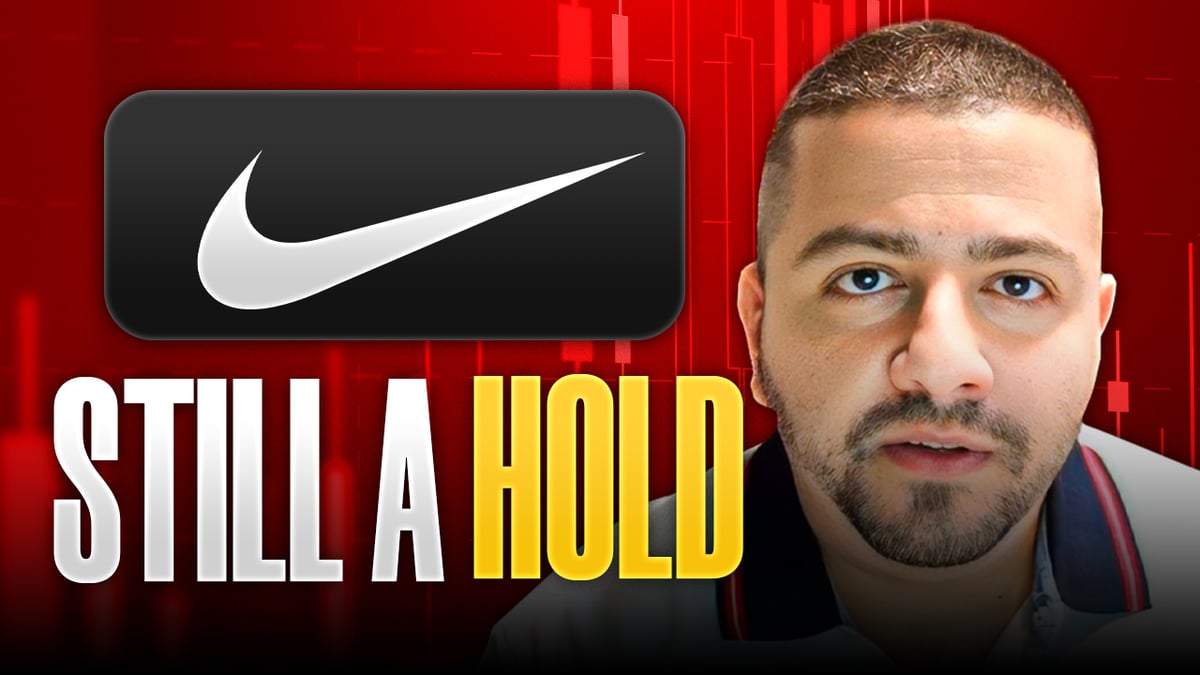
Nike's Disappointing Investor Update Leads to Stock Plunge
- Investor Update Disappointment: Nike's investor update on March 29, 2026, failed to meet market expectations, resulting in a significant stock price drop that reflects the company's challenges and uncertainties in the current economic climate.
- Severe Market Reaction: Following the update, Nike's stock plummeted, indicating investor concerns about the company's future performance, which could negatively impact its market confidence and brand image.
- Unclear Financial Outlook: The update lacked clear financial guidance, raising doubts among analysts regarding Nike's profitability and growth potential, which may lead to future investor withdrawals.
- Need for Strategic Adjustment: In light of the stock decline, Nike may need to reassess its market strategy and product positioning to restore investor confidence and address the intensifying competitive landscape.
See More

Tiger Woods Talks to Trump After DUI Crash Incident

- Post-Crash Call: Golf legend Tiger Woods told police he had just spoken with President Trump shortly after his DUI rollover crash in Florida, indicating his state of anxiety and concern for public perception following the incident.
- Trump's Remarks: Trump mentioned in a prior interview that Woods would not be participating in the upcoming Masters tournament, highlighting the impact of the incident on Woods' career while also showcasing the close relationship between Trump and Woods.
- Health Concerns: Following the crash, Woods was found with two opioid pills and exhibited clear signs of intoxication, indicating serious challenges in his health and personal life that could affect his professional career and public image.
- Treatment Decision: Woods announced he would step away from golf to seek treatment, emphasizing the importance of prioritizing his health and the necessity for recovery, a decision that may influence his future tournament participation and career trajectory.
See More

Nike Faces Stock Pressure as Analysts Downgrade Outlook
- Stock Decline: Nike (NKE) closed at $44.19 on Thursday, down 1.00%, reflecting market concerns over its recent profit decline and weak revenue outlook, particularly in the Chinese market.
- Surge in Trading Volume: The trading volume reached 59.4 million shares, approximately 220% above the three-month average, indicating heightened investor attention and anxiety regarding Nike's future performance.
- Analyst Downgrades: In the two trading days following Nike's Q3 earnings report, over 20 analysts cut their price targets for the stock, primarily due to management's guidance of a 3% sales decline in Q4, which fell short of analysts' expectations for 2% growth.
- Market Uncertainty: Nike faces challenges including ongoing margin pressures, rising tariffs and input costs, and heavy promotions to clear inventory, leading to cautious sentiment among investors regarding its multi-year turnaround strategy, necessitating patience for potential investors.
See More

Nike Executives Allegedly Breached Fiduciary Duties to Shareholders
- Investigation Launched: Kuehn Law, PLLC is investigating whether Nike executives breached their fiduciary duties to shareholders, with allegations including failure to disclose that the company's direct-to-consumer strategy could not generate sustainable revenue growth.
- Competitive Advantage Eroded: Nike's significant disengagement from wholesale and retail partners has failed to protect the company from intense competitive pressures, raising doubts about its claimed competitive advantages and impacting its market position.
- False Representation Risks: As a result of these issues, representations made by Nike regarding its business, operations, and prospects are deemed materially false and misleading, potentially exposing shareholders to investment losses.
- Call to Action for Shareholders: Kuehn Law urges shareholders who purchased Nike stock before March 19, 2021, to contact them promptly to enforce their rights within a limited timeframe, emphasizing the importance of shareholder voices in maintaining the integrity and fairness of financial markets.
See More

Kuehn Law Investigates Nike Executives' Fiduciary Duties
- Lawsuit Investigation: Kuehn Law, PLLC is investigating whether certain Nike, Inc. executives breached their fiduciary duties to shareholders, as the lawsuit alleges that Nike's direct-to-consumer strategy failed to generate sustainable revenue growth, potentially harming shareholder interests.
- Loss of Competitive Edge: The lawsuit claims that after Nike significantly disengaged from wholesale and retail partners, its purported competitive advantages could not withstand intense market pressures, exposing the company to greater operational risks.
- Misrepresentation Risks: Due to the executives' failure to disclose these issues, representations about Nike's business, operations, and prospects are deemed materially false and misleading, which could lead to legal and financial repercussions for shareholders in the future.
- Shareholder Rights Protection: Kuehn Law urges shareholders to contact their attorneys promptly to ensure their rights are protected within a limited timeframe, emphasizing that shareholder voices are crucial for the integrity and fairness of financial markets.
See More
Nike Faces Stock Pressure as Analysts Downgrade Outlook
- Stock Decline: Nike (NYSE:NKE) closed at $44.19 on Thursday, down 1.00%, reflecting market concerns over its recent profit decline and weak revenue outlook, particularly in the Chinese market.
- Surge in Trading Volume: The trading volume for Nike reached 59.4 million shares, approximately 220% above its three-month average of 18.5 million shares, indicating heightened investor attention and anxiety regarding its future performance.
- Analyst Downgrades: Over 20 analysts cut their price targets on Nike's stock in the two trading days following its Q3 earnings report, signaling a significant loss of confidence in the company's future prospects.
- Cautious Investor Sentiment: While analysts suggest that Nike's recent results do not spell imminent doom, they caution that investors may need to exercise patience for a multi-year turnaround, as the company has not provided clear long-term catalysts to alleviate market concerns.
See More
Nike's Disappointing Investor Update Leads to Stock Plunge
- Investor Update Disappointment: Nike's investor update on March 29, 2026, failed to meet market expectations, resulting in a significant stock price drop that reflects the company's challenges and uncertainties in the current economic climate.
- Severe Market Reaction: Following the update, Nike's stock plummeted, indicating investor concerns about the company's future performance, which could negatively impact its market confidence and brand image.
- Unclear Financial Outlook: The update lacked clear financial guidance, raising doubts among analysts regarding Nike's profitability and growth potential, which may lead to future investor withdrawals.
- Need for Strategic Adjustment: In light of the stock decline, Nike may need to reassess its market strategy and product positioning to restore investor confidence and address the intensifying competitive landscape.
See More
Tiger Woods Talks to Trump After DUI Crash Incident
- Post-Crash Call: Golf legend Tiger Woods told police he had just spoken with President Trump shortly after his DUI rollover crash in Florida, indicating his state of anxiety and concern for public perception following the incident.
- Trump's Remarks: Trump mentioned in a prior interview that Woods would not be participating in the upcoming Masters tournament, highlighting the impact of the incident on Woods' career while also showcasing the close relationship between Trump and Woods.
- Health Concerns: Following the crash, Woods was found with two opioid pills and exhibited clear signs of intoxication, indicating serious challenges in his health and personal life that could affect his professional career and public image.
- Treatment Decision: Woods announced he would step away from golf to seek treatment, emphasizing the importance of prioritizing his health and the necessity for recovery, a decision that may influence his future tournament participation and career trajectory.
See More
Nike Faces Stock Pressure as Analysts Downgrade Outlook
- Stock Decline: Nike (NKE) closed at $44.19 on Thursday, down 1.00%, reflecting market concerns over its recent profit decline and weak revenue outlook, particularly in the Chinese market.
- Surge in Trading Volume: The trading volume reached 59.4 million shares, approximately 220% above the three-month average, indicating heightened investor attention and anxiety regarding Nike's future performance.
- Analyst Downgrades: In the two trading days following Nike's Q3 earnings report, over 20 analysts cut their price targets for the stock, primarily due to management's guidance of a 3% sales decline in Q4, which fell short of analysts' expectations for 2% growth.
- Market Uncertainty: Nike faces challenges including ongoing margin pressures, rising tariffs and input costs, and heavy promotions to clear inventory, leading to cautious sentiment among investors regarding its multi-year turnaround strategy, necessitating patience for potential investors.
See More
Nike Executives Allegedly Breached Fiduciary Duties to Shareholders
- Investigation Launched: Kuehn Law, PLLC is investigating whether Nike executives breached their fiduciary duties to shareholders, with allegations including failure to disclose that the company's direct-to-consumer strategy could not generate sustainable revenue growth.
- Competitive Advantage Eroded: Nike's significant disengagement from wholesale and retail partners has failed to protect the company from intense competitive pressures, raising doubts about its claimed competitive advantages and impacting its market position.
- False Representation Risks: As a result of these issues, representations made by Nike regarding its business, operations, and prospects are deemed materially false and misleading, potentially exposing shareholders to investment losses.
- Call to Action for Shareholders: Kuehn Law urges shareholders who purchased Nike stock before March 19, 2021, to contact them promptly to enforce their rights within a limited timeframe, emphasizing the importance of shareholder voices in maintaining the integrity and fairness of financial markets.
See More
Kuehn Law Investigates Nike Executives' Fiduciary Duties
- Lawsuit Investigation: Kuehn Law, PLLC is investigating whether certain Nike, Inc. executives breached their fiduciary duties to shareholders, as the lawsuit alleges that Nike's direct-to-consumer strategy failed to generate sustainable revenue growth, potentially harming shareholder interests.
- Loss of Competitive Edge: The lawsuit claims that after Nike significantly disengaged from wholesale and retail partners, its purported competitive advantages could not withstand intense market pressures, exposing the company to greater operational risks.
- Misrepresentation Risks: Due to the executives' failure to disclose these issues, representations about Nike's business, operations, and prospects are deemed materially false and misleading, which could lead to legal and financial repercussions for shareholders in the future.
- Shareholder Rights Protection: Kuehn Law urges shareholders to contact their attorneys promptly to ensure their rights are protected within a limited timeframe, emphasizing that shareholder voices are crucial for the integrity and fairness of financial markets.
See More