NHTSA Concludes Tesla Braking Probe with No Findings
Written by Emily J. Thompson, Senior Investment Analyst
Updated: 57 minutes ago
0mins
Source: seekingalpha
- Investigation Conclusion: The NHTSA has concluded its four-year investigation into Tesla's (TSLA) Model 3 and Model Y vehicles from 2021 and 2022, finding no patterns of lane departure or collision risk, which indicates compliance with safety standards.
- Surge in Complaints: The investigation was prompted by a significant increase in complaints from Tesla owners regarding 'phantom braking,' which rose from 99 at the end of 2021 to 314 by February 2022, highlighting consumer concerns over autonomous driving technology.
- Impact of Technological Shift: The NHTSA review revealed that Tesla's transition from a radar-vision system to vision-only sensing in 2021 contributed to the incidents of 'phantom braking,' reflecting the direct impact of technological changes on vehicle performance.
- Declining Incident Trend: Following improvements in technology, 'phantom braking' incidents decreased from 45 in 2024 to just 3 in the first half of 2026, demonstrating Tesla's progress in addressing this issue and enhancing consumer confidence in its autonomous driving systems.
Trade with 70% Backtested Accuracy
Stop guessing "Should I Buy TSLA?" and start using high-conviction signals backed by rigorous historical data.
Sign up today to access powerful investing tools and make smarter, data-driven decisions.
Analyst Views on TSLA
Wall Street analysts forecast TSLA stock price to fall
30 Analyst Rating
12 Buy
11 Hold
7 Sell
Hold
Current: 420.600

Low
25.28
Averages
401.93
High
600.00
Current: 420.600
Low
25.28
Averages
401.93
High
600.00
About TSLA
Tesla, Inc. designs, develops, manufactures, sells and leases high-performance fully electric vehicles and energy generation and storage systems, and offers services related to its products. Its segments include automotive, and energy generation and storage. The automotive segment includes the design, development, manufacturing, sales and leasing of high-performance fully electric vehicles, and sales of automotive regulatory credits. It also includes sales of used vehicles, non-warranty maintenance services and collisions, part sales, paid supercharging, insurance services revenue and retail merchandise sales. The energy generation and storage segment include the design, manufacture, installation, sales and leasing of solar energy generation and energy storage products and related services and sales of solar energy systems incentives. Its consumer vehicles include the Model 3, Y, S, X and Cybertruck. Its lithium-ion battery energy storage products include Powerwall and Megapack.
About the author

Emily J. Thompson
Emily J. Thompson, a Chartered Financial Analyst (CFA) with 12 years in investment research, graduated with honors from the Wharton School. Specializing in industrial and technology stocks, she provides in-depth analysis for Intellectia’s earnings and market brief reports.

Munster Predicts Tesla Deliveries Exceed Expectations

- Delivery Forecast: Gene Munster of Deepwater Asset Management predicts Tesla will deliver 420,000 vehicles in Q2, slightly above Wall Street's consensus of 406,000, indicating an improvement in underlying demand trends with an expected 9% year-over-year growth.
- Core Demand Growth: Adjusting for the absence of Model S and X deliveries last year, the 406,000 consensus implies an 8% year-over-year growth in Model 3 and Y deliveries, while Munster's estimate suggests this could rise to approximately 12%, marking Tesla's strongest underlying delivery growth since December 2023.
- Focus on Autonomy: Munster emphasizes that Full Self-Driving (FSD) adoption and the path to unsupervised autonomy are more critical than quarterly delivery numbers, noting that active FSD subscriptions reached 1.28 million in March, up 51% year-over-year.
- Market Sentiment Shift: On Stocktwits, retail sentiment around TSLA stock shifted from 'neutral' to 'bullish' in the past 24 hours, although some users expressed doubts about the upcoming delivery report, reflecting heightened market attention on Tesla's future performance.
See More
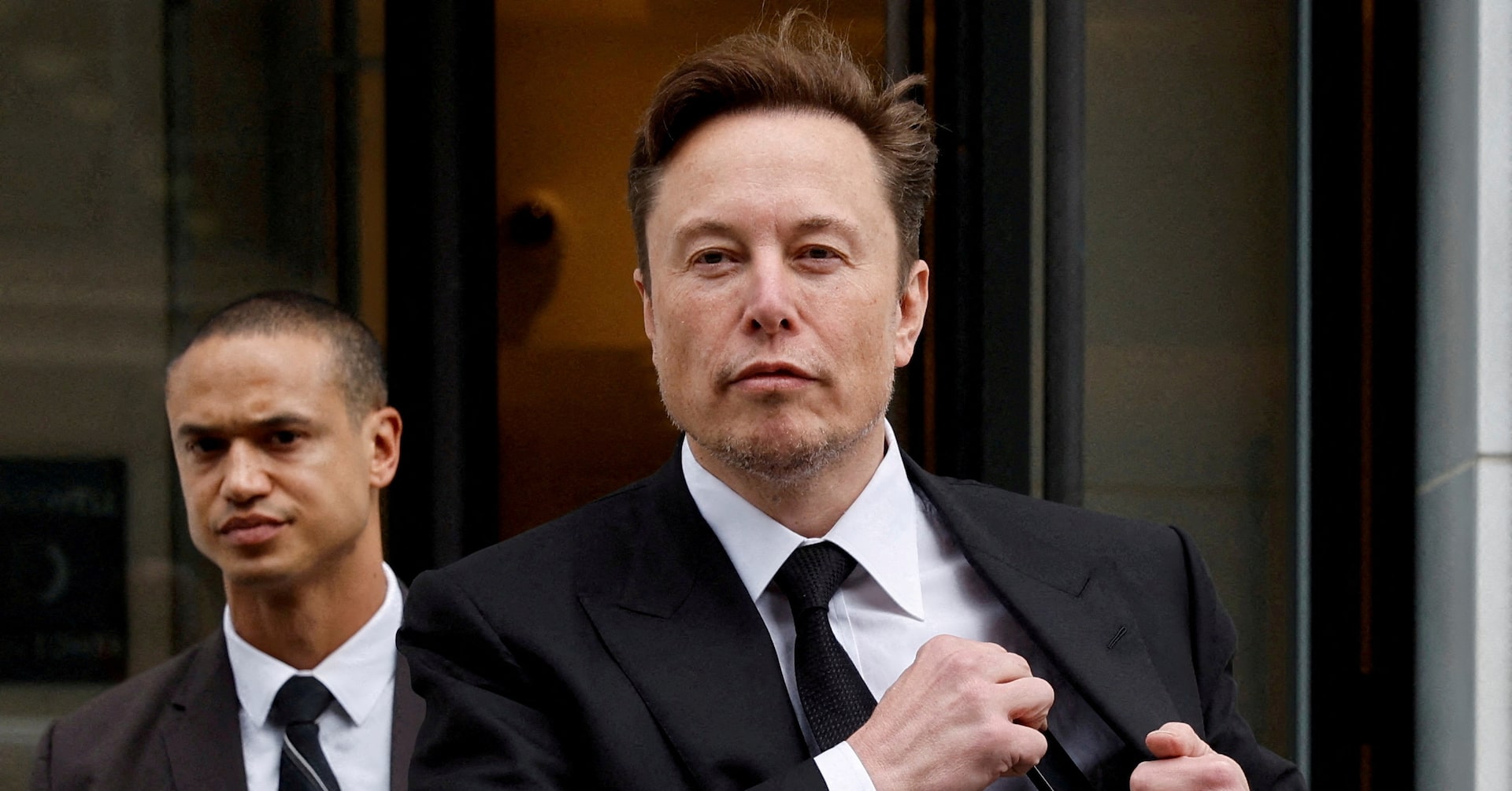
Market Comparison Between SpaceX and Tesla
- Valuation Discrepancy: SpaceX's IPO price was $135 per share, with a market cap exceeding $2 trillion, while Tesla went public in 2010 at $17 per share, highlighting a significant difference in market positioning between the two companies.
- Stock Split Potential: SpaceX briefly surged 50% post-IPO, and if its market cap reaches $10 trillion, a stock split could be considered, contrasting with Tesla's decade-long wait for its first split, indicating SpaceX's rapid growth potential.
- Technical Challenges and Opportunities: SpaceX aims to launch AI data center satellites by 2027, targeting 1 terawatt of computing power by 2030; if successful, it could become a key player in global AI infrastructure, significantly boosting the company's value.
- Investor Caution: Despite SpaceX's ambitious vision, a reported net loss in 2025 and potential technical and market challenges suggest investors should be cautious, recommending monitoring progress rather than investing blindly.
See More
Tesla Q2 Deliveries Exceed Expectations
- Record Deliveries: Tesla delivered 480,126 vehicles in Q2, surpassing estimates of 406,000, indicating robust market demand and production capability, further solidifying its leadership in the electric vehicle market.
- Production Capacity Growth: The company produced 451,758 vehicles in the same quarter, demonstrating significant progress in production efficiency and capacity expansion, laying a solid foundation for future growth.
- Energy Storage Deployment: Tesla deployed 13.5 GWh of energy storage products in Q2, reflecting its ongoing investment and market expansion in renewable energy, enhancing the diversity and sustainability of its overall business.
- Positive Market Reaction: Following the delivery data exceeding expectations, Tesla's shares briefly rose at Thursday's open, indicating investor optimism about the company's performance, which could drive future stock price movements.
See More

Burry's First Short on Caterpillar Causes Nearly 7% Drop

- Stock Pullback: Caterpillar (CAT) shares fell nearly 7% to close at $986.92 after Michael Burry's first short position announcement, retreating from an all-time high of $1,064.90, indicating increasing market concerns over its valuation.
- Short Position Motivation: Burry's short at $1,060.98 reflects his pessimistic outlook on Caterpillar's future performance, particularly after a more than 150% rise over the past 12 months, raising questions about the stock's fair value.
- Industry Impact: Burry's shorting extends beyond Caterpillar to include Nvidia, Applied Materials, and the iShares Semiconductor ETF, highlighting his concerns about the overall valuation of AI-related stocks, which could trigger broader market corrections.
- Market Trends: With the semiconductor index surging 88% in Q2, Burry pointed out its overvaluation and significant deviation from the 200-day moving average, suggesting that AI-linked stocks may face correction risks, impacting investor confidence.
See More
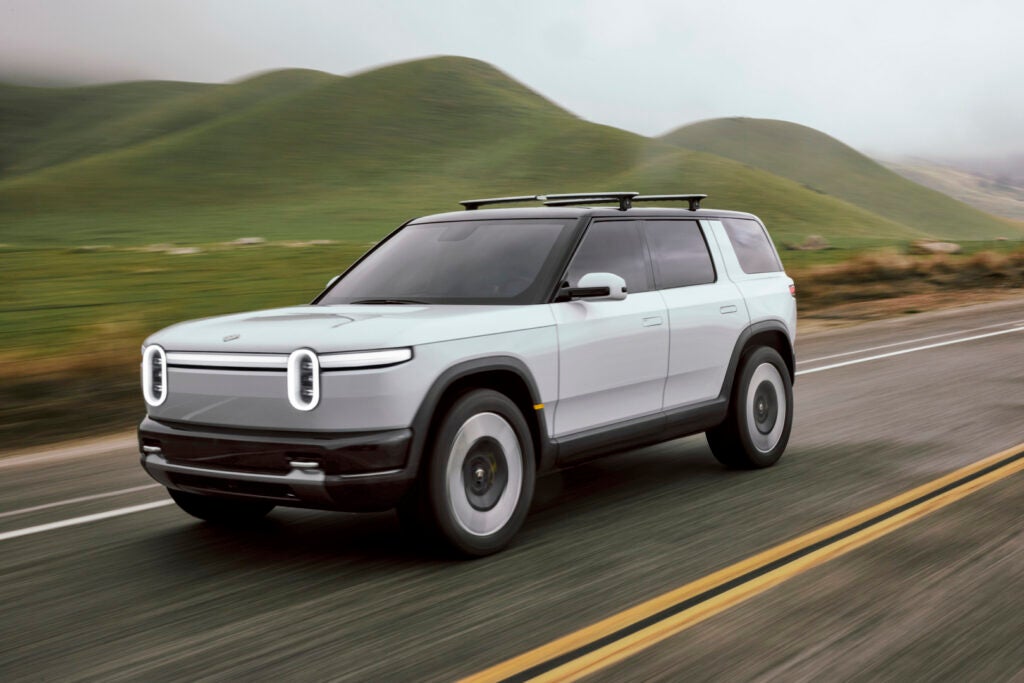
Rivian Raises 2026 Delivery Guidance Amid Strong Demand

- Guidance Upgrade: Rivian has raised its 2026 delivery guidance from 62,000-67,000 units to 65,000-70,000 units, reflecting stronger-than-expected demand for electric vehicles in Q2, indicating robust market interest in its offerings.
- Quarterly Delivery Performance: In Q2, Rivian delivered 12,194 vehicles, surpassing analyst expectations of 11,000 units and significantly exceeding the company's previous forecast of 9,000-11,000 units, showcasing a marked improvement in production capacity and market acceptance.
- Production Capacity Enhancement: Rivian produced 12,613 electric vehicles in Q2, driven primarily by strong performance from its electric delivery vans and flagship R1 products, while also commencing deliveries of the midsize R2 SUV, thereby diversifying its product lineup.
- Factory Capacity Expansion: The production facility in Normal, Illinois, has an annual capacity of 160,000 vehicles, and with the ramp-up of R2 SUV production, the company is poised to further enhance its market share and competitive edge in the EV sector.
See More

Meta Plans to Enter Cloud Computing Market


- Cloud Business Outlook: CEO Mark Zuckerberg hints at Meta's plan to sell excess computing power, which, despite lower margins than its dominant online ad business, could provide new revenue streams and help diversify the company's business structure.
- Stock Price Recovery: After four consecutive quarters of decline, Meta's stock surged 9% at the start of the third quarter, marking its largest rally in over five months, indicating investor optimism regarding the company's cloud computing strategy.
- Increased Capital Expenditure: Meta raised its 2026 capital expenditure guidance by $10 billion to $145 billion, with part of the funding sourced from a $25 billion bond sale, reflecting the company's commitment to cloud infrastructure despite skepticism about its spending efficiency.
- Competitive Market Pressure: While Meta's cloud computing plans attract attention, analysts suggest it may not directly compete with major players like AWS, Azure, and Google Cloud, but rather follow a strategy similar to CoreWeave and Nebius, focusing on providing AI-specific computing products.
See More
Munster Predicts Tesla Deliveries Exceed Expectations
- Delivery Forecast: Gene Munster of Deepwater Asset Management predicts Tesla will deliver 420,000 vehicles in Q2, slightly above Wall Street's consensus of 406,000, indicating an improvement in underlying demand trends with an expected 9% year-over-year growth.
- Core Demand Growth: Adjusting for the absence of Model S and X deliveries last year, the 406,000 consensus implies an 8% year-over-year growth in Model 3 and Y deliveries, while Munster's estimate suggests this could rise to approximately 12%, marking Tesla's strongest underlying delivery growth since December 2023.
- Focus on Autonomy: Munster emphasizes that Full Self-Driving (FSD) adoption and the path to unsupervised autonomy are more critical than quarterly delivery numbers, noting that active FSD subscriptions reached 1.28 million in March, up 51% year-over-year.
- Market Sentiment Shift: On Stocktwits, retail sentiment around TSLA stock shifted from 'neutral' to 'bullish' in the past 24 hours, although some users expressed doubts about the upcoming delivery report, reflecting heightened market attention on Tesla's future performance.
See More
Market Comparison Between SpaceX and Tesla
- Valuation Discrepancy: SpaceX's IPO price was $135 per share, with a market cap exceeding $2 trillion, while Tesla went public in 2010 at $17 per share, highlighting a significant difference in market positioning between the two companies.
- Stock Split Potential: SpaceX briefly surged 50% post-IPO, and if its market cap reaches $10 trillion, a stock split could be considered, contrasting with Tesla's decade-long wait for its first split, indicating SpaceX's rapid growth potential.
- Technical Challenges and Opportunities: SpaceX aims to launch AI data center satellites by 2027, targeting 1 terawatt of computing power by 2030; if successful, it could become a key player in global AI infrastructure, significantly boosting the company's value.
- Investor Caution: Despite SpaceX's ambitious vision, a reported net loss in 2025 and potential technical and market challenges suggest investors should be cautious, recommending monitoring progress rather than investing blindly.
See More
Tesla Q2 Deliveries Exceed Expectations
- Record Deliveries: Tesla delivered 480,126 vehicles in Q2, surpassing estimates of 406,000, indicating robust market demand and production capability, further solidifying its leadership in the electric vehicle market.
- Production Capacity Growth: The company produced 451,758 vehicles in the same quarter, demonstrating significant progress in production efficiency and capacity expansion, laying a solid foundation for future growth.
- Energy Storage Deployment: Tesla deployed 13.5 GWh of energy storage products in Q2, reflecting its ongoing investment and market expansion in renewable energy, enhancing the diversity and sustainability of its overall business.
- Positive Market Reaction: Following the delivery data exceeding expectations, Tesla's shares briefly rose at Thursday's open, indicating investor optimism about the company's performance, which could drive future stock price movements.
See More
Burry's First Short on Caterpillar Causes Nearly 7% Drop
- Stock Pullback: Caterpillar (CAT) shares fell nearly 7% to close at $986.92 after Michael Burry's first short position announcement, retreating from an all-time high of $1,064.90, indicating increasing market concerns over its valuation.
- Short Position Motivation: Burry's short at $1,060.98 reflects his pessimistic outlook on Caterpillar's future performance, particularly after a more than 150% rise over the past 12 months, raising questions about the stock's fair value.
- Industry Impact: Burry's shorting extends beyond Caterpillar to include Nvidia, Applied Materials, and the iShares Semiconductor ETF, highlighting his concerns about the overall valuation of AI-related stocks, which could trigger broader market corrections.
- Market Trends: With the semiconductor index surging 88% in Q2, Burry pointed out its overvaluation and significant deviation from the 200-day moving average, suggesting that AI-linked stocks may face correction risks, impacting investor confidence.
See More
Rivian Raises 2026 Delivery Guidance Amid Strong Demand
- Guidance Upgrade: Rivian has raised its 2026 delivery guidance from 62,000-67,000 units to 65,000-70,000 units, reflecting stronger-than-expected demand for electric vehicles in Q2, indicating robust market interest in its offerings.
- Quarterly Delivery Performance: In Q2, Rivian delivered 12,194 vehicles, surpassing analyst expectations of 11,000 units and significantly exceeding the company's previous forecast of 9,000-11,000 units, showcasing a marked improvement in production capacity and market acceptance.
- Production Capacity Enhancement: Rivian produced 12,613 electric vehicles in Q2, driven primarily by strong performance from its electric delivery vans and flagship R1 products, while also commencing deliveries of the midsize R2 SUV, thereby diversifying its product lineup.
- Factory Capacity Expansion: The production facility in Normal, Illinois, has an annual capacity of 160,000 vehicles, and with the ramp-up of R2 SUV production, the company is poised to further enhance its market share and competitive edge in the EV sector.
See More
Meta Plans to Enter Cloud Computing Market
- Cloud Business Outlook: CEO Mark Zuckerberg hints at Meta's plan to sell excess computing power, which, despite lower margins than its dominant online ad business, could provide new revenue streams and help diversify the company's business structure.
- Stock Price Recovery: After four consecutive quarters of decline, Meta's stock surged 9% at the start of the third quarter, marking its largest rally in over five months, indicating investor optimism regarding the company's cloud computing strategy.
- Increased Capital Expenditure: Meta raised its 2026 capital expenditure guidance by $10 billion to $145 billion, with part of the funding sourced from a $25 billion bond sale, reflecting the company's commitment to cloud infrastructure despite skepticism about its spending efficiency.
- Competitive Market Pressure: While Meta's cloud computing plans attract attention, analysts suggest it may not directly compete with major players like AWS, Azure, and Google Cloud, but rather follow a strategy similar to CoreWeave and Nebius, focusing on providing AI-specific computing products.
See More