Gold Price Fluctuations and Investment Strategies
Written by Emily J. Thompson, Senior Investment Analyst
Updated: 43 minutes ago
0mins
Source: Fool
- Gold Price Volatility: Gold reached a record high of $5,418 per ounce in January 2023 but has since dropped by 27%, trading below $4,000, indicating shifts in market demand and investor sentiment.
- Inflation and Interest Rate Impact: The U.S. budget deficit for fiscal 2025 hit $1.8 trillion, with projections for another trillion-dollar deficit in 2026, pushing national debt towards $40 trillion; this has increased demand for gold as a safe haven, although expectations of Fed rate hikes have shifted market sentiment.
- Investment Return Comparison: Over the past 50 years, gold has averaged a return of 7.2% per year, while the S&P 500 has returned 11.9%, highlighting the advantages of stocks for long-term investment, even as gold retains its value during uncertain times.
- Portfolio Recommendations: Experts suggest allocating 5% to 15% of total assets to gold to ensure some exposure during high demand for safe-haven assets, while considering the storage and insurance costs of physical gold, making SPDR Gold Shares ETF a more convenient investment option.
Trade with 70% Backtested Accuracy
Stop guessing "Should I Buy CME?" and start using high-conviction signals backed by rigorous historical data.
Sign up today to access powerful investing tools and make smarter, data-driven decisions.
Analyst Views on CME
Wall Street analysts forecast CME stock price to rise
10 Analyst Rating
4 Buy
4 Hold
2 Sell
Hold
Current: 231.000

Low
209.00
Averages
285.90
High
320.00
Current: 231.000
Low
209.00
Averages
285.90
High
320.00
About CME
CME Group Inc. provides a derivatives marketplace. The Company enables clients to trade futures, options, cash and over the counter (OTC) markets, optimize portfolios, and analyze data. It exchanges offer a range of global benchmark products across all major asset classes based on interest rates, equity indexes, foreign exchange (FX), energy, agricultural products and metals. It offers futures and options on futures trading through the CME Globex platform, fixed income trading via BrokerTec and FX trading on the EBS platform. In addition, it operates central counterparty clearing provider, CME Clearing. Its products provide a means for hedging, speculation and asset allocation related to the risks associated with, among other things, interest rate sensitive instruments, and changes in the prices of agricultural, energy and metal commodities. It provides clearing and settlement services for a range of exchange-traded futures and options on futures contracts and OTC derivatives.
About the author

Emily J. Thompson
Emily J. Thompson, a Chartered Financial Analyst (CFA) with 12 years in investment research, graduated with honors from the Wharton School. Specializing in industrial and technology stocks, she provides in-depth analysis for Intellectia’s earnings and market brief reports.
Gold Price Fluctuations and Investment Strategies

- Gold Price Volatility: Gold reached a record high of $5,418 per ounce in January 2023 but has since dropped by 27%, trading below $4,000, indicating shifts in market demand and investor sentiment.
- Inflation and Interest Rate Impact: The U.S. budget deficit for fiscal 2025 hit $1.8 trillion, with projections for another trillion-dollar deficit in 2026, pushing national debt towards $40 trillion; this has increased demand for gold as a safe haven, although expectations of Fed rate hikes have shifted market sentiment.
- Investment Return Comparison: Over the past 50 years, gold has averaged a return of 7.2% per year, while the S&P 500 has returned 11.9%, highlighting the advantages of stocks for long-term investment, even as gold retains its value during uncertain times.
- Portfolio Recommendations: Experts suggest allocating 5% to 15% of total assets to gold to ensure some exposure during high demand for safe-haven assets, while considering the storage and insurance costs of physical gold, making SPDR Gold Shares ETF a more convenient investment option.
See More
US Stock Market Influenced by AI Enthusiasm

- Market Performance Review: Over the past year, the US stock market has performed well, with the S&P 500 and Nasdaq Composite rising 20% and 27% respectively since June 2025, driven by strong investor enthusiasm for artificial intelligence stocks.
- Rate Hike Expectations: Federal Reserve officials now anticipate at least one interest rate increase in 2026, marking the beginning of the fifth rate-increase cycle since 1999, which historically coincides with bear markets, potentially putting pressure on stock prices.
- Inflation Impact Analysis: Due to accelerating inflation, market expectations for future interest rates have shifted, with 50% of Fed officials now believing a 25 basis point hike will be necessary in 2026, a significant increase from zero in March, reflecting growing concerns about the economic outlook.
- Volatility Risk: Should the Fed raise rates this year, it would initiate a new tightening cycle; historical data shows that the S&P 500 and Nasdaq Composite typically decline by an average of 10% and 15% within three months following the first rate hike, indicating that investors should prepare for potential market volatility.
See More
Federal Reserve Raises Interest Rate Projections
- Rising Rate Expectations: In June, the Federal Reserve updated its economic projections, indicating at least one interest rate increase in 2026, marking the beginning of the fifth rate-increase cycle since 1999, which could lead to increased market volatility, particularly given the current high valuations.
- Market Performance vs. Rates: The S&P 500 and Nasdaq Composite have risen 20% and 27% over the past year, respectively, but as interest rates rise, the attractiveness of equities diminishes, potentially pushing the market into correction territory, especially following Fed rate hikes.
- Historical Data Warning: Historically, the four rate-increase cycles since 1999 have coincided with corrections in the S&P 500 and Nasdaq, with data showing average declines of 10% and 15% respectively within three months of the first rate hike, prompting investors to remain cautious.
- Inflation and Market Volatility: While Morgan Stanley economists suggest the Fed may hold rates steady through 2026, the persistence of high inflation increases the likelihood of rate hikes, necessitating investor preparedness for volatility, particularly in light of current elevated market valuations.
See More
Historic Highs on Wall Street Amid Fed Leadership Change
- Market Peaks: The Dow Jones, S&P 500, and Nasdaq Composite have reached historic highs driven by AI enthusiasm, indicating strong investor confidence in tech stocks, which may attract further investments in the sector.
- Fed Leadership Change: Kevin Warsh officially took over as Fed chair on May 22, succeeding Jerome Powell, signaling potential shifts in monetary policy under his leadership, which could lead to stricter interest rate policies affecting market liquidity.
- Trump's Policy Impact: Trump's criticism of the Fed and his implementation of global tariffs and military actions against Iran have led to price shocks, potentially forcing the Fed to consider rate hikes in response to inflationary pressures, impacting economic growth.
- Rising Rate Expectations: According to CME Group's FedWatch Tool, the probability of a rate hike by December 2026 has risen to 89%, which could pressure overvalued tech stocks, prompting investors to reassess market risks.
See More
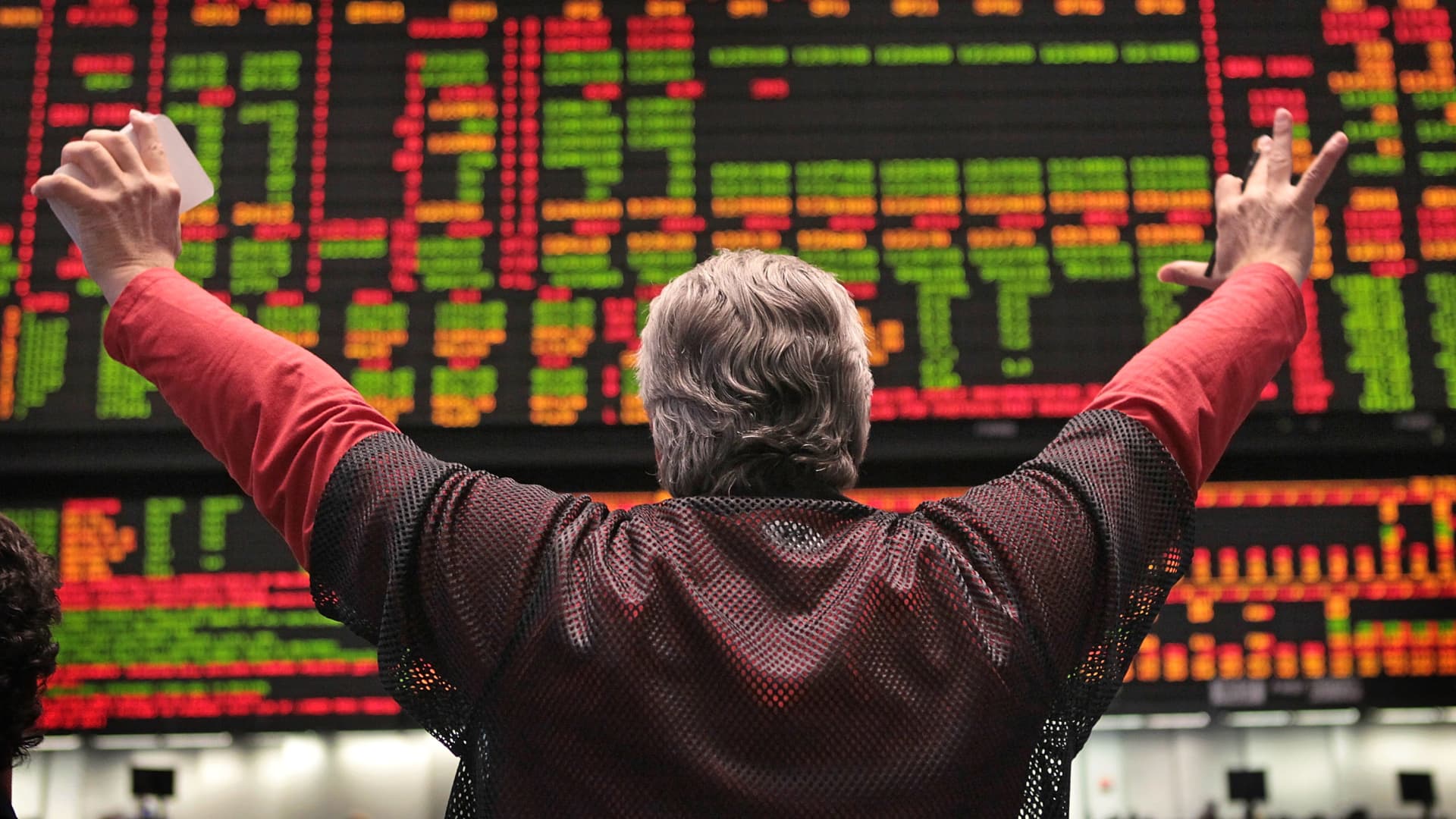
New Fed Chair Kevin Warsh's Policies Spark Market Concerns
- Fed Leadership Change: Kevin Warsh officially took over as Fed Chair on May 22, becoming the 17th chair since the central bank's inception in 1913, indicating potential significant shifts in monetary policy, particularly regarding interest rate guidance.
- Interest Rate Policy Adjustment: In his first FOMC meeting, Warsh did not implement a rate cut despite Trump's call for rates to be slashed to below 1%, maintaining the current range of 3.50% to 3.75%, which could constrain corporate and consumer borrowing and impact U.S. economic growth.
- Inflation Pressure Intensifies: The inflation rate surged from 2.4% to 4.2% over 12 months due to supply shocks from the Iran war, reaching a three-year high, which may compel Warsh and the FOMC to raise rates to stabilize prices, further affecting market sentiment.
- Market Expectation Shift: According to CME Group's FedWatch Tool, the probability of an FOMC rate hike by December 2026 has doubled to 89%, which could significantly impact tech stock and AI valuations, prompting investors to reassess market outlooks.
See More

Oversold Stocks Poised for Rebound After Market Volatility


- Market Volatility Impact: The S&P 500 declined nearly 2% this week, while the Nasdaq Composite fell 4.6%, indicating significant pressure from a sharp sell-off in tech stocks, particularly in the semiconductor sector.
- Oversold Stocks Identification: Using a 14-day relative strength index (RSI), both Intercontinental Exchange and CME Group recorded an RSI of 24.4, suggesting these stocks are oversold and may rebound in the near term.
- CME Lawsuit Impact: CME's stock dropped 10% this week due to concerns over risks posed to traditional exchanges, following its lawsuit against the Commodity Futures Trading Commission, exacerbating its double-digit losses for June.
- Defensive Stocks in Favor: Despite overall market declines, Cardinal Health emerged as the most overbought stock with an RSI of 84.4, surging over 7% as investors shifted towards defensive sectors, reflecting a change in market sentiment.
See More
Gold Price Fluctuations and Investment Strategies
- Gold Price Volatility: Gold reached a record high of $5,418 per ounce in January 2023 but has since dropped by 27%, trading below $4,000, indicating shifts in market demand and investor sentiment.
- Inflation and Interest Rate Impact: The U.S. budget deficit for fiscal 2025 hit $1.8 trillion, with projections for another trillion-dollar deficit in 2026, pushing national debt towards $40 trillion; this has increased demand for gold as a safe haven, although expectations of Fed rate hikes have shifted market sentiment.
- Investment Return Comparison: Over the past 50 years, gold has averaged a return of 7.2% per year, while the S&P 500 has returned 11.9%, highlighting the advantages of stocks for long-term investment, even as gold retains its value during uncertain times.
- Portfolio Recommendations: Experts suggest allocating 5% to 15% of total assets to gold to ensure some exposure during high demand for safe-haven assets, while considering the storage and insurance costs of physical gold, making SPDR Gold Shares ETF a more convenient investment option.
See More
US Stock Market Influenced by AI Enthusiasm
- Market Performance Review: Over the past year, the US stock market has performed well, with the S&P 500 and Nasdaq Composite rising 20% and 27% respectively since June 2025, driven by strong investor enthusiasm for artificial intelligence stocks.
- Rate Hike Expectations: Federal Reserve officials now anticipate at least one interest rate increase in 2026, marking the beginning of the fifth rate-increase cycle since 1999, which historically coincides with bear markets, potentially putting pressure on stock prices.
- Inflation Impact Analysis: Due to accelerating inflation, market expectations for future interest rates have shifted, with 50% of Fed officials now believing a 25 basis point hike will be necessary in 2026, a significant increase from zero in March, reflecting growing concerns about the economic outlook.
- Volatility Risk: Should the Fed raise rates this year, it would initiate a new tightening cycle; historical data shows that the S&P 500 and Nasdaq Composite typically decline by an average of 10% and 15% within three months following the first rate hike, indicating that investors should prepare for potential market volatility.
See More
Federal Reserve Raises Interest Rate Projections
- Rising Rate Expectations: In June, the Federal Reserve updated its economic projections, indicating at least one interest rate increase in 2026, marking the beginning of the fifth rate-increase cycle since 1999, which could lead to increased market volatility, particularly given the current high valuations.
- Market Performance vs. Rates: The S&P 500 and Nasdaq Composite have risen 20% and 27% over the past year, respectively, but as interest rates rise, the attractiveness of equities diminishes, potentially pushing the market into correction territory, especially following Fed rate hikes.
- Historical Data Warning: Historically, the four rate-increase cycles since 1999 have coincided with corrections in the S&P 500 and Nasdaq, with data showing average declines of 10% and 15% respectively within three months of the first rate hike, prompting investors to remain cautious.
- Inflation and Market Volatility: While Morgan Stanley economists suggest the Fed may hold rates steady through 2026, the persistence of high inflation increases the likelihood of rate hikes, necessitating investor preparedness for volatility, particularly in light of current elevated market valuations.
See More
Historic Highs on Wall Street Amid Fed Leadership Change
- Market Peaks: The Dow Jones, S&P 500, and Nasdaq Composite have reached historic highs driven by AI enthusiasm, indicating strong investor confidence in tech stocks, which may attract further investments in the sector.
- Fed Leadership Change: Kevin Warsh officially took over as Fed chair on May 22, succeeding Jerome Powell, signaling potential shifts in monetary policy under his leadership, which could lead to stricter interest rate policies affecting market liquidity.
- Trump's Policy Impact: Trump's criticism of the Fed and his implementation of global tariffs and military actions against Iran have led to price shocks, potentially forcing the Fed to consider rate hikes in response to inflationary pressures, impacting economic growth.
- Rising Rate Expectations: According to CME Group's FedWatch Tool, the probability of a rate hike by December 2026 has risen to 89%, which could pressure overvalued tech stocks, prompting investors to reassess market risks.
See More
New Fed Chair Kevin Warsh's Policies Spark Market Concerns
- Fed Leadership Change: Kevin Warsh officially took over as Fed Chair on May 22, becoming the 17th chair since the central bank's inception in 1913, indicating potential significant shifts in monetary policy, particularly regarding interest rate guidance.
- Interest Rate Policy Adjustment: In his first FOMC meeting, Warsh did not implement a rate cut despite Trump's call for rates to be slashed to below 1%, maintaining the current range of 3.50% to 3.75%, which could constrain corporate and consumer borrowing and impact U.S. economic growth.
- Inflation Pressure Intensifies: The inflation rate surged from 2.4% to 4.2% over 12 months due to supply shocks from the Iran war, reaching a three-year high, which may compel Warsh and the FOMC to raise rates to stabilize prices, further affecting market sentiment.
- Market Expectation Shift: According to CME Group's FedWatch Tool, the probability of an FOMC rate hike by December 2026 has doubled to 89%, which could significantly impact tech stock and AI valuations, prompting investors to reassess market outlooks.
See More
Oversold Stocks Poised for Rebound After Market Volatility
- Market Volatility Impact: The S&P 500 declined nearly 2% this week, while the Nasdaq Composite fell 4.6%, indicating significant pressure from a sharp sell-off in tech stocks, particularly in the semiconductor sector.
- Oversold Stocks Identification: Using a 14-day relative strength index (RSI), both Intercontinental Exchange and CME Group recorded an RSI of 24.4, suggesting these stocks are oversold and may rebound in the near term.
- CME Lawsuit Impact: CME's stock dropped 10% this week due to concerns over risks posed to traditional exchanges, following its lawsuit against the Commodity Futures Trading Commission, exacerbating its double-digit losses for June.
- Defensive Stocks in Favor: Despite overall market declines, Cardinal Health emerged as the most overbought stock with an RSI of 84.4, surging over 7% as investors shifted towards defensive sectors, reflecting a change in market sentiment.
See More