Nasdaq Surges 1.5%; Procter & Gamble Posts Upbeat Earnings
Written by Emily J. Thompson, Senior Investment Analyst
Updated: Jan 22 2025
0mins


Source: Benzinga
U.S. Stock Market Performance: U.S. stocks saw gains with the Dow Jones up 0.30%, NASDAQ rising 1.48%, and S&P 500 increasing by 0.83%. Procter & Gamble reported better-than-expected financial results, contributing to market optimism.
Sector Movements and Global Markets: Information technology shares surged by 2%, while real estate fell by 1%. European markets mostly rose, while Asian markets had mixed results, reflecting varied economic conditions across regions.
Trade with 70% Backtested Accuracy
Stop guessing "Should I Buy PG?" and start using high-conviction signals backed by rigorous historical data.
Sign up today to access powerful investing tools and make smarter, data-driven decisions.
Analyst Views on PG
Wall Street analysts forecast PG stock price to rise
17 Analyst Rating
10 Buy
7 Hold
0 Sell
Moderate Buy
Current: 150.560

Low
150.00
Averages
164.50
High
180.00
Current: 150.560
Low
150.00
Averages
164.50
High
180.00
About PG
The Procter & Gamble Company is focused on providing branded consumer packaged goods to consumers across the world. The Company’s segments include Beauty, Grooming, Health Care, Fabric & Home Care and Baby, Feminine & Family Care. The Company’s products are sold in approximately 180 countries and territories primarily through mass merchandisers, e-commerce, including social commerce channels, grocery stores, membership club stores, drug stores, department stores, distributors, wholesalers, specialty beauty stores, including airport duty-free stores), high-frequency stores, pharmacies, electronics stores and professional channels. It also sells direct to individual consumers. It has operations in approximately 70 countries. It offers products under brands, such as Head & Shoulders, Herbal Essences, Pantene, Rejoice, Olay, Old Spice, Safeguard, Secret, SK-II, Braun, Gillette, Venus, Crest, Oral-B, Ariel, Downy, Gain, Tide, Always, Always Discreet, Tampax, Bounty and others.
About the author

Emily J. Thompson
Emily J. Thompson, a Chartered Financial Analyst (CFA) with 12 years in investment research, graduated with honors from the Wharton School. Specializing in industrial and technology stocks, she provides in-depth analysis for Intellectia’s earnings and market brief reports.

Tide Launches 'Safe for Stuffies' Charity Initiative
- Charity Initiative Launch: Tide Free & Gentle has announced its inaugural 'Safe for Stuffies' campaign aimed at helping families facing housing insecurity by donating washed stuffed animals, with the initiative running until June 25, 2026, potentially impacting hundreds of families.
- Donation Drive: The campaign invites families in the tri-state area to donate beloved toys, all of which will be professionally cleaned using the improved Tide Free & Gentle formula, ensuring safe cleaning and enhancing family trust in the washing process.
- Community Support: Tide will donate thousands of bottles of Tide Free & Gentle detergent to Expecting Relief, helping families access sensitive-skin laundry care products for everyday use, thereby improving the quality of life in the community.
- Product Improvement: The new Tide Free & Gentle formula features a translucent liquid that enhances cleaning power, effectively removing soil from synthetic fabrics, ensuring that washed toys retain their original colors and textures.
See More

Recap of CNBC Investing Club Monthly Meeting

- Portfolio Analysis: During the June Monthly Meeting, Jim Cramer and Jeff Marks provided an in-depth analysis of 35 portfolio stocks, highlighting their preference for Intel due to its significant upside potential in data center CPU growth, particularly in the context of competition with TSMC.
- Tech Giants Restructuring: Cramer noted a reordering of the 'Magnificent Seven,' with newcomers like SpaceX and the yet-to-go-public Anthropic and OpenAI emerging as formidable competitors, indicating intensified market competition, especially in the AI sector.
- Strengths of Alphabet and Apple: Alphabet is positioned advantageously in the AI era with its YouTube and Waymo businesses, while Apple leverages its ecosystem of over 2.5 billion iPhone users to strengthen its AI partnership with Alphabet, showcasing both companies' robust market positions.
- Market Dynamics and Investment Strategy: Despite challenges faced by Meta and Microsoft, Cramer advises maintaining investments in Amazon and Nvidia, believing that the latter's GPU demand will continue to grow, and that Amazon's cloud business remains highly profitable.
See More
Align Probiotic Empowers Women with Digestive Confidence
- National Campaign Launch: Align Probiotic initiated a nationwide campaign on June 16, aimed at encouraging women over 50 to focus on their digestive health, with 500 Align SideKITs being given away, enhancing brand visibility and customer loyalty.
- Product Features: Each SideKIT includes a one-month supply of Align Probiotic featuring the unique B. longum 35624™ strain, designed to alleviate occasional bloating, gas, and abdominal discomfort, helping women maintain digestive balance in their busy lives.
- Marketing Strategy: The campaign engages directly with target consumers by distributing SideKITs and conducting street interviews in Manhattan, increasing market penetration while further amplifying the campaign's reach through aerial banner advertising.
- Brand Mission: Align's Brand Director, Elizabeth Makras, stated that the campaign aims to eliminate the stigma surrounding digestive discomfort faced by women in midlife, empowering them to nurture their inner strength and better cope with life's challenges, reflecting the brand's commitment to women's health.
See More

Market Volatility and Portfolio Performance Overview


- Market Volatility Overview: The S&P 500 experienced significant volatility over the past three weeks, recording its worst session in eight months on June 5, just after reaching record highs, indicating shifts in market sentiment and investor uncertainty.
- Portfolio Performance: Among 34 stocks, 19 have risen since the May meeting, with Arm's stock soaring 38.2% driven by strong AI demand and the release of a new Nvidia chip, highlighting the potential for a rebound in tech stocks.
- Bank Stocks Recovery: Wells Fargo's shares increased by 13.9%, reflecting the financial sector's status as the best-performing group in the S&P 500, although it remains down nearly 7% year-to-date, suggesting a cautious recovery amid potential earnings volatility.
- Underperforming Stocks: Amazon's stock fell 10.8%, primarily due to concerns over AI investments, despite securing a $17.5 billion loan for AI development, raising questions about its future financial health and investor confidence.
See More
Albertsons Launches Episodic Branded Entertainment

- Retail Media Innovation: Albertsons Media Collective, in collaboration with Procter & Gamble, introduces episodic branded entertainment based on shopper insights, marking a new direction for retail media that is expected to attract more brands and enhance advertising effectiveness.
- First Series Launch: The series 'Rico's Tacos' will premiere on June 23, intertwining real shopper stories with cultural backgrounds, aiming to strengthen the connection between brands and consumers through emotional resonance, thereby driving sales growth.
- Content Creation Model: This collaboration emphasizes integrating shopper insights at the creative outset rather than optimizing post-production, which is expected to enhance the relevance and effectiveness of advertising, ultimately boosting brand loyalty and market share.
- Future Expansion Plans: Albertsons plans to scale similar brand collaborations and content creation in the coming months, transitioning retail media from mere ad placements to culturally valuable brand storytelling, thereby enhancing overall market competitiveness.
See More
Zefiro Subsidiary Secures Three Well Remediation Contracts
- Contract Approval: Zefiro's subsidiary P&G is set to commence three well remediation projects in July 2026, expected to generate approximately $2.4 million in revenue, showcasing the company's strong market position in environmental remediation.
- Competitive Advantage: P&G was one of only two bidders for these contracts, further solidifying its position as a dominant integrated service provider, indicating its competitiveness in the rapidly growing environmental services market.
- Funding Support: These projects are administered by the Ohio Department of Natural Resources using $4.7 billion in federal funding aimed at accelerating the plugging of orphaned wells in the U.S., reflecting the government's commitment to environmental remediation.
- Enhanced Operational Capacity: With increased operational capacity, P&G can quickly capitalize on new project opportunities, and plans to expand its fleet and workforce to meet the growing market demand, driving future growth for the company.
See More
Tide Launches 'Safe for Stuffies' Charity Initiative
- Charity Initiative Launch: Tide Free & Gentle has announced its inaugural 'Safe for Stuffies' campaign aimed at helping families facing housing insecurity by donating washed stuffed animals, with the initiative running until June 25, 2026, potentially impacting hundreds of families.
- Donation Drive: The campaign invites families in the tri-state area to donate beloved toys, all of which will be professionally cleaned using the improved Tide Free & Gentle formula, ensuring safe cleaning and enhancing family trust in the washing process.
- Community Support: Tide will donate thousands of bottles of Tide Free & Gentle detergent to Expecting Relief, helping families access sensitive-skin laundry care products for everyday use, thereby improving the quality of life in the community.
- Product Improvement: The new Tide Free & Gentle formula features a translucent liquid that enhances cleaning power, effectively removing soil from synthetic fabrics, ensuring that washed toys retain their original colors and textures.
See More
Recap of CNBC Investing Club Monthly Meeting
- Portfolio Analysis: During the June Monthly Meeting, Jim Cramer and Jeff Marks provided an in-depth analysis of 35 portfolio stocks, highlighting their preference for Intel due to its significant upside potential in data center CPU growth, particularly in the context of competition with TSMC.
- Tech Giants Restructuring: Cramer noted a reordering of the 'Magnificent Seven,' with newcomers like SpaceX and the yet-to-go-public Anthropic and OpenAI emerging as formidable competitors, indicating intensified market competition, especially in the AI sector.
- Strengths of Alphabet and Apple: Alphabet is positioned advantageously in the AI era with its YouTube and Waymo businesses, while Apple leverages its ecosystem of over 2.5 billion iPhone users to strengthen its AI partnership with Alphabet, showcasing both companies' robust market positions.
- Market Dynamics and Investment Strategy: Despite challenges faced by Meta and Microsoft, Cramer advises maintaining investments in Amazon and Nvidia, believing that the latter's GPU demand will continue to grow, and that Amazon's cloud business remains highly profitable.
See More
Align Probiotic Empowers Women with Digestive Confidence
- National Campaign Launch: Align Probiotic initiated a nationwide campaign on June 16, aimed at encouraging women over 50 to focus on their digestive health, with 500 Align SideKITs being given away, enhancing brand visibility and customer loyalty.
- Product Features: Each SideKIT includes a one-month supply of Align Probiotic featuring the unique B. longum 35624™ strain, designed to alleviate occasional bloating, gas, and abdominal discomfort, helping women maintain digestive balance in their busy lives.
- Marketing Strategy: The campaign engages directly with target consumers by distributing SideKITs and conducting street interviews in Manhattan, increasing market penetration while further amplifying the campaign's reach through aerial banner advertising.
- Brand Mission: Align's Brand Director, Elizabeth Makras, stated that the campaign aims to eliminate the stigma surrounding digestive discomfort faced by women in midlife, empowering them to nurture their inner strength and better cope with life's challenges, reflecting the brand's commitment to women's health.
See More
Market Volatility and Portfolio Performance Overview
- Market Volatility Overview: The S&P 500 experienced significant volatility over the past three weeks, recording its worst session in eight months on June 5, just after reaching record highs, indicating shifts in market sentiment and investor uncertainty.
- Portfolio Performance: Among 34 stocks, 19 have risen since the May meeting, with Arm's stock soaring 38.2% driven by strong AI demand and the release of a new Nvidia chip, highlighting the potential for a rebound in tech stocks.
- Bank Stocks Recovery: Wells Fargo's shares increased by 13.9%, reflecting the financial sector's status as the best-performing group in the S&P 500, although it remains down nearly 7% year-to-date, suggesting a cautious recovery amid potential earnings volatility.
- Underperforming Stocks: Amazon's stock fell 10.8%, primarily due to concerns over AI investments, despite securing a $17.5 billion loan for AI development, raising questions about its future financial health and investor confidence.
See More
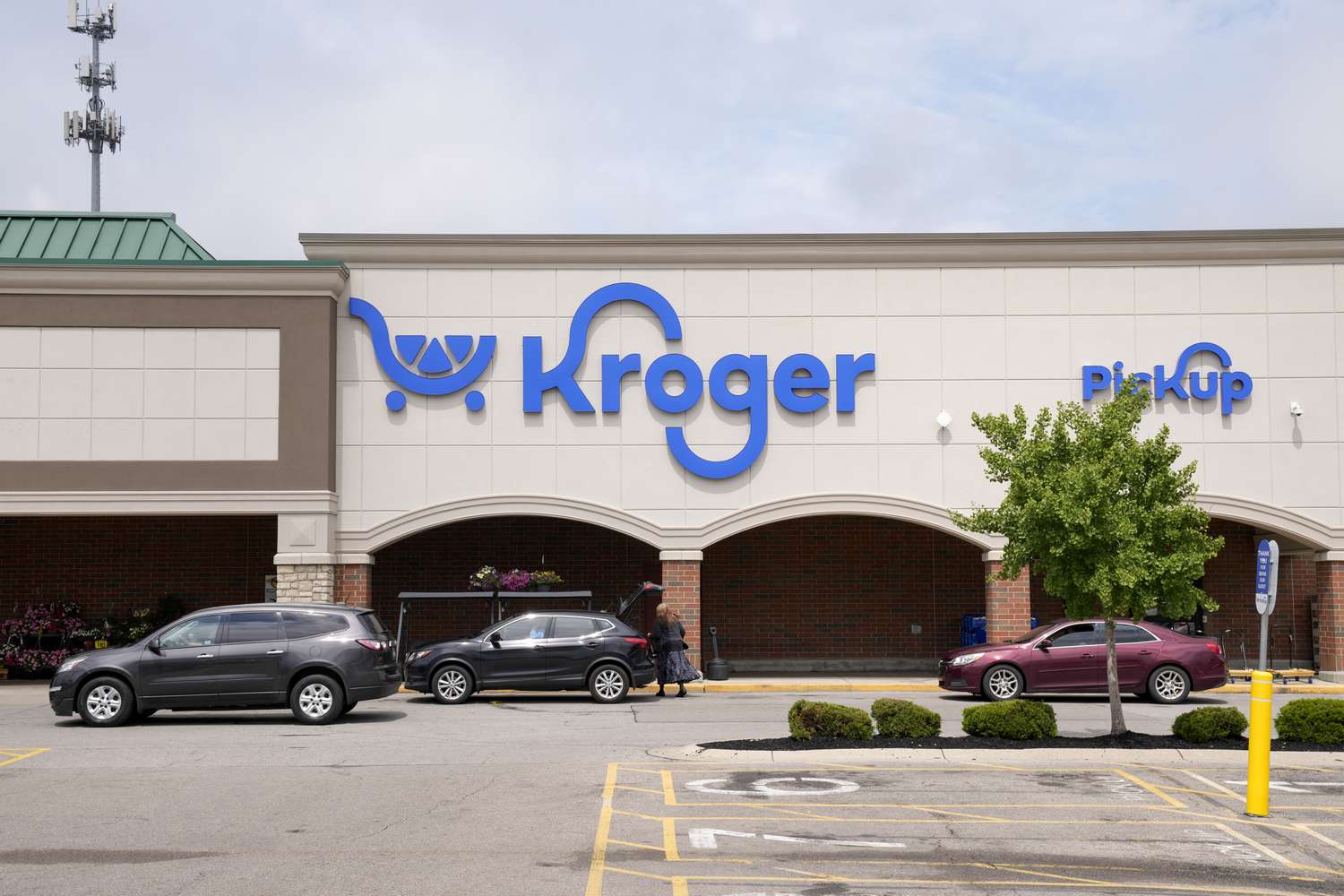
Albertsons Launches Episodic Branded Entertainment
- Retail Media Innovation: Albertsons Media Collective, in collaboration with Procter & Gamble, introduces episodic branded entertainment based on shopper insights, marking a new direction for retail media that is expected to attract more brands and enhance advertising effectiveness.
- First Series Launch: The series 'Rico's Tacos' will premiere on June 23, intertwining real shopper stories with cultural backgrounds, aiming to strengthen the connection between brands and consumers through emotional resonance, thereby driving sales growth.
- Content Creation Model: This collaboration emphasizes integrating shopper insights at the creative outset rather than optimizing post-production, which is expected to enhance the relevance and effectiveness of advertising, ultimately boosting brand loyalty and market share.
- Future Expansion Plans: Albertsons plans to scale similar brand collaborations and content creation in the coming months, transitioning retail media from mere ad placements to culturally valuable brand storytelling, thereby enhancing overall market competitiveness.
See More
Zefiro Subsidiary Secures Three Well Remediation Contracts
- Contract Approval: Zefiro's subsidiary P&G is set to commence three well remediation projects in July 2026, expected to generate approximately $2.4 million in revenue, showcasing the company's strong market position in environmental remediation.
- Competitive Advantage: P&G was one of only two bidders for these contracts, further solidifying its position as a dominant integrated service provider, indicating its competitiveness in the rapidly growing environmental services market.
- Funding Support: These projects are administered by the Ohio Department of Natural Resources using $4.7 billion in federal funding aimed at accelerating the plugging of orphaned wells in the U.S., reflecting the government's commitment to environmental remediation.
- Enhanced Operational Capacity: With increased operational capacity, P&G can quickly capitalize on new project opportunities, and plans to expand its fleet and workforce to meet the growing market demand, driving future growth for the company.
See More