

Musk Exercises Stock Options, Increases Tesla Holdings
Written by Emily J. Thompson, Senior Investment Analyst
Updated: 1 hour ago
0mins
Source: stocktwits
- Stock Option Exercise: Musk exercised stock options approved in 2018, acquiring approximately 304 million shares at $23.34 each, totaling around $7.1 billion, demonstrating his confidence in Tesla's future prospects.
- Share Buyback Mechanism: Tesla reclaimed 17.5 million shares from Musk, valued at about $405 each, to offset the exercise costs, effectively managing potential dilution of the company's equity.
- Increased Ownership Stake: Following the exercise, Musk's ownership stake rose to 19.9%, which not only enhances his control over the company but also reflects his commitment to Tesla's long-term growth.
- Compensation Structure Controversy: Musk's pay package is entirely performance-based, lacking a fixed salary or cash bonuses, and despite facing legal challenges, its successful implementation highlights the uniqueness and effectiveness of this incentive mechanism.
Trade with 70% Backtested Accuracy
Stop guessing "Should I Buy TSLA?" and start using high-conviction signals backed by rigorous historical data.
Sign up today to access powerful investing tools and make smarter, data-driven decisions.
Analyst Views on TSLA
Wall Street analysts forecast TSLA stock price to fall
30 Analyst Rating
12 Buy
11 Hold
7 Sell
Hold
Current: 404.660

Low
25.28
Averages
401.93
High
600.00
Current: 404.660
Low
25.28
Averages
401.93
High
600.00
About TSLA
Tesla, Inc. designs, develops, manufactures, sells and leases high-performance fully electric vehicles and energy generation and storage systems, and offers services related to its products. Its segments include automotive, and energy generation and storage. The automotive segment includes the design, development, manufacturing, sales and leasing of high-performance fully electric vehicles, and sales of automotive regulatory credits. It also includes sales of used vehicles, non-warranty maintenance services and collisions, part sales, paid supercharging, insurance services revenue and retail merchandise sales. The energy generation and storage segment include the design, manufacture, installation, sales and leasing of solar energy generation and energy storage products and related services and sales of solar energy systems incentives. Its consumer vehicles include the Model 3, Y, S, X and Cybertruck. Its lithium-ion battery energy storage products include Powerwall and Megapack.
About the author

Emily J. Thompson
Emily J. Thompson, a Chartered Financial Analyst (CFA) with 12 years in investment research, graduated with honors from the Wharton School. Specializing in industrial and technology stocks, she provides in-depth analysis for Intellectia’s earnings and market brief reports.

BYD's Charging Network Rapid Expansion Outpaces Tesla

- Rapid Charging Station Deployment: BYD has installed 5,700 Flash Charging stations in China within months and aims to reach 20,000 by year-end, significantly enhancing its competitive edge in the EV market.
- Superior Charging Power: BYD's stations can deliver up to 1,500 kW, roughly three times the output of Tesla's latest V4 Superchargers, effectively alleviating range anxiety and promoting EV adoption.
- International Expansion Begins: BYD has opened its first overseas charging stations in Europe, marking the start of its global expansion strategy, which is expected to increase its international market share.
- Partnership with Sinopec: BYD's collaboration with Sinopec, China's largest fuel retail network with over 30,000 stations, will accelerate the rollout of its charging network, positioning it to potentially surpass Tesla's global network in the coming years.
See More

Analysis of Potential Merger Between SpaceX and Tesla
- Market Valuation Milestone: SpaceX went public on June 12, achieving a market cap of $2.11 trillion, making it the first company to enter the $2 trillion club, indicating strong growth potential in the space exploration sector that may attract more investor interest.
- Declining Profitability for Tesla: Tesla's profitability has significantly declined, with analysts projecting earnings of only $2.06 per share in 2026, down from $4.30 in 2023, reflecting intensified competition and slowing demand in the electric vehicle market, which could impact its future market performance.
- Merger Potential Analysis: The potential merger between SpaceX and Tesla is seen as strategically significant, particularly under Musk's leadership, as the two companies could achieve synergies in technology and market presence, enhancing overall competitiveness, especially in autonomous driving and energy storage sectors.
- Future Growth Opportunities: SpaceX's Starlink network and Tesla's robotaxi network are both viewed as key growth drivers, particularly against the backdrop of increasing global demand for efficient energy solutions, which could present new market opportunities for both companies.
See More

Investment Outlook Post-SpaceX IPO: Opportunities and Challenges

- Massive Market Potential: SpaceX's IPO prospectus reveals a staggering growth potential of $28.5 trillion, significantly exceeding its initial valuation of $1.77 trillion, highlighting both the company's confidence in future markets and the challenges for investors.
- Rapid Capital Deployment: With $75 billion in fresh capital, SpaceX is expected to quickly invest in expanding its artificial intelligence and data center infrastructure, although its energy generation plans remain less developed, posing potential challenges ahead.
- Nuclear Investment Opportunities: SpaceX may look to acquire small modular reactor companies like NuScale Power to meet its urgent power needs, particularly in data center construction, reflecting its commitment to low-carbon energy solutions.
- Competitive Market Strategies: Companies like Oklo and NuScale Power are pursuing different market strategies in the small modular reactor space, necessitating investor diligence to capitalize on SpaceX's future energy demands and investment opportunities.
See More
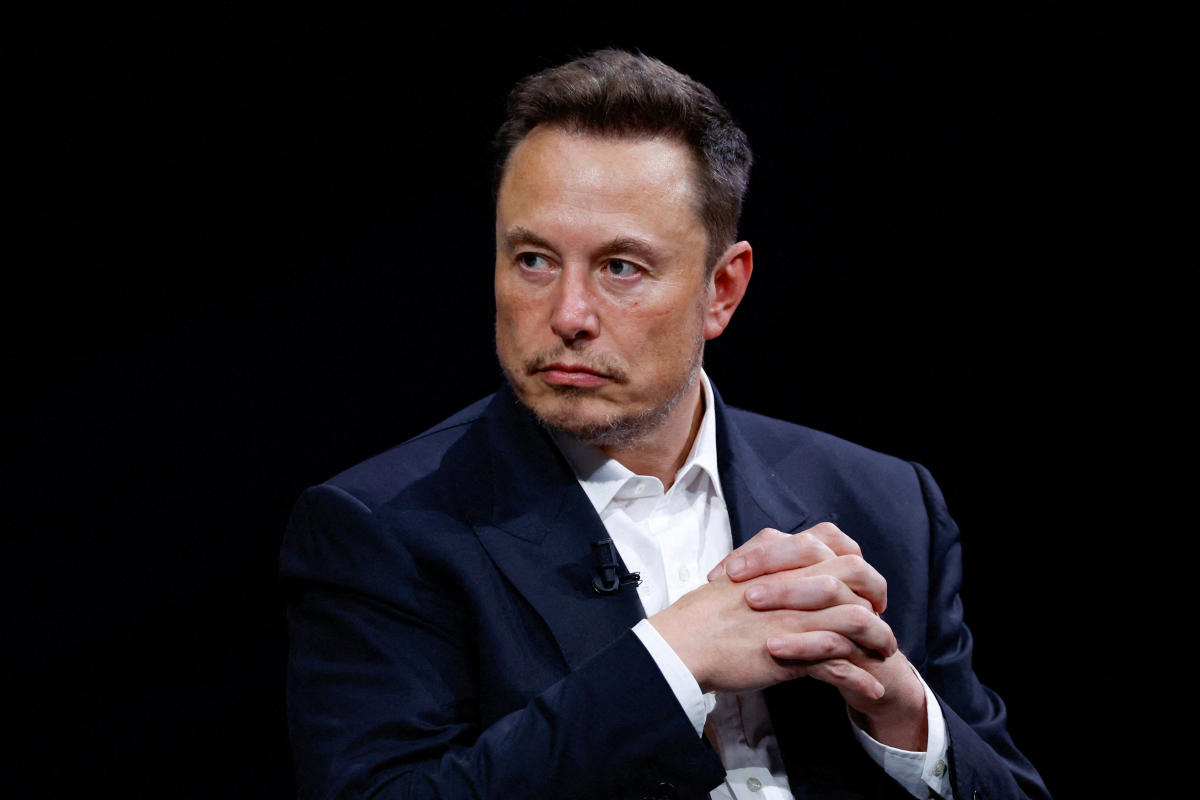
SpaceX Set to Launch Major Investment Initiative Post-IPO

- Massive Market Potential: SpaceX's IPO prospectus reveals a staggering growth potential of $28.5 trillion, significantly surpassing its initial valuation of $1.77 trillion, indicating the company's confidence and strategic positioning for future markets.
- Rapid Capital Deployment: With $75 billion in fresh capital, SpaceX plans to quickly invest in expanding its artificial intelligence and data center infrastructure, which is expected to significantly boost its market share in these sectors.
- Urgent Energy Needs: As SpaceX expands its data centers, it faces an urgent need for power generation, with small modular reactors (SMRs) seen as a potential solution to quickly meet its energy demands, showcasing the company's forward-thinking energy strategy.
- Emerging Investment Opportunities: Companies like Oklo and NuScale Power, specializing in small modular reactors, are viewed as potential beneficiaries of SpaceX's future energy needs, prompting investors to closely monitor their market strategies to capitalize on upcoming investment opportunities.
See More
US Stocks Plunge as Tech Sector Weighs Down Market


- Market Weakness: On Wednesday, the S&P 500 Index fell by 1.21%, the Dow Jones Industrial Average dropped by 0.98%, and the Nasdaq 100 Index declined by 0.99%, reflecting market concerns over potential interest rate hikes by the Fed, particularly amid weak performance in technology stocks.
- Economic Data Support: Despite the market downturn, US May retail sales rose by 0.9% month-over-month, surpassing expectations of 0.6%, indicating resilient consumer demand, while pending home sales increased by 3.8% month-over-month, marking the largest gain in 20 months, potentially providing some support to the market.
- Fed Policy Outlook: The Fed maintained interest rates at its meeting on Wednesday but indicated through its dot plot that at least one more 25 basis point hike is expected this year, with the 2026 year-end federal funds rate projection raised to 3.75%, reflecting a cautious outlook on future economic conditions.
- International Market Response: While US stocks declined, overseas markets performed strongly, with the Euro Stoxx 50 reaching a new record high and closing up 0.68%, demonstrating global investor confidence in economic recovery, which may contrast with the US market's performance.
See More
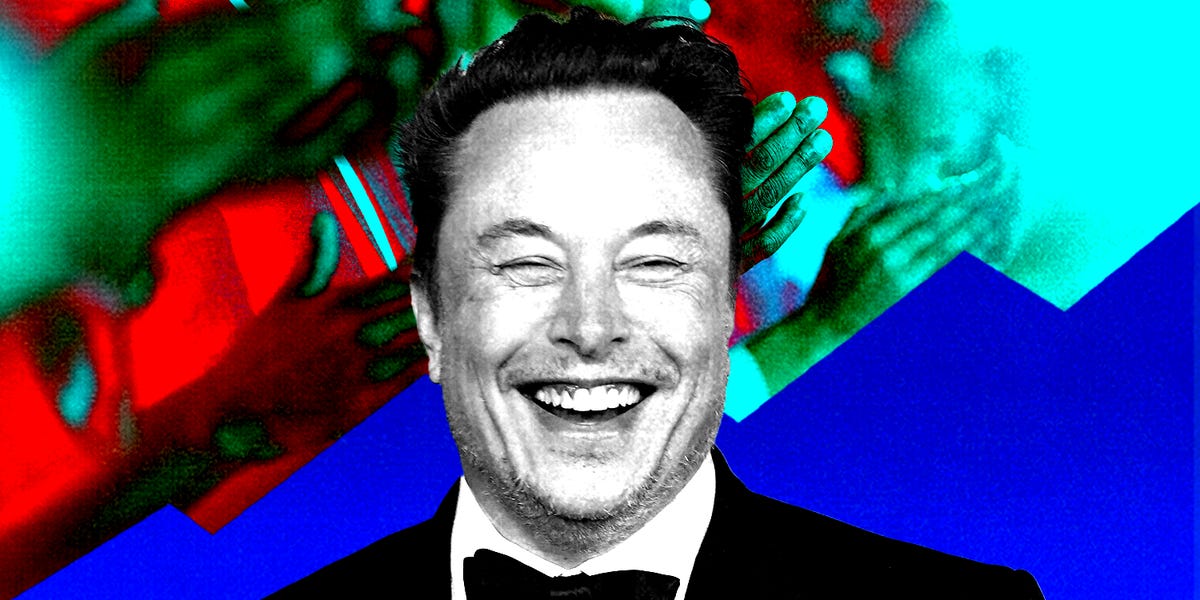
Musk Exercises Stock Options, Increases Tesla Holdings
- Stock Option Exercise: Musk exercised stock options approved in 2018, acquiring approximately 304 million shares at $23.34 each, totaling around $7.1 billion, demonstrating his confidence in Tesla's future prospects.
- Share Buyback Mechanism: Tesla reclaimed 17.5 million shares from Musk, valued at about $405 each, to offset the exercise costs, effectively managing potential dilution of the company's equity.
- Increased Ownership Stake: Following the exercise, Musk's ownership stake rose to 19.9%, which not only enhances his control over the company but also reflects his commitment to Tesla's long-term growth.
- Compensation Structure Controversy: Musk's pay package is entirely performance-based, lacking a fixed salary or cash bonuses, and despite facing legal challenges, its successful implementation highlights the uniqueness and effectiveness of this incentive mechanism.
See More
BYD's Charging Network Rapid Expansion Outpaces Tesla
- Rapid Charging Station Deployment: BYD has installed 5,700 Flash Charging stations in China within months and aims to reach 20,000 by year-end, significantly enhancing its competitive edge in the EV market.
- Superior Charging Power: BYD's stations can deliver up to 1,500 kW, roughly three times the output of Tesla's latest V4 Superchargers, effectively alleviating range anxiety and promoting EV adoption.
- International Expansion Begins: BYD has opened its first overseas charging stations in Europe, marking the start of its global expansion strategy, which is expected to increase its international market share.
- Partnership with Sinopec: BYD's collaboration with Sinopec, China's largest fuel retail network with over 30,000 stations, will accelerate the rollout of its charging network, positioning it to potentially surpass Tesla's global network in the coming years.
See More
Analysis of Potential Merger Between SpaceX and Tesla
- Market Valuation Milestone: SpaceX went public on June 12, achieving a market cap of $2.11 trillion, making it the first company to enter the $2 trillion club, indicating strong growth potential in the space exploration sector that may attract more investor interest.
- Declining Profitability for Tesla: Tesla's profitability has significantly declined, with analysts projecting earnings of only $2.06 per share in 2026, down from $4.30 in 2023, reflecting intensified competition and slowing demand in the electric vehicle market, which could impact its future market performance.
- Merger Potential Analysis: The potential merger between SpaceX and Tesla is seen as strategically significant, particularly under Musk's leadership, as the two companies could achieve synergies in technology and market presence, enhancing overall competitiveness, especially in autonomous driving and energy storage sectors.
- Future Growth Opportunities: SpaceX's Starlink network and Tesla's robotaxi network are both viewed as key growth drivers, particularly against the backdrop of increasing global demand for efficient energy solutions, which could present new market opportunities for both companies.
See More
Investment Outlook Post-SpaceX IPO: Opportunities and Challenges
- Massive Market Potential: SpaceX's IPO prospectus reveals a staggering growth potential of $28.5 trillion, significantly exceeding its initial valuation of $1.77 trillion, highlighting both the company's confidence in future markets and the challenges for investors.
- Rapid Capital Deployment: With $75 billion in fresh capital, SpaceX is expected to quickly invest in expanding its artificial intelligence and data center infrastructure, although its energy generation plans remain less developed, posing potential challenges ahead.
- Nuclear Investment Opportunities: SpaceX may look to acquire small modular reactor companies like NuScale Power to meet its urgent power needs, particularly in data center construction, reflecting its commitment to low-carbon energy solutions.
- Competitive Market Strategies: Companies like Oklo and NuScale Power are pursuing different market strategies in the small modular reactor space, necessitating investor diligence to capitalize on SpaceX's future energy demands and investment opportunities.
See More
SpaceX Set to Launch Major Investment Initiative Post-IPO
- Massive Market Potential: SpaceX's IPO prospectus reveals a staggering growth potential of $28.5 trillion, significantly surpassing its initial valuation of $1.77 trillion, indicating the company's confidence and strategic positioning for future markets.
- Rapid Capital Deployment: With $75 billion in fresh capital, SpaceX plans to quickly invest in expanding its artificial intelligence and data center infrastructure, which is expected to significantly boost its market share in these sectors.
- Urgent Energy Needs: As SpaceX expands its data centers, it faces an urgent need for power generation, with small modular reactors (SMRs) seen as a potential solution to quickly meet its energy demands, showcasing the company's forward-thinking energy strategy.
- Emerging Investment Opportunities: Companies like Oklo and NuScale Power, specializing in small modular reactors, are viewed as potential beneficiaries of SpaceX's future energy needs, prompting investors to closely monitor their market strategies to capitalize on upcoming investment opportunities.
See More
US Stocks Plunge as Tech Sector Weighs Down Market
- Market Weakness: On Wednesday, the S&P 500 Index fell by 1.21%, the Dow Jones Industrial Average dropped by 0.98%, and the Nasdaq 100 Index declined by 0.99%, reflecting market concerns over potential interest rate hikes by the Fed, particularly amid weak performance in technology stocks.
- Economic Data Support: Despite the market downturn, US May retail sales rose by 0.9% month-over-month, surpassing expectations of 0.6%, indicating resilient consumer demand, while pending home sales increased by 3.8% month-over-month, marking the largest gain in 20 months, potentially providing some support to the market.
- Fed Policy Outlook: The Fed maintained interest rates at its meeting on Wednesday but indicated through its dot plot that at least one more 25 basis point hike is expected this year, with the 2026 year-end federal funds rate projection raised to 3.75%, reflecting a cautious outlook on future economic conditions.
- International Market Response: While US stocks declined, overseas markets performed strongly, with the Euro Stoxx 50 reaching a new record high and closing up 0.68%, demonstrating global investor confidence in economic recovery, which may contrast with the US market's performance.
See More
Musk Exercises Stock Options, Increases Tesla Holdings
- Stock Option Exercise: Musk exercised stock options approved in 2018, acquiring approximately 304 million shares at $23.34 each, totaling around $7.1 billion, demonstrating his confidence in Tesla's future prospects.
- Share Buyback Mechanism: Tesla reclaimed 17.5 million shares from Musk, valued at about $405 each, to offset the exercise costs, effectively managing potential dilution of the company's equity.
- Increased Ownership Stake: Following the exercise, Musk's ownership stake rose to 19.9%, which not only enhances his control over the company but also reflects his commitment to Tesla's long-term growth.
- Compensation Structure Controversy: Musk's pay package is entirely performance-based, lacking a fixed salary or cash bonuses, and despite facing legal challenges, its successful implementation highlights the uniqueness and effectiveness of this incentive mechanism.
See More





