Stellantis Denies Maserati Sale Rumors Amid Partnership Talks
Written by Emily J. Thompson, Senior Investment Analyst
Updated: 1 hour ago
0mins
Source: stocktwits
- Executive Statement: Stellantis CEO Antonio Filosa firmly stated that Maserati is not for sale and emphasized that the Cassino plant will continue to engage in partnerships for technology and development, aiming to enhance the brand's competitiveness.
- Sales Challenges: Maserati, as one of Stellantis' troubled brands, faces declining sales and underutilized production capacity at the Cassino plant in Italy, necessitating new technology and investment to regain market momentum.
- Potential Partners: Filosa revealed that Stellantis is negotiating with two significant partners to bring technology and development support to Maserati, although the specific names of the partners have not been disclosed.
- Market Reaction: Despite a 3% drop in Stellantis' stock on Wednesday, shares rebounded by 1.5% in after-hours trading, indicating cautious optimism among investors regarding the company's future partnership prospects, even as the stock has fallen 43% this year.
Trade with 70% Backtested Accuracy
Stop guessing "Should I Buy STLA?" and start using high-conviction signals backed by rigorous historical data.
Sign up today to access powerful investing tools and make smarter, data-driven decisions.
Analyst Views on STLA
Wall Street analysts forecast STLA stock price to rise
14 Analyst Rating
7 Buy
7 Hold
0 Sell
Moderate Buy
Current: 6.640

Low
9.33
Averages
11.81
High
15.15
Current: 6.640
Low
9.33
Averages
11.81
High
15.15
About STLA
Stellantis N.V., formerly Fiat Chrysler Automobiles N.V., is a holding Company based in the Netherlands and operates as an automaker and a mobility provider. The Company is engaged in designing, engineering, manufacturing, distributing and selling vehicles, components and production systems. The Company has industrial operations in more than 30 countries and sells its vehicles directly or through distributors and dealers in more than 130 countries. The Company designs, manufactures, distributes and sells vehicles for the mass-market under the Abarth, Alfa Romeo, Chrysler, Dodge, Fiat, Fiat Professional, Jeep, Lancia and Ram brands. In addition, the Company designs, manufactures, distributes and sells luxury vehicles under the Maserati brand. The Company's brand portfolio also includes Peugeot, Citroen, DS Automobiles, Opel and Vauxhall. It offers a wide variety of vehicle choices from luxury and mainstream passenger vehicles to pickup trucks, sport utility vehicle (SUVs).
About the author

Emily J. Thompson
Emily J. Thompson, a Chartered Financial Analyst (CFA) with 12 years in investment research, graduated with honors from the Wharton School. Specializing in industrial and technology stocks, she provides in-depth analysis for Intellectia’s earnings and market brief reports.
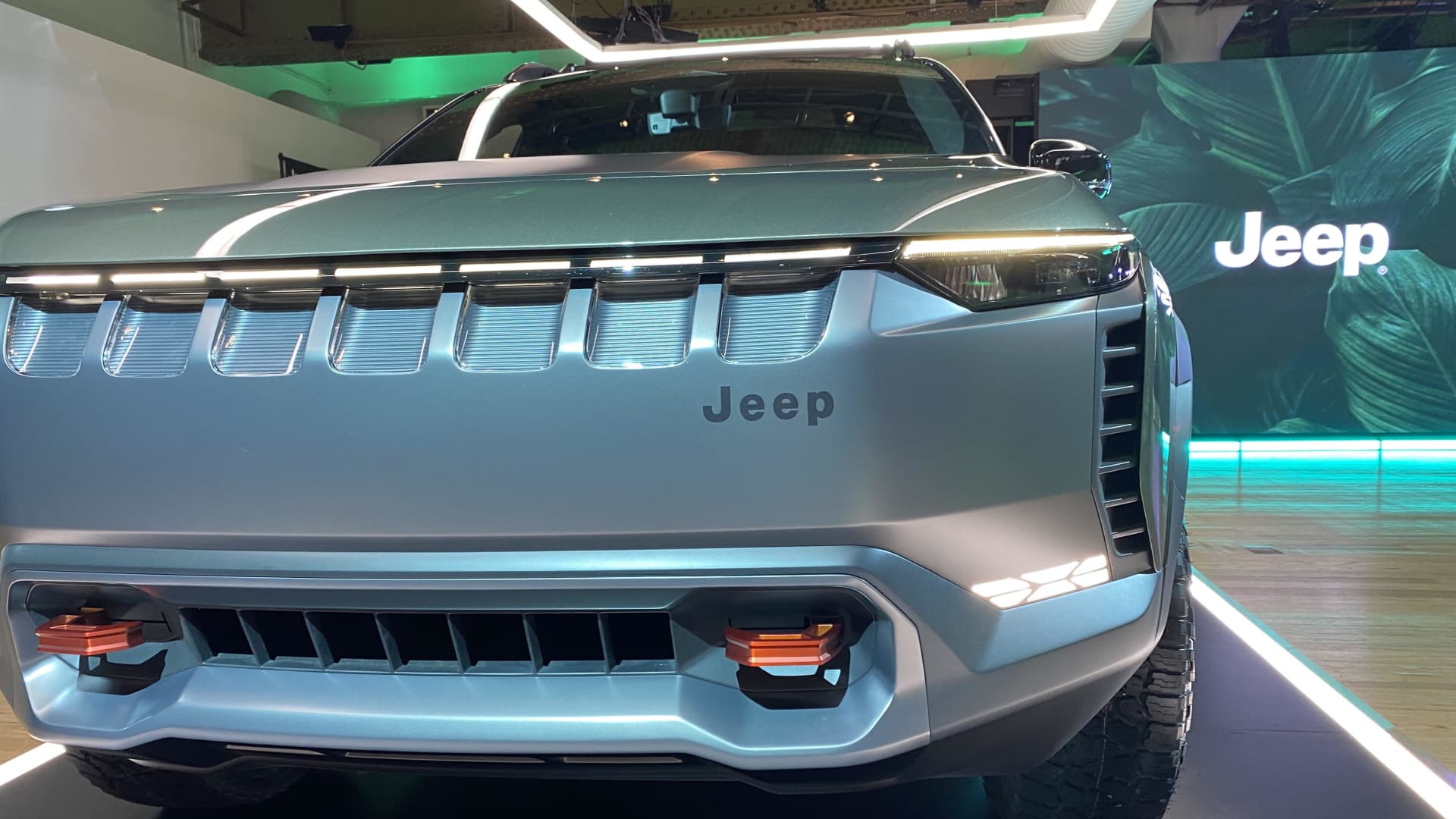
Stellantis, Wayve, and Uber Partner to Scale Robotaxis Globally

- Collaboration for Autonomous Taxis: Stellantis, Wayve, and Uber are partnering to develop and deploy Level 4 (L4) driverless robotaxis globally, leveraging Stellantis' L4-Ready Platforms™, Wayve's AI driving technology, and Uber's extensive mobility network to commercialize autonomous services.
- Vehicle Manufacturing and Integration: Stellantis will design and manufacture L4 vehicles equipped with embedded sensor suites, ensuring compliance with safety and redundancy requirements for high-utilization driverless operations, thereby enhancing market competitiveness and operational efficiency.
- AI Technology Advantage: Wayve's AI driving software enables vehicles to navigate complex environments autonomously, utilizing a mapless adaptive approach that reduces expansion costs and accelerates deployment across diverse regions, addressing global demand for autonomous driving.
- Global Mobility Platform Integration: Uber will deploy these autonomous vehicles on its global mobility network, connecting riders to autonomous services through the Uber app, enhancing user experience and accelerating the adoption of autonomous driving technology.
See More

Stellantis Denies Maserati Sale Rumors Amid Partnership Talks
- Executive Statement: Stellantis CEO Antonio Filosa firmly stated that Maserati is not for sale and emphasized that the Cassino plant will continue to engage in partnerships for technology and development, aiming to enhance the brand's competitiveness.
- Sales Challenges: Maserati, as one of Stellantis' troubled brands, faces declining sales and underutilized production capacity at the Cassino plant in Italy, necessitating new technology and investment to regain market momentum.
- Potential Partners: Filosa revealed that Stellantis is negotiating with two significant partners to bring technology and development support to Maserati, although the specific names of the partners have not been disclosed.
- Market Reaction: Despite a 3% drop in Stellantis' stock on Wednesday, shares rebounded by 1.5% in after-hours trading, indicating cautious optimism among investors regarding the company's future partnership prospects, even as the stock has fallen 43% this year.
See More
Stellantis Pursues New Manufacturing Partnerships in Italy
- Manufacturing Partnerships: Stellantis CEO Antonio Filosa announced the company is pursuing agreements in Italy, particularly related to Maserati projects, aimed at enhancing production capacity at the Cassino and Modena plants, which are expected to bring in technology and development expertise.
- Electric Vehicle Production: Filosa revealed that Stellantis is finalizing a partnership to produce small electric vehicles at its Pomigliano plant near Naples, with plans to launch at least two new models and potentially a third to meet the growing demand for affordable electric vehicles.
- Investment Plan: Stellantis unveiled a €60 billion investment plan through 2030, with approximately 40% allocated to Europe, reaffirming its commitment to invest €5 billion in research and development in Italy to support future technological innovations and product development.
- Capacity Utilization Goals: Filosa stated that Stellantis aims to increase capacity utilization at its European factories from around 60% to over 80% by 2030, a target that will be supported by new model launches, plant conversions, and industrial partnerships, which are expected to further drive production growth in Italy.
See More
Stellantis Faces Major Turnaround Challenges
- Stock Performance Divergence: Over the past three years, GM's stock surged 124%, Ford's gained a mere 4%, while Stellantis plummeted nearly 60%, highlighting significant differences in market performance that reflect each company's operational strategies and market acceptance.
- Recall Cost Pressure: Ford led the U.S. automotive industry in 2025 with 153 recalls, while Stellantis followed with 53; however, 80% of Ford's recalls were resolved via over-the-air software updates, minimizing repair costs, whereas Stellantis faced staggering warranty expenses of $7.4 billion, indicating quality control challenges.
- Warranty Expense Comparison: Stellantis's warranty costs accounted for 4.4% of total revenue, significantly exceeding the historical industry norm of 2% to 3%, while Ford's ratio stood at 3.1%, showing an upward trend, yet Ford's improvement in warranty claims reflects its commitment to quality management.
- Future Growth Potential: Stellantis plans to invest $70 billion over the next decade for a comprehensive product overhaul, with approximately 60% allocated to North America, aiming to launch 11 new models and achieve a 35% sales increase in the region, which could enhance market share and profitability if successful.
See More
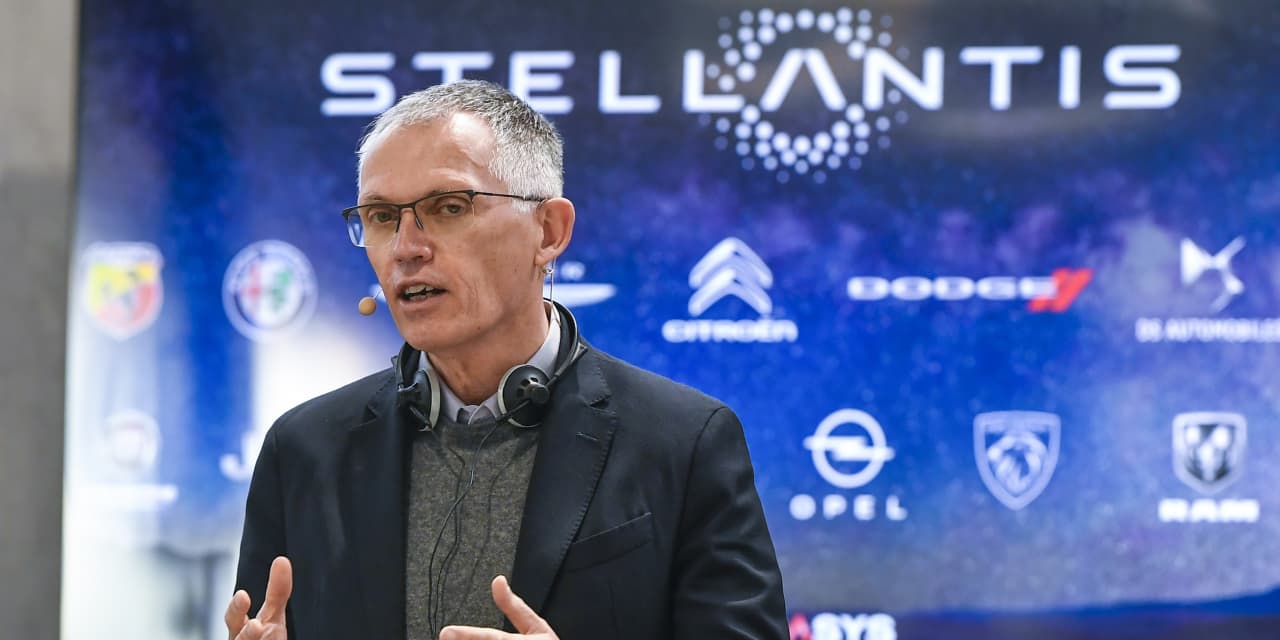
Stellantis Faces Rising Recall Costs Amid Turnaround Efforts
- Recall Volume Analysis: Stellantis reported 53 recalls in the U.S. for 2025, significantly lower than Ford's 153, yet its recall costs soared to $7.4 billion, highlighting major quality control challenges.
- Warranty Cost Comparison: Stellantis's warranty expenses accounted for 4.4% of total revenue, well above the historical industry norm of 2% to 3%, which not only impacts profitability but also reflects its competitive disadvantage in the market.
- Turnaround Plan: Stellantis is executing a $70 billion turnaround plan aimed at launching 11 new models to boost sales volume in North America by 35%, which is crucial for regaining market share and improving financial health.
- Quality Improvement Strategy: Executives emphasize that enhancing product quality is central to their North American strategy, and if successful, Stellantis could lower warranty costs in the coming years, thereby improving overall financial performance.
See More

CarMax Reports Strong Earnings but Shares Drop Amid Turnaround Strategy

- Earnings Beat: CarMax's first fiscal quarter earnings per share reached $1.31, surpassing the expected $0.95, with revenue hitting $8.01 billion against a forecast of $7.42 billion; however, shares fell about 8%, indicating market concerns about future growth.
- Profit Decline: The company's total gross profit was $854.4 million, down 4.4% year-over-year, with retail used vehicle gross profit decreasing by 9.5%, and gross profit per retail used unit at $2,177, reflecting a $230 drop from last year's record, highlighting increasing market pressures.
- New CEO Strategy: New CEO Keith Barr's long-term strategy focuses on enhancing customer experience and operational efficiency, with more details expected in the fall; however, the market remains cautious about the execution of this plan.
- Increased Competitive Pressure: Carvana's shares also dropped over 7% as it announced plans for new franchised stores to enhance service capabilities, intensifying the competitive landscape for CarMax, even as its customers still prefer to see vehicles in person before purchasing.
See More
Stellantis, Wayve, and Uber Partner to Scale Robotaxis Globally
- Collaboration for Autonomous Taxis: Stellantis, Wayve, and Uber are partnering to develop and deploy Level 4 (L4) driverless robotaxis globally, leveraging Stellantis' L4-Ready Platforms™, Wayve's AI driving technology, and Uber's extensive mobility network to commercialize autonomous services.
- Vehicle Manufacturing and Integration: Stellantis will design and manufacture L4 vehicles equipped with embedded sensor suites, ensuring compliance with safety and redundancy requirements for high-utilization driverless operations, thereby enhancing market competitiveness and operational efficiency.
- AI Technology Advantage: Wayve's AI driving software enables vehicles to navigate complex environments autonomously, utilizing a mapless adaptive approach that reduces expansion costs and accelerates deployment across diverse regions, addressing global demand for autonomous driving.
- Global Mobility Platform Integration: Uber will deploy these autonomous vehicles on its global mobility network, connecting riders to autonomous services through the Uber app, enhancing user experience and accelerating the adoption of autonomous driving technology.
See More
Stellantis Denies Maserati Sale Rumors Amid Partnership Talks
- Executive Statement: Stellantis CEO Antonio Filosa firmly stated that Maserati is not for sale and emphasized that the Cassino plant will continue to engage in partnerships for technology and development, aiming to enhance the brand's competitiveness.
- Sales Challenges: Maserati, as one of Stellantis' troubled brands, faces declining sales and underutilized production capacity at the Cassino plant in Italy, necessitating new technology and investment to regain market momentum.
- Potential Partners: Filosa revealed that Stellantis is negotiating with two significant partners to bring technology and development support to Maserati, although the specific names of the partners have not been disclosed.
- Market Reaction: Despite a 3% drop in Stellantis' stock on Wednesday, shares rebounded by 1.5% in after-hours trading, indicating cautious optimism among investors regarding the company's future partnership prospects, even as the stock has fallen 43% this year.
See More
Stellantis Pursues New Manufacturing Partnerships in Italy
- Manufacturing Partnerships: Stellantis CEO Antonio Filosa announced the company is pursuing agreements in Italy, particularly related to Maserati projects, aimed at enhancing production capacity at the Cassino and Modena plants, which are expected to bring in technology and development expertise.
- Electric Vehicle Production: Filosa revealed that Stellantis is finalizing a partnership to produce small electric vehicles at its Pomigliano plant near Naples, with plans to launch at least two new models and potentially a third to meet the growing demand for affordable electric vehicles.
- Investment Plan: Stellantis unveiled a €60 billion investment plan through 2030, with approximately 40% allocated to Europe, reaffirming its commitment to invest €5 billion in research and development in Italy to support future technological innovations and product development.
- Capacity Utilization Goals: Filosa stated that Stellantis aims to increase capacity utilization at its European factories from around 60% to over 80% by 2030, a target that will be supported by new model launches, plant conversions, and industrial partnerships, which are expected to further drive production growth in Italy.
See More
Stellantis Faces Major Turnaround Challenges
- Stock Performance Divergence: Over the past three years, GM's stock surged 124%, Ford's gained a mere 4%, while Stellantis plummeted nearly 60%, highlighting significant differences in market performance that reflect each company's operational strategies and market acceptance.
- Recall Cost Pressure: Ford led the U.S. automotive industry in 2025 with 153 recalls, while Stellantis followed with 53; however, 80% of Ford's recalls were resolved via over-the-air software updates, minimizing repair costs, whereas Stellantis faced staggering warranty expenses of $7.4 billion, indicating quality control challenges.
- Warranty Expense Comparison: Stellantis's warranty costs accounted for 4.4% of total revenue, significantly exceeding the historical industry norm of 2% to 3%, while Ford's ratio stood at 3.1%, showing an upward trend, yet Ford's improvement in warranty claims reflects its commitment to quality management.
- Future Growth Potential: Stellantis plans to invest $70 billion over the next decade for a comprehensive product overhaul, with approximately 60% allocated to North America, aiming to launch 11 new models and achieve a 35% sales increase in the region, which could enhance market share and profitability if successful.
See More
Stellantis Faces Rising Recall Costs Amid Turnaround Efforts
- Recall Volume Analysis: Stellantis reported 53 recalls in the U.S. for 2025, significantly lower than Ford's 153, yet its recall costs soared to $7.4 billion, highlighting major quality control challenges.
- Warranty Cost Comparison: Stellantis's warranty expenses accounted for 4.4% of total revenue, well above the historical industry norm of 2% to 3%, which not only impacts profitability but also reflects its competitive disadvantage in the market.
- Turnaround Plan: Stellantis is executing a $70 billion turnaround plan aimed at launching 11 new models to boost sales volume in North America by 35%, which is crucial for regaining market share and improving financial health.
- Quality Improvement Strategy: Executives emphasize that enhancing product quality is central to their North American strategy, and if successful, Stellantis could lower warranty costs in the coming years, thereby improving overall financial performance.
See More
CarMax Reports Strong Earnings but Shares Drop Amid Turnaround Strategy
- Earnings Beat: CarMax's first fiscal quarter earnings per share reached $1.31, surpassing the expected $0.95, with revenue hitting $8.01 billion against a forecast of $7.42 billion; however, shares fell about 8%, indicating market concerns about future growth.
- Profit Decline: The company's total gross profit was $854.4 million, down 4.4% year-over-year, with retail used vehicle gross profit decreasing by 9.5%, and gross profit per retail used unit at $2,177, reflecting a $230 drop from last year's record, highlighting increasing market pressures.
- New CEO Strategy: New CEO Keith Barr's long-term strategy focuses on enhancing customer experience and operational efficiency, with more details expected in the fall; however, the market remains cautious about the execution of this plan.
- Increased Competitive Pressure: Carvana's shares also dropped over 7% as it announced plans for new franchised stores to enhance service capabilities, intensifying the competitive landscape for CarMax, even as its customers still prefer to see vehicles in person before purchasing.
See More