

Musk Becomes World's First Trillionaire
Written by Emily J. Thompson, Senior Investment Analyst
Updated: 1 hour ago
0mins
Source: Yahoo Finance
- Impact of SpaceX IPO: SpaceX's IPO was priced at $135 per share and opened around $150, ending its first trading day with a valuation exceeding $2 trillion, raising about $75 billion, which significantly boosted Musk's wealth and established SpaceX as one of the largest companies in the U.S.
- Concerns for Tesla Shareholders: While Tesla remains a $1.3 trillion company, its revenue fell by 3% in 2025, marking its first annual decline, and despite a 16% increase in Q1 2026 to $22.4 billion, net income was only $477 million, indicating growth challenges that investors need to monitor closely.
- Capital Expenditure Risks: Tesla's management has guided capital expenditures exceeding $25 billion for 2026, primarily for factories and AI infrastructure, representing a significant increase that could pose risks to the stock price, necessitating careful evaluation by investors.
- Musk's Dual Role: Musk controls about 82% of SpaceX's voting power and owns 42% of its equity, indicating a split focus between two massive companies, which raises questions for Tesla shareholders regarding his commitment and investment direction for Tesla's future.
Trade with 70% Backtested Accuracy
Stop guessing "Should I Buy TSLA?" and start using high-conviction signals backed by rigorous historical data.
Sign up today to access powerful investing tools and make smarter, data-driven decisions.
Analyst Views on TSLA
Wall Street analysts forecast TSLA stock price to rise
30 Analyst Rating
12 Buy
11 Hold
7 Sell
Hold
Current: 399.150

Low
25.28
Averages
401.93
High
600.00
Current: 399.150
Low
25.28
Averages
401.93
High
600.00
About TSLA
Tesla, Inc. designs, develops, manufactures, sells and leases high-performance fully electric vehicles and energy generation and storage systems, and offers services related to its products. Its segments include automotive, and energy generation and storage. The automotive segment includes the design, development, manufacturing, sales and leasing of high-performance fully electric vehicles, and sales of automotive regulatory credits. It also includes sales of used vehicles, non-warranty maintenance services and collisions, part sales, paid supercharging, insurance services revenue and retail merchandise sales. The energy generation and storage segment include the design, manufacture, installation, sales and leasing of solar energy generation and energy storage products and related services and sales of solar energy systems incentives. Its consumer vehicles include the Model 3, Y, S, X and Cybertruck. Its lithium-ion battery energy storage products include Powerwall and Megapack.
About the author

Emily J. Thompson
Emily J. Thompson, a Chartered Financial Analyst (CFA) with 12 years in investment research, graduated with honors from the Wharton School. Specializing in industrial and technology stocks, she provides in-depth analysis for Intellectia’s earnings and market brief reports.

Musk's SpaceX Stake Surpasses Tesla's Value by Double

- Musk's Wealth Milestone: With the successful IPO of SpaceX, Musk's stake in the company is now valued at over $760 billion, pushing his net worth past $1 trillion and making him the world's first trillionaire, despite a significant drop in Tesla's profits.
- SpaceX IPO Performance: Priced at $135 per share, SpaceX opened around $150 and ended its first trading day with a valuation exceeding $2 trillion, raising approximately $75 billion, indicating strong market confidence in its future growth potential.
- Tesla and SpaceX Relationship: Tesla holds a small stake in SpaceX, which is also a customer for Tesla's Megapack batteries and Cybertrucks, highlighting the increasingly intertwined business operations and strategic positioning of Musk across both companies.
- Shift in Investor Focus: With SpaceX's public debut, investors can now directly bet on Musk's ambitions in space and AI without the risks associated with Tesla's slowing growth, potentially impacting Tesla's stock performance and market expectations.
See More
Rivian Begins Deliveries of Affordable R2 Fleet, Aims to Challenge Tesla

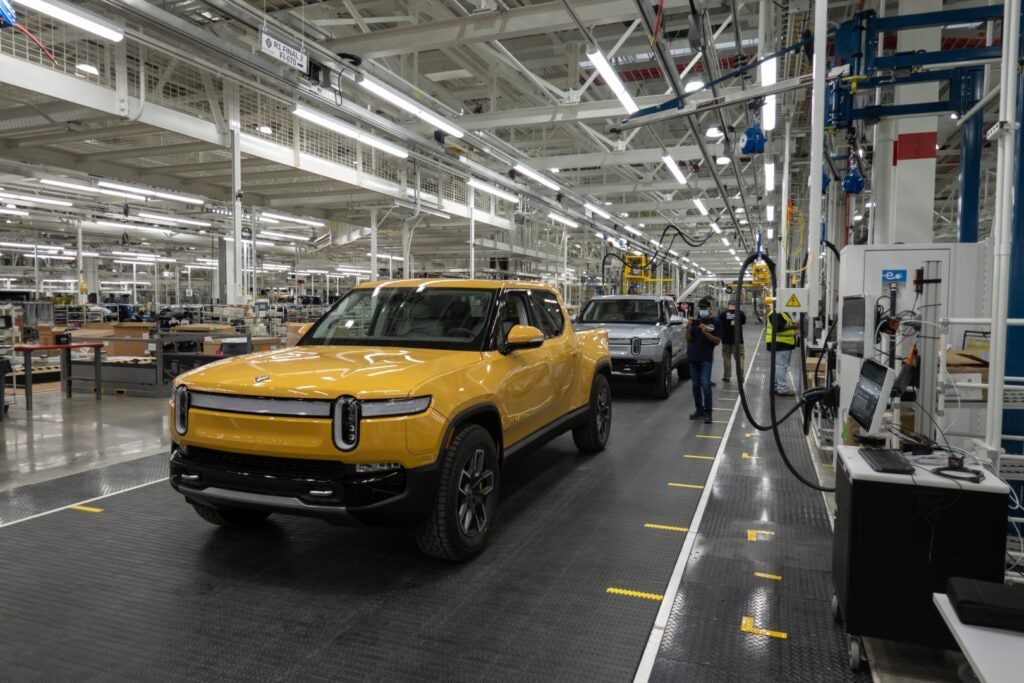
- R2 Fleet Launch: Rivian has officially begun deliveries of the highly anticipated R2 fleet, starting at under $47,000, marking a significant step towards mainstream market penetration aimed at attracting a broader consumer base and increasing market share.
- Competitive Pressure: The success of Rivian heavily relies on the market reception of the R2, as previous luxury models, priced over $70,000, have limited accessibility for most consumers, and the R2's introduction is expected to address this gap.
- Industry Challenges and Opportunities: Amid declining EV demand in the U.S. and the elimination of federal tax credits, Rivian faces significant challenges; however, the R2's launch could potentially reinvigorate the market, especially in the competitive landscape dominated by Tesla.
- Financial Performance and Outlook: While Rivian's automotive division continues to post losses, total revenue for Q1 2026 reached $1.38 billion, an 11% increase year-over-year, indicating profitability in its software and services segment, with future prospects improving through the success of the R2.
See More
Rivian Begins Deliveries of Affordable R2 Fleet, Aiming to Challenge Tesla
- R2 Fleet Launch: Rivian has officially begun deliveries of its highly anticipated R2 fleet, starting at under $47,000, marking a significant step towards mainstream adoption and aiming to attract a broader consumer base with competitive pricing.
- Competitive Pressure: While Rivian's luxury models have received high ratings, their high price points have limited market share expansion, making the success of the R2 critical for challenging Tesla's dominance in the EV market.
- Financial Performance: In Q1 2026, Rivian reported total revenue of $1.38 billion, an 11% increase year-over-year, although the automotive division continues to post significant losses while the software and services segment remains profitable, indicating a diverse business model.
- Market Environment Challenges: With declining EV demand in the U.S. and the elimination of federal tax credits, Rivian faces a tough landscape; however, the R2 presents an opportunity to reinvigorate the market and capture additional market share.
See More
Musk Becomes World's First Trillionaire

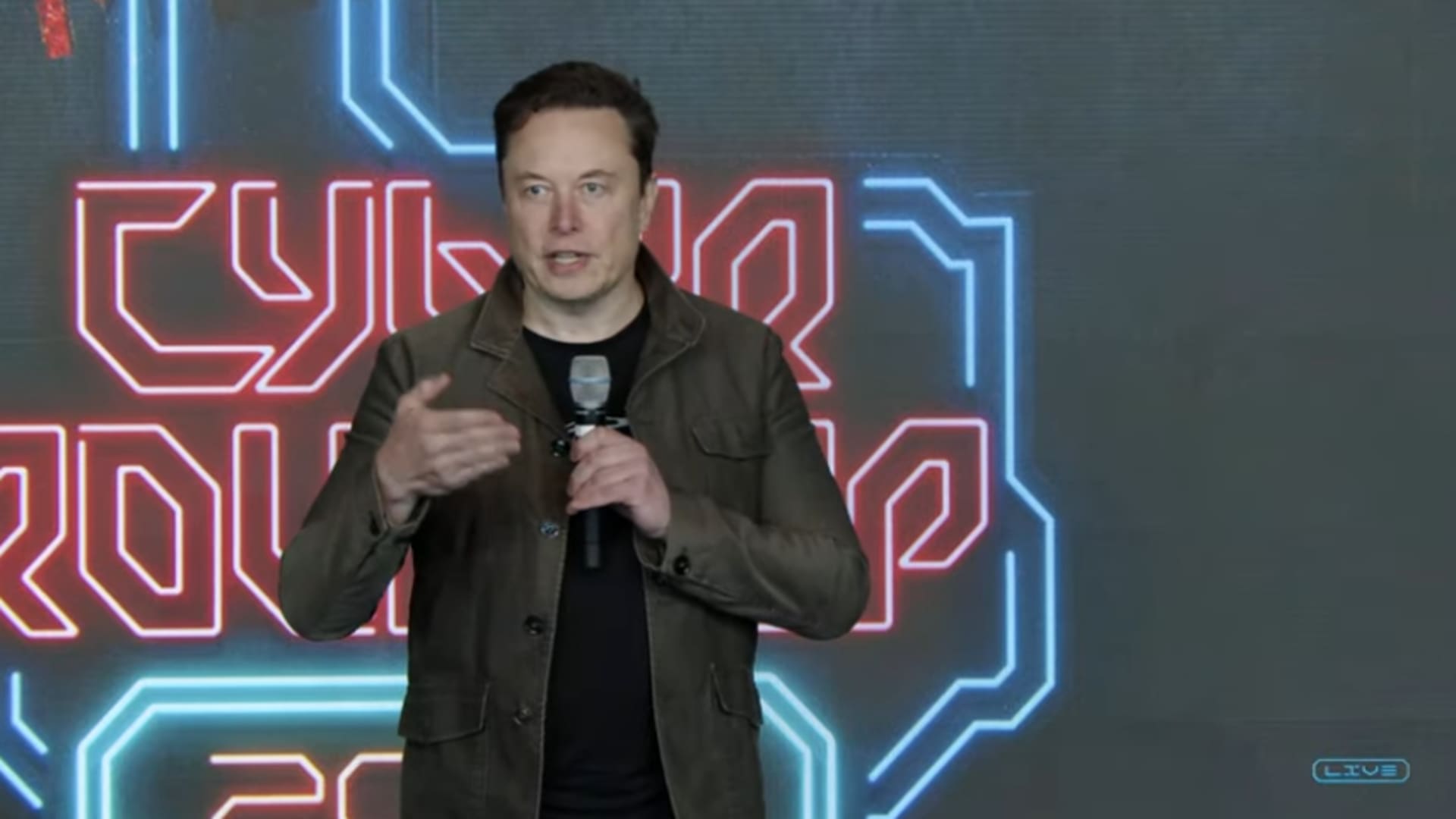
- Impact of SpaceX IPO: SpaceX's IPO priced at $135 per share and opened around $150, ending its first trading day with a valuation exceeding $2 trillion, raising approximately $75 billion, significantly boosting Musk's wealth and pushing his net worth past $1 trillion.
- Concerns for Tesla Shareholders: While Tesla remains a $1.3 trillion company, Musk's wealth focus has shifted to SpaceX, creating uncertainty for Tesla shareholders, especially after the company's first revenue decline of 3% in 2025, raising doubts about future growth prospects.
- Capital Expenditure Risks: Tesla's management has guided capital expenditures exceeding $25 billion for 2026, primarily for factories and AI infrastructure, which poses higher risks for shareholders given the company's thin profitability.
- Diversified Investment Choices: With SpaceX's public debut, investors can now directly invest in Musk's space and AI ambitions without the challenges of Tesla's business, potentially diminishing Tesla's attractiveness and shifting investor focus to Musk's other ventures.
See More
Musk Becomes World's First Trillionaire
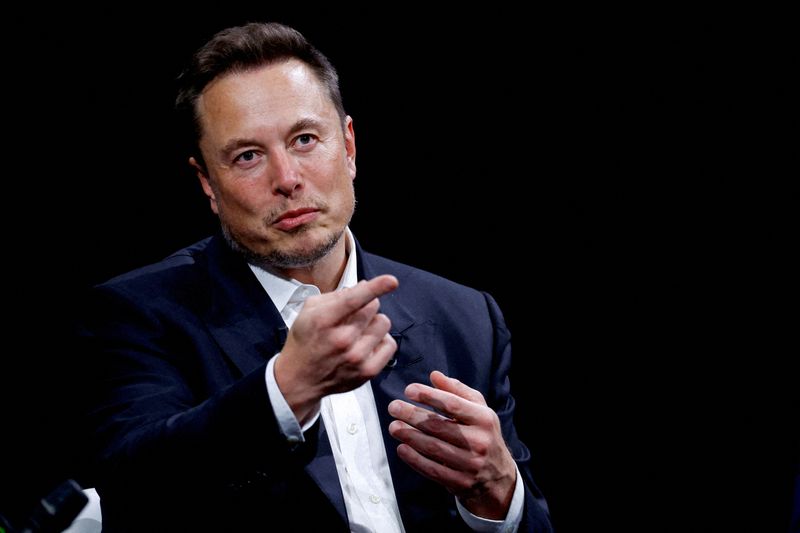
- Impact of SpaceX IPO: SpaceX's IPO was priced at $135 per share and opened around $150, ending its first trading day with a valuation exceeding $2 trillion, raising about $75 billion, which significantly boosted Musk's wealth and established SpaceX as one of the largest companies in the U.S.
- Concerns for Tesla Shareholders: While Tesla remains a $1.3 trillion company, its revenue fell by 3% in 2025, marking its first annual decline, and despite a 16% increase in Q1 2026 to $22.4 billion, net income was only $477 million, indicating growth challenges that investors need to monitor closely.
- Capital Expenditure Risks: Tesla's management has guided capital expenditures exceeding $25 billion for 2026, primarily for factories and AI infrastructure, representing a significant increase that could pose risks to the stock price, necessitating careful evaluation by investors.
- Musk's Dual Role: Musk controls about 82% of SpaceX's voting power and owns 42% of its equity, indicating a split focus between two massive companies, which raises questions for Tesla shareholders regarding his commitment and investment direction for Tesla's future.
See More

SpaceX IPO Underwhelms Despite High Valuation

- IPO Performance: SpaceX's IPO was priced at $135 per share, closing at approximately $160 on its first day, reflecting a modest 19% increase, which contrasts sharply with historical IPOs that often double, indicating market caution regarding its future profitability.
- Market Valuation: On its debut, SpaceX achieved a market cap of $2.1 trillion, making it the seventh largest company globally, just behind Taiwan Semiconductor, highlighting its significant impact in the aerospace sector but raising concerns about its ongoing losses.
- Index Changes: Due to SpaceX's size and popularity, the Nasdaq-100 plans to include it in about 15 days, which will lead index funds to buy the stock, creating additional demand that may support its price in the near term.
- Business Outlook: While SpaceX's Starlink business is profitable, its substantial R&D investments in space exploration and AI keep it in the red, prompting investors to carefully assess its long-term profitability and associated market risks.
See More
Musk's SpaceX Stake Surpasses Tesla's Value by Double
- Musk's Wealth Milestone: With the successful IPO of SpaceX, Musk's stake in the company is now valued at over $760 billion, pushing his net worth past $1 trillion and making him the world's first trillionaire, despite a significant drop in Tesla's profits.
- SpaceX IPO Performance: Priced at $135 per share, SpaceX opened around $150 and ended its first trading day with a valuation exceeding $2 trillion, raising approximately $75 billion, indicating strong market confidence in its future growth potential.
- Tesla and SpaceX Relationship: Tesla holds a small stake in SpaceX, which is also a customer for Tesla's Megapack batteries and Cybertrucks, highlighting the increasingly intertwined business operations and strategic positioning of Musk across both companies.
- Shift in Investor Focus: With SpaceX's public debut, investors can now directly bet on Musk's ambitions in space and AI without the risks associated with Tesla's slowing growth, potentially impacting Tesla's stock performance and market expectations.
See More
Rivian Begins Deliveries of Affordable R2 Fleet, Aims to Challenge Tesla
- R2 Fleet Launch: Rivian has officially begun deliveries of the highly anticipated R2 fleet, starting at under $47,000, marking a significant step towards mainstream market penetration aimed at attracting a broader consumer base and increasing market share.
- Competitive Pressure: The success of Rivian heavily relies on the market reception of the R2, as previous luxury models, priced over $70,000, have limited accessibility for most consumers, and the R2's introduction is expected to address this gap.
- Industry Challenges and Opportunities: Amid declining EV demand in the U.S. and the elimination of federal tax credits, Rivian faces significant challenges; however, the R2's launch could potentially reinvigorate the market, especially in the competitive landscape dominated by Tesla.
- Financial Performance and Outlook: While Rivian's automotive division continues to post losses, total revenue for Q1 2026 reached $1.38 billion, an 11% increase year-over-year, indicating profitability in its software and services segment, with future prospects improving through the success of the R2.
See More
Rivian Begins Deliveries of Affordable R2 Fleet, Aiming to Challenge Tesla
- R2 Fleet Launch: Rivian has officially begun deliveries of its highly anticipated R2 fleet, starting at under $47,000, marking a significant step towards mainstream adoption and aiming to attract a broader consumer base with competitive pricing.
- Competitive Pressure: While Rivian's luxury models have received high ratings, their high price points have limited market share expansion, making the success of the R2 critical for challenging Tesla's dominance in the EV market.
- Financial Performance: In Q1 2026, Rivian reported total revenue of $1.38 billion, an 11% increase year-over-year, although the automotive division continues to post significant losses while the software and services segment remains profitable, indicating a diverse business model.
- Market Environment Challenges: With declining EV demand in the U.S. and the elimination of federal tax credits, Rivian faces a tough landscape; however, the R2 presents an opportunity to reinvigorate the market and capture additional market share.
See More
Musk Becomes World's First Trillionaire
- Impact of SpaceX IPO: SpaceX's IPO priced at $135 per share and opened around $150, ending its first trading day with a valuation exceeding $2 trillion, raising approximately $75 billion, significantly boosting Musk's wealth and pushing his net worth past $1 trillion.
- Concerns for Tesla Shareholders: While Tesla remains a $1.3 trillion company, Musk's wealth focus has shifted to SpaceX, creating uncertainty for Tesla shareholders, especially after the company's first revenue decline of 3% in 2025, raising doubts about future growth prospects.
- Capital Expenditure Risks: Tesla's management has guided capital expenditures exceeding $25 billion for 2026, primarily for factories and AI infrastructure, which poses higher risks for shareholders given the company's thin profitability.
- Diversified Investment Choices: With SpaceX's public debut, investors can now directly invest in Musk's space and AI ambitions without the challenges of Tesla's business, potentially diminishing Tesla's attractiveness and shifting investor focus to Musk's other ventures.
See More
Musk Becomes World's First Trillionaire
- Impact of SpaceX IPO: SpaceX's IPO was priced at $135 per share and opened around $150, ending its first trading day with a valuation exceeding $2 trillion, raising about $75 billion, which significantly boosted Musk's wealth and established SpaceX as one of the largest companies in the U.S.
- Concerns for Tesla Shareholders: While Tesla remains a $1.3 trillion company, its revenue fell by 3% in 2025, marking its first annual decline, and despite a 16% increase in Q1 2026 to $22.4 billion, net income was only $477 million, indicating growth challenges that investors need to monitor closely.
- Capital Expenditure Risks: Tesla's management has guided capital expenditures exceeding $25 billion for 2026, primarily for factories and AI infrastructure, representing a significant increase that could pose risks to the stock price, necessitating careful evaluation by investors.
- Musk's Dual Role: Musk controls about 82% of SpaceX's voting power and owns 42% of its equity, indicating a split focus between two massive companies, which raises questions for Tesla shareholders regarding his commitment and investment direction for Tesla's future.
See More
SpaceX IPO Underwhelms Despite High Valuation
- IPO Performance: SpaceX's IPO was priced at $135 per share, closing at approximately $160 on its first day, reflecting a modest 19% increase, which contrasts sharply with historical IPOs that often double, indicating market caution regarding its future profitability.
- Market Valuation: On its debut, SpaceX achieved a market cap of $2.1 trillion, making it the seventh largest company globally, just behind Taiwan Semiconductor, highlighting its significant impact in the aerospace sector but raising concerns about its ongoing losses.
- Index Changes: Due to SpaceX's size and popularity, the Nasdaq-100 plans to include it in about 15 days, which will lead index funds to buy the stock, creating additional demand that may support its price in the near term.
- Business Outlook: While SpaceX's Starlink business is profitable, its substantial R&D investments in space exploration and AI keep it in the red, prompting investors to carefully assess its long-term profitability and associated market risks.
See More




