Musk and Page's Complicated Relationship
Written by Emily J. Thompson, Senior Investment Analyst
Updated: 1 hour ago
0mins

Source: Newsfilter
- Surging Equity Value: Google owns approximately 4.9% of SpaceX, which is now valued at $100 billion following its IPO on Nasdaq, highlighting the potential returns on Google's investment in space exploration and reinforcing its position in high-tech investments.
- AI Collaboration Agreement: SpaceX has entered into a deal with Google to lease AI computing capacity for $920 million per month over 32 months, which could generate $30 billion in revenue for SpaceX's AI business, significantly enhancing its market competitiveness.
- Cloud Service Partnership: In 2021, SpaceX signed an agreement with Google to utilize Google's fiber-optic network to support its Starlink satellite internet service, bolstering SpaceX's cloud infrastructure capabilities and expected to drive user growth and service quality improvements.
- Friendship Rift and Competition: Although Musk's friendship with Page soured over differing views on AI, their companies continue to collaborate and compete across various sectors, reflecting the complex relationships and market dynamics within the tech industry.
Trade with 70% Backtested Accuracy
Stop guessing "Should I Buy TSLA?" and start using high-conviction signals backed by rigorous historical data.
Sign up today to access powerful investing tools and make smarter, data-driven decisions.
Analyst Views on TSLA
Wall Street analysts forecast TSLA stock price to rise
30 Analyst Rating
12 Buy
11 Hold
7 Sell
Hold
Current: 399.150

Low
25.28
Averages
401.93
High
600.00
Current: 399.150
Low
25.28
Averages
401.93
High
600.00
About TSLA
Tesla, Inc. designs, develops, manufactures, sells and leases high-performance fully electric vehicles and energy generation and storage systems, and offers services related to its products. Its segments include automotive, and energy generation and storage. The automotive segment includes the design, development, manufacturing, sales and leasing of high-performance fully electric vehicles, and sales of automotive regulatory credits. It also includes sales of used vehicles, non-warranty maintenance services and collisions, part sales, paid supercharging, insurance services revenue and retail merchandise sales. The energy generation and storage segment include the design, manufacture, installation, sales and leasing of solar energy generation and energy storage products and related services and sales of solar energy systems incentives. Its consumer vehicles include the Model 3, Y, S, X and Cybertruck. Its lithium-ion battery energy storage products include Powerwall and Megapack.
About the author

Emily J. Thompson
Emily J. Thompson, a Chartered Financial Analyst (CFA) with 12 years in investment research, graduated with honors from the Wharton School. Specializing in industrial and technology stocks, she provides in-depth analysis for Intellectia’s earnings and market brief reports.

Musk's SpaceX Stake Surpasses Tesla's Value by Double

- Musk's Wealth Milestone: With the successful IPO of SpaceX, Musk's stake in the company is now valued at over $760 billion, pushing his net worth past $1 trillion and making him the world's first trillionaire, despite a significant drop in Tesla's profits.
- SpaceX IPO Performance: Priced at $135 per share, SpaceX opened around $150 and ended its first trading day with a valuation exceeding $2 trillion, raising approximately $75 billion, indicating strong market confidence in its future growth potential.
- Tesla and SpaceX Relationship: Tesla holds a small stake in SpaceX, which is also a customer for Tesla's Megapack batteries and Cybertrucks, highlighting the increasingly intertwined business operations and strategic positioning of Musk across both companies.
- Shift in Investor Focus: With SpaceX's public debut, investors can now directly bet on Musk's ambitions in space and AI without the risks associated with Tesla's slowing growth, potentially impacting Tesla's stock performance and market expectations.
See More
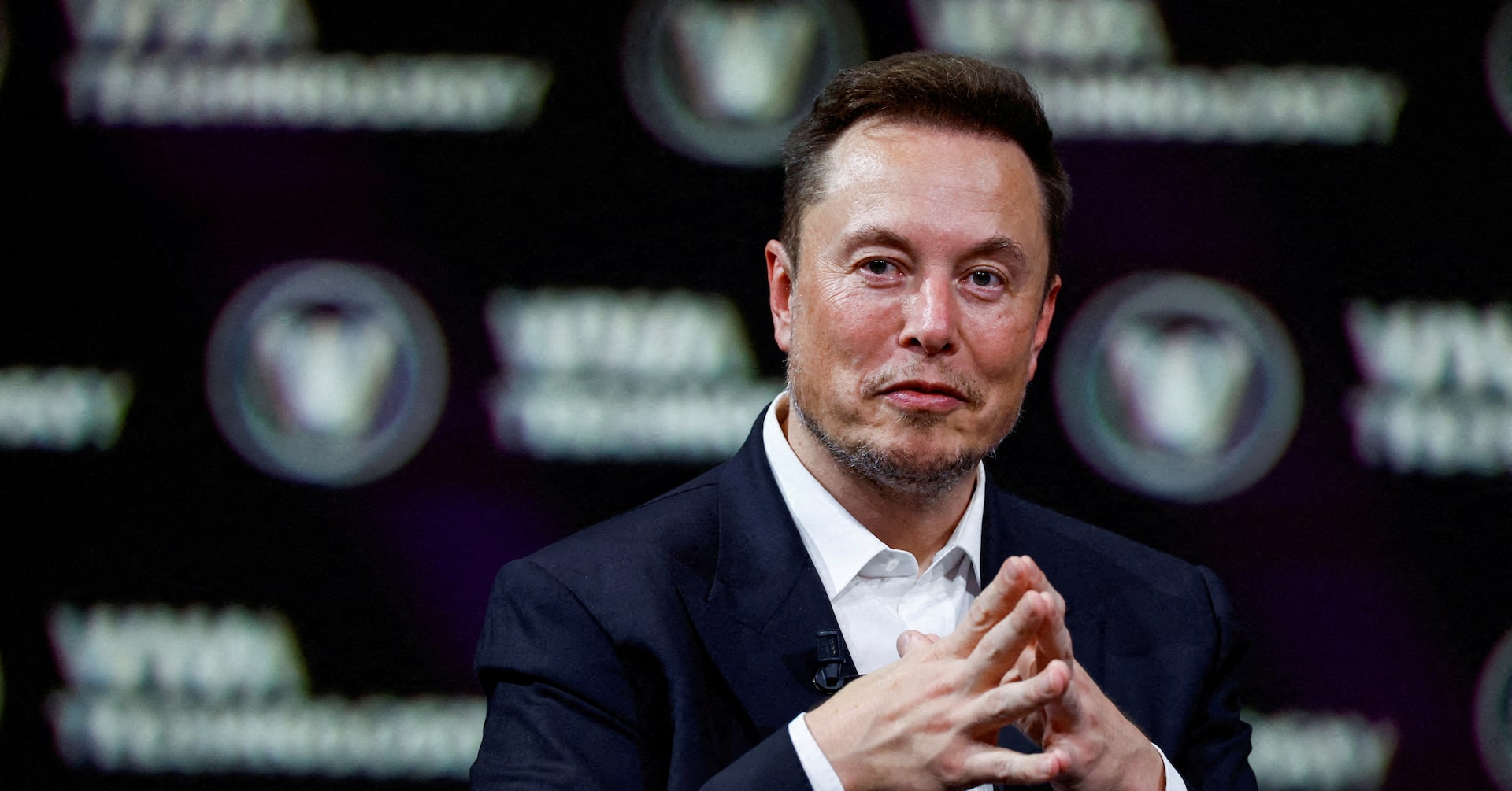
Tesla Plans to Launch AI Humanoid Robots by 2027
- Robot Market Competition: Tesla plans to launch AI-driven humanoid robots by late 2027, indicating that it will compete in the robotics sector with rivals like OpenAI, which could impact its market share and shareholder confidence despite lacking specific details.
- High Valuation Risks: Tesla's current stock price is approximately 13 times next year's projected revenue of $118 billion and 160 times the expected earnings per share of $2.60 in 2027, suggesting that the market has extremely high expectations for its future performance, which could lead to a price correction if the robot business does not develop as anticipated.
- OpenAI's Market Potential: OpenAI is seeking engineers to develop and manufacture socially useful robots, and while it remains unclear how directly it will compete with Tesla, its intentions to enter the robotics market could pose a threat to Tesla, particularly in industrial and agricultural applications.
- Market Uncertainty: Although Tesla may lead in the personal AI robot market, increasing competition and technological uncertainties could prompt its shareholders to reassess investment risks, especially with the potential emergence of strong competitors like OpenAI.
See More
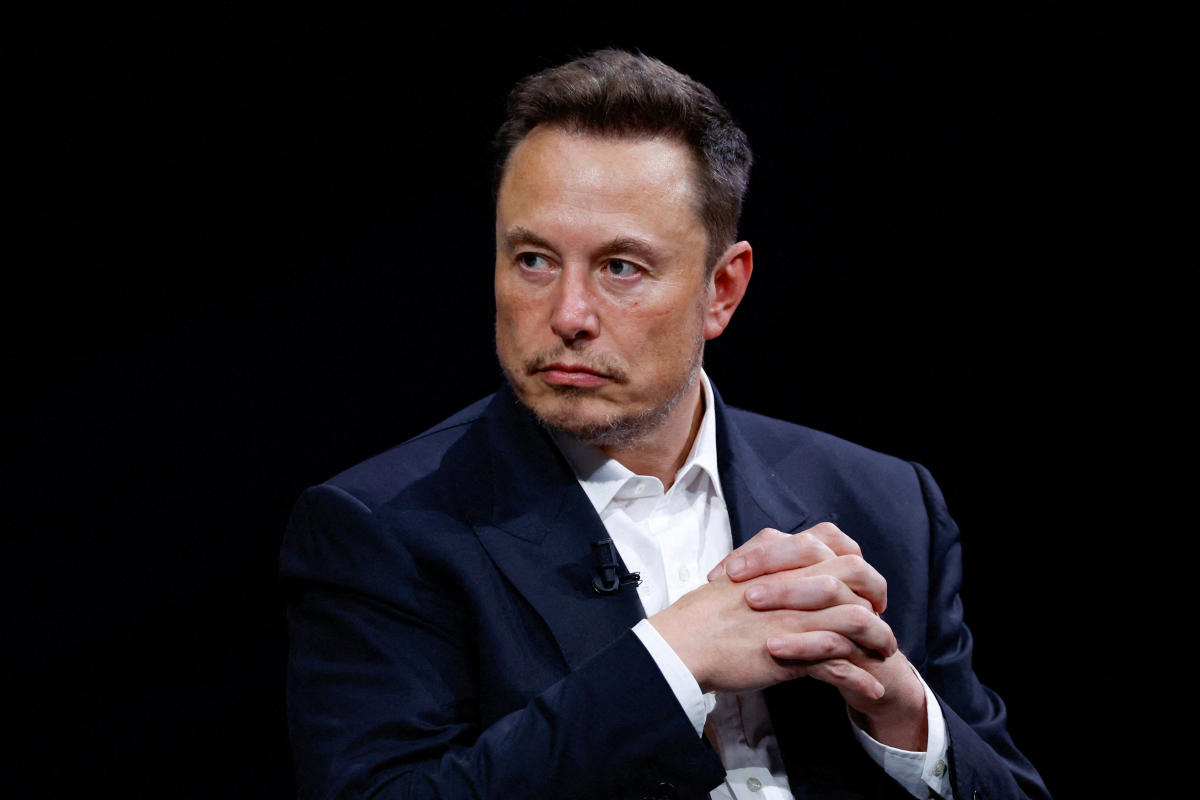
OpenAI Ventures into Robotics, Posing Competition for Tesla
- Robotics Manufacturing Plans: OpenAI CEO Sam Altman announced on social media that the company is seeking engineers to program and manufacture robots beneficial to society, which could impact Tesla's market positioning.
- Tesla's Market Challenge: Tesla plans to launch its autonomous humanoid robot, Optimus, next year, but OpenAI's entry may pose greater competitive pressure in the robotics sector, particularly in industrial and agricultural applications.
- High Valuation Risks: Tesla's stock currently trades at a nearly 160 times earnings ratio, reflecting high market expectations for future growth, while OpenAI's robotics initiatives could undermine investor confidence in Tesla.
- Market Share Competition: With OpenAI holding nearly 80% of the AI chatbot market, the potential integration of its robotics technology may intensify competitive pressures on Tesla in the personal AI robot market.
See More
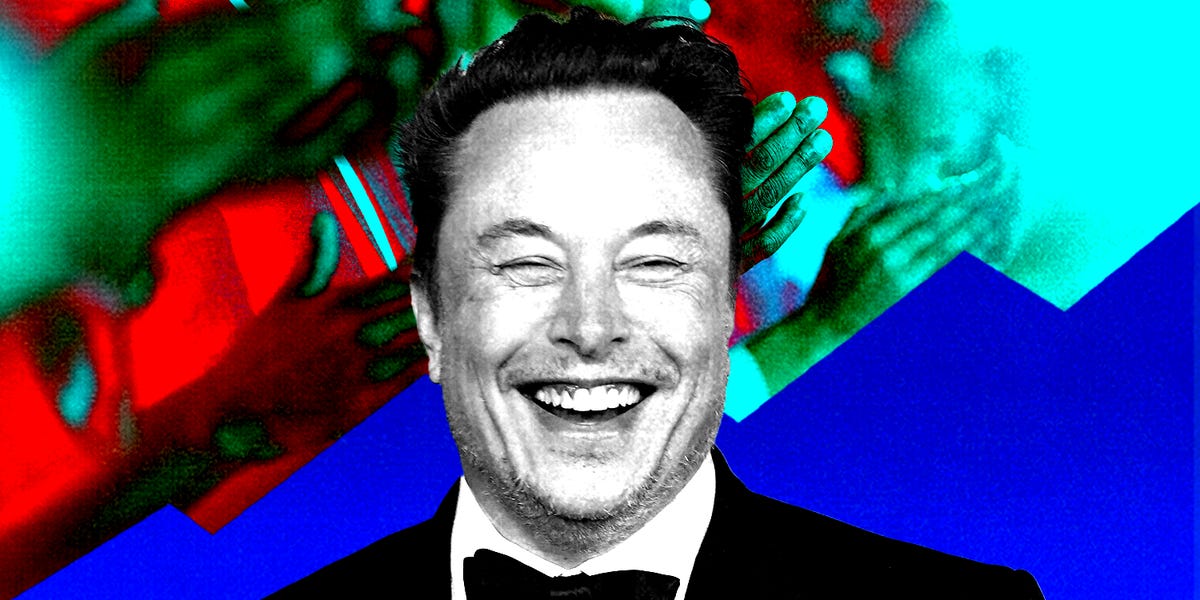
Musk and Page's Complicated Relationship

- Surging Equity Value: Google owns approximately 4.9% of SpaceX, which is now valued at $100 billion following its IPO on Nasdaq, highlighting the potential returns on Google's investment in space exploration and reinforcing its position in high-tech investments.
- AI Collaboration Agreement: SpaceX has entered into a deal with Google to lease AI computing capacity for $920 million per month over 32 months, which could generate $30 billion in revenue for SpaceX's AI business, significantly enhancing its market competitiveness.
- Cloud Service Partnership: In 2021, SpaceX signed an agreement with Google to utilize Google's fiber-optic network to support its Starlink satellite internet service, bolstering SpaceX's cloud infrastructure capabilities and expected to drive user growth and service quality improvements.
- Friendship Rift and Competition: Although Musk's friendship with Page soured over differing views on AI, their companies continue to collaborate and compete across various sectors, reflecting the complex relationships and market dynamics within the tech industry.
See More
Analysis of S&P 500 Index Fund Investments


- Investment Recommendation: Most financial advisors recommend low-fee S&P 500 index funds like the Vanguard S&P 500 ETF (VOO) and SPDR S&P 500 ETF (SPY) for their convenience, although they are not perfect, they remain a top choice for many investors.
- Concentration Risk: The top 10 components of the S&P 500 account for 39% of its total market value, with weights of 7.43% for Nvidia, 6.59% for Alphabet, and 6.48% for Apple, indicating a high concentration of investor funds in a few companies, which increases market volatility risk.
- Alternative Investment Options: The Invesco S&P 500 Equal Weight ETF (RSP) offers a more balanced investment approach compared to standard market-cap-weighted funds, with a 15-year average annual return of 12%, lower than Vanguard's 14.4%, but may hold its value better during market downturns.
- Long-Term Return Potential: While the Vanguard S&P 500 ETF has higher long-term returns, the Motley Fool analyst team suggests that there are currently 10 other stocks that could provide higher returns, prompting investors to consider these potential high-yield opportunities when making investment decisions.
See More
Analysis of S&P 500 ETF Investments
- Concentration Risk: Standard S&P 500 ETFs like Vanguard and SPDR have their top 10 components accounting for 39% of total market value, despite representing only 2% of the index, indicating a high concentration of funds in a few companies, which may pose greater risks during market volatility.
- Alternative Investment Options: The Invesco S&P 500 Equal Weight ETF offers a balanced investment approach, with quarterly rebalancing that equalizes stock weights; although it has averaged annual gains of 12%, lower than Vanguard's 14.4%, it may provide better resilience during market downturns.
- Market Performance Comparison: The Vanguard S&P 500 ETF is currently priced at $681.95, with a 52-week range of $545.75 to $699.15, while the Invesco ETF is priced at $211.65, highlighting performance differences that investors should consider based on their risk tolerance.
- Long-term Investment Strategy: While S&P 500 ETFs have shown strong performance in recent years, investors should be mindful of concentration risks, especially during market corrections, and consider balanced ETFs as part of a long-term investment strategy for more stable returns.
See More
Musk's SpaceX Stake Surpasses Tesla's Value by Double
- Musk's Wealth Milestone: With the successful IPO of SpaceX, Musk's stake in the company is now valued at over $760 billion, pushing his net worth past $1 trillion and making him the world's first trillionaire, despite a significant drop in Tesla's profits.
- SpaceX IPO Performance: Priced at $135 per share, SpaceX opened around $150 and ended its first trading day with a valuation exceeding $2 trillion, raising approximately $75 billion, indicating strong market confidence in its future growth potential.
- Tesla and SpaceX Relationship: Tesla holds a small stake in SpaceX, which is also a customer for Tesla's Megapack batteries and Cybertrucks, highlighting the increasingly intertwined business operations and strategic positioning of Musk across both companies.
- Shift in Investor Focus: With SpaceX's public debut, investors can now directly bet on Musk's ambitions in space and AI without the risks associated with Tesla's slowing growth, potentially impacting Tesla's stock performance and market expectations.
See More
Tesla Plans to Launch AI Humanoid Robots by 2027
- Robot Market Competition: Tesla plans to launch AI-driven humanoid robots by late 2027, indicating that it will compete in the robotics sector with rivals like OpenAI, which could impact its market share and shareholder confidence despite lacking specific details.
- High Valuation Risks: Tesla's current stock price is approximately 13 times next year's projected revenue of $118 billion and 160 times the expected earnings per share of $2.60 in 2027, suggesting that the market has extremely high expectations for its future performance, which could lead to a price correction if the robot business does not develop as anticipated.
- OpenAI's Market Potential: OpenAI is seeking engineers to develop and manufacture socially useful robots, and while it remains unclear how directly it will compete with Tesla, its intentions to enter the robotics market could pose a threat to Tesla, particularly in industrial and agricultural applications.
- Market Uncertainty: Although Tesla may lead in the personal AI robot market, increasing competition and technological uncertainties could prompt its shareholders to reassess investment risks, especially with the potential emergence of strong competitors like OpenAI.
See More
OpenAI Ventures into Robotics, Posing Competition for Tesla
- Robotics Manufacturing Plans: OpenAI CEO Sam Altman announced on social media that the company is seeking engineers to program and manufacture robots beneficial to society, which could impact Tesla's market positioning.
- Tesla's Market Challenge: Tesla plans to launch its autonomous humanoid robot, Optimus, next year, but OpenAI's entry may pose greater competitive pressure in the robotics sector, particularly in industrial and agricultural applications.
- High Valuation Risks: Tesla's stock currently trades at a nearly 160 times earnings ratio, reflecting high market expectations for future growth, while OpenAI's robotics initiatives could undermine investor confidence in Tesla.
- Market Share Competition: With OpenAI holding nearly 80% of the AI chatbot market, the potential integration of its robotics technology may intensify competitive pressures on Tesla in the personal AI robot market.
See More
Musk and Page's Complicated Relationship
- Surging Equity Value: Google owns approximately 4.9% of SpaceX, which is now valued at $100 billion following its IPO on Nasdaq, highlighting the potential returns on Google's investment in space exploration and reinforcing its position in high-tech investments.
- AI Collaboration Agreement: SpaceX has entered into a deal with Google to lease AI computing capacity for $920 million per month over 32 months, which could generate $30 billion in revenue for SpaceX's AI business, significantly enhancing its market competitiveness.
- Cloud Service Partnership: In 2021, SpaceX signed an agreement with Google to utilize Google's fiber-optic network to support its Starlink satellite internet service, bolstering SpaceX's cloud infrastructure capabilities and expected to drive user growth and service quality improvements.
- Friendship Rift and Competition: Although Musk's friendship with Page soured over differing views on AI, their companies continue to collaborate and compete across various sectors, reflecting the complex relationships and market dynamics within the tech industry.
See More
Analysis of S&P 500 Index Fund Investments
- Investment Recommendation: Most financial advisors recommend low-fee S&P 500 index funds like the Vanguard S&P 500 ETF (VOO) and SPDR S&P 500 ETF (SPY) for their convenience, although they are not perfect, they remain a top choice for many investors.
- Concentration Risk: The top 10 components of the S&P 500 account for 39% of its total market value, with weights of 7.43% for Nvidia, 6.59% for Alphabet, and 6.48% for Apple, indicating a high concentration of investor funds in a few companies, which increases market volatility risk.
- Alternative Investment Options: The Invesco S&P 500 Equal Weight ETF (RSP) offers a more balanced investment approach compared to standard market-cap-weighted funds, with a 15-year average annual return of 12%, lower than Vanguard's 14.4%, but may hold its value better during market downturns.
- Long-Term Return Potential: While the Vanguard S&P 500 ETF has higher long-term returns, the Motley Fool analyst team suggests that there are currently 10 other stocks that could provide higher returns, prompting investors to consider these potential high-yield opportunities when making investment decisions.
See More
Analysis of S&P 500 ETF Investments
- Concentration Risk: Standard S&P 500 ETFs like Vanguard and SPDR have their top 10 components accounting for 39% of total market value, despite representing only 2% of the index, indicating a high concentration of funds in a few companies, which may pose greater risks during market volatility.
- Alternative Investment Options: The Invesco S&P 500 Equal Weight ETF offers a balanced investment approach, with quarterly rebalancing that equalizes stock weights; although it has averaged annual gains of 12%, lower than Vanguard's 14.4%, it may provide better resilience during market downturns.
- Market Performance Comparison: The Vanguard S&P 500 ETF is currently priced at $681.95, with a 52-week range of $545.75 to $699.15, while the Invesco ETF is priced at $211.65, highlighting performance differences that investors should consider based on their risk tolerance.
- Long-term Investment Strategy: While S&P 500 ETFs have shown strong performance in recent years, investors should be mindful of concentration risks, especially during market corrections, and consider balanced ETFs as part of a long-term investment strategy for more stable returns.
See More