Moderna Secures $50 Million for Ebola Vaccine Development
Written by Emily J. Thompson, Senior Investment Analyst
Updated: 1 day ago
0mins
Source: Yahoo Finance
- Funding Support: CEPI has committed up to $50 million to support Moderna's Ebola vaccine program, which will be allocated for preclinical research, clinical development, and manufacturing, thereby reducing development costs and accelerating the vaccine's research process.
- Technology Validation: While the short-term sales potential for the Ebola vaccine is limited, this funding may help validate Moderna's mRNA technology platform, enhancing investor confidence in its ability to respond to emerging health threats.
- Diversification Strategy: Moderna is working to diversify its business through respiratory vaccines, oncology programs, and infectious disease medicines, with investors looking for evidence of progress in its pipeline to reduce reliance on Covid vaccines.
- Global Health Response: As the Ebola outbreak intensifies in Congo and Uganda, the funding commitments from global health organizations reflect the urgent need for vaccine development, and Moderna's technological capabilities may play a crucial role in future pandemic responses.
Trade with 70% Backtested Accuracy
Stop guessing "Should I Buy MRNA?" and start using high-conviction signals backed by rigorous historical data.
Sign up today to access powerful investing tools and make smarter, data-driven decisions.
Analyst Views on MRNA
Wall Street analysts forecast MRNA stock price to fall
20 Analyst Rating
1 Buy
16 Hold
3 Sell
Hold
Current: 51.590

Low
17.00
Averages
32.47
High
63.00
Current: 51.590
Low
17.00
Averages
32.47
High
63.00
About MRNA
Moderna, Inc. is a biotechnology company advancing a new class of medicines made of messenger ribonucleic acid (mRNA). It is engaged in developing medicines across infectious disease vaccines, oncology therapeutics and rare disease therapeutics. Its platform incorporates advances across three components, mRNA, delivery, and the manufacturing process, to advance its medicines. Its products are Spikevax and mNEXSPIKE (its COVID vaccines), and mRESVIA (its vaccine against respiratory syncytial virus (RSV)). It also has a diverse development pipeline that consists of 35 therapeutic and vaccine programs, six of which are in late-stage development. It has regulatory filings under review for its seasonal flu+COVID vaccine (mRNA-1083) in Europe and Canada and for its seasonal flu vaccine (mRNA-1010) in the United States, Europe, Canada and Australia. Its rare disease programs are Propionic acidemia (mRNA-3927); Methylmalonic acidemia (mRNA-3705), and Cystic Fibrosis (mRNA-3692/VX-522).
About the author

Emily J. Thompson
Emily J. Thompson, a Chartered Financial Analyst (CFA) with 12 years in investment research, graduated with honors from the Wharton School. Specializing in industrial and technology stocks, she provides in-depth analysis for Intellectia’s earnings and market brief reports.

Moderna Secures $50 Million for Ebola Vaccine Development

- Funding Support: CEPI has committed up to $50 million to support Moderna's Ebola vaccine program, which will be allocated for preclinical research, clinical development, and manufacturing, thereby reducing development costs and accelerating the vaccine's research process.
- Technology Validation: While the short-term sales potential for the Ebola vaccine is limited, this funding may help validate Moderna's mRNA technology platform, enhancing investor confidence in its ability to respond to emerging health threats.
- Diversification Strategy: Moderna is working to diversify its business through respiratory vaccines, oncology programs, and infectious disease medicines, with investors looking for evidence of progress in its pipeline to reduce reliance on Covid vaccines.
- Global Health Response: As the Ebola outbreak intensifies in Congo and Uganda, the funding commitments from global health organizations reflect the urgent need for vaccine development, and Moderna's technological capabilities may play a crucial role in future pandemic responses.
See More

Biotech Firms Shift to Nanotechnology-Driven Drug Delivery

- Market Growth Potential: The global oncology drug market was valued at $167 billion in 2023 and is projected to reach $335.2 billion by 2033, with a compound annual growth rate of 7.2%, indicating a pressing need for biotech firms to extract greater value from existing therapies.
- Delivery Technology Innovation: Oncotelic Therapeutics is advancing its Sapu003 program and Deciparticle platform, aiming to enhance the clinical value of existing cancer treatments through nanotechnology and pharmacokinetic optimization, thereby improving treatment efficacy and patient compliance.
- Investor Focus Shift: As biotech companies increasingly adopt platform-driven models, investors are showing heightened interest in firms with multiple therapeutic applications, a shift that may lower development risks and enhance long-term strategic flexibility.
- Nanotechnology Prospects: Nanotechnology-enabled drug delivery is recognized as one of the fastest-growing areas in oncology therapeutics, with the global nanomedicine market expected to grow from $190 billion in 2023 to over $410 billion by 2030, reflecting strong demand for precision-driven treatment solutions.
See More
Biotech Companies Focus on Drug Delivery Technologies

- Market Growth Potential: The global oncology drug market was valued at $167 billion in 2023 and is projected to reach $335.2 billion by 2033, with a compound annual growth rate of 7.2%, indicating a sustained demand for existing therapies and prompting biotech companies to invest more in drug delivery technologies.
- Innovation Trend: Oncotelic Therapeutics is advancing its Sapu003 program and Deciparticle platform, aiming to enhance the bioavailability and treatment effectiveness of existing cancer drugs through nanotechnology and artificial intelligence, reflecting the industry's focus on multifunctional platform technologies.
- Delivery Efficiency Improvement: Studies indicate that nanoparticle and targeted drug delivery methods are being increasingly analyzed to enhance drug accumulation in tumor tissues and overall treatment efficacy, with Oncotelic's efforts responding to this industry trend aimed at addressing significant challenges in drug delivery.
- Platform-Driven Biotech: Biotech companies are increasingly adopting scalable platform-driven models that integrate technologies like artificial intelligence to reduce development risks and enhance treatment diversity, aligning Oncotelic's strategy with this trend to achieve long-term growth through multiple therapeutic applications.
See More

Moderna's Biotech Progress Shows Promise

- Vaccine Development Progress: Moderna is awaiting approval for its flu vaccine after submitting regulatory applications in the U.S., Europe, Australia, and Canada, which could address the market's need for newer options, particularly for vulnerable senior populations.
- Personalized Cancer Vaccine: The mRNA-4157, developed in collaboration with Merck, has shown significant potential in reducing recurrence or death risk in advanced melanoma patients during phase 2 studies, and if approved, could generate billions in sales for Moderna.
- mRNA Platform Advantage: Moderna's mRNA vaccines can be developed faster than traditional ones, allowing for rapid responses to emerging pathogens, and its success in the COVID vaccine market sets a strong precedent for future applications across various therapeutic areas.
- Market Risks and Opportunities: Despite Moderna's market cap reaching $18 billion, it reported only $389 million in revenue for Q1, prompting investors to be cautious of potential stock volatility due to clinical or regulatory setbacks.
See More

Moderna's Optimistic Outlook Amid Strong Pipeline Progress
- Vaccine Market Potential: Moderna's mRNA-1010 flu vaccine has outperformed traditional vaccines in older adults, and if approved, it could meet the demand for more effective options, significantly enhancing the company's market share in the flu vaccine sector.
- Cancer Vaccine Development Progress: The mRNA-4157 personalized cancer vaccine, developed in collaboration with Merck, has shown significant efficacy in reducing recurrence or death risk in advanced melanoma patients during phase 2 trials, with potential sales in the billions if successfully launched.
- Market Performance and Risks: Despite a 43% stock price increase this year, Moderna's market cap has reached $18 billion, while it reported only $389 million in revenue for Q1, indicating profitability concerns; investors should be wary of potential clinical or regulatory setbacks that could lead to stock volatility.
- Innovative Platform Advantage: Moderna's mRNA platform offers rapid development capabilities, and with several products entering phase 3 trials, it is expected to generate new revenue streams; however, investors must carefully assess whether market expectations for future growth are realistic.
See More
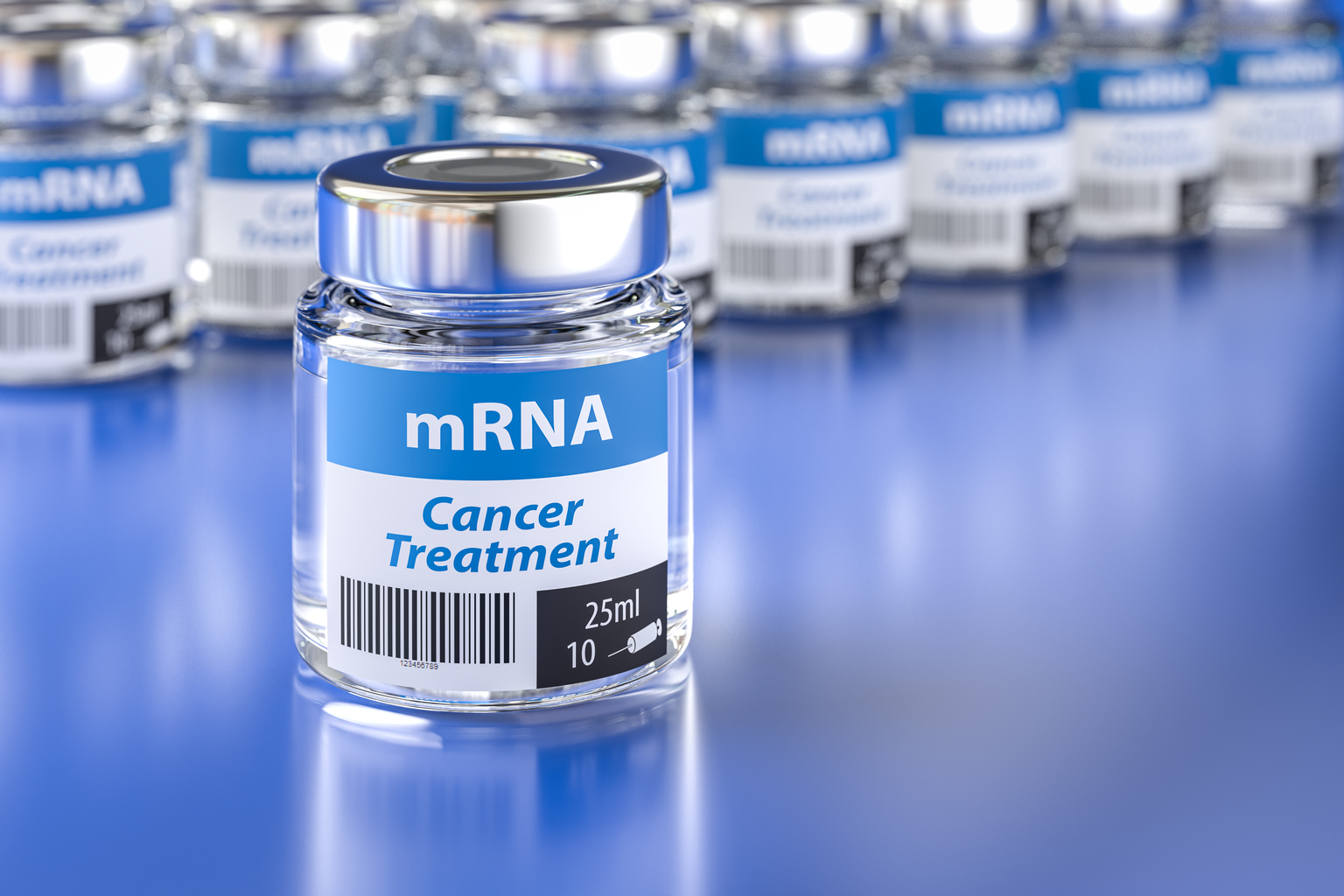
Moderna and Merck's Cancer Vaccine Shows Significant Efficacy in Late-Stage Melanoma
- Clinical Trial Results: Moderna and Merck's experimental cancer vaccine intismeran autogene combined with Keytruda demonstrated a 49% reduction in the risk of recurrence or death and a 50% reduction in distant metastasis risk in high-risk late-stage melanoma patients, indicating the potential efficacy of this therapy.
- Long-Term Follow-Up Data: Based on a median five-year follow-up of the phase 2 KEYNOTE-942/mRNA-4157-P201, overall survival showed a positive trend, further validating the long-term efficacy and safety of the vaccine.
- Expansion Potential: Intismeran autogene, known as an mRNA individualized neoantigen therapy, is also being investigated for other tumor types, including non-small cell lung cancer, bladder cancer, and renal cell carcinoma, showcasing its broad application prospects.
- Market Impact and Outlook: This breakthrough data could enhance the market competitiveness of Moderna and Merck in the field of cancer immunotherapy, attracting more investments and accelerating the progression of subsequent clinical trials.
See More
Moderna Secures $50 Million for Ebola Vaccine Development
- Funding Support: CEPI has committed up to $50 million to support Moderna's Ebola vaccine program, which will be allocated for preclinical research, clinical development, and manufacturing, thereby reducing development costs and accelerating the vaccine's research process.
- Technology Validation: While the short-term sales potential for the Ebola vaccine is limited, this funding may help validate Moderna's mRNA technology platform, enhancing investor confidence in its ability to respond to emerging health threats.
- Diversification Strategy: Moderna is working to diversify its business through respiratory vaccines, oncology programs, and infectious disease medicines, with investors looking for evidence of progress in its pipeline to reduce reliance on Covid vaccines.
- Global Health Response: As the Ebola outbreak intensifies in Congo and Uganda, the funding commitments from global health organizations reflect the urgent need for vaccine development, and Moderna's technological capabilities may play a crucial role in future pandemic responses.
See More
Biotech Firms Shift to Nanotechnology-Driven Drug Delivery
- Market Growth Potential: The global oncology drug market was valued at $167 billion in 2023 and is projected to reach $335.2 billion by 2033, with a compound annual growth rate of 7.2%, indicating a pressing need for biotech firms to extract greater value from existing therapies.
- Delivery Technology Innovation: Oncotelic Therapeutics is advancing its Sapu003 program and Deciparticle platform, aiming to enhance the clinical value of existing cancer treatments through nanotechnology and pharmacokinetic optimization, thereby improving treatment efficacy and patient compliance.
- Investor Focus Shift: As biotech companies increasingly adopt platform-driven models, investors are showing heightened interest in firms with multiple therapeutic applications, a shift that may lower development risks and enhance long-term strategic flexibility.
- Nanotechnology Prospects: Nanotechnology-enabled drug delivery is recognized as one of the fastest-growing areas in oncology therapeutics, with the global nanomedicine market expected to grow from $190 billion in 2023 to over $410 billion by 2030, reflecting strong demand for precision-driven treatment solutions.
See More
Biotech Companies Focus on Drug Delivery Technologies
- Market Growth Potential: The global oncology drug market was valued at $167 billion in 2023 and is projected to reach $335.2 billion by 2033, with a compound annual growth rate of 7.2%, indicating a sustained demand for existing therapies and prompting biotech companies to invest more in drug delivery technologies.
- Innovation Trend: Oncotelic Therapeutics is advancing its Sapu003 program and Deciparticle platform, aiming to enhance the bioavailability and treatment effectiveness of existing cancer drugs through nanotechnology and artificial intelligence, reflecting the industry's focus on multifunctional platform technologies.
- Delivery Efficiency Improvement: Studies indicate that nanoparticle and targeted drug delivery methods are being increasingly analyzed to enhance drug accumulation in tumor tissues and overall treatment efficacy, with Oncotelic's efforts responding to this industry trend aimed at addressing significant challenges in drug delivery.
- Platform-Driven Biotech: Biotech companies are increasingly adopting scalable platform-driven models that integrate technologies like artificial intelligence to reduce development risks and enhance treatment diversity, aligning Oncotelic's strategy with this trend to achieve long-term growth through multiple therapeutic applications.
See More
Moderna's Biotech Progress Shows Promise
- Vaccine Development Progress: Moderna is awaiting approval for its flu vaccine after submitting regulatory applications in the U.S., Europe, Australia, and Canada, which could address the market's need for newer options, particularly for vulnerable senior populations.
- Personalized Cancer Vaccine: The mRNA-4157, developed in collaboration with Merck, has shown significant potential in reducing recurrence or death risk in advanced melanoma patients during phase 2 studies, and if approved, could generate billions in sales for Moderna.
- mRNA Platform Advantage: Moderna's mRNA vaccines can be developed faster than traditional ones, allowing for rapid responses to emerging pathogens, and its success in the COVID vaccine market sets a strong precedent for future applications across various therapeutic areas.
- Market Risks and Opportunities: Despite Moderna's market cap reaching $18 billion, it reported only $389 million in revenue for Q1, prompting investors to be cautious of potential stock volatility due to clinical or regulatory setbacks.
See More
Moderna's Optimistic Outlook Amid Strong Pipeline Progress
- Vaccine Market Potential: Moderna's mRNA-1010 flu vaccine has outperformed traditional vaccines in older adults, and if approved, it could meet the demand for more effective options, significantly enhancing the company's market share in the flu vaccine sector.
- Cancer Vaccine Development Progress: The mRNA-4157 personalized cancer vaccine, developed in collaboration with Merck, has shown significant efficacy in reducing recurrence or death risk in advanced melanoma patients during phase 2 trials, with potential sales in the billions if successfully launched.
- Market Performance and Risks: Despite a 43% stock price increase this year, Moderna's market cap has reached $18 billion, while it reported only $389 million in revenue for Q1, indicating profitability concerns; investors should be wary of potential clinical or regulatory setbacks that could lead to stock volatility.
- Innovative Platform Advantage: Moderna's mRNA platform offers rapid development capabilities, and with several products entering phase 3 trials, it is expected to generate new revenue streams; however, investors must carefully assess whether market expectations for future growth are realistic.
See More
Moderna and Merck's Cancer Vaccine Shows Significant Efficacy in Late-Stage Melanoma
- Clinical Trial Results: Moderna and Merck's experimental cancer vaccine intismeran autogene combined with Keytruda demonstrated a 49% reduction in the risk of recurrence or death and a 50% reduction in distant metastasis risk in high-risk late-stage melanoma patients, indicating the potential efficacy of this therapy.
- Long-Term Follow-Up Data: Based on a median five-year follow-up of the phase 2 KEYNOTE-942/mRNA-4157-P201, overall survival showed a positive trend, further validating the long-term efficacy and safety of the vaccine.
- Expansion Potential: Intismeran autogene, known as an mRNA individualized neoantigen therapy, is also being investigated for other tumor types, including non-small cell lung cancer, bladder cancer, and renal cell carcinoma, showcasing its broad application prospects.
- Market Impact and Outlook: This breakthrough data could enhance the market competitiveness of Moderna and Merck in the field of cancer immunotherapy, attracting more investments and accelerating the progression of subsequent clinical trials.
See More