Middle East Conflict Elevates Energy Security Concerns
Written by Emily J. Thompson, Senior Investment Analyst
Updated: May 15 2026
0mins

Source: Fool
- Increased Energy Security Importance: The geopolitical conflict in the Middle East has restricted global energy supplies, prompting the U.S. to reassess its energy sources and strengthen supply relationships with countries like Canada, which could enhance the market position of midstream companies such as Enbridge and Enterprise Products Partners.
- Rising Demand for Clean Energy: While oil and gas will remain crucial, the current supply shock may accelerate the shift towards clean energy, with consumers increasingly favoring electric vehicles, thereby driving investments and growth for companies like NextEra Energy in the renewable sector.
- Growth in Electric Vehicle Sales: As consumer interest in clean energy rises, used EV sales have started to increase, indicating a growing demand for electric transportation that could impact the market share of traditional combustion engine vehicles.
- Global Energy Strategy Reshaping: The situation in the Middle East is prompting countries to consider partnerships with politically and economically stable nations, leading to a potential shift in energy policies towards renewable sources to reduce reliance on external supplies.
Trade with 70% Backtested Accuracy
Stop guessing "Should I Buy EPD?" and start using high-conviction signals backed by rigorous historical data.
Sign up today to access powerful investing tools and make smarter, data-driven decisions.
Analyst Views on EPD
Wall Street analysts forecast EPD stock price to fall
12 Analyst Rating
6 Buy
5 Hold
1 Sell
Moderate Buy
Current: 38.180

Low
33.00
Averages
35.17
High
38.00
Current: 38.180
Low
33.00
Averages
35.17
High
38.00
About EPD
Enterprise Products Partners L.P. is a provider of midstream energy services to producers and consumers of natural gas, natural gas liquids (NGLs), crude oil, refined products and petrochemicals. Its NGL Pipelines & Services segment includes natural gas processing and related NGL marketing activities, NGL pipelines, NGL fractionation facilities, NGL and related product storage facilities and NGL marine terminals. Its Crude Oil Pipelines & Services segment includes crude oil pipelines, crude oil storage and marine terminals and related crude oil marketing activities. Its Natural Gas Pipelines & Services segment includes natural gas pipeline systems that provide for the gathering, treating and transportation of natural gas. Its Petrochemical & Refined Products Services segment includes propylene production facilities; butane isomerization complex and related deisobutanizer (DIB) operations; octane enhancement, iBDH and HPIB production facilities; refined products pipelines, and others.
About the author

Emily J. Thompson
Emily J. Thompson, a Chartered Financial Analyst (CFA) with 12 years in investment research, graduated with honors from the Wharton School. Specializing in industrial and technology stocks, she provides in-depth analysis for Intellectia’s earnings and market brief reports.

Middle East Conflict Drives Oil and Gas Prices Higher


- Oil Price Volatility: The breakdown of peace talks in the Middle East has pushed oil prices higher, increasing investor anxiety over supply shortages, which could lead to further price increases in the future.
- Fundamental Imbalance: Energy executives warn that current oil and gas prices do not reflect industry fundamentals, indicating that emotion-driven market fluctuations may expose investors to greater risks, especially when prices eventually decline.
- Diversified Investment Strategy: Investors are advised to focus on diversified energy companies like ExxonMobil and Chevron, which have operations across production, transportation, and refining, providing stable dividend yields amidst price volatility.
- Stability of Midstream Companies: Midstream firms like Enterprise Products Partners and Enbridge charge fees for energy transportation rather than relying on energy prices, allowing them to maintain high transaction volumes even during economic downturns, thus achieving consistent dividend growth suitable for income-seeking investors.
See More

Analysis of Dividend Growth Potential in Energy Stocks

- Chevron's Dividend Advantage: Chevron has increased its dividend for 39 consecutive years and expects earnings per share and free cash flow to grow by at least 10% annually, making its 3.9% forward dividend yield sustainable and attractive to income investors.
- Energy Transfer's High Yield Distribution: Energy Transfer offers a distribution yield of 6.9%, which was reduced during the pandemic but has since recovered and surpassed pre-pandemic levels, demonstrating the company's strong distribution capacity amid rising natural gas demand.
- Enterprise Products Partners' Solid Finances: Enterprise Products Partners has increased its distribution for 27 consecutive years, with a distribution yield exceeding 5.7%, and its robust balance sheet with $3.3 billion in liquidity ensures continued dividend sustainability, appealing to income investors.
- Natural Gas Demand Drivers: With the increasing demand for natural gas from AI data centers, Chevron, Energy Transfer, and Enterprise Products Partners are all well-positioned to benefit and drive future dividend growth.
See More

Top High-Yield Energy Stocks to Buy Now
- Chevron's Steady Growth: Chevron (CVX), the world's third-largest energy company, has increased its dividend for 39 consecutive years, with a current yield of approximately 3.9%, and is expected to grow earnings per share and free cash flow by at least 10% annually, which will further drive dividend increases and enhance investor confidence.
- Energy Transfer's High Yield: Energy Transfer (ET) operates over 144,000 miles of pipelines, currently offering a distribution yield of 6.9%, and despite a temporary reduction during the pandemic, it has now surpassed pre-pandemic levels, positioning itself to benefit from the growing demand for natural gas, particularly from AI data centers.
- Enterprise Products Partners' Financial Strength: Enterprise Products Partners (EPD) has increased its distribution for 27 consecutive years, with a yield exceeding 5.7%, and its strong balance sheet with around $3.3 billion in liquidity gives it the highest credit rating in the midstream energy sector, allowing it to capitalize on rising natural gas demand.
- Driving Natural Gas Demand: As AI data centers increase their electricity needs, natural gas emerges as the ideal fuel, with Chevron, Energy Transfer, and Enterprise Products Partners actively signing supply agreements to secure competitive advantages in the future market.
See More

Long-Term Investment Outlook for Energy Stocks


- Energy Transition Opportunities: With surging oil prices due to the war with Iran and the closure of the Strait of Hormuz, energy stocks have received a strong boost this year, particularly in the midstream sector where pipeline companies benefit from their fee-based models and are expected to see long-term growth.
- Growth Potential of Energy Transfer: Energy Transfer (ET) owns one of the largest midstream systems in the U.S., with a projected capital expenditure budget between $5.5 billion and $5.9 billion for 2023, and its strong position in the Permian Basin is expected to yield mid-teens returns.
- Stability of Enterprise Products Partners: Enterprise Products Partners (EPD) has increased its distribution for 27 consecutive years and is expected to generate $1 billion in free cash flow this year for debt repayment and stock buybacks, showcasing its robust performance in the midstream space.
- Growth Strategy of Williams Companies: Williams Companies (WMB) plans to invest $7 billion to $7.6 billion in growth projects in 2023, with a backlog of $15.5 billion in transmission projects and $9.6 billion in power solutions, aiming for over 20% return on invested capital and becoming a key energy supplier for AI data centers.
See More
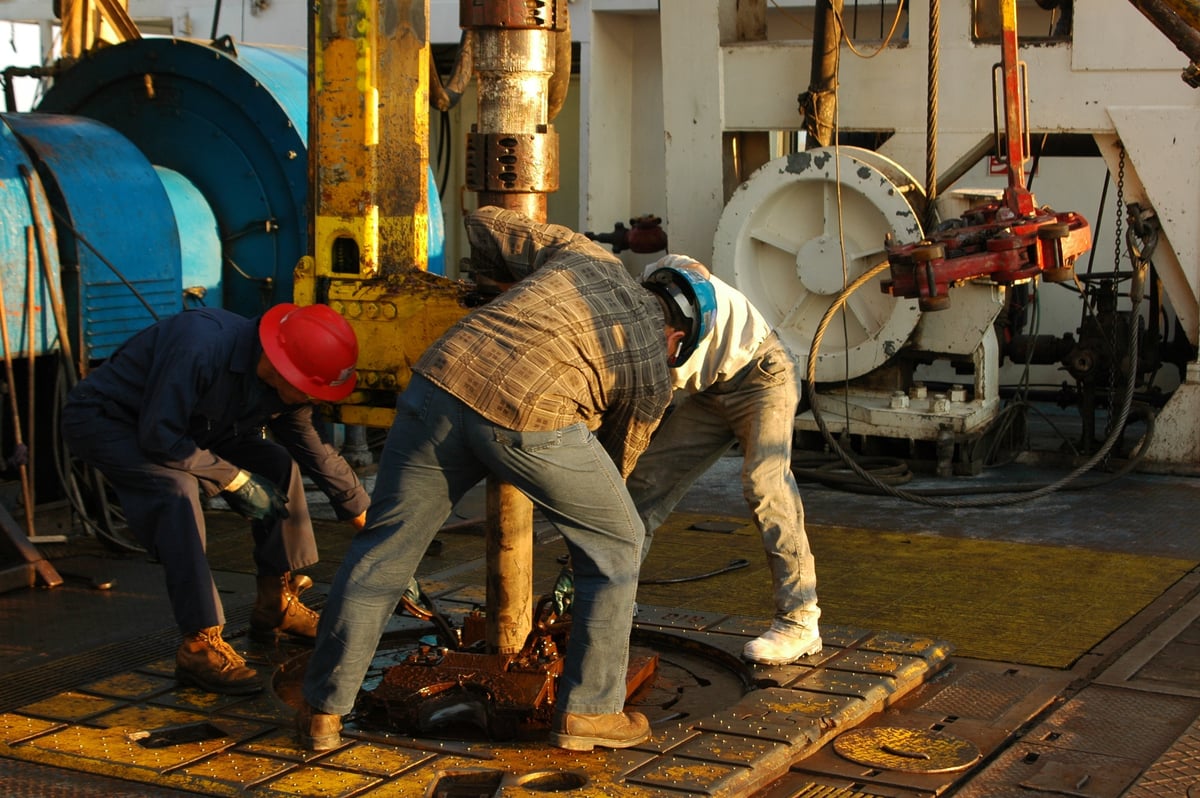
Middle East Conflict Impacts Shell and BP Outlook

- Middle East Conflict Impact: Shell and BP derive 20% and 22% of their production from the Middle East, respectively, with Shell's assets suffering damage due to the conflict; while rising oil prices are beneficial, operational disruptions may affect future earnings.
- Financial Health Comparison: Shell's debt-to-equity ratio stands at 0.4, significantly lower than BP's 1.3, indicating that Shell possesses greater financial resilience against geopolitical risks, making it a more attractive long-term investment.
- Stock Market Performance Discrepancy: Despite BP's stock rising 22% in 2026 compared to Shell's 15%, BP's high leverage and frequent management changes suggest that the market may not fully recognize Shell's financial advantages.
- Investment Recommendation: For investors looking to avoid Middle Eastern risks, Devon Energy and Enterprise Products Partners present safer alternatives, as they are unaffected by regional conflicts and Enterprise's revenue model is not driven by oil price fluctuations.
See More

Middle East Conflict Disrupts Energy Market
- Market Volatility Impact: The geopolitical conflict in the Middle East has disrupted the global energy market, affecting operations for Shell and BP, with approximately 22% of BP's production and 20% of Shell's production exposed to the region, increasing risks despite rising oil prices.
- Financial Health Comparison: BP's debt-to-equity ratio stands at a concerning 1.3x, significantly higher than its peers, while Shell maintains a more robust ratio of 0.4x, indicating Shell's stronger financial position and better resilience amid the conflict.
- Stock Performance Discrepancy: Although BP's stock has risen by 22% in 2026, compared to Shell's 15%, Shell's financial strength suggests it could close the performance gap in the future, especially as market volatility increases.
- Investment Recommendations: For investors looking to avoid Middle Eastern risks, Devon Energy and Enterprise Products Partners present safer alternatives, as they are unaffected by the regional conflict and Enterprise's business model is not driven by energy price fluctuations.
See More
Middle East Conflict Drives Oil and Gas Prices Higher
- Oil Price Volatility: The breakdown of peace talks in the Middle East has pushed oil prices higher, increasing investor anxiety over supply shortages, which could lead to further price increases in the future.
- Fundamental Imbalance: Energy executives warn that current oil and gas prices do not reflect industry fundamentals, indicating that emotion-driven market fluctuations may expose investors to greater risks, especially when prices eventually decline.
- Diversified Investment Strategy: Investors are advised to focus on diversified energy companies like ExxonMobil and Chevron, which have operations across production, transportation, and refining, providing stable dividend yields amidst price volatility.
- Stability of Midstream Companies: Midstream firms like Enterprise Products Partners and Enbridge charge fees for energy transportation rather than relying on energy prices, allowing them to maintain high transaction volumes even during economic downturns, thus achieving consistent dividend growth suitable for income-seeking investors.
See More
Analysis of Dividend Growth Potential in Energy Stocks
- Chevron's Dividend Advantage: Chevron has increased its dividend for 39 consecutive years and expects earnings per share and free cash flow to grow by at least 10% annually, making its 3.9% forward dividend yield sustainable and attractive to income investors.
- Energy Transfer's High Yield Distribution: Energy Transfer offers a distribution yield of 6.9%, which was reduced during the pandemic but has since recovered and surpassed pre-pandemic levels, demonstrating the company's strong distribution capacity amid rising natural gas demand.
- Enterprise Products Partners' Solid Finances: Enterprise Products Partners has increased its distribution for 27 consecutive years, with a distribution yield exceeding 5.7%, and its robust balance sheet with $3.3 billion in liquidity ensures continued dividend sustainability, appealing to income investors.
- Natural Gas Demand Drivers: With the increasing demand for natural gas from AI data centers, Chevron, Energy Transfer, and Enterprise Products Partners are all well-positioned to benefit and drive future dividend growth.
See More
Top High-Yield Energy Stocks to Buy Now
- Chevron's Steady Growth: Chevron (CVX), the world's third-largest energy company, has increased its dividend for 39 consecutive years, with a current yield of approximately 3.9%, and is expected to grow earnings per share and free cash flow by at least 10% annually, which will further drive dividend increases and enhance investor confidence.
- Energy Transfer's High Yield: Energy Transfer (ET) operates over 144,000 miles of pipelines, currently offering a distribution yield of 6.9%, and despite a temporary reduction during the pandemic, it has now surpassed pre-pandemic levels, positioning itself to benefit from the growing demand for natural gas, particularly from AI data centers.
- Enterprise Products Partners' Financial Strength: Enterprise Products Partners (EPD) has increased its distribution for 27 consecutive years, with a yield exceeding 5.7%, and its strong balance sheet with around $3.3 billion in liquidity gives it the highest credit rating in the midstream energy sector, allowing it to capitalize on rising natural gas demand.
- Driving Natural Gas Demand: As AI data centers increase their electricity needs, natural gas emerges as the ideal fuel, with Chevron, Energy Transfer, and Enterprise Products Partners actively signing supply agreements to secure competitive advantages in the future market.
See More
Long-Term Investment Outlook for Energy Stocks
- Energy Transition Opportunities: With surging oil prices due to the war with Iran and the closure of the Strait of Hormuz, energy stocks have received a strong boost this year, particularly in the midstream sector where pipeline companies benefit from their fee-based models and are expected to see long-term growth.
- Growth Potential of Energy Transfer: Energy Transfer (ET) owns one of the largest midstream systems in the U.S., with a projected capital expenditure budget between $5.5 billion and $5.9 billion for 2023, and its strong position in the Permian Basin is expected to yield mid-teens returns.
- Stability of Enterprise Products Partners: Enterprise Products Partners (EPD) has increased its distribution for 27 consecutive years and is expected to generate $1 billion in free cash flow this year for debt repayment and stock buybacks, showcasing its robust performance in the midstream space.
- Growth Strategy of Williams Companies: Williams Companies (WMB) plans to invest $7 billion to $7.6 billion in growth projects in 2023, with a backlog of $15.5 billion in transmission projects and $9.6 billion in power solutions, aiming for over 20% return on invested capital and becoming a key energy supplier for AI data centers.
See More
Middle East Conflict Impacts Shell and BP Outlook
- Middle East Conflict Impact: Shell and BP derive 20% and 22% of their production from the Middle East, respectively, with Shell's assets suffering damage due to the conflict; while rising oil prices are beneficial, operational disruptions may affect future earnings.
- Financial Health Comparison: Shell's debt-to-equity ratio stands at 0.4, significantly lower than BP's 1.3, indicating that Shell possesses greater financial resilience against geopolitical risks, making it a more attractive long-term investment.
- Stock Market Performance Discrepancy: Despite BP's stock rising 22% in 2026 compared to Shell's 15%, BP's high leverage and frequent management changes suggest that the market may not fully recognize Shell's financial advantages.
- Investment Recommendation: For investors looking to avoid Middle Eastern risks, Devon Energy and Enterprise Products Partners present safer alternatives, as they are unaffected by regional conflicts and Enterprise's revenue model is not driven by oil price fluctuations.
See More
Middle East Conflict Disrupts Energy Market
- Market Volatility Impact: The geopolitical conflict in the Middle East has disrupted the global energy market, affecting operations for Shell and BP, with approximately 22% of BP's production and 20% of Shell's production exposed to the region, increasing risks despite rising oil prices.
- Financial Health Comparison: BP's debt-to-equity ratio stands at a concerning 1.3x, significantly higher than its peers, while Shell maintains a more robust ratio of 0.4x, indicating Shell's stronger financial position and better resilience amid the conflict.
- Stock Performance Discrepancy: Although BP's stock has risen by 22% in 2026, compared to Shell's 15%, Shell's financial strength suggests it could close the performance gap in the future, especially as market volatility increases.
- Investment Recommendations: For investors looking to avoid Middle Eastern risks, Devon Energy and Enterprise Products Partners present safer alternatives, as they are unaffected by the regional conflict and Enterprise's business model is not driven by energy price fluctuations.
See More