Microsoft Stock Rises on Bullish Analyst Coverage
Written by Emily J. Thompson, Senior Investment Analyst
Updated: 1 day ago
0mins
Source: Fool
- Stock Price Increase: Microsoft shares rose 2.3% in Monday's trading, outperforming the S&P 500's 0.3% gain and the Nasdaq's 0.6% increase, indicating strong market performance and investor confidence in future growth prospects.
- Analyst Rating Upgrade: Citizens initiated coverage on Microsoft with an outperform rating and a one-year price target of $550 per share, with analysts believing the company holds a compelling position in the AI market and can benefit from evolving tech trends.
- Price Target Revision: Wells Fargo reiterated its overweight rating on Microsoft, raising its one-year price target from $625 to $650 per share, noting that the company is not receiving enough credit for its AI strengths and has potential to improve its positioning in certain categories.
- Upcoming Product Launches: Microsoft is expected to unveil several new AI software offerings at its Build conference this week, including a coding assistant aimed at enhancing its competitive edge, and despite recent gains, the stock remains down approximately 5% year-to-date, suggesting long-term investment potential.
Trade with 70% Backtested Accuracy
Stop guessing "Should I Buy MSFT?" and start using high-conviction signals backed by rigorous historical data.
Sign up today to access powerful investing tools and make smarter, data-driven decisions.
Analyst Views on MSFT
Wall Street analysts forecast MSFT stock price to rise
34 Analyst Rating
32 Buy
2 Hold
0 Sell
Strong Buy
Current: 441.310

Low
500.00
Averages
631.36
High
678.00
Current: 441.310
Low
500.00
Averages
631.36
High
678.00
About MSFT
Microsoft Corporation is a technology company. The Company develops and supports software, services, devices, and solutions. The Company’s segments include Productivity and Business Processes, Intelligent Cloud, and More Personal Computing. The Productivity and Business Processes segment consists of products and services in its portfolio of productivity, communication, and information services. This segment primarily comprises: Office Commercial, Office Consumer, LinkedIn, and Dynamics business solutions. The Intelligent Cloud segment consists of server products and cloud services, including Azure and other cloud services, SQL Server, Windows Server, Visual Studio, System Center, and related Client Access Licenses (CALs), and Nuance and GitHub; and Enterprise Services, including enterprise support services, industry solutions and Nuance professional services. The More Personal Computing segment primarily comprises Windows, Devices, Gaming, and search and news advertising.
About the author

Emily J. Thompson
Emily J. Thompson, a Chartered Financial Analyst (CFA) with 12 years in investment research, graduated with honors from the Wharton School. Specializing in industrial and technology stocks, she provides in-depth analysis for Intellectia’s earnings and market brief reports.

Microsoft's AI Spending Plans Under Investor Scrutiny

- Investor Scrutiny: Microsoft's ambitious AI spending plans have drawn significant investor scrutiny, although its enterprise ecosystem may be strengthening, indicating a cautious market outlook on its future growth.
- Diversified Monetization: The company is leveraging multiple avenues to monetize AI through Azure, Copilot, Microsoft 365, GitHub, and security products, suggesting an expanding profit potential in both infrastructure and software sectors.
- Market Price Analysis: Stock prices as of May 23, 2026, raise questions about whether Microsoft is a buy at current levels, reflecting divergent views among investors regarding its future performance.
- Strategic Implications: Microsoft's AI investments not only represent a commitment to technological innovation but may also yield substantial revenue growth in the future, further solidifying its leadership position in the tech industry.
See More

Leveraged ETF Assets Surge Amid AI Trend, Raising Concerns


- Doubling of Leveraged ETF Assets: By the end of May, net assets in U.S. leveraged ETFs surged from $39 billion in April to $84 billion, indicating a strong investor interest in AI and tech themes while also reflecting a chase for riskier investments.
- Rising Popularity in Korea and Taiwan: Leveraged ETF assets in South Korea and Taiwan skyrocketed from $17 billion to $43.1 billion during the same period, highlighting the increasing significance of these markets in the AI ecosystem, particularly with key players like SK Hynix and TSMC.
- Investor Risk Warning: While AI-driven stocks are generating substantial revenue growth, only a handful of companies are profitable, prompting investors to be cautious about potential volatility as inflows could reverse sharply during an AI trade pullback.
- Future Spending Outlook: Major tech companies are expected to invest over $700 billion in AI infrastructure this year, with analysts estimating AI spending to exceed $1 trillion by 2027, raising questions about the sustainability of this growth trajectory.
See More
Tech Giants' Valuations Surge, Driven by AI Growth

- Valuation Milestone: As of May 29, there are 14 companies valued over $1 trillion, with Nvidia leading at $5.11 trillion, followed closely by Apple and Alphabet at $4.58 trillion and $4.56 trillion respectively, highlighting the significant market impact of AI technologies.
- Advertising Revenue Growth: In Q1 2023, Alphabet's Google advertising revenue grew 15.5% year-over-year to $77.3 billion, accounting for 70.3% of total revenue, indicating strong performance in its core advertising business despite initial concerns about AI tools.
- Cloud Business Surge: Alphabet's cloud segment saw a remarkable 63% year-over-year revenue increase in Q1, becoming the main driver of future growth, supported by a substantial backlog of $462 billion, showcasing its competitive edge in the cloud computing market.
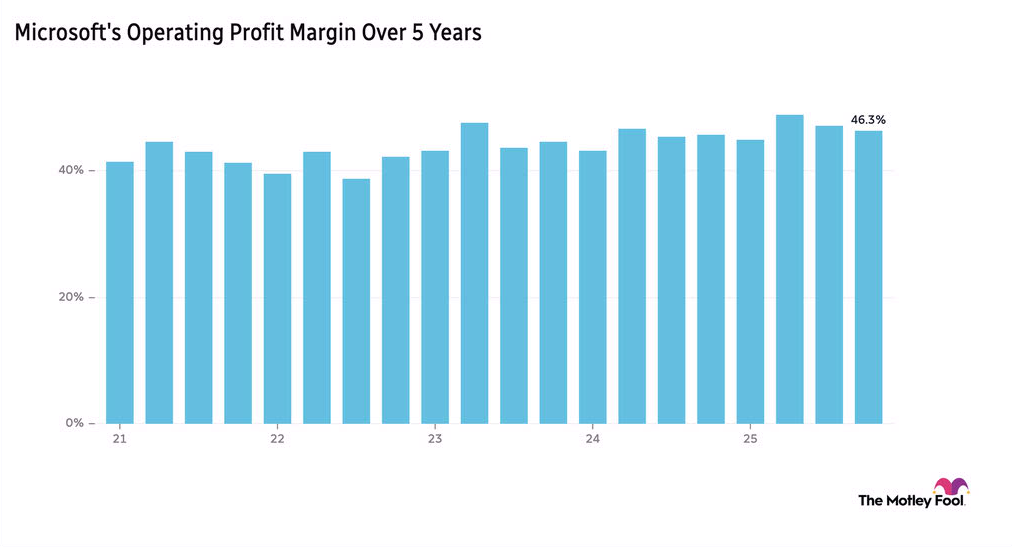
- Microsoft's Financial Resilience: Despite a rough start in 2023, Microsoft reported an 18% year-over-year revenue increase to $82.9 billion in its latest quarter, with net income rising 23% to $31.8 billion, underscoring its strong position in enterprise software and cloud services with significant growth potential ahead.
See More

Meta Launches AI Agent Service to Expand Business Model


- AI Agent Feature Launch: Meta has introduced the new Meta Business Agent feature, designed to respond to customer inquiries, recommend products, and book appointments across apps like WhatsApp, Messenger, and Instagram, marking a significant expansion into the AI space.
- Subscription Service Integration: This feature will be included in the business-focused subscription tier of Meta One, which was launched last week to package premium services for creators and companies, highlighting Meta's commitment to diversifying its revenue streams.
- Intensifying Market Competition: Meta's entry into the AI agent market puts it in direct competition with similar tools from Amazon and Microsoft, while also facing pressure from open-source platforms like OpenClaw, indicating a rapidly intensifying competitive landscape in AI.
- Enhanced Personalization Experience: The new platform allows businesses to connect third-party data sources such as Shopify and Zendesk, enabling personalized experiences within the messaging apps customers already use, thereby increasing Meta's appeal in the business services market.
See More
Microsoft Unveils AI Coding Tool, Pushing Tech Frontier

- AI Coding Tool Launch: Microsoft unveiled its MAI-Code-1-Flash tool at the Build conference in San Francisco, enabling non-technical users to generate software source code through text interaction, marking a significant advancement in AI, although the stock fell 4.2% on the day.
- Quantum Processor Development: The new Majorana 2 quantum processor introduced by Microsoft can stabilize qubits for 20 seconds, approximately 1,000 times longer than its predecessor, with commercial availability targeted for 2029, enhancing its competitive edge in quantum computing.
- Palo Alto's Strong Earnings: Palo Alto reported a 60% year-over-year increase in annual recurring revenue, reaching $8.13 billion, despite rising component costs, and management raised Q4 revenue guidance, indicating robust performance in the security sector.
- Ulta Beauty's Revenue Growth: Ulta Beauty reported an 11.1% year-over-year increase in Q1 revenue, with the CEO attributing growth to strong core U.S. business performance, leading to a roughly 1% rise in stock price during pre-market trading.
See More

Comparative Analysis of Microsoft and Alphabet AI Stocks

- Business Stability Comparison: Microsoft's primary focus on business productivity software, particularly Microsoft Office, which is used on nearly every computer, allows it to maintain stable revenue during economic uncertainty, while Alphabet's advertising revenue is more susceptible to economic sentiment, resulting in greater business volatility.
- Growth Rate Differences: Although both companies are growing rapidly, Alphabet outperforms in the cloud computing sector, with Google Cloud achieving a 63% year-over-year growth rate compared to Microsoft's Azure at 40%, indicating Alphabet's stronger competitive position in the cloud market.
- Valuation Level Analysis: Alphabet's stock is currently trading near a decade-high, while Microsoft is at a decade-low, suggesting that despite Alphabet's strong performance, Microsoft's relatively low valuation makes it a more attractive investment choice, reflecting differing market perceptions of the two companies.
- Investment Recommendation Summary: Considering business stability, growth potential, and valuation levels, Microsoft is deemed the better investment choice, especially in the current economic environment, as its stable revenue stream and relatively low valuation provide investors with a better margin of safety.
See More
Microsoft's AI Spending Plans Under Investor Scrutiny
- Investor Scrutiny: Microsoft's ambitious AI spending plans have drawn significant investor scrutiny, although its enterprise ecosystem may be strengthening, indicating a cautious market outlook on its future growth.
- Diversified Monetization: The company is leveraging multiple avenues to monetize AI through Azure, Copilot, Microsoft 365, GitHub, and security products, suggesting an expanding profit potential in both infrastructure and software sectors.
- Market Price Analysis: Stock prices as of May 23, 2026, raise questions about whether Microsoft is a buy at current levels, reflecting divergent views among investors regarding its future performance.
- Strategic Implications: Microsoft's AI investments not only represent a commitment to technological innovation but may also yield substantial revenue growth in the future, further solidifying its leadership position in the tech industry.
See More
Leveraged ETF Assets Surge Amid AI Trend, Raising Concerns
- Doubling of Leveraged ETF Assets: By the end of May, net assets in U.S. leveraged ETFs surged from $39 billion in April to $84 billion, indicating a strong investor interest in AI and tech themes while also reflecting a chase for riskier investments.
- Rising Popularity in Korea and Taiwan: Leveraged ETF assets in South Korea and Taiwan skyrocketed from $17 billion to $43.1 billion during the same period, highlighting the increasing significance of these markets in the AI ecosystem, particularly with key players like SK Hynix and TSMC.
- Investor Risk Warning: While AI-driven stocks are generating substantial revenue growth, only a handful of companies are profitable, prompting investors to be cautious about potential volatility as inflows could reverse sharply during an AI trade pullback.
- Future Spending Outlook: Major tech companies are expected to invest over $700 billion in AI infrastructure this year, with analysts estimating AI spending to exceed $1 trillion by 2027, raising questions about the sustainability of this growth trajectory.
See More
Tech Giants' Valuations Surge, Driven by AI Growth
- Valuation Milestone: As of May 29, there are 14 companies valued over $1 trillion, with Nvidia leading at $5.11 trillion, followed closely by Apple and Alphabet at $4.58 trillion and $4.56 trillion respectively, highlighting the significant market impact of AI technologies.
- Advertising Revenue Growth: In Q1 2023, Alphabet's Google advertising revenue grew 15.5% year-over-year to $77.3 billion, accounting for 70.3% of total revenue, indicating strong performance in its core advertising business despite initial concerns about AI tools.
- Cloud Business Surge: Alphabet's cloud segment saw a remarkable 63% year-over-year revenue increase in Q1, becoming the main driver of future growth, supported by a substantial backlog of $462 billion, showcasing its competitive edge in the cloud computing market.
- Microsoft's Financial Resilience: Despite a rough start in 2023, Microsoft reported an 18% year-over-year revenue increase to $82.9 billion in its latest quarter, with net income rising 23% to $31.8 billion, underscoring its strong position in enterprise software and cloud services with significant growth potential ahead.
See More
Meta Launches AI Agent Service to Expand Business Model
- AI Agent Feature Launch: Meta has introduced the new Meta Business Agent feature, designed to respond to customer inquiries, recommend products, and book appointments across apps like WhatsApp, Messenger, and Instagram, marking a significant expansion into the AI space.
- Subscription Service Integration: This feature will be included in the business-focused subscription tier of Meta One, which was launched last week to package premium services for creators and companies, highlighting Meta's commitment to diversifying its revenue streams.
- Intensifying Market Competition: Meta's entry into the AI agent market puts it in direct competition with similar tools from Amazon and Microsoft, while also facing pressure from open-source platforms like OpenClaw, indicating a rapidly intensifying competitive landscape in AI.
- Enhanced Personalization Experience: The new platform allows businesses to connect third-party data sources such as Shopify and Zendesk, enabling personalized experiences within the messaging apps customers already use, thereby increasing Meta's appeal in the business services market.
See More
Microsoft Unveils AI Coding Tool, Pushing Tech Frontier
- AI Coding Tool Launch: Microsoft unveiled its MAI-Code-1-Flash tool at the Build conference in San Francisco, enabling non-technical users to generate software source code through text interaction, marking a significant advancement in AI, although the stock fell 4.2% on the day.
- Quantum Processor Development: The new Majorana 2 quantum processor introduced by Microsoft can stabilize qubits for 20 seconds, approximately 1,000 times longer than its predecessor, with commercial availability targeted for 2029, enhancing its competitive edge in quantum computing.
- Palo Alto's Strong Earnings: Palo Alto reported a 60% year-over-year increase in annual recurring revenue, reaching $8.13 billion, despite rising component costs, and management raised Q4 revenue guidance, indicating robust performance in the security sector.
- Ulta Beauty's Revenue Growth: Ulta Beauty reported an 11.1% year-over-year increase in Q1 revenue, with the CEO attributing growth to strong core U.S. business performance, leading to a roughly 1% rise in stock price during pre-market trading.
See More
Comparative Analysis of Microsoft and Alphabet AI Stocks
- Business Stability Comparison: Microsoft's primary focus on business productivity software, particularly Microsoft Office, which is used on nearly every computer, allows it to maintain stable revenue during economic uncertainty, while Alphabet's advertising revenue is more susceptible to economic sentiment, resulting in greater business volatility.
- Growth Rate Differences: Although both companies are growing rapidly, Alphabet outperforms in the cloud computing sector, with Google Cloud achieving a 63% year-over-year growth rate compared to Microsoft's Azure at 40%, indicating Alphabet's stronger competitive position in the cloud market.
- Valuation Level Analysis: Alphabet's stock is currently trading near a decade-high, while Microsoft is at a decade-low, suggesting that despite Alphabet's strong performance, Microsoft's relatively low valuation makes it a more attractive investment choice, reflecting differing market perceptions of the two companies.
- Investment Recommendation Summary: Considering business stability, growth potential, and valuation levels, Microsoft is deemed the better investment choice, especially in the current economic environment, as its stable revenue stream and relatively low valuation provide investors with a better margin of safety.
See More