Microsoft Invests $2.5B to Establish Frontier Company

Catch up on the top artificial intelligence news and commentary by Wall Street analysts on publicly traded companies in the space with this daily recap compiled by The Fly.MICROSOFT FRONTIER:Microsoftsaid in a blog, "Today we are introducing Microsoft Frontier Company, a new operating business focused on delivering Frontier Transformation through AI for our customers around the world.It will provide a unique combination of skills inclusive of deep industry knowledge, change management and continuous improvement experience, and enterprise-grade AI engineering expertise. This goes beyond what has been labeled as Forward Deployed Engineering and will be the largest, most capable, outcome-driven engineering organization in the industry. We are making a $2.5B investment in Microsoft Frontier Company, embedding 6,000 industry and engineering experts at customers to co-design, co-innovate, deploy and continuously improve AI systems at scale based on measurable business outcomes." Microsoft said Rodrigo Kede Lima will be the President of Microsoft Frontier.AI CHATBOT:Microsoft is merging the consumer and enterprise versions of its Copilot AI chatbots into a single application as it tries to create a more formidable competitor to Anthropic's Claude and OpenAI's ChatGPT,The Information's Aaron Holmes and Erin Woo, citing an internal memo that went out Thursday morning. Jacob Andreou, an executive vice President, said the new unified app will also feature AI coding Tools and new AI agents that customers would need to pay extra for, according to The Information, which also noted that Andreou told colleagues he's happy with Copilot's growth in the June quarter.AI AGENTS:MetaCEO Mark Zuckerberg said the company's AI agent systems have not advanced as quickly as originally anticipated, Katie Paul and Courtney Rozen of Reuters, citing a recording of an internal town hall. Zuckerberg said the restructuring has not been as "clean" as it could have been, and executives miscalculated the timing of changes.CLAUDE CODE:Alibabahas banned its employees from using Anthropic's Claude Code at work following scrutiny for its features that can identify China-linked users, Eduardo Baptista of Reuters, citing a person familiar with the order.AI BENEFICIARY:Scotiabank analyst Patrick Colville upgraded Oktato Outperform from Sector Perform with a $165 price target. Non-human identity management is the top priority among CISOs in the firm's fieldwork as Agentic AI is rolled out in enterprises, says the analyst, who views Okta as an AI beneficiary from a rising tide of cybersecurity spend as a result of Mythos preparedness as firms look to modernize their identity stack.BUY SENTINELONE:Scotiabank upgraded SentinelOneto Outperform from Sector Perform with a $23.50 price target. Investments in AI native products such as agentic SOC, Purple AI, and AI runtime security positions SentinelOne well to capture new high growth vectors as Mythos preparedness drives incremental security spending, the firm tells investors.BULLISH ON CHECK POINT:Scotiabank upgraded Check Pointto Outperform from Sector Perform with an $185 price target. The firm, which views Check Point as an AI beneficiary as enterprises increase cybersecurity spending to prepare for more advanced threats, thinks the market is underestimating Check Point's growth potential stemming from AI.MOVING TO THE SIDELINES:Bernstein downgraded Datadogto Market Perform from Outperform with a price target of $226, up from $180. The firm is moving to the sidelines on Q3 and beyond earnings caution vs. more exuberant investor expectations as demand signals are slowing in both enterprise and some AI Labs. Bernstein points out that "not only do we start lapping tough comps in Q4," it is seeing demand signals flat lining ex-AI that causes ex-AI growth to peak in Q3, and potentially regress -100bps-200bps in Q4.AI LICENSING DEAL:Cevaannounced an AI licensing deal with a U.S. software and AI platform company for a custom AI silicon program targeting next-generation intelligent computing devices. The agreement extends Ceva's customer base beyond traditional semiconductor companies and device OEMs to include software platform companies that are increasingly designing custom silicon to optimize performance, power and area and the overall user experience.
Trade with 70% Backtested Accuracy
Analyst Views on MSFT

About MSFT
About the author

Microsoft Faces Challenges but Optimistic Outlook Ahead

- Financial Performance Analysis: Microsoft reported an 18% year-over-year revenue increase in the last quarter, with its intelligent cloud segment growing by 30%, indicating strong demand in the AI sector, despite the stock price dropping over 30% from its peak.
- Capital Expenditure Plans: The company expects capital expenditures to reach $190 billion for the current fiscal year, more than 60% higher than last year, reflecting Microsoft's commitment to AI infrastructure, although investors remain skeptical about this spending.
- Copilot User Growth: The paid version of Microsoft's Copilot has grown to 20 million users from 15 million last quarter, indicating a foundation for future commercialization, despite slow market share growth against competitors.
- Analyst Ratings Optimistic: Over 80% of analysts rate Microsoft as a strong buy, with a 12-month price target of $559.02, representing a 46% upside from the current stock price, reflecting confidence in the company's future growth prospects.

OpenAI Plans IPO at Over $1 Trillion Valuation
- Microsoft Stake Value: Microsoft's 27% stake in OpenAI is valued at approximately $135 billion, and if OpenAI goes public at $1 trillion, this stake could be worth about $270 billion, significantly enhancing Microsoft's market capitalization and potentially accounting for 9% of its total value.
- IPO Timing Delay: OpenAI is now targeting a 2027 IPO, as CEO Sam Altman refuses to accept a valuation below $1 trillion, a decision that could impact Microsoft's investment returns and force the market to reassess the value of its assets.
- Microsoft Financial Performance: Despite a declining stock price, Microsoft reported $82.9 billion in revenue for Q3 2026, an 18% year-over-year increase, with earnings per share rising 23% to $4.27, demonstrating strong growth potential in its core business.
- Capital Expenditure Pressure: Microsoft anticipates capital expenditures of $190 billion in 2026, including $25 billion due to rising component prices, which may pressure profit margins in the coming years, causing investor concerns about the sustainability of its growth.
Morgan Stanley Warns of Chip Stock Weakness Impacting Broader Market

- Chip Stock Weakness Warning: Morgan Stanley cautions that weakness in chip stocks could lead to volatility in the broader market, particularly as major tech companies experience declines, potentially undermining investor confidence across sectors.
- Sector Rotation Opportunities: The firm anticipates that the consumer discretionary, biotech, and transport sectors will benefit from the rotation away from chip stocks, especially given falling oil prices and elevated interest rates, which may attract more investment.
- AI Giants Investment Outlook: Morgan Stanley identifies Microsoft, Amazon, and Meta as favored companies within the AI ecosystem, despite Microsoft and Meta's shares falling over 17% and 10% year-to-date, respectively, while Amazon's shares have risen over 7%, indicating market confidence in these firms.
- Market Expectations and Risks: The firm projects that the S&P 500 will exceed 8,000 points by year-end, implying about a 7% upside potential, although the market's hawkish expectations regarding Federal Reserve rate hikes could impact the overall investment environment.
Microsoft, Amazon, and Alphabet's AI Leadership Drives Growth Potential

- Microsoft Cloud Revenue Surge: Microsoft's cloud revenue jumped 29% in the latest quarter to nearly $55 billion, indicating strong demand in the enterprise software market, with analysts projecting the stock could double over the next five years, outperforming the market.
- Amazon's Diverse Revenue Streams: Amazon's AWS revenue grew 28% year-over-year, solidifying its position as a cloud leader, and with multiple revenue engines including advertising and e-commerce, analysts expect an annual earnings growth rate of about 21% in the coming years.
- Alphabet Cloud Expansion: Alphabet's total revenue surged 22% year-over-year to nearly $110 billion, with its cloud segment revenue increasing by 63%, reflecting a surge in enterprise demand for AI tools, which is expected to drive long-term earnings growth.
- Strategic Investment Signal: Alphabet announced an $80 billion equity offering, including a $10 billion investment from Warren Buffett, signaling its long-term growth potential in the AI sector, with analysts projecting a 15% annual earnings growth rate.

Reminder for Microsoft Shareholder Class Action
- Class Action Notice: Rosen Law Firm reminds investors who purchased Microsoft stock between May 1, 2025, and January 28, 2026, to apply as lead plaintiffs by August 11, 2026, to participate in the class action and seek compensation.
- Lawsuit Background: The lawsuit alleges that Microsoft failed to disclose significant issues with its Copilot product line, including brand positioning, user experience, and declining market share, resulting in investor losses.
- Legal Service Advantage: Rosen Law Firm specializes in securities class actions and has achieved the largest settlement against a Chinese company, demonstrating its success and resource advantages in this field.
- Investor Rights Protection: Investors can choose their preferred counsel, and opting out of the lawsuit does not affect their potential future recovery, ensuring their rights are protected.
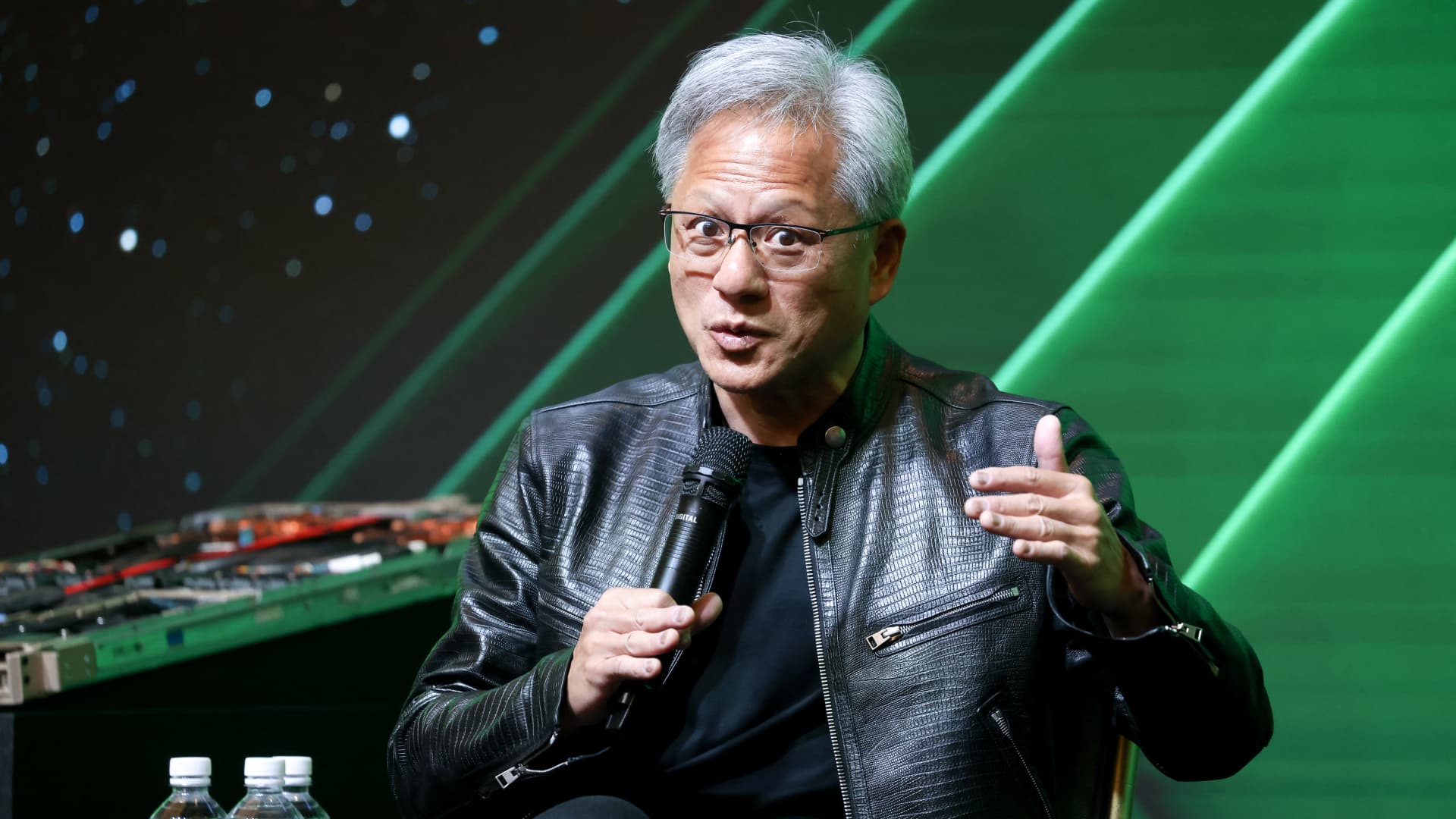
Nvidia's Kyber Architecture Delayed to 2028, Raising Concerns


- Product Launch Delay: Nvidia's Kyber architecture has been postponed to 2028 due to manufacturing difficulties with a key circuit board, raising uncertainties about the AI giant's product roadmap and potentially impacting its market competitiveness.
- Technical Challenges: The design of the Kyber architecture aims to integrate 144 powerful chips into a single giant computer, but the manufacturing difficulties of the PCB midplane have led to this significant delay, reflecting Nvidia's struggles with rapid product releases amid manufacturing constraints.
- Increased Market Competition: With Nvidia unable to provide a viable scaling solution, competitors like AMD and Google may gain a technical edge in the high-end market, further eroding Nvidia's market share.
- Optimistic Revenue Outlook: Despite these challenges, SemiAnalysis projects that Nvidia's data center compute revenue will exceed Wall Street expectations by 20% in the second half of fiscal 2027, indicating strong market demand for its existing products.
Microsoft Faces Challenges but Optimistic Outlook Ahead
- Financial Performance Analysis: Microsoft reported an 18% year-over-year revenue increase in the last quarter, with its intelligent cloud segment growing by 30%, indicating strong demand in the AI sector, despite the stock price dropping over 30% from its peak.
- Capital Expenditure Plans: The company expects capital expenditures to reach $190 billion for the current fiscal year, more than 60% higher than last year, reflecting Microsoft's commitment to AI infrastructure, although investors remain skeptical about this spending.
- Copilot User Growth: The paid version of Microsoft's Copilot has grown to 20 million users from 15 million last quarter, indicating a foundation for future commercialization, despite slow market share growth against competitors.
- Analyst Ratings Optimistic: Over 80% of analysts rate Microsoft as a strong buy, with a 12-month price target of $559.02, representing a 46% upside from the current stock price, reflecting confidence in the company's future growth prospects.
OpenAI Plans IPO at Over $1 Trillion Valuation
- Microsoft Stake Value: Microsoft's 27% stake in OpenAI is valued at approximately $135 billion, and if OpenAI goes public at $1 trillion, this stake could be worth about $270 billion, significantly enhancing Microsoft's market capitalization and potentially accounting for 9% of its total value.
- IPO Timing Delay: OpenAI is now targeting a 2027 IPO, as CEO Sam Altman refuses to accept a valuation below $1 trillion, a decision that could impact Microsoft's investment returns and force the market to reassess the value of its assets.
- Microsoft Financial Performance: Despite a declining stock price, Microsoft reported $82.9 billion in revenue for Q3 2026, an 18% year-over-year increase, with earnings per share rising 23% to $4.27, demonstrating strong growth potential in its core business.
- Capital Expenditure Pressure: Microsoft anticipates capital expenditures of $190 billion in 2026, including $25 billion due to rising component prices, which may pressure profit margins in the coming years, causing investor concerns about the sustainability of its growth.
Morgan Stanley Warns of Chip Stock Weakness Impacting Broader Market
- Chip Stock Weakness Warning: Morgan Stanley cautions that weakness in chip stocks could lead to volatility in the broader market, particularly as major tech companies experience declines, potentially undermining investor confidence across sectors.
- Sector Rotation Opportunities: The firm anticipates that the consumer discretionary, biotech, and transport sectors will benefit from the rotation away from chip stocks, especially given falling oil prices and elevated interest rates, which may attract more investment.
- AI Giants Investment Outlook: Morgan Stanley identifies Microsoft, Amazon, and Meta as favored companies within the AI ecosystem, despite Microsoft and Meta's shares falling over 17% and 10% year-to-date, respectively, while Amazon's shares have risen over 7%, indicating market confidence in these firms.
- Market Expectations and Risks: The firm projects that the S&P 500 will exceed 8,000 points by year-end, implying about a 7% upside potential, although the market's hawkish expectations regarding Federal Reserve rate hikes could impact the overall investment environment.
Microsoft, Amazon, and Alphabet's AI Leadership Drives Growth Potential
- Microsoft Cloud Revenue Surge: Microsoft's cloud revenue jumped 29% in the latest quarter to nearly $55 billion, indicating strong demand in the enterprise software market, with analysts projecting the stock could double over the next five years, outperforming the market.
- Amazon's Diverse Revenue Streams: Amazon's AWS revenue grew 28% year-over-year, solidifying its position as a cloud leader, and with multiple revenue engines including advertising and e-commerce, analysts expect an annual earnings growth rate of about 21% in the coming years.
- Alphabet Cloud Expansion: Alphabet's total revenue surged 22% year-over-year to nearly $110 billion, with its cloud segment revenue increasing by 63%, reflecting a surge in enterprise demand for AI tools, which is expected to drive long-term earnings growth.
- Strategic Investment Signal: Alphabet announced an $80 billion equity offering, including a $10 billion investment from Warren Buffett, signaling its long-term growth potential in the AI sector, with analysts projecting a 15% annual earnings growth rate.
Reminder for Microsoft Shareholder Class Action
- Class Action Notice: Rosen Law Firm reminds investors who purchased Microsoft stock between May 1, 2025, and January 28, 2026, to apply as lead plaintiffs by August 11, 2026, to participate in the class action and seek compensation.
- Lawsuit Background: The lawsuit alleges that Microsoft failed to disclose significant issues with its Copilot product line, including brand positioning, user experience, and declining market share, resulting in investor losses.
- Legal Service Advantage: Rosen Law Firm specializes in securities class actions and has achieved the largest settlement against a Chinese company, demonstrating its success and resource advantages in this field.
- Investor Rights Protection: Investors can choose their preferred counsel, and opting out of the lawsuit does not affect their potential future recovery, ensuring their rights are protected.
Nvidia's Kyber Architecture Delayed to 2028, Raising Concerns
- Product Launch Delay: Nvidia's Kyber architecture has been postponed to 2028 due to manufacturing difficulties with a key circuit board, raising uncertainties about the AI giant's product roadmap and potentially impacting its market competitiveness.
- Technical Challenges: The design of the Kyber architecture aims to integrate 144 powerful chips into a single giant computer, but the manufacturing difficulties of the PCB midplane have led to this significant delay, reflecting Nvidia's struggles with rapid product releases amid manufacturing constraints.
- Increased Market Competition: With Nvidia unable to provide a viable scaling solution, competitors like AMD and Google may gain a technical edge in the high-end market, further eroding Nvidia's market share.
- Optimistic Revenue Outlook: Despite these challenges, SemiAnalysis projects that Nvidia's data center compute revenue will exceed Wall Street expectations by 20% in the second half of fiscal 2027, indicating strong market demand for its existing products.