Micron Technology Poised to Become the Next Nvidia
Written by Emily J. Thompson, Senior Investment Analyst
Updated: Feb 03 2026
0mins
Should l Buy MU?
Source: Fool
- Surging Market Demand: AI hyperscalers are projected to spend around $500 billion on capital expenditures by 2026, with Meta Platforms guiding for $135 billion in AI spending this year, indicating a rapid increase in demand for high-bandwidth memory (HBM) that will boost Micron Technology's market share.
- Price Increase Expectations: TrendForce forecasts that prices for dynamic random access memory (DRAM) and NAND chips could rise by 60% and 38%, respectively, over the coming months, which will significantly enhance Micron's pricing power for HBM solutions, further improving its profitability.
- Valuation Reasonableness: Despite Micron's market cap surging nearly tenfold over the past three years, its forward price-to-earnings (P/E) ratio stands at just 14, making it relatively attractive compared to peers with P/E ratios that are double or triple that of Micron, thus drawing investor interest.
- Potential Breakout Moment: Positioned within the AI revolution, Micron Technology is at a critical growth juncture; although its stock has seen historic gains, ongoing market demand and technological advancements suggest it could be on the verge of experiencing another
Trade with 70% Backtested Accuracy
Stop guessing "Should I Buy MU?" and start using high-conviction signals backed by rigorous historical data.
Sign up today to access powerful investing tools and make smarter, data-driven decisions.
Analyst Views on MU
Wall Street analysts forecast MU stock price to fall
26 Analyst Rating
24 Buy
2 Hold
0 Sell
Strong Buy
Current: 367.850

Low
235.00
Averages
336.12
High
500.00
Current: 367.850
Low
235.00
Averages
336.12
High
500.00
About MU
Micron Technology, Inc. provides memory and storage solutions. The Company delivers a portfolio of high-performance dynamic random-access memory (DRAM), NAND, and NOR memory and storage products through its Micron and Crucial brands. The Company's products enable advancing in artificial intelligence (AI) and compute-intensive applications. Its segments include Cloud Memory Business Unit (CMBU), Core Data Center Business Unit (CDBU), Mobile and Client Business Unit (MCBU) and Automotive and Embedded Business Unit (AEBU). CMBU is focused on memory solutions for large hyperscale cloud customers, and high bandwidth memory (HBM) for all data center customers. CDBU is focused on memory solutions for mid-tier cloud, enterprise, and OEM data center customers and storage solutions for all data center customers. MCBU is focused on memory and storage solutions for mobile and client segments. AEBU is focused on memory and storage solutions for the automotive, industrial, and consumer segments.
About the author

Emily J. Thompson
Emily J. Thompson, a Chartered Financial Analyst (CFA) with 12 years in investment research, graduated with honors from the Wharton School. Specializing in industrial and technology stocks, she provides in-depth analysis for Intellectia’s earnings and market brief reports.

Micron Technology's Low Valuation Requires Proof of Growth Potential

- Valuation Analysis: Micron Technology's forward P/E ratio stands at just 3.3 times, despite tripling its quarterly revenue and increasing gross margin from 36.8% to 74.4%, indicating a significant undervaluation; however, market confidence in its future growth remains to be proven.
- Market Cyclicality: Micron's primary business, DRAM, accounts for 80% of its revenue and has historically experienced significant cyclical fluctuations; while the rise of AI has boosted DRAM demand, the company must demonstrate structural growth drivers to sustain its valuation.
- Growing HBM Demand: The surge in demand for high-bandwidth memory (HBM) linked to AI chip growth has created a DRAM market shortage, driving up Micron's revenue and gross margin, yet the sustainability of this growth remains uncertain.
- Long-term Contract Strategy: Micron is working to secure long-term agreements with HBM customers to mitigate business cyclicality; if it can successfully transition into a long-term AI infrastructure winner, a tripling of its stock price by 2030 is feasible, but this requires enhanced stability and market trust.
See More
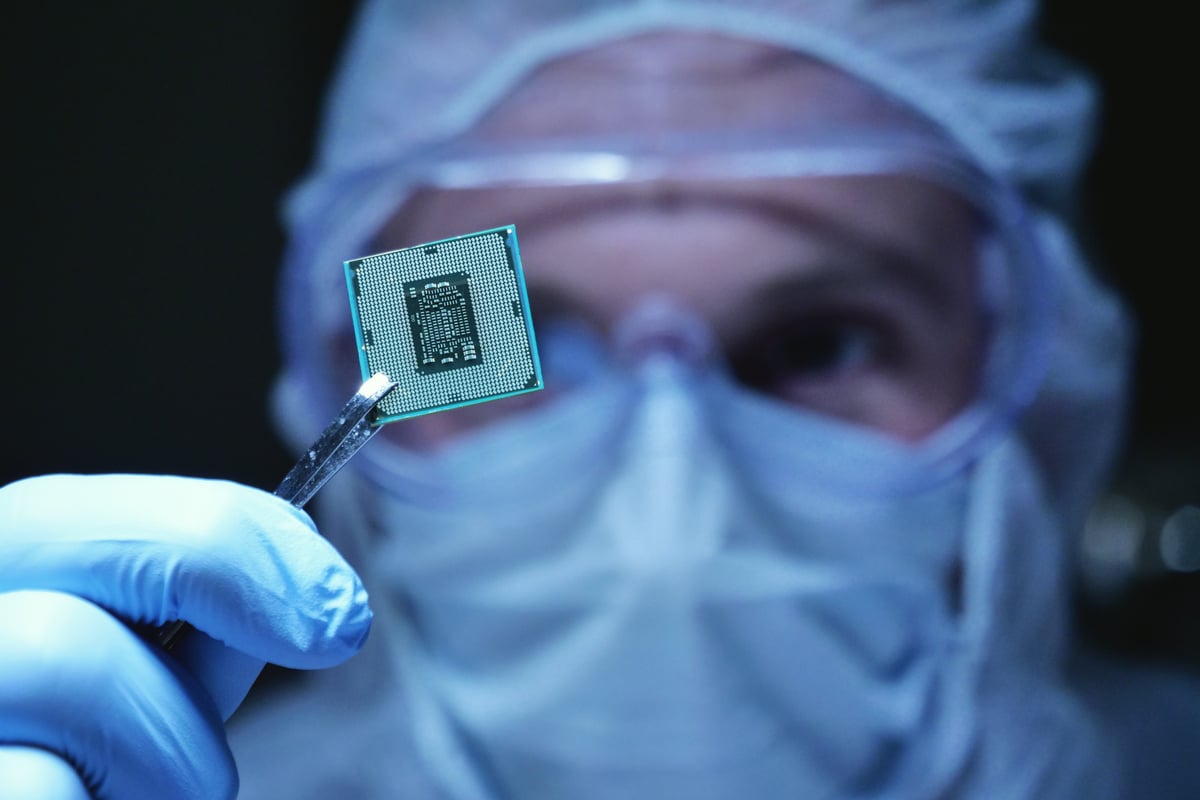
Semiconductor Stocks Lead AI Investment Surge


- Surging Market Demand: Taiwan Semiconductor expects the AI chip market to grow at a mid-to-high 50% CAGR from 2024 to 2029, planning to invest between $52 billion and $56 billion in capital expenditures in 2023 to meet rising demand, thereby solidifying its leadership in the AI sector.
- Memory Chip Outlook: Micron Technology anticipates the high-bandwidth memory market will expand from $35 billion to $100 billion between 2025 and 2028; despite price cooling due to Google's TurboQuant algorithm, the sustained demand for memory chips highlights its long-term investment value.
- Custom Chip Innovation: Broadcom focuses on designing custom AI chips, which are expected to generate over $100 billion in annual revenue by 2027, benefiting from the increasing demand for specific workloads in the AI industry, showcasing significant growth potential.
- GPU Market Leadership: Nvidia is projected to see a 71% revenue increase this year and 30% next year, with its stock trading at a forward P/E of only 20.2, close to the S&P 500's 20.4, indicating a rare investment opportunity that investors should not overlook.
See More

Semiconductor Sector Seizes Growth Opportunities Amid AI Demand
- Surging Market Demand: Taiwan Semiconductor expects the AI chip market to grow at a mid- to high-50% CAGR from 2024 to 2029, planning to invest $52 billion to $56 billion in capital expenditures in 2023, thereby solidifying its leadership position in the AI competition.
- Memory Chip Demand: Micron Technology anticipates the high-bandwidth memory market will expand from $35 billion to $100 billion between 2025 and 2028, and despite price cooling due to Google's TurboQuant algorithm, the strong demand for memory indicates significant investment potential in the coming years.
- Custom Chip Innovation: Broadcom is set to benefit from the skyrocketing demand for custom AI chips, with projections indicating these chips could generate over $100 billion annually by the end of 2027, highlighting Broadcom's substantial growth potential with its $68 billion annual revenue.
- GPU Market Dominance: Nvidia's revenue is projected to rise by 71% this year and 30% next year, with its stock trading at a forward P/E of only 20.2, close to the S&P 500's 20.4, indicating a rare investment opportunity that investors should not overlook.
See More

Google's TurboQuant Algorithm Shakes Memory Chip Market


- Memory Demand Shift: Google's TurboQuant algorithm reduces memory usage for large language model inference by over six-fold, potentially slowing growth in demand for memory chips, impacting companies like Micron (MU).
- Market Reaction: Following the announcement, shares of Micron and its Korean competitors SK Hynix and Samsung fell, as investors worry that improved efficiency in AI chips will lead to slower growth in memory demand.
- Apple's Potential Win: Google's breakthrough could enable Apple to achieve more robust on-device AI processing in its iPhones, potentially driving an upgrade cycle, particularly with the anticipated new Siri features.
- Long-Term Outlook: While the memory chip market faces short-term challenges, Google's advancements may foster further development of AI algorithms, suggesting that changes in memory demand may not significantly impact the market in the long run.
See More

Google's TurboQuant Algorithm Significantly Reduces Memory Usage
- Memory Usage Reduction: Google's TurboQuant algorithm reduces memory usage for large language model inference by over six-fold, a breakthrough that could pressure memory chipmakers amid surging AI demand.
- Market Reaction: Following this news, shares of leading U.S. memory chipmaker Micron and its Korean competitors SK Hynix and Samsung fell, as the market fears that memory demand growth may slow down.
- Apple as a Potential Beneficiary: Google's breakthrough could enable Apple to implement more on-device AI processing on its iPhones, addressing data privacy concerns and potentially driving an upgrade cycle, with nearly 1 billion iPhones expected to be incapable of running Apple Intelligence by the end of 2025.
- Long-term Impact Assessment: While improvements in memory efficiency may significantly affect AI models used in consumer devices, their impact on the most advanced frontier models is limited, prompting investors to view the cyclical nature of the memory chip market with caution.
See More
Micron Technology's Stock Experiences Significant Volatility
- Stock Volatility Analysis: Micron Technology's stock has experienced significant fluctuations over the past year, with a nearly one-third drop following an extraordinary earnings report, currently trading down about 19% from its recent high, indicating market concerns over its valuation.
- Valuation Metrics: The stock now trades at a forward P/E ratio of just 3.3 times, despite tripling its quarterly revenue and expanding gross margin from 36.8% to 74.4%, suggesting the market may be undervaluing its future growth potential.
- Market Cyclicality: Micron's primary business in DRAM, which constitutes 80% of its revenue, has seen a surge in demand driven by AI, leading to skyrocketing prices, although the cyclical nature of the market remains a concern.
- Long-Term Contract Strategy: Micron is working to secure long-term contracts with HBM customers to mitigate business cyclicality, and if successful in establishing itself as a long-term AI infrastructure leader, a tripling of its stock price by 2030 could be achievable.
See More
Micron Technology's Low Valuation Requires Proof of Growth Potential
- Valuation Analysis: Micron Technology's forward P/E ratio stands at just 3.3 times, despite tripling its quarterly revenue and increasing gross margin from 36.8% to 74.4%, indicating a significant undervaluation; however, market confidence in its future growth remains to be proven.
- Market Cyclicality: Micron's primary business, DRAM, accounts for 80% of its revenue and has historically experienced significant cyclical fluctuations; while the rise of AI has boosted DRAM demand, the company must demonstrate structural growth drivers to sustain its valuation.
- Growing HBM Demand: The surge in demand for high-bandwidth memory (HBM) linked to AI chip growth has created a DRAM market shortage, driving up Micron's revenue and gross margin, yet the sustainability of this growth remains uncertain.
- Long-term Contract Strategy: Micron is working to secure long-term agreements with HBM customers to mitigate business cyclicality; if it can successfully transition into a long-term AI infrastructure winner, a tripling of its stock price by 2030 is feasible, but this requires enhanced stability and market trust.
See More
Semiconductor Stocks Lead AI Investment Surge
- Surging Market Demand: Taiwan Semiconductor expects the AI chip market to grow at a mid-to-high 50% CAGR from 2024 to 2029, planning to invest between $52 billion and $56 billion in capital expenditures in 2023 to meet rising demand, thereby solidifying its leadership in the AI sector.
- Memory Chip Outlook: Micron Technology anticipates the high-bandwidth memory market will expand from $35 billion to $100 billion between 2025 and 2028; despite price cooling due to Google's TurboQuant algorithm, the sustained demand for memory chips highlights its long-term investment value.
- Custom Chip Innovation: Broadcom focuses on designing custom AI chips, which are expected to generate over $100 billion in annual revenue by 2027, benefiting from the increasing demand for specific workloads in the AI industry, showcasing significant growth potential.
- GPU Market Leadership: Nvidia is projected to see a 71% revenue increase this year and 30% next year, with its stock trading at a forward P/E of only 20.2, close to the S&P 500's 20.4, indicating a rare investment opportunity that investors should not overlook.
See More
Semiconductor Sector Seizes Growth Opportunities Amid AI Demand
- Surging Market Demand: Taiwan Semiconductor expects the AI chip market to grow at a mid- to high-50% CAGR from 2024 to 2029, planning to invest $52 billion to $56 billion in capital expenditures in 2023, thereby solidifying its leadership position in the AI competition.
- Memory Chip Demand: Micron Technology anticipates the high-bandwidth memory market will expand from $35 billion to $100 billion between 2025 and 2028, and despite price cooling due to Google's TurboQuant algorithm, the strong demand for memory indicates significant investment potential in the coming years.
- Custom Chip Innovation: Broadcom is set to benefit from the skyrocketing demand for custom AI chips, with projections indicating these chips could generate over $100 billion annually by the end of 2027, highlighting Broadcom's substantial growth potential with its $68 billion annual revenue.
- GPU Market Dominance: Nvidia's revenue is projected to rise by 71% this year and 30% next year, with its stock trading at a forward P/E of only 20.2, close to the S&P 500's 20.4, indicating a rare investment opportunity that investors should not overlook.
See More
Google's TurboQuant Algorithm Shakes Memory Chip Market
- Memory Demand Shift: Google's TurboQuant algorithm reduces memory usage for large language model inference by over six-fold, potentially slowing growth in demand for memory chips, impacting companies like Micron (MU).
- Market Reaction: Following the announcement, shares of Micron and its Korean competitors SK Hynix and Samsung fell, as investors worry that improved efficiency in AI chips will lead to slower growth in memory demand.
- Apple's Potential Win: Google's breakthrough could enable Apple to achieve more robust on-device AI processing in its iPhones, potentially driving an upgrade cycle, particularly with the anticipated new Siri features.
- Long-Term Outlook: While the memory chip market faces short-term challenges, Google's advancements may foster further development of AI algorithms, suggesting that changes in memory demand may not significantly impact the market in the long run.
See More
Google's TurboQuant Algorithm Significantly Reduces Memory Usage
- Memory Usage Reduction: Google's TurboQuant algorithm reduces memory usage for large language model inference by over six-fold, a breakthrough that could pressure memory chipmakers amid surging AI demand.
- Market Reaction: Following this news, shares of leading U.S. memory chipmaker Micron and its Korean competitors SK Hynix and Samsung fell, as the market fears that memory demand growth may slow down.
- Apple as a Potential Beneficiary: Google's breakthrough could enable Apple to implement more on-device AI processing on its iPhones, addressing data privacy concerns and potentially driving an upgrade cycle, with nearly 1 billion iPhones expected to be incapable of running Apple Intelligence by the end of 2025.
- Long-term Impact Assessment: While improvements in memory efficiency may significantly affect AI models used in consumer devices, their impact on the most advanced frontier models is limited, prompting investors to view the cyclical nature of the memory chip market with caution.
See More
Micron Technology's Stock Experiences Significant Volatility
- Stock Volatility Analysis: Micron Technology's stock has experienced significant fluctuations over the past year, with a nearly one-third drop following an extraordinary earnings report, currently trading down about 19% from its recent high, indicating market concerns over its valuation.
- Valuation Metrics: The stock now trades at a forward P/E ratio of just 3.3 times, despite tripling its quarterly revenue and expanding gross margin from 36.8% to 74.4%, suggesting the market may be undervaluing its future growth potential.
- Market Cyclicality: Micron's primary business in DRAM, which constitutes 80% of its revenue, has seen a surge in demand driven by AI, leading to skyrocketing prices, although the cyclical nature of the market remains a concern.
- Long-Term Contract Strategy: Micron is working to secure long-term contracts with HBM customers to mitigate business cyclicality, and if successful in establishing itself as a long-term AI infrastructure leader, a tripling of its stock price by 2030 could be achievable.
See More