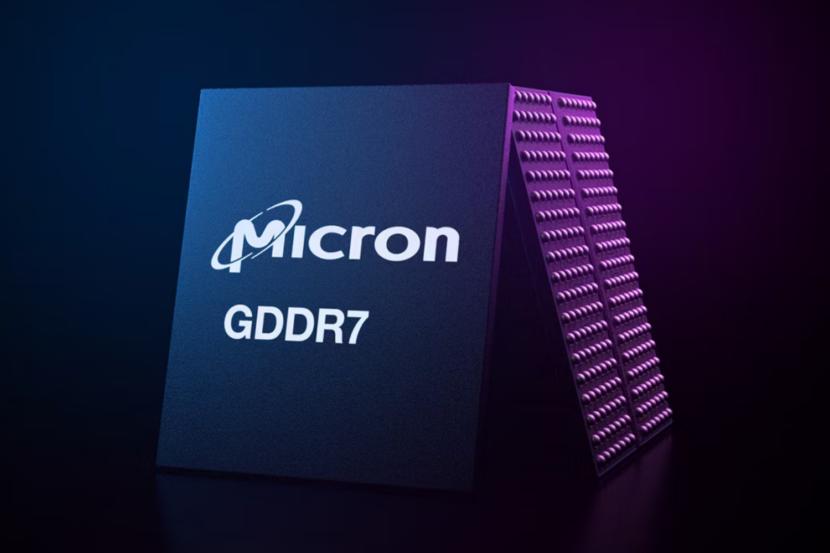
Micron and Its Memory-Chip Competitors Benefit from AI Boom: Potential Risks Ahead.
Written by Emily J. Thompson, Senior Investment Analyst
Updated: Feb 23 2026
0mins

Should l Buy SNDK?
Source: Barron's
AI Growth Boosts Memory-Chip Makers: Companies like Micron Technology, SK Hynix, and Samsung Electronics are experiencing significant growth due to increased demand for memory chips driven by artificial intelligence advancements.
Risk of Market Overproduction: The history of the memory-chip industry suggests that rapid production increases could lead to an oversupply, potentially resulting in a market crash.
Trade with 70% Backtested Accuracy
Stop guessing "Should I Buy SNDK?" and start using high-conviction signals backed by rigorous historical data.
Sign up today to access powerful investing tools and make smarter, data-driven decisions.
Analyst Views on SNDK
Wall Street analysts forecast SNDK stock price to fall
14 Analyst Rating
11 Buy
3 Hold
0 Sell
Strong Buy
Current: 692.730

Low
220.00
Averages
283.69
High
410.00
Current: 692.730
Low
220.00
Averages
283.69
High
410.00
About SNDK
SanDisk Corporation is a developer, manufacturer and provider of data storage devices and solutions based on NAND flash technology and has consumer brands and franchises globally. The Company's solutions include a range of solid state drives (SSDs) embedded products, removable cards, universal serial bus (USB) drives, and wafers and components. Its broad portfolio of technology and products addresses multiple end markets of Datacenter, Edge and Consumer. Its Datacenter end market is composed primarily of products for public or private cloud environments and enterprise customers. The Company, through the Edge end market, provides original equipment manufacturer and channel customers a broad array of high-performance flash solutions across personal computer, mobile, gaming, automotive, virtual reality headsets, at-home entertainment, and industrial spaces. The Company serves the Consumer end market with a broad range of retail and other end-user products.
About the author

Emily J. Thompson
Emily J. Thompson, a Chartered Financial Analyst (CFA) with 12 years in investment research, graduated with honors from the Wharton School. Specializing in industrial and technology stocks, she provides in-depth analysis for Intellectia’s earnings and market brief reports.

Analysis of Palantir and Sandisk Stock Market Dynamics


- Palantir Stock Fluctuations: Palantir's stock surged 167% in 2023 and 340% in 2024, but has since dropped about 30% since peaking in October last year, indicating market concerns over its high valuation despite a 70% year-over-year revenue growth in Q4.
- Future Growth Expectations: Palantir anticipates over 60% revenue growth in 2026, projecting revenues between $7.18 billion and $7.19 billion, with adjusted operating income targeted at $4.126 billion, reflecting sustained strong demand in the AI sector.
- Sandisk Market Performance: Sandisk's stock skyrocketed 1,067% over the past 12 months and is up 141% year-to-date in 2024, benefiting from surging AI data storage demand, although it recently fell 25% due to high valuations and market uncertainties.
- Investor Sentiment Shift: Palantir's high P/E ratio (currently at 289) contrasts sharply with Sandisk's forward P/E ratio of just 18, reflecting differing investor perceptions, with Sandisk viewed as a more attractive investment despite its robust revenue growth.
See More

Analysis of Palantir and Sandisk Stock Performance
- Palantir Stock Volatility: Palantir's stock surged 167% in 2023 and 340% in 2024, yet it has since dropped about 30% from its peak last October, indicating market adjustment risks due to high valuation.
- Accelerated Revenue Growth: Despite the stock decline, Palantir's revenue grew 70% year-over-year in Q4 2023, with a full-year increase of 56%, and it anticipates over 60% growth in 2026, reaching between $7.18 billion and $7.19 billion.
- Sandisk Stock Performance: Sandisk has skyrocketed 1,067% over the past 12 months since its February 2025 IPO, currently priced at $575, showcasing its robust performance amid surging AI data storage demand.
- Market Outlook and Valuation: Sandisk's net income surged 617% year-over-year to $803 million last quarter, with a forward P/E ratio of just 18; despite a recent 25% drop, it remains an attractive investment option.
See More

Sandisk Thrives in NAND Supercycle Amid AI Boom


- Sandisk Stock Surge: Sandisk emerged as the best-performing stock in the Russell 1000 Index in Q1, with a staggering 194% increase in share price, driven by a NAND flash memory shortage that significantly boosted revenue and earnings growth.
- Nvidia's Market Leadership: Nvidia's GPUs are complex logic chips supported by a robust ecosystem, having established itself as the premier growth stock in recent years, currently trading at a forward P/E ratio of 21 times, with estimates dropping to 16 times for the next fiscal year, indicating strong investment potential.
- Broadcom's Growth Potential: Although Broadcom's current P/E ratio stands at 27.5 times, its explosive growth in the AI infrastructure market is expected to lower this to 17.5 times, highlighting its leadership in networking and custom AI chips.
- Importance of AI Infrastructure: As data centers expand, Broadcom's leading position in networking and ASIC technology becomes increasingly critical, enabling customers to convert chip designs into scalable physical chips, thereby enhancing its competitive edge in the market.
See More
Sandisk Stock Surges 194%, AI Stocks Recommended
- NAND Market Shortage: Sandisk emerged as the best-performing stock in the Russell 1000 Index in Q1, with a remarkable 194% surge in share price, primarily driven by a shortage in the NAND memory market that boosted prices and led to substantial revenue and earnings growth.
- AI Infrastructure Boom: The demand for NAND memory continues to rise due to the booming AI infrastructure, and while the industry has historically been cyclical, the current strong performance provides significant financial returns for the company in the near term.
- Nvidia's Competitive Edge: Nvidia stands out as a leading AI chipmaker with its complex GPUs and robust CUDA software platform, currently trading at a forward P/E ratio of 21 times, indicating substantial future growth potential that attracts investor interest.
- Broadcom's Market Leadership: Broadcom leads in the AI infrastructure market, particularly in networking and custom AI chips, with a current P/E ratio of 27.5 times, which is expected to drop to 17.5 times as explosive growth materializes, showcasing strong investment value.
See More

2025 AI Stocks Review and Future Outlook

- Importance of Profitability: As the market shifts focus to profitability, Palantir Technologies reported a net income of $1.6 billion last year, which appears insufficient against its $330 billion market cap, contributing to a more than 30% decline in its stock price since November.
- Strong Performance of Data Centers: Digital Realty achieved a 10% revenue growth in 2025, with operating profits soaring nearly 40%, demonstrating solid profitability in the AI data center sector, allowing DLR shares to maintain a long-term upward trend despite poor performance from other AI stocks.
- Cautious Market Attitude Towards AI Solutions: A survey revealed that 56% of CEOs have yet to see financial benefits from AI investments, leading companies to be more discerning about AI solutions that lack demonstrable value, thus increasing demand for efficient and verifiable AI technologies.
- Challenges of Power Efficiency: The International Energy Agency forecasts that data centers' electricity consumption will grow by 15% annually through 2030, significantly outpacing overall energy growth, prompting the industry to shift towards more efficient 800-volt DC systems to reduce operational costs and enhance competitiveness.
See More

Google's Breakthrough Algorithm Shakes Memory Chip Market

- Memory Demand Shift: Google's TurboQuant algorithm reduces memory requirements for generative AI models by six times, triggering nearly a 20% drop in Micron and Sandisk stocks, indicating a drastic shift in market expectations for memory prices.
- Overreaction in Market: While efficiency gains may increase demand, Micron projects the high-bandwidth memory market to grow from $35 billion to $100 billion, suggesting that supply constraints remain, and the current stock decline could represent a buying opportunity.
- Open Source Impact: By open-sourcing the TurboQuant algorithm, Google allows all AI companies to leverage this breakthrough, potentially increasing demand for memory chips and further impacting market prices and supply chains.
- Cautious Investor Approach: Despite the panic triggered by TurboQuant news, investors should monitor consumer memory prices to assess whether Micron faces risks of falling product prices, remaining vigilant in their investment strategies.
See More
Analysis of Palantir and Sandisk Stock Market Dynamics
- Palantir Stock Fluctuations: Palantir's stock surged 167% in 2023 and 340% in 2024, but has since dropped about 30% since peaking in October last year, indicating market concerns over its high valuation despite a 70% year-over-year revenue growth in Q4.
- Future Growth Expectations: Palantir anticipates over 60% revenue growth in 2026, projecting revenues between $7.18 billion and $7.19 billion, with adjusted operating income targeted at $4.126 billion, reflecting sustained strong demand in the AI sector.
- Sandisk Market Performance: Sandisk's stock skyrocketed 1,067% over the past 12 months and is up 141% year-to-date in 2024, benefiting from surging AI data storage demand, although it recently fell 25% due to high valuations and market uncertainties.
- Investor Sentiment Shift: Palantir's high P/E ratio (currently at 289) contrasts sharply with Sandisk's forward P/E ratio of just 18, reflecting differing investor perceptions, with Sandisk viewed as a more attractive investment despite its robust revenue growth.
See More
Analysis of Palantir and Sandisk Stock Performance
- Palantir Stock Volatility: Palantir's stock surged 167% in 2023 and 340% in 2024, yet it has since dropped about 30% from its peak last October, indicating market adjustment risks due to high valuation.
- Accelerated Revenue Growth: Despite the stock decline, Palantir's revenue grew 70% year-over-year in Q4 2023, with a full-year increase of 56%, and it anticipates over 60% growth in 2026, reaching between $7.18 billion and $7.19 billion.
- Sandisk Stock Performance: Sandisk has skyrocketed 1,067% over the past 12 months since its February 2025 IPO, currently priced at $575, showcasing its robust performance amid surging AI data storage demand.
- Market Outlook and Valuation: Sandisk's net income surged 617% year-over-year to $803 million last quarter, with a forward P/E ratio of just 18; despite a recent 25% drop, it remains an attractive investment option.
See More
Sandisk Thrives in NAND Supercycle Amid AI Boom
- Sandisk Stock Surge: Sandisk emerged as the best-performing stock in the Russell 1000 Index in Q1, with a staggering 194% increase in share price, driven by a NAND flash memory shortage that significantly boosted revenue and earnings growth.
- Nvidia's Market Leadership: Nvidia's GPUs are complex logic chips supported by a robust ecosystem, having established itself as the premier growth stock in recent years, currently trading at a forward P/E ratio of 21 times, with estimates dropping to 16 times for the next fiscal year, indicating strong investment potential.
- Broadcom's Growth Potential: Although Broadcom's current P/E ratio stands at 27.5 times, its explosive growth in the AI infrastructure market is expected to lower this to 17.5 times, highlighting its leadership in networking and custom AI chips.
- Importance of AI Infrastructure: As data centers expand, Broadcom's leading position in networking and ASIC technology becomes increasingly critical, enabling customers to convert chip designs into scalable physical chips, thereby enhancing its competitive edge in the market.
See More
Sandisk Stock Surges 194%, AI Stocks Recommended
- NAND Market Shortage: Sandisk emerged as the best-performing stock in the Russell 1000 Index in Q1, with a remarkable 194% surge in share price, primarily driven by a shortage in the NAND memory market that boosted prices and led to substantial revenue and earnings growth.
- AI Infrastructure Boom: The demand for NAND memory continues to rise due to the booming AI infrastructure, and while the industry has historically been cyclical, the current strong performance provides significant financial returns for the company in the near term.
- Nvidia's Competitive Edge: Nvidia stands out as a leading AI chipmaker with its complex GPUs and robust CUDA software platform, currently trading at a forward P/E ratio of 21 times, indicating substantial future growth potential that attracts investor interest.
- Broadcom's Market Leadership: Broadcom leads in the AI infrastructure market, particularly in networking and custom AI chips, with a current P/E ratio of 27.5 times, which is expected to drop to 17.5 times as explosive growth materializes, showcasing strong investment value.
See More
2025 AI Stocks Review and Future Outlook
- Importance of Profitability: As the market shifts focus to profitability, Palantir Technologies reported a net income of $1.6 billion last year, which appears insufficient against its $330 billion market cap, contributing to a more than 30% decline in its stock price since November.
- Strong Performance of Data Centers: Digital Realty achieved a 10% revenue growth in 2025, with operating profits soaring nearly 40%, demonstrating solid profitability in the AI data center sector, allowing DLR shares to maintain a long-term upward trend despite poor performance from other AI stocks.
- Cautious Market Attitude Towards AI Solutions: A survey revealed that 56% of CEOs have yet to see financial benefits from AI investments, leading companies to be more discerning about AI solutions that lack demonstrable value, thus increasing demand for efficient and verifiable AI technologies.
- Challenges of Power Efficiency: The International Energy Agency forecasts that data centers' electricity consumption will grow by 15% annually through 2030, significantly outpacing overall energy growth, prompting the industry to shift towards more efficient 800-volt DC systems to reduce operational costs and enhance competitiveness.
See More
Google's Breakthrough Algorithm Shakes Memory Chip Market
- Memory Demand Shift: Google's TurboQuant algorithm reduces memory requirements for generative AI models by six times, triggering nearly a 20% drop in Micron and Sandisk stocks, indicating a drastic shift in market expectations for memory prices.
- Overreaction in Market: While efficiency gains may increase demand, Micron projects the high-bandwidth memory market to grow from $35 billion to $100 billion, suggesting that supply constraints remain, and the current stock decline could represent a buying opportunity.
- Open Source Impact: By open-sourcing the TurboQuant algorithm, Google allows all AI companies to leverage this breakthrough, potentially increasing demand for memory chips and further impacting market prices and supply chains.
- Cautious Investor Approach: Despite the panic triggered by TurboQuant news, investors should monitor consumer memory prices to assess whether Micron faces risks of falling product prices, remaining vigilant in their investment strategies.
See More