Micron Acquires Powerchip Semiconductor's P5 Facility in Taiwan
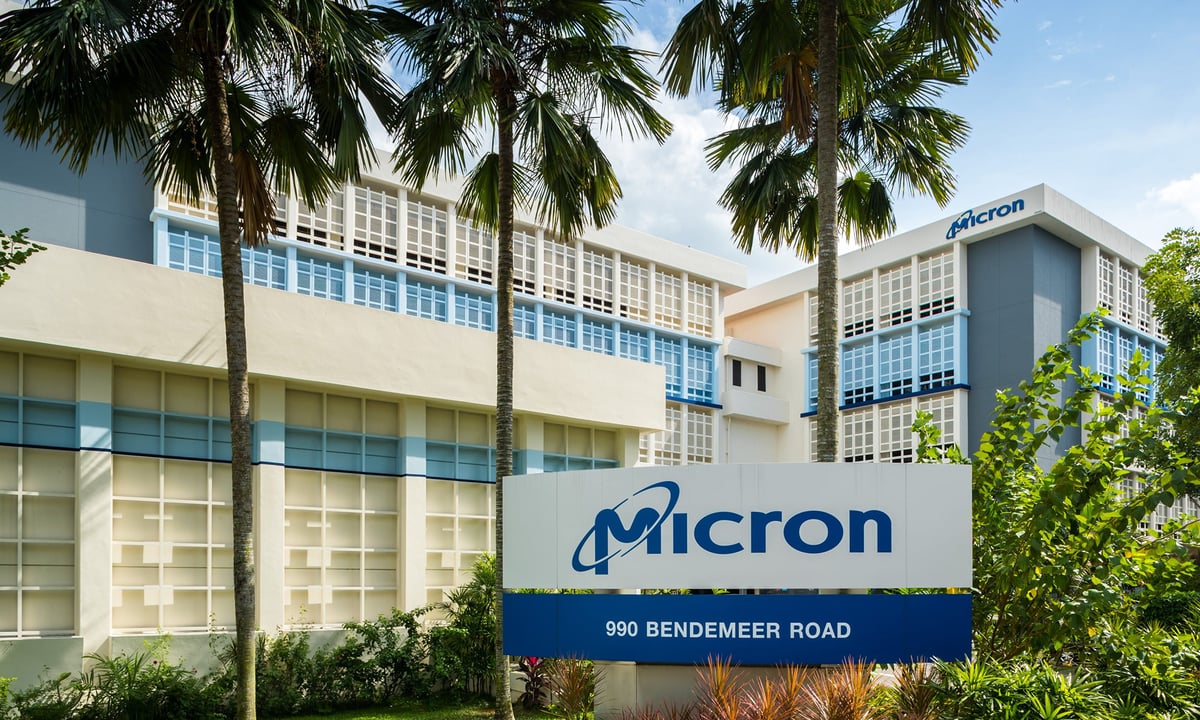
Micron announced it has completed the acquisition and assumed ownership of Powerchip Semiconductor Manufacturing Corporation's P5 site in Tongluo, Miaoli County, Taiwan, under the acquisition agreement previously announced on January 17. The new site will complement Micron's existing operations in Taiwan as an extension of the company's vertically integrated mega campus in Taichung, located approximately 15 miles away. The site includes approximately 300,000 square feet of existing 300mm cleanroom space and will support Micron's efforts to expand supply of DRAM products, including HBM, to meet growing AI-driven demand. Micron began preparations for the new Tongluo site following the deal announcement in January and will begin retrofitting the existing cleanroom now that the transaction has been completed. The new Tongluo site is expected to support meaningful product shipments from the existing fab beginning in fiscal 2028. The company is also planning the next phase of expansion at the site, with construction set to begin by the end of fiscal 2026 on a second facility of comparable scale, adding approximately 270,000 square feet of cleanroom space. "The Tongluo facility complements our Taiwan operations and is a critical component of our global expansion plans," said Manish Bhatia, executive vice president of global operations at Micron Technology. "Memory is a strategic asset that dictates AI product performance, and the acquisition and phased ramp of this site strengthens our ability to capitalize on these significant opportunities. We appreciate the strong collaboration from the Taiwan government, our construction partners, and equipment and materials suppliers to enable and accelerate the ramp of our production capacity at this site."
Trade with 70% Backtested Accuracy
Analyst Views on MU

About MU
About the author


Micron Technology's Low Valuation Requires Proof of Growth Potential

- Valuation Analysis: Micron Technology's forward P/E ratio stands at just 3.3 times, despite tripling its quarterly revenue and increasing gross margin from 36.8% to 74.4%, indicating a significant undervaluation; however, market confidence in its future growth remains to be proven.
- Market Cyclicality: Micron's primary business, DRAM, accounts for 80% of its revenue and has historically experienced significant cyclical fluctuations; while the rise of AI has boosted DRAM demand, the company must demonstrate structural growth drivers to sustain its valuation.
- Growing HBM Demand: The surge in demand for high-bandwidth memory (HBM) linked to AI chip growth has created a DRAM market shortage, driving up Micron's revenue and gross margin, yet the sustainability of this growth remains uncertain.
- Long-term Contract Strategy: Micron is working to secure long-term agreements with HBM customers to mitigate business cyclicality; if it can successfully transition into a long-term AI infrastructure winner, a tripling of its stock price by 2030 is feasible, but this requires enhanced stability and market trust.
U.S. Markets Show Notable Weekly Gains Amid Analyst Upgrades

- UnitedHealth Group Upgrade: Raymond James upgraded UnitedHealth Group (UNH) from Market Perform to Outperform, projecting potential earnings upside of 7.5% to 8% over the next few years, indicating significant growth potential from AI initiatives and margin improvements in Optum Health.
- Akamai Downgrade: Baird downgraded Akamai Technologies (AKAM) from Outperform to Neutral, noting that despite a 33% year-to-date gain, the risk-reward profile has become more balanced, particularly with seasonal factors potentially limiting Q1 upside in its key CIS segment.
- Snowflake Coverage Initiated: Benchmark initiated coverage on Snowflake (SNOW) with a Buy rating and a $190 price target, believing the company will thrive as a leading cloud data warehouse in the ongoing enterprise AI revolution, supported by R&D spending averaging 22.8% of revenue.
- Asana Valuation Upgrade: RBC Capital Markets upgraded Asana (ASAN) from Underperform to Sector Perform, citing a more compelling valuation as it shifts to a consumption-based model, while also noting no significant disruptions from AI alternatives affecting deal cycles or sizes.
Micron Technology's Stock Plummets Despite Positive Outlook
- Market Shift: In 2026, AI stocks that had been leading the market saw a sudden downturn as investors shifted towards value and small-cap stocks, indicating a dramatic change in market sentiment.
- Micron's Low Valuation: Despite Micron Technology's impressive earnings report and robust guidance last month, its stock trades at a forward P/E ratio of under 4 times fiscal 2027 estimates, reflecting market skepticism about its earnings sustainability.
- DRAM Market Dynamics: As one of the top three DRAM manufacturers, Micron benefits from a current shortage that has driven prices up, contributing to its strong performance, yet investors remain doubtful about the longevity of these market dynamics.
- Long-Term Contracts: The three major DRAM makers are signing longer-term HBM contracts of 3 to 5 years, which will raise the floor of the DRAM market and reduce cyclical fluctuations, suggesting that Micron's stock remains a viable investment after this dip.

Micron Technology Stock Plummets Amid Market Rotation
- Stock Plunge: Micron Technology's stock has been severely impacted by the 2026 market rotation, despite reporting strong earnings and guidance last month, with a current forward P/E ratio below 4 times, indicating an extremely cheap valuation, yet investors are skeptical about its earnings sustainability.
- DRAM Market Dynamics: As one of the top three DRAM manufacturers, Micron's low valuation stems from the cyclical nature of the DRAM market; although there is currently a shortage driving prices up, investors doubt the longevity of these dynamics.
- Structural Growth Drivers: The emergence of high bandwidth memory (HBM) is driving the DRAM market, particularly linked to the build-out of AI chip clusters, representing a structural growth factor that contrasts sharply with typical commodity trends and may alter the cyclical nature of the market.
- Long-Term Contracts: The three major DRAM manufacturers are signing 3 to 5-year long-term contracts for HBM with volume commitments, a stark contrast to the previous yearly or quarterly agreements, which is expected to raise the floor of the DRAM market and reduce cyclical fluctuations.

Micron Technology Emerges as a Key Player in AI Chip Market

- Surging Market Demand: As the demand for high-bandwidth memory (HBM) in AI models continues to rise, Micron Technology's stock has surged 309% over the past 12 months, highlighting its critical role in AI infrastructure.
- Growing Capital Expenditure: The five major hyperscalers are projected to spend $700 billion on AI infrastructure by 2026, providing robust market support for Micron's memory and storage chips, further driving its business growth.
- Supply Chain Transformation: Micron not only supplies dynamic random access memory (DRAM) and NAND flash but is also actively expanding its manufacturing capacity to meet the increasing computational demands, thereby solidifying its competitive edge in the AI chip sector.
- Optimistic Industry Outlook: Although Micron's applications are more specialized compared to Nvidia, its importance in the AI revolution is becoming increasingly evident, and it is expected to continue benefiting from the long-term tailwinds of accelerated capital expenditures from big tech.
Micron Technology: Potential New Nvidia?
- AI Chip Market Dynamics: From 2023 to 2025, Nvidia's chipsets became the backbone of generative AI, propelling its market value to the highest globally, although growth investors have shown less interest in big tech in 2026, with Nvidia's stock down 5.2% year-to-date.
- Micron Stock Surge: Micron Technology's shares have risen 27% this year and nearly 309% over the past 12 months, reflecting its strong performance in the AI chip sector, particularly amid surging demand for memory and storage from big tech companies.
- Key Role of Memory and Storage: Micron's dynamic random access memory (DRAM) and NAND flash memory are becoming central to AI infrastructure, with big tech expected to spend $700 billion on AI infrastructure, leading to a sustained increase in demand for Micron's storage chips.
- Future Outlook and Investment Strategy: While Micron's application in AI is more specialized compared to Nvidia's, its growing importance in AI building projects is evident, prompting investors to carefully evaluate opportunities between Micron and the more diversified Nvidia.
Micron Technology's Low Valuation Requires Proof of Growth Potential
- Valuation Analysis: Micron Technology's forward P/E ratio stands at just 3.3 times, despite tripling its quarterly revenue and increasing gross margin from 36.8% to 74.4%, indicating a significant undervaluation; however, market confidence in its future growth remains to be proven.
- Market Cyclicality: Micron's primary business, DRAM, accounts for 80% of its revenue and has historically experienced significant cyclical fluctuations; while the rise of AI has boosted DRAM demand, the company must demonstrate structural growth drivers to sustain its valuation.
- Growing HBM Demand: The surge in demand for high-bandwidth memory (HBM) linked to AI chip growth has created a DRAM market shortage, driving up Micron's revenue and gross margin, yet the sustainability of this growth remains uncertain.
- Long-term Contract Strategy: Micron is working to secure long-term agreements with HBM customers to mitigate business cyclicality; if it can successfully transition into a long-term AI infrastructure winner, a tripling of its stock price by 2030 is feasible, but this requires enhanced stability and market trust.
U.S. Markets Show Notable Weekly Gains Amid Analyst Upgrades
- UnitedHealth Group Upgrade: Raymond James upgraded UnitedHealth Group (UNH) from Market Perform to Outperform, projecting potential earnings upside of 7.5% to 8% over the next few years, indicating significant growth potential from AI initiatives and margin improvements in Optum Health.
- Akamai Downgrade: Baird downgraded Akamai Technologies (AKAM) from Outperform to Neutral, noting that despite a 33% year-to-date gain, the risk-reward profile has become more balanced, particularly with seasonal factors potentially limiting Q1 upside in its key CIS segment.
- Snowflake Coverage Initiated: Benchmark initiated coverage on Snowflake (SNOW) with a Buy rating and a $190 price target, believing the company will thrive as a leading cloud data warehouse in the ongoing enterprise AI revolution, supported by R&D spending averaging 22.8% of revenue.
- Asana Valuation Upgrade: RBC Capital Markets upgraded Asana (ASAN) from Underperform to Sector Perform, citing a more compelling valuation as it shifts to a consumption-based model, while also noting no significant disruptions from AI alternatives affecting deal cycles or sizes.
Micron Technology's Stock Plummets Despite Positive Outlook
- Market Shift: In 2026, AI stocks that had been leading the market saw a sudden downturn as investors shifted towards value and small-cap stocks, indicating a dramatic change in market sentiment.
- Micron's Low Valuation: Despite Micron Technology's impressive earnings report and robust guidance last month, its stock trades at a forward P/E ratio of under 4 times fiscal 2027 estimates, reflecting market skepticism about its earnings sustainability.
- DRAM Market Dynamics: As one of the top three DRAM manufacturers, Micron benefits from a current shortage that has driven prices up, contributing to its strong performance, yet investors remain doubtful about the longevity of these market dynamics.
- Long-Term Contracts: The three major DRAM makers are signing longer-term HBM contracts of 3 to 5 years, which will raise the floor of the DRAM market and reduce cyclical fluctuations, suggesting that Micron's stock remains a viable investment after this dip.
Micron Technology Stock Plummets Amid Market Rotation
- Stock Plunge: Micron Technology's stock has been severely impacted by the 2026 market rotation, despite reporting strong earnings and guidance last month, with a current forward P/E ratio below 4 times, indicating an extremely cheap valuation, yet investors are skeptical about its earnings sustainability.
- DRAM Market Dynamics: As one of the top three DRAM manufacturers, Micron's low valuation stems from the cyclical nature of the DRAM market; although there is currently a shortage driving prices up, investors doubt the longevity of these dynamics.
- Structural Growth Drivers: The emergence of high bandwidth memory (HBM) is driving the DRAM market, particularly linked to the build-out of AI chip clusters, representing a structural growth factor that contrasts sharply with typical commodity trends and may alter the cyclical nature of the market.
- Long-Term Contracts: The three major DRAM manufacturers are signing 3 to 5-year long-term contracts for HBM with volume commitments, a stark contrast to the previous yearly or quarterly agreements, which is expected to raise the floor of the DRAM market and reduce cyclical fluctuations.
Micron Technology Emerges as a Key Player in AI Chip Market
- Surging Market Demand: As the demand for high-bandwidth memory (HBM) in AI models continues to rise, Micron Technology's stock has surged 309% over the past 12 months, highlighting its critical role in AI infrastructure.
- Growing Capital Expenditure: The five major hyperscalers are projected to spend $700 billion on AI infrastructure by 2026, providing robust market support for Micron's memory and storage chips, further driving its business growth.
- Supply Chain Transformation: Micron not only supplies dynamic random access memory (DRAM) and NAND flash but is also actively expanding its manufacturing capacity to meet the increasing computational demands, thereby solidifying its competitive edge in the AI chip sector.
- Optimistic Industry Outlook: Although Micron's applications are more specialized compared to Nvidia, its importance in the AI revolution is becoming increasingly evident, and it is expected to continue benefiting from the long-term tailwinds of accelerated capital expenditures from big tech.
Micron Technology: Potential New Nvidia?
- AI Chip Market Dynamics: From 2023 to 2025, Nvidia's chipsets became the backbone of generative AI, propelling its market value to the highest globally, although growth investors have shown less interest in big tech in 2026, with Nvidia's stock down 5.2% year-to-date.
- Micron Stock Surge: Micron Technology's shares have risen 27% this year and nearly 309% over the past 12 months, reflecting its strong performance in the AI chip sector, particularly amid surging demand for memory and storage from big tech companies.
- Key Role of Memory and Storage: Micron's dynamic random access memory (DRAM) and NAND flash memory are becoming central to AI infrastructure, with big tech expected to spend $700 billion on AI infrastructure, leading to a sustained increase in demand for Micron's storage chips.
- Future Outlook and Investment Strategy: While Micron's application in AI is more specialized compared to Nvidia's, its growing importance in AI building projects is evident, prompting investors to carefully evaluate opportunities between Micron and the more diversified Nvidia.