Meta Platforms Reports 26% Revenue Growth in 2025, AI Investments Raise Market Concerns
Written by Emily J. Thompson, Senior Investment Analyst
Updated: Jan 09 2026
0mins
Should l Buy META?
Source: Fool
- Strong Advertising Business: Meta's overall revenue rose by 26% in 2025, with advertising revenue reaching $50 billion, accounting for 98% of total revenue, showcasing the robust potential of its advertising business enhanced by AI integration, thereby solidifying its market leadership.
- Increased User Engagement: The implementation of generative AI has led to a 5% increase in user time spent on Facebook and a 10% increase on Threads, which not only boosts ad exposure but also potentially drives future revenue growth.
- Surge in Capital Expenditures: Meta expects capital expenditures to reach $70 billion to $72 billion in 2025, a $30 billion increase from 2024, with projections for 2026 exceeding $100 billion, raising concerns in the market regarding its financial health.
- Cash Flow Pressure: Despite generating nearly $110 billion in cash from operations over the past 12 months, most of this cash flow will be devoted to building AI infrastructure, which may impact its short-term financial performance, leading to negative market reactions.
Trade with 70% Backtested Accuracy
Stop guessing "Should I Buy META?" and start using high-conviction signals backed by rigorous historical data.
Sign up today to access powerful investing tools and make smarter, data-driven decisions.
Analyst Views on META
Wall Street analysts forecast META stock price to rise
44 Analyst Rating
37 Buy
6 Hold
1 Sell
Strong Buy
Current: 622.660

Low
655.15
Averages
824.71
High
1117
Current: 622.660
Low
655.15
Averages
824.71
High
1117
About META
Meta Platforms, Inc. is building human connections, powered by artificial intelligence and immersive technologies. The Company's products enable people to connect and share with friends and family through mobile devices, personal computers, virtual reality (VR) and mixed reality (MR) headsets, augmented reality (AR), and wearables. It also helps people discover and learn about what is going on in the world around them, enabling people to share their experiences, ideas, photos, videos, and other content with audiences ranging from their closest family members and friends to the public at large. The Company's segments include Family of Apps (FoA) and Reality Labs (RL). FoA segment includes Facebook, Instagram, Messenger, WhatsApp and Threads. RL segment includes its virtual, augmented, and mixed reality related consumer hardware, software and content. Its product offerings in VR include its Meta Quest devices, as well as software and content available through the Meta Horizon Store.
About the author

Emily J. Thompson
Emily J. Thompson, a Chartered Financial Analyst (CFA) with 12 years in investment research, graduated with honors from the Wharton School. Specializing in industrial and technology stocks, she provides in-depth analysis for Intellectia’s earnings and market brief reports.

Meta's Costs Surge 41%, Profit Growth at Risk

- Cost Surge: Meta's total costs and expenses are projected to skyrocket by 41% year-over-year to $165.5 billion in 2026, a significant acceleration from the 24% increase in 2025, potentially leading to margin compression and impacting investor confidence.
- Weak Revenue Growth: While analysts expect Meta's revenue to rise by 25% this year, the rapid increase in costs means operating income is only set to grow by 3%, resulting in a decline in operating margin from 41% in 2025 to 34%.
- Valuation Impact: Meta's current enterprise value-to-EBIT ratio stands at 19.4, below the 12-month average of 21.4; if valuations recover, there could be a 10% upside in stock price, but overall profit growth remains limited.
- Market Sentiment Fluctuations: Despite the bleak financial outlook, favorable market sentiment could drive stock prices higher in the short term, and if financial performance exceeds expectations, Meta's stock could approach $700 by year-end.
See More
Analysis of Volatility in Tech Stocks

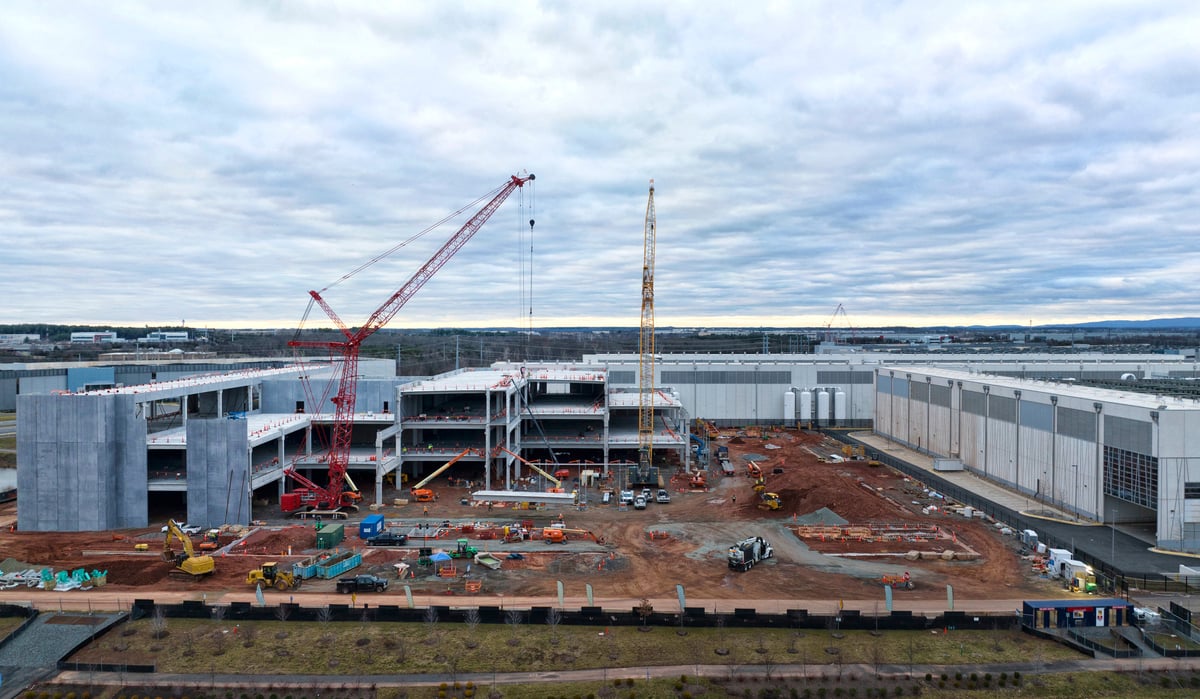
- Market Volatility Reasons: While the Iran war has increased market uncertainty, tech stocks have been declining since before the conflict began on February 28, with the Nasdaq-100 index down over 3% as of March 13, indicating the sector's fragility.
- Capital Expenditure Pressure: The four tech giants—Alphabet, Amazon, Meta, and Microsoft—are projected to spend a combined $410.2 billion on capital expenditures in 2025, with expectations for even higher spending in 2026, raising investor concerns about the returns on such massive investments.
- AI Infrastructure Challenges: Components in AI data centers have short lifespans, as the latest technologies quickly become outdated or fail under heavy usage, leading to investor skepticism regarding whether these substantial expenditures will yield expected returns, further exacerbating market unease.
- Company Financial Health: Despite these challenges, Alphabet reported a net income of $132.2 billion over the trailing 12 months and held $126.8 billion in cash and cash equivalents at the end of 2025, demonstrating strong financial health and indicating that these companies can sustain high levels of investment in AI infrastructure.
See More

Investor Uncertainty Over Tech Spending Amid AI Investments
- Capex Concerns: The four major hyperscalers reported a staggering $410.2 billion in capital expenditures for 2025, raising investor concerns about whether such massive spending will yield adequate returns, which has negatively impacted tech stock performance recently.
- Increased Market Volatility: While the Iran war may heighten market uncertainty, the tech sector has been in decline since before the conflict began on February 28, with the Nasdaq-100 index down over 3% as of March 13.
- Strong Profitability: Despite the pressures of high spending, Alphabet reported a net income of $132.2 billion over the trailing twelve months and held $126.8 billion in cash and cash equivalents at the end of 2025, indicating robust financial health.
- Investment Opportunity: Although investors are apprehensive about the spending on AI infrastructure, those bullish on AI and the tech sector view this as a buy-the-dip opportunity rather than a reason to sell their holdings.
See More
The Real Reason Behind Tech Stocks Struggles


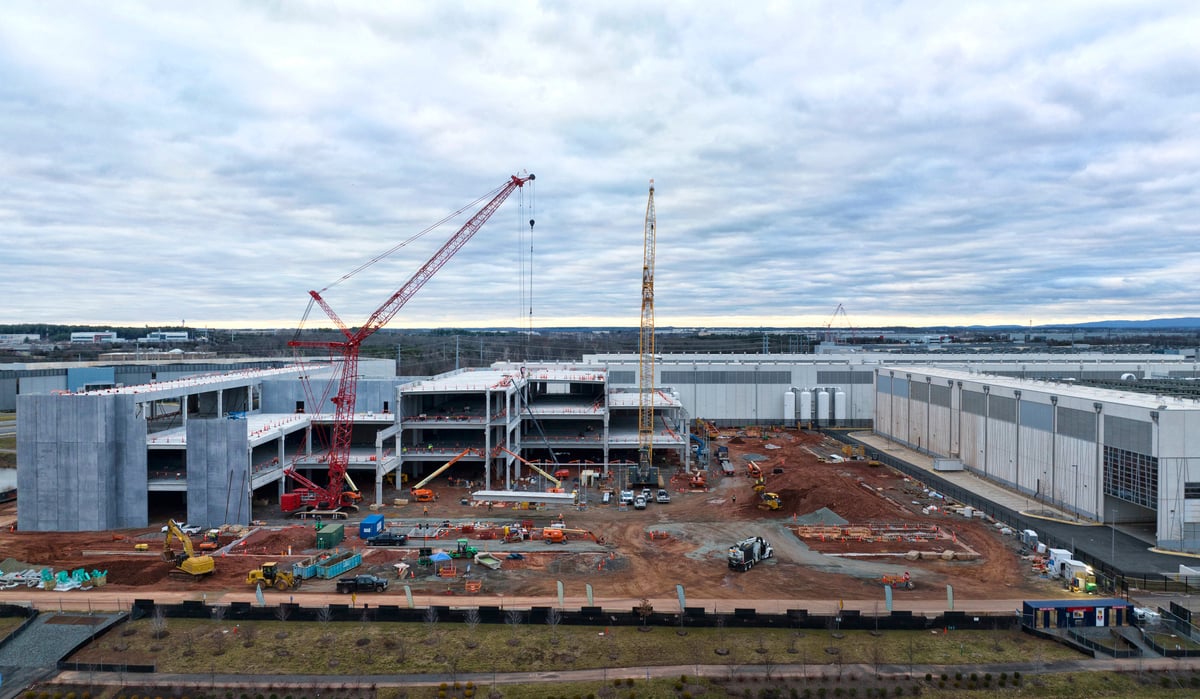
- Capex Pressure: The combined capital expenditures of the four tech giants—Alphabet, Amazon, Meta, and Microsoft—reached $410.2 billion in 2025, with projections for even higher spending in 2026, raising investor concerns about returns and leading to a pullback in tech stocks.
- Increased Market Volatility: While the Iran war may contribute to market uncertainty, the primary driver of the tech sector's decline is the massive capital expenditures on AI infrastructure, with the Nasdaq-100 index down over 3% year-to-date in 2023, indicating weakened investor confidence in tech stocks.
- Profitability Support: Despite the pressures from capital expenditures, Alphabet reported a net income of $132.2 billion over the trailing twelve months and held $126.8 billion in cash and cash equivalents at the end of 2025, demonstrating strong financial health, with Amazon, Meta, and Microsoft also in solid positions.
- Investor Sentiment Shift: As optimism around AI technology wanes, investor confidence in tech stocks has diminished, and while some analysts suggest this presents a “buy-the-dip” opportunity, the overall market sentiment remains cautious, reflecting uncertainty about future returns.
See More

US Stocks Plunge Amid Rising Inflation Pressures

- Market Decline: The S&P 500 Index fell by 1.36%, and the Dow Jones Industrial Average hit a 3.75-month low, indicating a decline in investor confidence due to rising inflation concerns that could impact future market performance.
- Inflation Data Surpasses Expectations: The US February Producer Price Index (PPI) rose by 0.7% month-over-month and 3.4% year-over-year, exceeding forecasts, which suggests persistent price pressures that may influence the Federal Reserve's monetary policy decisions.
- Energy Price Volatility: Crude oil prices have become more volatile due to Iran's attacks on neighboring countries, with the IEA warning that the conflict could disrupt global oil supply by 8 million barrels per day, further heightening inflation expectations.
- Mortgage Applications Decline: US MBA mortgage applications fell by 10.9%, reflecting weakened home-buying demand, while the average 30-year fixed mortgage rate increased to 6.30%, potentially hindering the recovery of the housing market.
See More
Nvidia Restarts H200 Chip Production for China Market

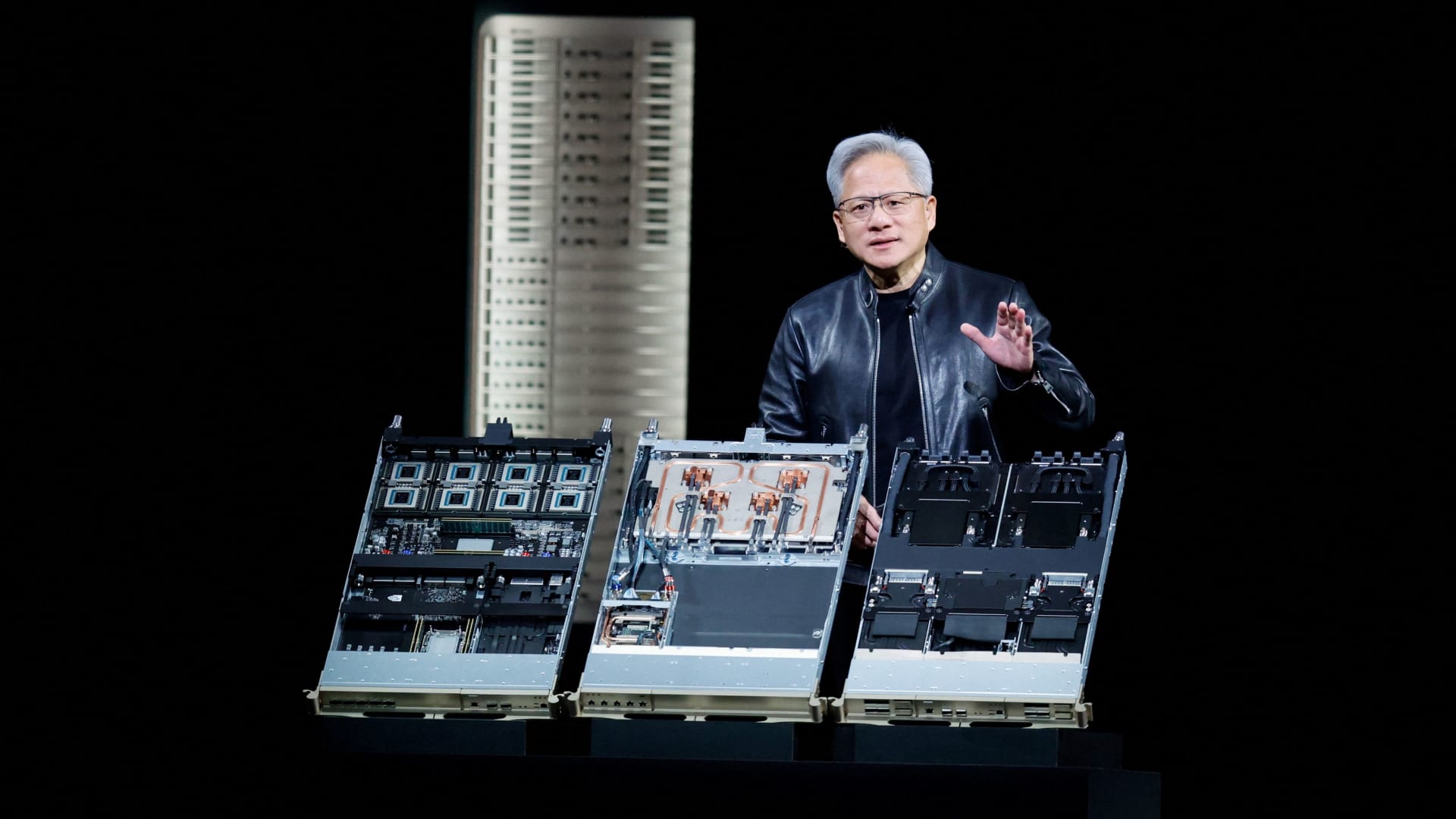
- China Market Opportunity: Nvidia's CEO Jensen Huang announced the restart of H200 AI chip production for the Chinese market after receiving government approval, marking a significant re-entry into a market with substantial growth potential, which is expected to support future sales growth.
- Market Potential Assessment: Analysts estimate that the AI chip market in China represents a $50 billion opportunity, and capturing even a fraction of this market could significantly enhance both management and Wall Street's earnings forecasts, particularly for 2026 and beyond.
- Revenue Forecast Increase: Nvidia's management indicated at the GTC conference that the revenue floor for the 2025 to 2027 period is set at $1 trillion, with analysts suggesting that this figure excludes sales from new CPUs and the Groq chip, potentially raising actual revenue estimates to as high as $1.5 trillion.
- Stock Price Attractiveness: Despite the stock hovering around $180, the decline in forward P/E from 34 to 21 as future earnings estimates rise indicates increased attractiveness compared to the market, providing investors with an opportunity to accumulate shares at current price levels.
See More
Meta's Costs Surge 41%, Profit Growth at Risk
- Cost Surge: Meta's total costs and expenses are projected to skyrocket by 41% year-over-year to $165.5 billion in 2026, a significant acceleration from the 24% increase in 2025, potentially leading to margin compression and impacting investor confidence.
- Weak Revenue Growth: While analysts expect Meta's revenue to rise by 25% this year, the rapid increase in costs means operating income is only set to grow by 3%, resulting in a decline in operating margin from 41% in 2025 to 34%.
- Valuation Impact: Meta's current enterprise value-to-EBIT ratio stands at 19.4, below the 12-month average of 21.4; if valuations recover, there could be a 10% upside in stock price, but overall profit growth remains limited.
- Market Sentiment Fluctuations: Despite the bleak financial outlook, favorable market sentiment could drive stock prices higher in the short term, and if financial performance exceeds expectations, Meta's stock could approach $700 by year-end.
See More
Analysis of Volatility in Tech Stocks
- Market Volatility Reasons: While the Iran war has increased market uncertainty, tech stocks have been declining since before the conflict began on February 28, with the Nasdaq-100 index down over 3% as of March 13, indicating the sector's fragility.
- Capital Expenditure Pressure: The four tech giants—Alphabet, Amazon, Meta, and Microsoft—are projected to spend a combined $410.2 billion on capital expenditures in 2025, with expectations for even higher spending in 2026, raising investor concerns about the returns on such massive investments.
- AI Infrastructure Challenges: Components in AI data centers have short lifespans, as the latest technologies quickly become outdated or fail under heavy usage, leading to investor skepticism regarding whether these substantial expenditures will yield expected returns, further exacerbating market unease.
- Company Financial Health: Despite these challenges, Alphabet reported a net income of $132.2 billion over the trailing 12 months and held $126.8 billion in cash and cash equivalents at the end of 2025, demonstrating strong financial health and indicating that these companies can sustain high levels of investment in AI infrastructure.
See More
Investor Uncertainty Over Tech Spending Amid AI Investments
- Capex Concerns: The four major hyperscalers reported a staggering $410.2 billion in capital expenditures for 2025, raising investor concerns about whether such massive spending will yield adequate returns, which has negatively impacted tech stock performance recently.
- Increased Market Volatility: While the Iran war may heighten market uncertainty, the tech sector has been in decline since before the conflict began on February 28, with the Nasdaq-100 index down over 3% as of March 13.
- Strong Profitability: Despite the pressures of high spending, Alphabet reported a net income of $132.2 billion over the trailing twelve months and held $126.8 billion in cash and cash equivalents at the end of 2025, indicating robust financial health.
- Investment Opportunity: Although investors are apprehensive about the spending on AI infrastructure, those bullish on AI and the tech sector view this as a buy-the-dip opportunity rather than a reason to sell their holdings.
See More
The Real Reason Behind Tech Stocks Struggles
- Capex Pressure: The combined capital expenditures of the four tech giants—Alphabet, Amazon, Meta, and Microsoft—reached $410.2 billion in 2025, with projections for even higher spending in 2026, raising investor concerns about returns and leading to a pullback in tech stocks.
- Increased Market Volatility: While the Iran war may contribute to market uncertainty, the primary driver of the tech sector's decline is the massive capital expenditures on AI infrastructure, with the Nasdaq-100 index down over 3% year-to-date in 2023, indicating weakened investor confidence in tech stocks.
- Profitability Support: Despite the pressures from capital expenditures, Alphabet reported a net income of $132.2 billion over the trailing twelve months and held $126.8 billion in cash and cash equivalents at the end of 2025, demonstrating strong financial health, with Amazon, Meta, and Microsoft also in solid positions.
- Investor Sentiment Shift: As optimism around AI technology wanes, investor confidence in tech stocks has diminished, and while some analysts suggest this presents a “buy-the-dip” opportunity, the overall market sentiment remains cautious, reflecting uncertainty about future returns.
See More
US Stocks Plunge Amid Rising Inflation Pressures
- Market Decline: The S&P 500 Index fell by 1.36%, and the Dow Jones Industrial Average hit a 3.75-month low, indicating a decline in investor confidence due to rising inflation concerns that could impact future market performance.
- Inflation Data Surpasses Expectations: The US February Producer Price Index (PPI) rose by 0.7% month-over-month and 3.4% year-over-year, exceeding forecasts, which suggests persistent price pressures that may influence the Federal Reserve's monetary policy decisions.
- Energy Price Volatility: Crude oil prices have become more volatile due to Iran's attacks on neighboring countries, with the IEA warning that the conflict could disrupt global oil supply by 8 million barrels per day, further heightening inflation expectations.
- Mortgage Applications Decline: US MBA mortgage applications fell by 10.9%, reflecting weakened home-buying demand, while the average 30-year fixed mortgage rate increased to 6.30%, potentially hindering the recovery of the housing market.
See More
Nvidia Restarts H200 Chip Production for China Market
- China Market Opportunity: Nvidia's CEO Jensen Huang announced the restart of H200 AI chip production for the Chinese market after receiving government approval, marking a significant re-entry into a market with substantial growth potential, which is expected to support future sales growth.
- Market Potential Assessment: Analysts estimate that the AI chip market in China represents a $50 billion opportunity, and capturing even a fraction of this market could significantly enhance both management and Wall Street's earnings forecasts, particularly for 2026 and beyond.
- Revenue Forecast Increase: Nvidia's management indicated at the GTC conference that the revenue floor for the 2025 to 2027 period is set at $1 trillion, with analysts suggesting that this figure excludes sales from new CPUs and the Groq chip, potentially raising actual revenue estimates to as high as $1.5 trillion.
- Stock Price Attractiveness: Despite the stock hovering around $180, the decline in forward P/E from 34 to 21 as future earnings estimates rise indicates increased attractiveness compared to the market, providing investors with an opportunity to accumulate shares at current price levels.
See More