Massachusetts Ride-Share Drivers Form Union, Marking Historic Labor Milestone
Written by Emily J. Thompson, Senior Investment Analyst
Updated: 41 minutes ago
0mins
Source: Newsfilter
- Union Formation: Ride-share drivers in Massachusetts have formed the first officially recognized union in the U.S., representing nearly 70,000 independent contractors, marking a new era of worker organization that could inspire nationwide unionization efforts.
- Innovative Legal Framework: The passage of a ballot measure in November 2024 allows ride-share drivers to organize and collectively bargain over pay and benefits, fundamentally changing their labor rights and raising industry standards.
- Minimum Wage Standard: Massachusetts Attorney General secured a settlement with Uber and Lyft mandating a $32.50 hourly minimum wage for drivers and a $175 million payout to resolve claims of misclassification, further securing drivers' economic interests.
- Industry Impact: The establishment of this union is seen as a key victory for unionization efforts in other states, particularly as similar legislation is advancing in California and Illinois, potentially triggering a nationwide transformation in labor rights.
Trade with 70% Backtested Accuracy
Stop guessing "Should I Buy UBER?" and start using high-conviction signals backed by rigorous historical data.
Sign up today to access powerful investing tools and make smarter, data-driven decisions.
Analyst Views on UBER
Wall Street analysts forecast UBER stock price to rise
32 Analyst Rating
28 Buy
3 Hold
1 Sell
Strong Buy
Current: 71.820

Low
72.00
Averages
107.10
High
150.00
Current: 71.820
Low
72.00
Averages
107.10
High
150.00
About UBER
Uber Technologies, Inc. operates a technology platform that uses network and technology to power movement from point A to point B. It develops and operates technology applications supporting a variety of offerings on its platform (platform(s)). Its segments include Mobility, Delivery and Freight. Mobility products connect consumers with drivers who provide rides in a variety of vehicles, such as cars, auto rickshaws, motorbikes, minibuses, or taxis. Delivery offerings allow consumers to search for and discover local restaurants, order a meal, and either pick-up at the restaurant or have the meal delivered. In certain markets, the Delivery segment provides offerings for grocery, alcohol, and convenience store delivery as well as select other goods. The Freight segment connects carriers with shippers on its platform, and gives carriers upfront, pricing and the ability to book a shipment. The Freight segment also includes transportation management and other logistics service offerings.
About the author

Emily J. Thompson
Emily J. Thompson, a Chartered Financial Analyst (CFA) with 12 years in investment research, graduated with honors from the Wharton School. Specializing in industrial and technology stocks, she provides in-depth analysis for Intellectia’s earnings and market brief reports.

Delivery Hero Confirms Uber's €33 Share Acquisition Proposal

- Acquisition Proposal Confirmation: Delivery Hero SE confirmed that Uber made an indicative proposal of €33 per share, indicating market interest in the company's future and potentially influencing shareholder decisions.
- Strategic Review Ongoing: Despite the acquisition proposal, Delivery Hero stated it remains focused on its strategic review process, demonstrating the company's commitment to decisive action in the face of external pressures.
- Stock Price Increase: As of May 22, DHER.DE closed at €33.59, up €0.62 or 1.88% from the previous trading day, reflecting a positive market reaction to the acquisition news.
- Positive Market Reaction: Uber's acquisition proposal has garnered significant market attention, and Delivery Hero's stock performance may impact its future financing and investment strategies, further solidifying its position in the competitive food delivery market.
See More
Uber vs. Lyft: Competitive Dynamics Amid AI Changes
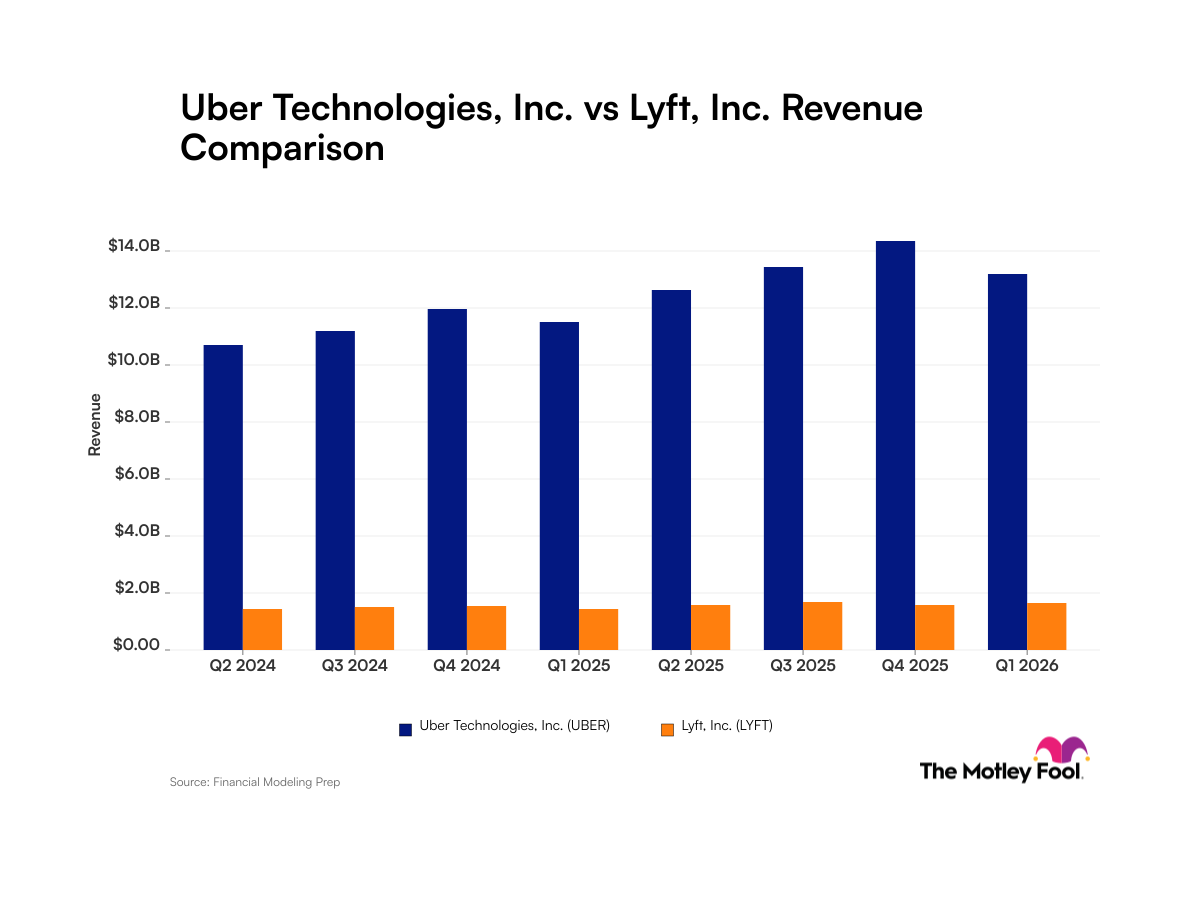
- Uber Revenue Growth: Uber reported a 21% year-over-year revenue increase in Q1, reaching $10.7 billion, showcasing its strong performance in the global market while expanding into robotaxi and hotel booking services to solidify its market position.
- Lyft Steady Growth: Lyft's revenue grew 14% year-over-year in Q1 to $1.4 billion, despite an operating loss of $5.3 million; however, its acquisition of Gett U.K. aims to penetrate higher-value segments in the London market, enhancing its competitive edge.
- Market Size Comparison: Uber's annual revenue exceeds $53 billion, significantly outpacing Lyft's $6.5 billion, highlighting Uber's advantages in scale and global reach, positioning it favorably in the future AI-driven transportation landscape.
- Future Growth Opportunities: Uber's network of 30 partners will facilitate the expansion of robotaxi services to 15 cities by the end of 2026, while Lyft's integration with Google's Waymo may provide growth potential, although its discounted share price suggests greater upside, contingent on its ability to accelerate revenue growth.
See More

Massachusetts Ride-Share Drivers Form Union, Marking Historic Labor Milestone
- Union Formation: Ride-share drivers in Massachusetts have formed the first officially recognized union in the U.S., representing nearly 70,000 independent contractors, marking a new era of worker organization that could inspire nationwide unionization efforts.
- Innovative Legal Framework: The passage of a ballot measure in November 2024 allows ride-share drivers to organize and collectively bargain over pay and benefits, fundamentally changing their labor rights and raising industry standards.
- Minimum Wage Standard: Massachusetts Attorney General secured a settlement with Uber and Lyft mandating a $32.50 hourly minimum wage for drivers and a $175 million payout to resolve claims of misclassification, further securing drivers' economic interests.
- Industry Impact: The establishment of this union is seen as a key victory for unionization efforts in other states, particularly as similar legislation is advancing in California and Illinois, potentially triggering a nationwide transformation in labor rights.
See More
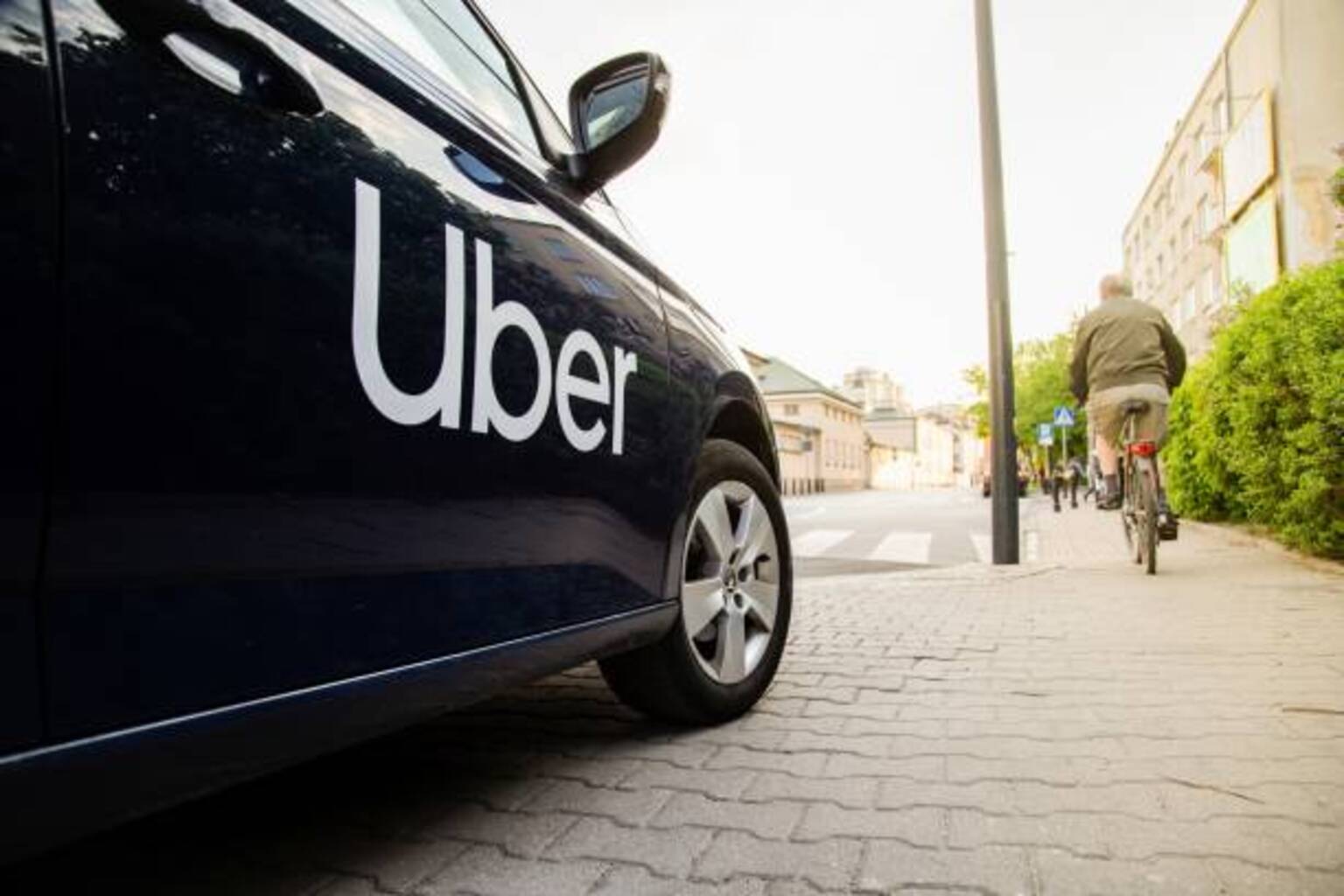
Massachusetts Establishes First App Drivers Union
- Union Formation: The App Drivers Union, officially certified in Massachusetts, becomes the first union in the U.S. for Uber and Lyft drivers, representing approximately 70,000 app-based drivers in collective bargaining, marking a significant milestone in driver rights protection.
- Support Exceeds Expectations: The union garnered support from 32% of active rideshare drivers, significantly surpassing the 25% threshold required by state law for certification, indicating a strong demand among drivers for better pay and fair treatment, which could drive industry change.
- Union Backing: The App Drivers Union is supported by the powerful 32BJ Service Employees International Union and the International Association of Machinists and Aerospace Workers, enhancing its bargaining power and influence, signaling an increase in driver representation within the industry.
- Market Reaction: Over the past six weeks, shares of Uber and Lyft have declined by 5.7% and 5.2%, respectively, reflecting market concerns regarding the driver rights movement and its potential impact, which may lead to significant changes in the companies' operational models.
See More

Musk's Business Empire Set for Consolidation


- Business Consolidation Expected: Elon Musk is anticipated to consolidate his various businesses into a single entity, having already merged SpaceX with xAI, which acquired social media company X, indicating a strategic push that could enhance overall operational efficiency.
- Amazon's Valuation Challenge: With a current market cap of $2.85 trillion, Amazon is projected to surpass $3 trillion next year, thereby exceeding the combined valuations of SpaceX and Tesla, reflecting its robust growth potential in retail and cloud computing.
- Accelerating Cloud Growth: Amazon's cloud computing division, AWS, has seen revenue growth accelerate over the past three quarters, primarily driven by increased capital expenditure, which is expected to continue propelling revenue growth and solidifying its market leadership.
- Tesla Faces Competitive Pressure: Tesla's valuation is heavily reliant on its robotaxi business, yet it faces significant competition from rivals like Waymo, which may impact its market performance and valuation stability in the future.
See More

SpaceX Plans IPO with $1.75 Trillion Valuation
- IPO Valuation: SpaceX is set to go public with a valuation of $1.75 trillion, positioning it as one of the most valuable companies globally and further solidifying Elon Musk's leadership in the aerospace and technology sectors.
- Tesla Market Performance: Tesla's market cap stands at approximately $1.6 trillion, and despite facing fierce competition, its potential in the electric vehicle and robotaxi markets continues to attract investors, indicating strong growth expectations.
- Amazon's Competitiveness: Amazon, currently valued at $2.85 trillion, must exceed $3 trillion to surpass the combined valuation of SpaceX and Tesla; however, its robust growth in retail and cloud computing, coupled with high margins, positions it well for this challenge.
- Future Outlook: While the valuations of SpaceX and Tesla are based on anticipated future earnings, the market's optimism regarding their potential market shares may influence their stock performance in the coming years, especially as competition intensifies in technology and innovation sectors.
See More
Delivery Hero Confirms Uber's €33 Share Acquisition Proposal
- Acquisition Proposal Confirmation: Delivery Hero SE confirmed that Uber made an indicative proposal of €33 per share, indicating market interest in the company's future and potentially influencing shareholder decisions.
- Strategic Review Ongoing: Despite the acquisition proposal, Delivery Hero stated it remains focused on its strategic review process, demonstrating the company's commitment to decisive action in the face of external pressures.
- Stock Price Increase: As of May 22, DHER.DE closed at €33.59, up €0.62 or 1.88% from the previous trading day, reflecting a positive market reaction to the acquisition news.
- Positive Market Reaction: Uber's acquisition proposal has garnered significant market attention, and Delivery Hero's stock performance may impact its future financing and investment strategies, further solidifying its position in the competitive food delivery market.
See More
Uber vs. Lyft: Competitive Dynamics Amid AI Changes
- Uber Revenue Growth: Uber reported a 21% year-over-year revenue increase in Q1, reaching $10.7 billion, showcasing its strong performance in the global market while expanding into robotaxi and hotel booking services to solidify its market position.
- Lyft Steady Growth: Lyft's revenue grew 14% year-over-year in Q1 to $1.4 billion, despite an operating loss of $5.3 million; however, its acquisition of Gett U.K. aims to penetrate higher-value segments in the London market, enhancing its competitive edge.
- Market Size Comparison: Uber's annual revenue exceeds $53 billion, significantly outpacing Lyft's $6.5 billion, highlighting Uber's advantages in scale and global reach, positioning it favorably in the future AI-driven transportation landscape.
- Future Growth Opportunities: Uber's network of 30 partners will facilitate the expansion of robotaxi services to 15 cities by the end of 2026, while Lyft's integration with Google's Waymo may provide growth potential, although its discounted share price suggests greater upside, contingent on its ability to accelerate revenue growth.
See More
Massachusetts Ride-Share Drivers Form Union, Marking Historic Labor Milestone
- Union Formation: Ride-share drivers in Massachusetts have formed the first officially recognized union in the U.S., representing nearly 70,000 independent contractors, marking a new era of worker organization that could inspire nationwide unionization efforts.
- Innovative Legal Framework: The passage of a ballot measure in November 2024 allows ride-share drivers to organize and collectively bargain over pay and benefits, fundamentally changing their labor rights and raising industry standards.
- Minimum Wage Standard: Massachusetts Attorney General secured a settlement with Uber and Lyft mandating a $32.50 hourly minimum wage for drivers and a $175 million payout to resolve claims of misclassification, further securing drivers' economic interests.
- Industry Impact: The establishment of this union is seen as a key victory for unionization efforts in other states, particularly as similar legislation is advancing in California and Illinois, potentially triggering a nationwide transformation in labor rights.
See More
Massachusetts Establishes First App Drivers Union
- Union Formation: The App Drivers Union, officially certified in Massachusetts, becomes the first union in the U.S. for Uber and Lyft drivers, representing approximately 70,000 app-based drivers in collective bargaining, marking a significant milestone in driver rights protection.
- Support Exceeds Expectations: The union garnered support from 32% of active rideshare drivers, significantly surpassing the 25% threshold required by state law for certification, indicating a strong demand among drivers for better pay and fair treatment, which could drive industry change.
- Union Backing: The App Drivers Union is supported by the powerful 32BJ Service Employees International Union and the International Association of Machinists and Aerospace Workers, enhancing its bargaining power and influence, signaling an increase in driver representation within the industry.
- Market Reaction: Over the past six weeks, shares of Uber and Lyft have declined by 5.7% and 5.2%, respectively, reflecting market concerns regarding the driver rights movement and its potential impact, which may lead to significant changes in the companies' operational models.
See More
Musk's Business Empire Set for Consolidation
- Business Consolidation Expected: Elon Musk is anticipated to consolidate his various businesses into a single entity, having already merged SpaceX with xAI, which acquired social media company X, indicating a strategic push that could enhance overall operational efficiency.
- Amazon's Valuation Challenge: With a current market cap of $2.85 trillion, Amazon is projected to surpass $3 trillion next year, thereby exceeding the combined valuations of SpaceX and Tesla, reflecting its robust growth potential in retail and cloud computing.
- Accelerating Cloud Growth: Amazon's cloud computing division, AWS, has seen revenue growth accelerate over the past three quarters, primarily driven by increased capital expenditure, which is expected to continue propelling revenue growth and solidifying its market leadership.
- Tesla Faces Competitive Pressure: Tesla's valuation is heavily reliant on its robotaxi business, yet it faces significant competition from rivals like Waymo, which may impact its market performance and valuation stability in the future.
See More
SpaceX Plans IPO with $1.75 Trillion Valuation
- IPO Valuation: SpaceX is set to go public with a valuation of $1.75 trillion, positioning it as one of the most valuable companies globally and further solidifying Elon Musk's leadership in the aerospace and technology sectors.
- Tesla Market Performance: Tesla's market cap stands at approximately $1.6 trillion, and despite facing fierce competition, its potential in the electric vehicle and robotaxi markets continues to attract investors, indicating strong growth expectations.
- Amazon's Competitiveness: Amazon, currently valued at $2.85 trillion, must exceed $3 trillion to surpass the combined valuation of SpaceX and Tesla; however, its robust growth in retail and cloud computing, coupled with high margins, positions it well for this challenge.
- Future Outlook: While the valuations of SpaceX and Tesla are based on anticipated future earnings, the market's optimism regarding their potential market shares may influence their stock performance in the coming years, especially as competition intensifies in technology and innovation sectors.
See More