

Market FOMO Phenomenon Warns Investors
Written by Emily J. Thompson, Senior Investment Analyst
Updated: 1 hour ago
0mins
Source: seekingalpha
- Market Greed Signal: Charles Bobrinskoy, vice chairman of Ariel Investments, warns that Intel's (INTC) stunning stock surge has triggered a FOMO phenomenon in the market, indicating excessive investor greed that could lead to bubble risks.
- Investor Sentiment Analysis: Bobrinskoy notes classic signs of euphoria, such as cab drivers discussing AI achievements and family members urging more tech investments, which suggest heightened investor sentiment that may affect rational decision-making.
- Contrarian Investment Strategy: He emphasizes the importance of contrarian investing, advising investors to buy when others are selling and sell when others are buying to avoid chasing prices at market peaks, thereby reducing investment risks.
- Energy Stock Outlook: In the energy sector, Bobrinskoy highlights SLB (SLB) and Chevron (CVX) as well-positioned to benefit from developments in Venezuela, although he cautions that SLB trades at nearly 20x earnings, indicating a relatively high valuation risk.
Trade with 70% Backtested Accuracy
Stop guessing "Should I Buy INTC?" and start using high-conviction signals backed by rigorous historical data.
Sign up today to access powerful investing tools and make smarter, data-driven decisions.
Analyst Views on INTC
Wall Street analysts forecast INTC stock price to fall
29 Analyst Rating
5 Buy
19 Hold
5 Sell
Hold
Current: 121.100

Low
20.00
Averages
39.30
High
52.00
Current: 121.100
Low
20.00
Averages
39.30
High
52.00
About INTC
Intel Corporation is a global designer and manufacturer of semiconductor products. The Company's segments include Intel Products, Intel Foundry, and All Other. Its Intel Products comprise Client Computing Group (CCG) and Data Center and AI (DCAI). CCG delivers platforms and processors that power PCs and edge devices, enabling enhanced performance, connectivity and user experience for consumer and commercial markets with capabilities that also support retail, industrial robotics and AI ecosystems at the edge. DCAI delivers workload-optimized solutions based upon its x86 architecture for data centers, including CPUs, AI accelerators, NICs, IPUs and custom ASICs, enabling performance and scalability for cloud, enterprise, telecommunication and HPC environments. The Intel Foundry segment comprises technology development, manufacturing and foundry services, developing new semiconductor process technologies and advanced packaging technologies. All Other segments include Mobileye and Other.
About the author

Emily J. Thompson
Emily J. Thompson, a Chartered Financial Analyst (CFA) with 12 years in investment research, graduated with honors from the Wharton School. Specializing in industrial and technology stocks, she provides in-depth analysis for Intellectia’s earnings and market brief reports.
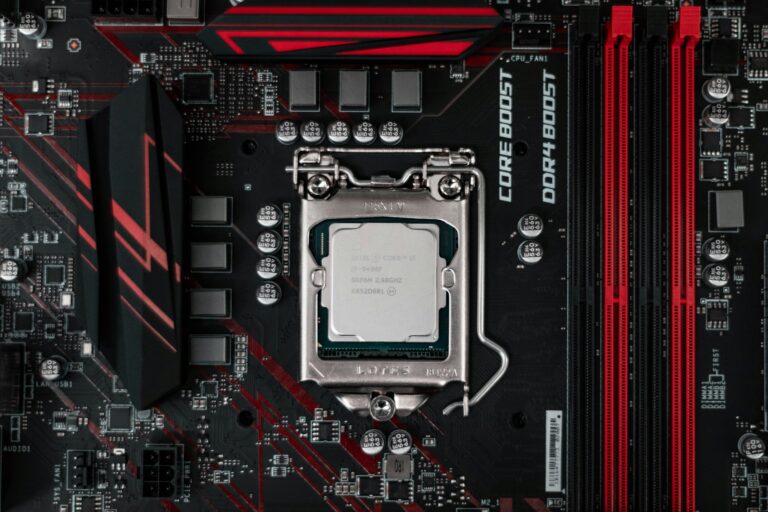
Intel's 18A Manufacturing Process Enters Risk Production Amid Strong Demand

- New Process Launch: Intel announced that its 18A manufacturing process has entered risk production, indicating the company's commitment to manufacturing and potentially attracting external customer interest, thereby enhancing its market competitiveness.
- Performance Improvement: Compared to 18A, the 18A-P delivers a 9% performance increase at the same power level or an 18% reduction in power consumption at the same processing speed, which will enhance product market appeal and meet customer demand for high-performance chips.
- Strong Customer Demand: In the first quarter, demand for Intel's central processors surged, particularly from companies offering AI services, leading to sales of chips that were originally slated for write-off, demonstrating strong market demand for its products.
- Revenue Forecast Upgrade: Intel forecasts second-quarter revenue between $13.8 billion and $14.8 billion, exceeding the market estimate of $13.07 billion, reflecting the company's robust performance in the rapidly growing AI market.
See More
Market FOMO Phenomenon Warns Investors
- Market Greed Signal: Charles Bobrinskoy, vice chairman of Ariel Investments, warns that Intel's (INTC) stunning stock surge has triggered a FOMO phenomenon in the market, indicating excessive investor greed that could lead to bubble risks.
- Investor Sentiment Analysis: Bobrinskoy notes classic signs of euphoria, such as cab drivers discussing AI achievements and family members urging more tech investments, which suggest heightened investor sentiment that may affect rational decision-making.
- Contrarian Investment Strategy: He emphasizes the importance of contrarian investing, advising investors to buy when others are selling and sell when others are buying to avoid chasing prices at market peaks, thereby reducing investment risks.
- Energy Stock Outlook: In the energy sector, Bobrinskoy highlights SLB (SLB) and Chevron (CVX) as well-positioned to benefit from developments in Venezuela, although he cautions that SLB trades at nearly 20x earnings, indicating a relatively high valuation risk.
See More

US Stocks Rebound: Tech Sector Leads Market Recovery


- Market Rebound: Following Wednesday's hawkish Fed surprise, the S&P 500 rose by 1% on Thursday, bouncing back from a 1.2% decline, indicating a renewed optimism about the economic outlook.
- Tech Sector Surge: Driven by bullish semiconductor news, the Nasdaq Composite increased by 1.5%, with Intel's stock soaring 10.4%, reflecting heightened investor confidence in American chip manufacturing.
- Geopolitical Impact: President Trump signed an interim peace deal with Iran, reopening the Strait of Hormuz for 12.5 million barrels of oil to pass safely over the next 60 days, although this has put downward pressure on oil prices.
- Divergent Stock Performances: While Caterpillar's 3.3% gain contributed 192 points to the Dow, IBM's 5% drop weighed on overall performance, highlighting the mixed reactions across different sectors in the market.
See More
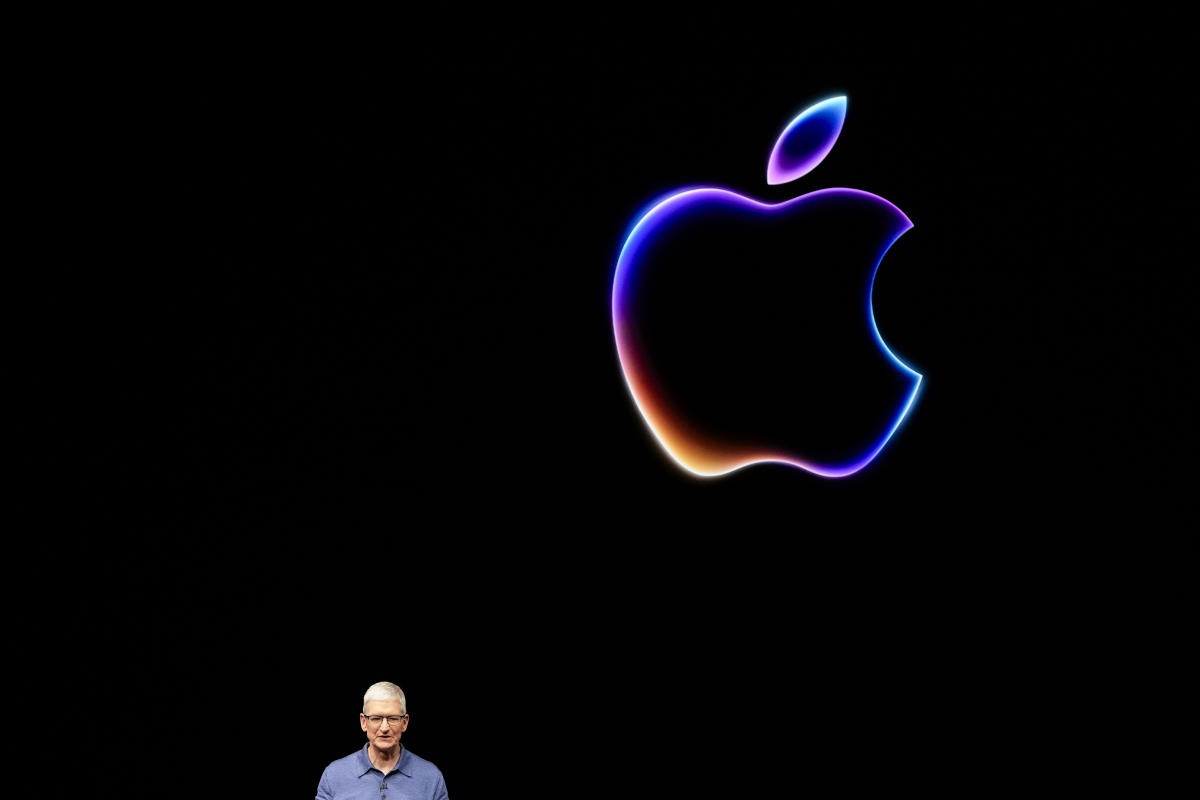
Trump Signs Interim Peace Deal with Iran, Impacting Oil and Tech Stocks
- Iran Peace Agreement: President Trump signed an interim peace deal at the Palace of Versailles, reopening the Strait of Hormuz for 12.5 million barrels of oil to pass safely over the next 60 days, although sanctions remain in place, which could lead to increased global supply and impact oil prices and market sentiment.
- Tech Stock Surge: Trump's social media announcement of a partnership between Apple and Intel to build chips in America, despite lacking corporate confirmation, resulted in Intel's stock jumping 10.4%, boosting the entire semiconductor sector and reflecting market optimism towards tech collaborations.
- Market Volatility: The Nasdaq Composite rose 1.5%, but SpaceX's stock fell 9.9%, dragging down the Nasdaq-100 index, indicating volatility and uncertainty among new market entrants, prompting investors to stay alert to market dynamics.
- Macroeconomic Impact: The Dow Jones Industrial Average gained only 0.4%, highlighting pressure on traditional sectors like IBM amidst a strong rebound in tech stocks, reflecting market differentiation in sector performance and investor focus.
See More

Apple Partners with Intel to Expand U.S. Supply Chain
- Supply Chain Expansion: Apple has partnered with Intel to enhance domestic chip design and manufacturing capabilities in the U.S. to address rising AI demand, thereby improving supply chain security.
- Diversification Strategy: Apple is considering U.S. foundries for chip production, which will help secure domestic capacity during the multiyear AI cycle, further deepening its manufacturing diversification in Vietnam, India, and the U.S.
- Price Adjustment Expectations: Analysts indicate that Apple may raise product prices later this year to offset rising memory and storage costs impacting margins, demonstrating the company's resilience in managing increased expenses.
- Sustained Growth Outlook: Wedbush maintains an Outperform rating on Apple with a $400 price target, anticipating that the upcoming device cycle will further enhance the company's market performance.
See More

Nvidia Dominates AI Investment Landscape


- Shifting Capex Trends: By 2030, spending on AI chips and GPUs is expected to rise to 60% of total expenditures, indicating that Nvidia's central role in the AI market will be further solidified as data center infrastructure spending declines.
- Surging Market Demand: JPMorgan forecasts over $3 trillion in financing for AI chips and essential hardware components over the next five years, with silicon spending projected to increase from $340 billion in 2026 to $800 billion, reflecting strong demand for Nvidia's products.
- Significant Revenue Growth: Nvidia reported $81.6 billion in revenue for the fiscal first quarter of 2024, an 85% increase year-over-year, highlighting the company's unique positioning at the center of the AI transition, with future GPU spending expected to drive further growth.
- Shipping Volume Expectations: JPMorgan anticipates Nvidia will ship 8.9 million GPUs this year, significantly outpacing Google's 4.5 million TPUs and Amazon's 1.9 million Inferenta and Trainium chips, showcasing its robust competitive edge in the AI hardware market.
See More
Intel's 18A Manufacturing Process Enters Risk Production Amid Strong Demand
- New Process Launch: Intel announced that its 18A manufacturing process has entered risk production, indicating the company's commitment to manufacturing and potentially attracting external customer interest, thereby enhancing its market competitiveness.
- Performance Improvement: Compared to 18A, the 18A-P delivers a 9% performance increase at the same power level or an 18% reduction in power consumption at the same processing speed, which will enhance product market appeal and meet customer demand for high-performance chips.
- Strong Customer Demand: In the first quarter, demand for Intel's central processors surged, particularly from companies offering AI services, leading to sales of chips that were originally slated for write-off, demonstrating strong market demand for its products.
- Revenue Forecast Upgrade: Intel forecasts second-quarter revenue between $13.8 billion and $14.8 billion, exceeding the market estimate of $13.07 billion, reflecting the company's robust performance in the rapidly growing AI market.
See More
Market FOMO Phenomenon Warns Investors
- Market Greed Signal: Charles Bobrinskoy, vice chairman of Ariel Investments, warns that Intel's (INTC) stunning stock surge has triggered a FOMO phenomenon in the market, indicating excessive investor greed that could lead to bubble risks.
- Investor Sentiment Analysis: Bobrinskoy notes classic signs of euphoria, such as cab drivers discussing AI achievements and family members urging more tech investments, which suggest heightened investor sentiment that may affect rational decision-making.
- Contrarian Investment Strategy: He emphasizes the importance of contrarian investing, advising investors to buy when others are selling and sell when others are buying to avoid chasing prices at market peaks, thereby reducing investment risks.
- Energy Stock Outlook: In the energy sector, Bobrinskoy highlights SLB (SLB) and Chevron (CVX) as well-positioned to benefit from developments in Venezuela, although he cautions that SLB trades at nearly 20x earnings, indicating a relatively high valuation risk.
See More
US Stocks Rebound: Tech Sector Leads Market Recovery
- Market Rebound: Following Wednesday's hawkish Fed surprise, the S&P 500 rose by 1% on Thursday, bouncing back from a 1.2% decline, indicating a renewed optimism about the economic outlook.
- Tech Sector Surge: Driven by bullish semiconductor news, the Nasdaq Composite increased by 1.5%, with Intel's stock soaring 10.4%, reflecting heightened investor confidence in American chip manufacturing.
- Geopolitical Impact: President Trump signed an interim peace deal with Iran, reopening the Strait of Hormuz for 12.5 million barrels of oil to pass safely over the next 60 days, although this has put downward pressure on oil prices.
- Divergent Stock Performances: While Caterpillar's 3.3% gain contributed 192 points to the Dow, IBM's 5% drop weighed on overall performance, highlighting the mixed reactions across different sectors in the market.
See More
Trump Signs Interim Peace Deal with Iran, Impacting Oil and Tech Stocks
- Iran Peace Agreement: President Trump signed an interim peace deal at the Palace of Versailles, reopening the Strait of Hormuz for 12.5 million barrels of oil to pass safely over the next 60 days, although sanctions remain in place, which could lead to increased global supply and impact oil prices and market sentiment.
- Tech Stock Surge: Trump's social media announcement of a partnership between Apple and Intel to build chips in America, despite lacking corporate confirmation, resulted in Intel's stock jumping 10.4%, boosting the entire semiconductor sector and reflecting market optimism towards tech collaborations.
- Market Volatility: The Nasdaq Composite rose 1.5%, but SpaceX's stock fell 9.9%, dragging down the Nasdaq-100 index, indicating volatility and uncertainty among new market entrants, prompting investors to stay alert to market dynamics.
- Macroeconomic Impact: The Dow Jones Industrial Average gained only 0.4%, highlighting pressure on traditional sectors like IBM amidst a strong rebound in tech stocks, reflecting market differentiation in sector performance and investor focus.
See More
Apple Partners with Intel to Expand U.S. Supply Chain
- Supply Chain Expansion: Apple has partnered with Intel to enhance domestic chip design and manufacturing capabilities in the U.S. to address rising AI demand, thereby improving supply chain security.
- Diversification Strategy: Apple is considering U.S. foundries for chip production, which will help secure domestic capacity during the multiyear AI cycle, further deepening its manufacturing diversification in Vietnam, India, and the U.S.
- Price Adjustment Expectations: Analysts indicate that Apple may raise product prices later this year to offset rising memory and storage costs impacting margins, demonstrating the company's resilience in managing increased expenses.
- Sustained Growth Outlook: Wedbush maintains an Outperform rating on Apple with a $400 price target, anticipating that the upcoming device cycle will further enhance the company's market performance.
See More
Nvidia Dominates AI Investment Landscape
- Shifting Capex Trends: By 2030, spending on AI chips and GPUs is expected to rise to 60% of total expenditures, indicating that Nvidia's central role in the AI market will be further solidified as data center infrastructure spending declines.
- Surging Market Demand: JPMorgan forecasts over $3 trillion in financing for AI chips and essential hardware components over the next five years, with silicon spending projected to increase from $340 billion in 2026 to $800 billion, reflecting strong demand for Nvidia's products.
- Significant Revenue Growth: Nvidia reported $81.6 billion in revenue for the fiscal first quarter of 2024, an 85% increase year-over-year, highlighting the company's unique positioning at the center of the AI transition, with future GPU spending expected to drive further growth.
- Shipping Volume Expectations: JPMorgan anticipates Nvidia will ship 8.9 million GPUs this year, significantly outpacing Google's 4.5 million TPUs and Amazon's 1.9 million Inferenta and Trainium chips, showcasing its robust competitive edge in the AI hardware market.
See More




