Lucid's Stock Price Plunge: Reasons and Future Outlook
Written by Emily J. Thompson, Senior Investment Analyst
Updated: Mar 06 2026
0mins

Should l Buy LCID?
Source: Fool
- Missed Delivery Targets: Lucid delivered only 4,369 vehicles in 2022, significantly below its target of 20,000, and 6,001 in 2023, primarily due to supply chain constraints and increased competition, leading to diminished market confidence.
- Executive Turnover Impact: The unexpected resignation of founder and chief engineer Peter Rawlinson in early 2025 may affect the company's strategic direction and execution, exacerbating investor concerns about Lucid's future development.
- Future Growth Potential: Despite challenges, Lucid's deliveries rose 55% to 15,841 vehicles in 2025, with plans to produce 25,000 to 27,000 vehicles in 2026, indicating potential growth capabilities in the electric vehicle market.
- Strategic Partnerships and Funding Support: Lucid's collaboration with Uber and Nuro aims to deploy at least 20,000 autonomous Gravity SUVs across the U.S. over six years, while continued backing from the Saudi Public Investment Fund ensures liquidity and competitive positioning in the market.
Trade with 70% Backtested Accuracy
Stop guessing "Should I Buy LCID?" and start using high-conviction signals backed by rigorous historical data.
Sign up today to access powerful investing tools and make smarter, data-driven decisions.
Analyst Views on LCID
Wall Street analysts forecast LCID stock price to rise
6 Analyst Rating
1 Buy
4 Hold
1 Sell
Hold
Current: 9.560

Low
10.00
Averages
17.00
High
30.00
Current: 9.560
Low
10.00
Averages
17.00
High
30.00
About LCID
Lucid Group, Inc. is a technology company, which designs, engineers, and manufactures electric vehicles (EVs), EV powertrains, and battery systems in-house using its equipment and factories. It sells vehicles directly to consumers through its retail sales network and through online channels. Its vehicles include Lucid Air and Lucid Gravity. Lucid Air is an advanced sedan, featuring powertrain technology. It offers 420 miles of Environmental Protection Agency (EPA)-estimated range, with an 84-kWh battery pack. The Lucid Air Sapphire is the highest-performance version of the Lucid Air, boasting 1,234 horsepower from three motors, 427 miles of an EPA-estimated range. The Lucid Gravity provides the interior space and practicality of a full-size sport utility vehicle (SUV) within the exterior footprint of a mid-size SUV. It provides space for up to seven adults. It has engineered the Lucid Gravity Grand Touring to deliver up to 450 miles of EPA-estimated range.
About the author

Emily J. Thompson
Emily J. Thompson, a Chartered Financial Analyst (CFA) with 12 years in investment research, graduated with honors from the Wharton School. Specializing in industrial and technology stocks, she provides in-depth analysis for Intellectia’s earnings and market brief reports.

Lucid Group Reports Q1 2026 Production and Delivery Numbers
- Production and Delivery Data: In Q1 2026, Lucid Group produced 5,500 vehicles and delivered 3,093, reaffirming its production guidance of 25,000 to 27,000 vehicles despite a 29-day disruption due to supplier quality issues, indicating confidence in future growth.
- Supply Chain Challenges: The delivery capability was impacted by a quality issue with second-row seats, which, although resolved, highlights vulnerabilities in the company's supply chain management that could affect customer satisfaction and market share.
- Enhanced Investor Engagement: Lucid's partnership with Say Technologies allows shareholders to submit and vote on questions, aiming to improve investor interaction, which is expected to enhance perceptions of company transparency and potentially boost investor confidence.
- Earnings Call Schedule: Lucid will host a conference call on May 5, 2026, to discuss its Q1 financial results, providing investors with deeper financial insights and future outlook, further solidifying market trust.
See More
Lucid Group Reports Flat Q1 2026 Delivery Figures Amid Supplier Issues
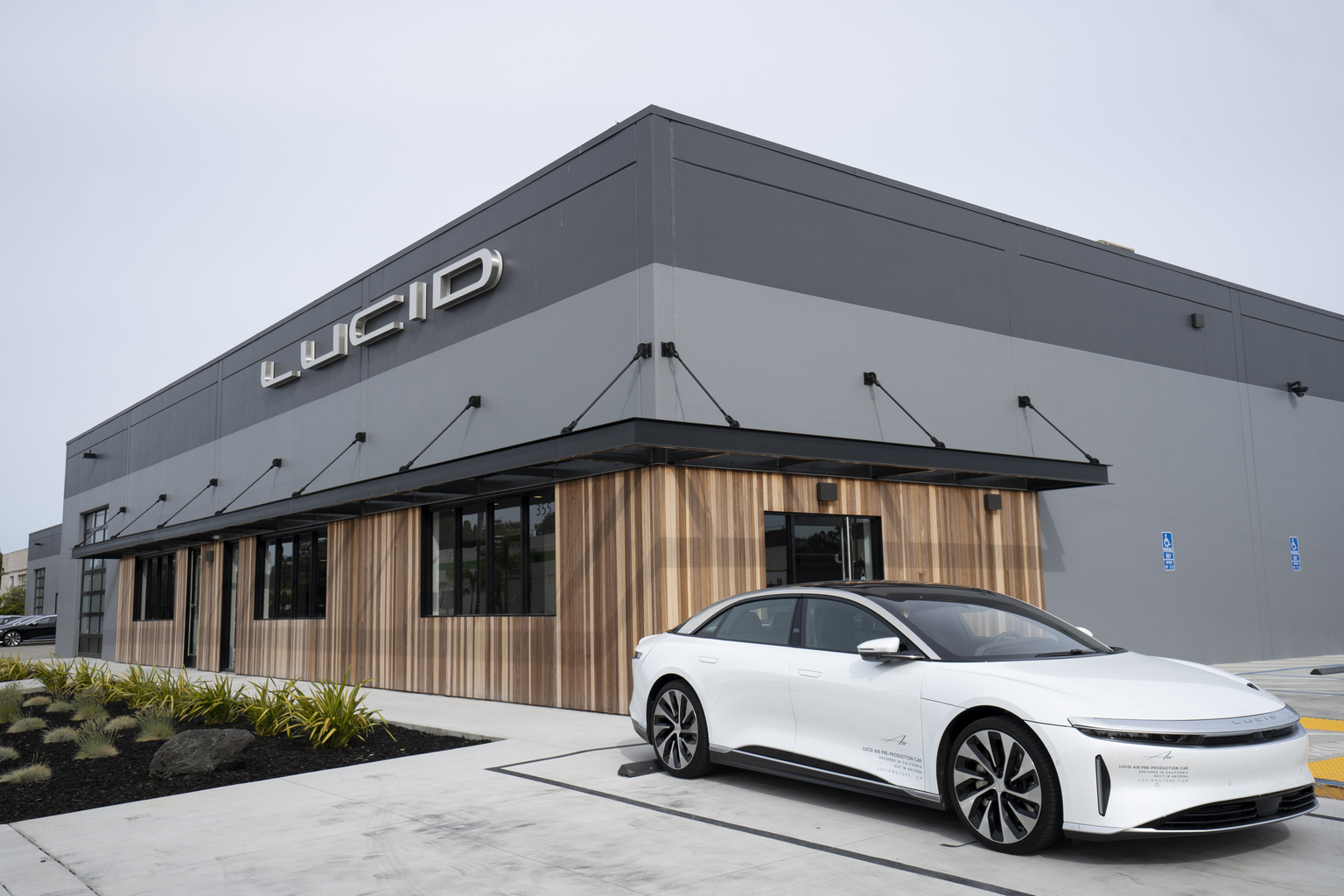
- Delivery Overview: Lucid Group delivered 3,093 electric vehicles in Q1 2026, slightly down from 3,109 in the same quarter last year, indicating stability in deliveries despite supplier issues.
- Production vs. Expectations: The company produced 5,500 vehicles during the quarter, falling short of Visible Alpha's expectation of 5,967 vehicles, reflecting the direct impact of supplier quality issues on production capacity.
- Supplier Issue Resolution: Lucid stated that the supplier quality issue affecting the second-row seats of its luxury SUV, Lucid Gravity, has been resolved, reaffirming its production guidance of 25,000-27,000 vehicles for 2026, demonstrating confidence in future production.
- Financial Report Schedule: Lucid is set to release its Q1 2026 financial results on May 5 after hours, with the market closely watching the relationship between its financial performance and delivery figures.
See More
Lucid Group Reports Q1 2026 Production and Delivery Figures
- Production and Delivery Data: Lucid Group produced 5,500 vehicles and delivered 3,093 in Q1 2026, reaffirming its production guidance of 25,000 to 27,000 vehicles despite disruptions from supplier quality issues, indicating confidence in future growth.
- Delivery Delays Impact: Deliveries of the Lucid Gravity were disrupted for 29 days due to a supplier quality issue with second-row seats, and resolving this issue will help restore the ability to meet customer demand, enhancing market competitiveness.
- Enhanced Shareholder Engagement: Lucid is partnering with Say Technologies to allow retail and institutional shareholders to submit and upvote questions for the upcoming earnings call, aiming to improve interaction with investors and enhance transparency and trust.
- Earnings Call Schedule: Lucid will host an earnings call on May 5, 2026, to discuss its Q1 financial results, which is expected to attract investor attention regarding the company's financial performance and future strategies.
See More

SpaceX Achieves Rocket Recovery, IPO on the Horizon


- Rocket Recovery Milestone: In October 2024, SpaceX successfully landed a previously launched rocket, marking a historic first that signifies a major breakthrough in aerospace technology, likely attracting increased investor interest in the space sector.
- Massive IPO Potential: SpaceX is projected to reach a valuation of $1.75 trillion, and if it goes public, it would become the largest IPO in market history, expected to have a profound impact on space-related stocks, similar to Tesla's influence on the electric vehicle market.
- Stock Price Surge: Following the news of SpaceX's impending IPO, stocks of companies like AST SpaceMobile, Rocket Lab, and Firefly Aerospace surged by 12%, 11.78%, and nearly 20% respectively, reflecting growing market confidence in the space economy.
- Reduced Launch Costs: SpaceX's reusable rocket technology is set to significantly lower launch costs, with traditional launches costing up to $1.5 billion compared to SpaceX's average of $62 million, and further reductions are anticipated, promoting sustainable growth in the aerospace industry.
See More

SpaceX IPO Set to Transform Space Economy
- IPO Buzz Ignites Market: SpaceX's impending IPO could value the company at $1.75 trillion, making it the largest IPO in market history, which is expected to instill confidence in space stocks similarly to how Tesla transformed the EV market.
- Space Stocks Surge: Following the IPO news, shares of AST SpaceMobile rose by 12%, Rocket Lab by 11.78%, and Firefly Aerospace by nearly 20%, reflecting a growing optimism and investment enthusiasm in the space sector.
- Significant Cost Reductions: SpaceX's reusable rocket technology has dramatically cut launch costs from approximately $2.1 billion for the Space Shuttle to around $62 million, with expectations for further reductions, enhancing the economic viability of space travel.
- Investment Opportunities in Smaller Firms: As SpaceX's IPO approaches, interest in smaller space companies is rising, encouraging investors to consider these firms ahead of the IPO to capitalize on the anticipated growth in the space economy.
See More

Lucid Unveils 2027 Gravity Lineup with New Features
- New Model Launch: Lucid (LCID) unveiled its 2027 Gravity lineup, with the Gravity Touring SUV featuring standard DreamDrive 2 Premium driver-assistance technology and an additional key fob at a price of $79,000, aimed at enhancing user experience and strengthening market competitiveness.
- Rich Customization Options: The Gravity Touring can be personalized with packages covering comfort and convenience, enhanced technology, power, dynamic handling, and 'Surreal Sound,' catering to diverse consumer preferences and further expanding market share.
- Sales Data Controversy: While Cox Automotive reported that Lucid sold only 230 Gravity units in 2025, Lucid claims sales were 'in the thousands,' acknowledging supply chain issues that hampered production, highlighting the complexities of market challenges and the company's response strategies.
- Production Capacity Enhancement: To meet the demand for upgraded models, Lucid is adding a second shift to the final assembly section of its factory, which is expected to significantly boost production capacity and help the company secure a more advantageous position in the competitive electric vehicle market.
See More
Lucid Group Reports Q1 2026 Production and Delivery Numbers
- Production and Delivery Data: In Q1 2026, Lucid Group produced 5,500 vehicles and delivered 3,093, reaffirming its production guidance of 25,000 to 27,000 vehicles despite a 29-day disruption due to supplier quality issues, indicating confidence in future growth.
- Supply Chain Challenges: The delivery capability was impacted by a quality issue with second-row seats, which, although resolved, highlights vulnerabilities in the company's supply chain management that could affect customer satisfaction and market share.
- Enhanced Investor Engagement: Lucid's partnership with Say Technologies allows shareholders to submit and vote on questions, aiming to improve investor interaction, which is expected to enhance perceptions of company transparency and potentially boost investor confidence.
- Earnings Call Schedule: Lucid will host a conference call on May 5, 2026, to discuss its Q1 financial results, providing investors with deeper financial insights and future outlook, further solidifying market trust.
See More
Lucid Group Reports Flat Q1 2026 Delivery Figures Amid Supplier Issues
- Delivery Overview: Lucid Group delivered 3,093 electric vehicles in Q1 2026, slightly down from 3,109 in the same quarter last year, indicating stability in deliveries despite supplier issues.
- Production vs. Expectations: The company produced 5,500 vehicles during the quarter, falling short of Visible Alpha's expectation of 5,967 vehicles, reflecting the direct impact of supplier quality issues on production capacity.
- Supplier Issue Resolution: Lucid stated that the supplier quality issue affecting the second-row seats of its luxury SUV, Lucid Gravity, has been resolved, reaffirming its production guidance of 25,000-27,000 vehicles for 2026, demonstrating confidence in future production.
- Financial Report Schedule: Lucid is set to release its Q1 2026 financial results on May 5 after hours, with the market closely watching the relationship between its financial performance and delivery figures.
See More
Lucid Group Reports Q1 2026 Production and Delivery Figures
- Production and Delivery Data: Lucid Group produced 5,500 vehicles and delivered 3,093 in Q1 2026, reaffirming its production guidance of 25,000 to 27,000 vehicles despite disruptions from supplier quality issues, indicating confidence in future growth.
- Delivery Delays Impact: Deliveries of the Lucid Gravity were disrupted for 29 days due to a supplier quality issue with second-row seats, and resolving this issue will help restore the ability to meet customer demand, enhancing market competitiveness.
- Enhanced Shareholder Engagement: Lucid is partnering with Say Technologies to allow retail and institutional shareholders to submit and upvote questions for the upcoming earnings call, aiming to improve interaction with investors and enhance transparency and trust.
- Earnings Call Schedule: Lucid will host an earnings call on May 5, 2026, to discuss its Q1 financial results, which is expected to attract investor attention regarding the company's financial performance and future strategies.
See More
SpaceX Achieves Rocket Recovery, IPO on the Horizon
- Rocket Recovery Milestone: In October 2024, SpaceX successfully landed a previously launched rocket, marking a historic first that signifies a major breakthrough in aerospace technology, likely attracting increased investor interest in the space sector.
- Massive IPO Potential: SpaceX is projected to reach a valuation of $1.75 trillion, and if it goes public, it would become the largest IPO in market history, expected to have a profound impact on space-related stocks, similar to Tesla's influence on the electric vehicle market.
- Stock Price Surge: Following the news of SpaceX's impending IPO, stocks of companies like AST SpaceMobile, Rocket Lab, and Firefly Aerospace surged by 12%, 11.78%, and nearly 20% respectively, reflecting growing market confidence in the space economy.
- Reduced Launch Costs: SpaceX's reusable rocket technology is set to significantly lower launch costs, with traditional launches costing up to $1.5 billion compared to SpaceX's average of $62 million, and further reductions are anticipated, promoting sustainable growth in the aerospace industry.
See More
SpaceX IPO Set to Transform Space Economy
- IPO Buzz Ignites Market: SpaceX's impending IPO could value the company at $1.75 trillion, making it the largest IPO in market history, which is expected to instill confidence in space stocks similarly to how Tesla transformed the EV market.
- Space Stocks Surge: Following the IPO news, shares of AST SpaceMobile rose by 12%, Rocket Lab by 11.78%, and Firefly Aerospace by nearly 20%, reflecting a growing optimism and investment enthusiasm in the space sector.
- Significant Cost Reductions: SpaceX's reusable rocket technology has dramatically cut launch costs from approximately $2.1 billion for the Space Shuttle to around $62 million, with expectations for further reductions, enhancing the economic viability of space travel.
- Investment Opportunities in Smaller Firms: As SpaceX's IPO approaches, interest in smaller space companies is rising, encouraging investors to consider these firms ahead of the IPO to capitalize on the anticipated growth in the space economy.
See More
Lucid Unveils 2027 Gravity Lineup with New Features
- New Model Launch: Lucid (LCID) unveiled its 2027 Gravity lineup, with the Gravity Touring SUV featuring standard DreamDrive 2 Premium driver-assistance technology and an additional key fob at a price of $79,000, aimed at enhancing user experience and strengthening market competitiveness.
- Rich Customization Options: The Gravity Touring can be personalized with packages covering comfort and convenience, enhanced technology, power, dynamic handling, and 'Surreal Sound,' catering to diverse consumer preferences and further expanding market share.
- Sales Data Controversy: While Cox Automotive reported that Lucid sold only 230 Gravity units in 2025, Lucid claims sales were 'in the thousands,' acknowledging supply chain issues that hampered production, highlighting the complexities of market challenges and the company's response strategies.
- Production Capacity Enhancement: To meet the demand for upgraded models, Lucid is adding a second shift to the final assembly section of its factory, which is expected to significantly boost production capacity and help the company secure a more advantageous position in the competitive electric vehicle market.
See More