

London's Heathrow, Collins Aerospace Ink Long-Term Deal To Enhance Airport Operations
Written by Emily J. Thompson, Senior Investment Analyst
Updated: Apr 09 2025
0mins


Source: Benzinga
Collins Aerospace Agreement: RTX Corporation's Collins Aerospace has signed a six-year renewal agreement with the Heathrow Airline Operators' Committee to continue providing its ARINC cMUSE solution across all four terminals at London-Heathrow Airport, enhancing passenger processing and operational efficiency for over 80 airlines.
Future Collaborations: The partnership will also focus on exploring new technologies, including cloud and mobile solutions, to support Heathrow's growth initiatives, while Collins Aerospace recently upgraded its SelfServ platform for improved check-in and bag drop services.
Trade with 70% Backtested Accuracy
Stop guessing "Should I Buy RTX?" and start using high-conviction signals backed by rigorous historical data.
Sign up today to access powerful investing tools and make smarter, data-driven decisions.
Analyst Views on RTX
Wall Street analysts forecast RTX stock price to rise
14 Analyst Rating
9 Buy
5 Hold
0 Sell
Moderate Buy
Current: 191.780

Low
168.00
Averages
195.77
High
215.00
Current: 191.780
Low
168.00
Averages
195.77
High
215.00
About RTX
RTX Corporation is an aerospace and defense company, which provides advanced systems and services for commercial, military, and government customers worldwide. The Company operates through three segments: Collins Aerospace, Pratt & Whitney, and Raytheon. Collins Aerospace segment provides technologically advanced aerospace and defense products and aftermarket service solutions for civil and military aircraft manufacturers, commercial airlines, and regional, business and general aviation, as well as for defense and commercial space operations. The Pratt & Whitney segment supplies aircraft engines for commercial, military, business jet, and general aviation customers. The Raytheon segment provides defensive and offensive threat detection, tracking and mitigation capabilities for the United States and foreign government and commercial customers. The Raytheon designs, develops, and provides advanced capabilities in integrated air and missile defense, smart weapons, missiles and others.
About the author

Emily J. Thompson
Emily J. Thompson, a Chartered Financial Analyst (CFA) with 12 years in investment research, graduated with honors from the Wharton School. Specializing in industrial and technology stocks, she provides in-depth analysis for Intellectia’s earnings and market brief reports.

Trump and Putin Discuss Ukraine War Ahead of NATO Summit


- Call Overview: Trump and Putin discussed the Ukraine war, the Iran conflict, and the upcoming NATO summit during an 85-minute phone call, indicating a willingness for dialogue on critical international issues.
- Ukraine Situation: Trump reiterated his desire for a swift end to the war, while Putin emphasized the importance of a political and diplomatic resolution, highlighting the ongoing differences in their positions on Ukraine.
- NATO Summit Preparations: The leaders addressed the NATO summit scheduled for July 7-8 in Ankara, with U.S. envoys continuing to facilitate negotiations, demonstrating America's active involvement in NATO affairs.
- Escalating Military Dynamics: Prior to the call, Russia claimed to have captured the strategic city of Kostiantynivka in eastern Ukraine, a claim denied by Ukraine, indicating that military tensions between the two nations are intensifying.
See More

ISSC Transforms into Comprehensive Aviation Solutions Provider


- Business Transformation: ISSC has successfully transitioned from an avionics specialist to a provider of end-to-end cockpit solutions by acquiring Honeywell's autopilot product portfolio and Moog S-TEC Model 3100 autopilot business, significantly enhancing its technological capabilities.
- Growing Market Demand: As airlines and cargo carriers opt to extend the service life of existing fleets through avionics upgrades due to rising replacement costs, ISSC's expanded product portfolio positions it to better participate in larger retrofit programs, addressing increasing market demand.
- Internal Management Advantages: By managing the entire product lifecycle internally—from engineering and manufacturing to testing, certification, and aftermarket support—ISSC ensures tighter quality control and greater production flexibility, thereby improving supply chain management capabilities.
- Future Growth Potential: Management believes that combining strategic acquisitions with ongoing in-house innovation will expand ISSC's addressable market across commercial, military, and special mission aircraft, supporting larger contract wins and a growing stream of aftermarket revenues.
See More

Corporate Sponsorship Behind Trump's Freedom 250 Celebrations

- Corporate Sponsorship Phenomenon: A CNBC analysis reveals that 14 companies, including Boeing, Deloitte, and United Airlines, are backing both America250 and Freedom 250, indicating a complex intersection of corporate interests and politics that may influence their dealings with the government.
- Funding Transparency Issues: The sponsorship structure of Freedom 250 has been criticized for its opacity, allowing donors to gain access to Trump through contributions as high as $10 million, raising concerns about corporations seeking political influence.
- Celebration Participation Status: Despite Congress allocating $150 million for the 250th anniversary, America250 has only received $25 million, while Freedom 250 has secured nearly $80 million in funding, highlighting the financial advantage of Trump-aligned events.
- Event Organization Challenges: The Great American State Fair has faced poor participation, with at least eight states declining to join due to exhibit costs and partisan concerns, resulting in sparse crowds and equipment failures during the event.
See More
Corporate Sponsorship of Freedom 250 Raises Concerns


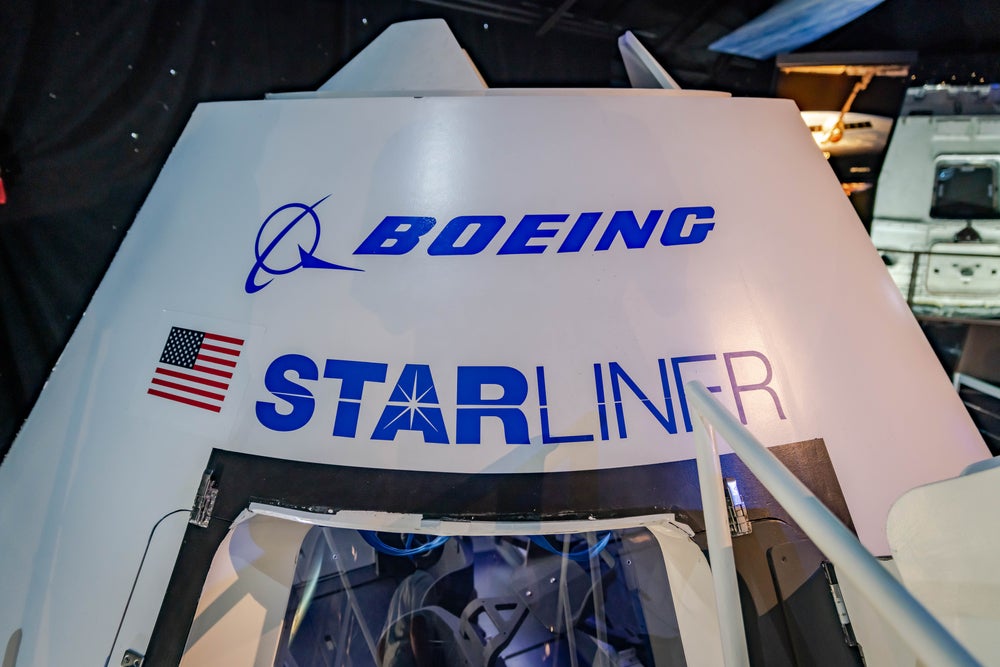
- Corporate Sponsorship: Major companies like Boeing, Lockheed Martin, and Oracle are sponsoring Freedom 250, and while no direct evidence links these sponsorships to government dealings, watchdogs warn this could create new avenues for corporate influence in Washington.
- Opaque Funding Structure: Freedom 250's fundraising materials indicate that donors contributing over $500,000 gain VIP access to Trump, raising ethical concerns about the transparency of funding and potential impacts on government decision-making.
- Celebration Participation: Despite Congress allocating $150 million for the 250th anniversary, Freedom 250 has secured nearly $80 million in related grants, while America250 has only received $25 million, indicating a preference among companies for Trump's version of the celebration.
- Event Issues: The Great American State Fair, a centerpiece of Freedom 250, has faced reduced state participation, sparse crowds, and technical failures, with some artists withdrawing due to concerns over the partisan nature of the event, highlighting organizational challenges.
See More
GE Aerospace Stock Surges Over Fivefold in Five Years
- Outstanding Stock Performance: GE Aerospace's stock has surged 473.4% over the past five years, reflecting its formidable market position in jet engine manufacturing, with potential for continued growth in the future.
- Leadership Advantage: CEO Larry Culp's leadership is considered a key factor in the company's success, as he continues to steer the aerospace division post-breakup, and Barron's recently named him one of the best CEOs in the U.S., indicating strong investor confidence in his management.
- Robust Aftermarket Revenue: The company generates 75% of its commercial engine revenue from aftermarket services and parts sales, which has resulted in a $181 billion backlog, enhancing its pricing power and revenue predictability.
- Strong Financial Health: By the end of 2025, GE Aerospace reported a net debt of $8 billion against a $130 billion balance sheet, showcasing financial stability, with plans to return nearly all free cash flow to shareholders through buybacks and dividends over the next three years, further boosting investor confidence.
See More
GE Aerospace Stock Soars 473.4% Over Five Years, Strong Outlook Ahead
- Outstanding Stock Performance: GE Aerospace's stock surged 473.4% over the five years ending June 29, driven by effective management under CEO Larry Culp, which has significantly boosted investor confidence and market perception.
- Strong Market Share: The company commands 75% of the narrow-body jet engine market and 55% of the wide-body segment, positioning it well to capitalize on the anticipated growth in air travel demand, thereby enhancing its pricing power and competitive edge.
- Robust Cash Flow: With free cash flow reaching $1.5 billion in Q1 and a solid balance sheet showing only $8 billion in net debt by the end of 2025, GE Aerospace demonstrates strong financial management, enabling future investments and shareholder returns.
- Shareholder Return Strategy: Over the next three years, GE Aerospace plans to return nearly all of its free cash flow to shareholders through buybacks and dividends, indicating alignment of management interests with those of investors and providing substantial return potential for long-term investors.
See More
Trump and Putin Discuss Ukraine War Ahead of NATO Summit
- Call Overview: Trump and Putin discussed the Ukraine war, the Iran conflict, and the upcoming NATO summit during an 85-minute phone call, indicating a willingness for dialogue on critical international issues.
- Ukraine Situation: Trump reiterated his desire for a swift end to the war, while Putin emphasized the importance of a political and diplomatic resolution, highlighting the ongoing differences in their positions on Ukraine.
- NATO Summit Preparations: The leaders addressed the NATO summit scheduled for July 7-8 in Ankara, with U.S. envoys continuing to facilitate negotiations, demonstrating America's active involvement in NATO affairs.
- Escalating Military Dynamics: Prior to the call, Russia claimed to have captured the strategic city of Kostiantynivka in eastern Ukraine, a claim denied by Ukraine, indicating that military tensions between the two nations are intensifying.
See More
ISSC Transforms into Comprehensive Aviation Solutions Provider
- Business Transformation: ISSC has successfully transitioned from an avionics specialist to a provider of end-to-end cockpit solutions by acquiring Honeywell's autopilot product portfolio and Moog S-TEC Model 3100 autopilot business, significantly enhancing its technological capabilities.
- Growing Market Demand: As airlines and cargo carriers opt to extend the service life of existing fleets through avionics upgrades due to rising replacement costs, ISSC's expanded product portfolio positions it to better participate in larger retrofit programs, addressing increasing market demand.
- Internal Management Advantages: By managing the entire product lifecycle internally—from engineering and manufacturing to testing, certification, and aftermarket support—ISSC ensures tighter quality control and greater production flexibility, thereby improving supply chain management capabilities.
- Future Growth Potential: Management believes that combining strategic acquisitions with ongoing in-house innovation will expand ISSC's addressable market across commercial, military, and special mission aircraft, supporting larger contract wins and a growing stream of aftermarket revenues.
See More
Corporate Sponsorship Behind Trump's Freedom 250 Celebrations
- Corporate Sponsorship Phenomenon: A CNBC analysis reveals that 14 companies, including Boeing, Deloitte, and United Airlines, are backing both America250 and Freedom 250, indicating a complex intersection of corporate interests and politics that may influence their dealings with the government.
- Funding Transparency Issues: The sponsorship structure of Freedom 250 has been criticized for its opacity, allowing donors to gain access to Trump through contributions as high as $10 million, raising concerns about corporations seeking political influence.
- Celebration Participation Status: Despite Congress allocating $150 million for the 250th anniversary, America250 has only received $25 million, while Freedom 250 has secured nearly $80 million in funding, highlighting the financial advantage of Trump-aligned events.
- Event Organization Challenges: The Great American State Fair has faced poor participation, with at least eight states declining to join due to exhibit costs and partisan concerns, resulting in sparse crowds and equipment failures during the event.
See More
Corporate Sponsorship of Freedom 250 Raises Concerns
- Corporate Sponsorship: Major companies like Boeing, Lockheed Martin, and Oracle are sponsoring Freedom 250, and while no direct evidence links these sponsorships to government dealings, watchdogs warn this could create new avenues for corporate influence in Washington.
- Opaque Funding Structure: Freedom 250's fundraising materials indicate that donors contributing over $500,000 gain VIP access to Trump, raising ethical concerns about the transparency of funding and potential impacts on government decision-making.
- Celebration Participation: Despite Congress allocating $150 million for the 250th anniversary, Freedom 250 has secured nearly $80 million in related grants, while America250 has only received $25 million, indicating a preference among companies for Trump's version of the celebration.
- Event Issues: The Great American State Fair, a centerpiece of Freedom 250, has faced reduced state participation, sparse crowds, and technical failures, with some artists withdrawing due to concerns over the partisan nature of the event, highlighting organizational challenges.
See More
GE Aerospace Stock Surges Over Fivefold in Five Years
- Outstanding Stock Performance: GE Aerospace's stock has surged 473.4% over the past five years, reflecting its formidable market position in jet engine manufacturing, with potential for continued growth in the future.
- Leadership Advantage: CEO Larry Culp's leadership is considered a key factor in the company's success, as he continues to steer the aerospace division post-breakup, and Barron's recently named him one of the best CEOs in the U.S., indicating strong investor confidence in his management.
- Robust Aftermarket Revenue: The company generates 75% of its commercial engine revenue from aftermarket services and parts sales, which has resulted in a $181 billion backlog, enhancing its pricing power and revenue predictability.
- Strong Financial Health: By the end of 2025, GE Aerospace reported a net debt of $8 billion against a $130 billion balance sheet, showcasing financial stability, with plans to return nearly all free cash flow to shareholders through buybacks and dividends over the next three years, further boosting investor confidence.
See More
GE Aerospace Stock Soars 473.4% Over Five Years, Strong Outlook Ahead
- Outstanding Stock Performance: GE Aerospace's stock surged 473.4% over the five years ending June 29, driven by effective management under CEO Larry Culp, which has significantly boosted investor confidence and market perception.
- Strong Market Share: The company commands 75% of the narrow-body jet engine market and 55% of the wide-body segment, positioning it well to capitalize on the anticipated growth in air travel demand, thereby enhancing its pricing power and competitive edge.
- Robust Cash Flow: With free cash flow reaching $1.5 billion in Q1 and a solid balance sheet showing only $8 billion in net debt by the end of 2025, GE Aerospace demonstrates strong financial management, enabling future investments and shareholder returns.
- Shareholder Return Strategy: Over the next three years, GE Aerospace plans to return nearly all of its free cash flow to shareholders through buybacks and dividends, indicating alignment of management interests with those of investors and providing substantial return potential for long-term investors.
See More





