LG Energy Solution Acquires NextStar Energy from Stellantis
Written by Emily J. Thompson, Senior Investment Analyst
Updated: Feb 06 2026
0mins
Should l Buy STLA?
Source: seekingalpha
- Acquisition Deal: LG Energy Solution is set to acquire full ownership of NextStar Energy, with Stellantis selling its 49% stake, a strategic decision aimed at optimizing the joint venture's operational efficiency.
- Joint Venture Background: Established in 2022, NextStar Energy aims to build Canada's first large-scale battery manufacturing facility in Windsor, Ontario, and the acquisition will allow LG to fully control the project, further solidifying its leadership in the battery market.
- Stellantis' Future Plans: Despite the stake sale, Stellantis will continue sourcing battery products from NextStar Energy, ensuring continuity in its electric vehicle strategy while providing a stable customer base for NextStar.
- Financial Impact: Stellantis will book charges of approximately €22.2 billion ($26.5 billion) in the second half of last year, reflecting a scaling back of its EV development plans and a strategic shift that may impact its future market performance.
Trade with 70% Backtested Accuracy
Stop guessing "Should I Buy STLA?" and start using high-conviction signals backed by rigorous historical data.
Sign up today to access powerful investing tools and make smarter, data-driven decisions.
Analyst Views on STLA
Wall Street analysts forecast STLA stock price to rise
14 Analyst Rating
7 Buy
7 Hold
0 Sell
Moderate Buy
Current: 7.430

Low
9.33
Averages
11.81
High
15.15
Current: 7.430
Low
9.33
Averages
11.81
High
15.15
About STLA
Stellantis N.V., formerly Fiat Chrysler Automobiles N.V., is a holding Company based in the Netherlands and operates as an automaker and a mobility provider. The Company is engaged in designing, engineering, manufacturing, distributing and selling vehicles, components and production systems. The Company has industrial operations in more than 30 countries and sells its vehicles directly or through distributors and dealers in more than 130 countries. The Company designs, manufactures, distributes and sells vehicles for the mass-market under the Abarth, Alfa Romeo, Chrysler, Dodge, Fiat, Fiat Professional, Jeep, Lancia and Ram brands. In addition, the Company designs, manufactures, distributes and sells luxury vehicles under the Maserati brand. The Company's brand portfolio also includes Peugeot, Citroen, DS Automobiles, Opel and Vauxhall. It offers a wide variety of vehicle choices from luxury and mainstream passenger vehicles to pickup trucks, sport utility vehicle (SUVs).
About the author

Emily J. Thompson
Emily J. Thompson, a Chartered Financial Analyst (CFA) with 12 years in investment research, graduated with honors from the Wharton School. Specializing in industrial and technology stocks, she provides in-depth analysis for Intellectia’s earnings and market brief reports.

FCA US Reports 4% Sales Growth in Q1 2026

- Sales Growth Highlights: FCA US achieved total sales of 305,902 vehicles in Q1 2026, reflecting a 4% year-over-year increase, demonstrating resilience and market share growth amid an industry forecasted to decline by 6%.
- Strong Brand Performance: Ram brand sales surged by 27%, while heavy-duty truck sales rose by 21%, marking the best Q1 performance since 2023, indicating strong consumer demand and brand loyalty.
- New Model Launches: The all-new Jeep Cherokee and refreshed Dodge Charger SIXPACK are now available in dealer showrooms, expanding the product lineup and expected to attract more customers and drive future sales growth.
- Strategic Plan Outlook: FCA plans to unveil its strategic plan for 2026 at the Investor Day on May 21, signaling confidence in future market opportunities and a commitment to enhancing competitiveness through innovation and product diversification.
See More

2027 Chrysler Pacifica Unveils Bold Redesign and New Features
- Exterior Redesign: The 2027 Chrysler Pacifica features a bold new front fascia and illuminated wing badge, enhancing brand identity and setting a foundation for future models, thereby increasing market competitiveness.
- Powertrain Upgrade: Equipped with a 287-horsepower 3.6-liter Pentastar V-6 engine and a segment-exclusive TorqueFlite nine-speed automatic transmission, the Pacifica ensures smooth acceleration for highway merging and passing, significantly enhancing the driving experience.
- Enhanced Safety Technology: The new Safety Sphere Package includes turn signal-activated Blind-spot View and ParkSense camera activation, improving driver visibility and safety, ensuring greater confidence in everyday driving scenarios.
- Family-Friendly Features: The launch of the “PacifiKids, Too” social media campaign encourages families to share their experiences with the Pacifica, enhancing interaction between the brand and consumers, and further solidifying customer loyalty.
See More

Impact of Trump's Tariffs One Year Later

- Widespread Tariff Impact: Trump's tariff policies have placed significant economic pressure on U.S. businesses over the past year, with approximately 80% to 85% of costs absorbed by companies, leading to reduced profits and increased consumer prices, thereby exacerbating overall economic uncertainty.
- Retail Sector Adaptation: While large retailers like Walmart have emerged relatively unscathed, smaller businesses have been severely impacted, with Home Depot aiming to limit purchases from any single country to 10% to reduce dependency and enhance supply chain flexibility.
- Automotive Industry Cost Surge: Automakers such as General Motors and Toyota are facing tariff impacts estimated at up to $9.5 billion, and although the Trump administration has taken steps to alleviate overlapping tariffs, overall costs remain significant, forcing companies to reassess their supply chain strategies.
- Pharmaceutical Sector Stability: Pharmaceutical companies have secured three-year tariff exemptions through pricing agreements with Trump, although new tariffs impose 100% on companies that do not reach agreements, the overall industry is still striving to increase investments in U.S. manufacturing.
See More
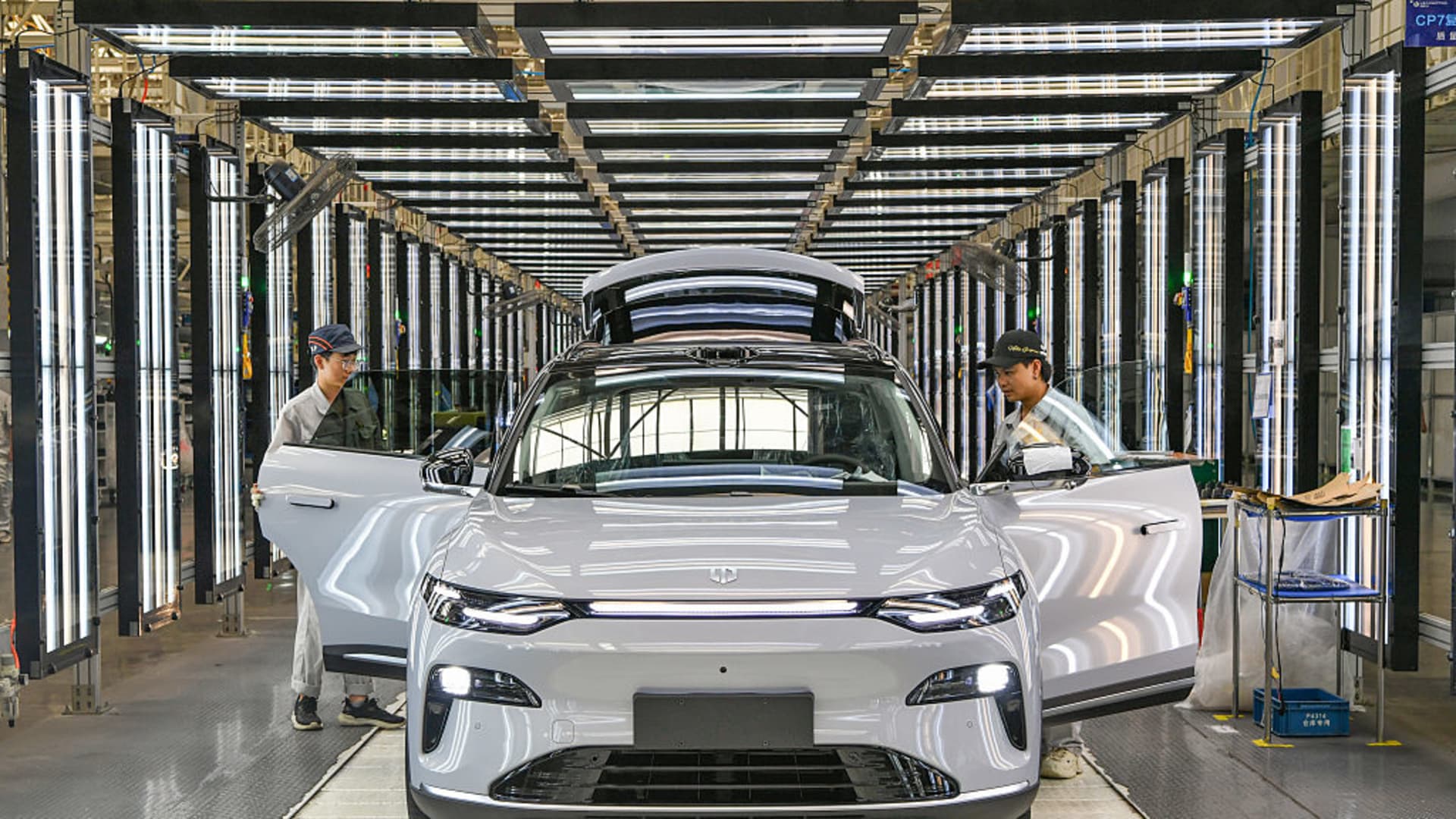
Leapmotor Delivers Over 110,000 Vehicles in Q1


- Delivery Growth: Leapmotor delivered 110,155 new energy vehicles in Q1 2025, marking a nearly 26% year-over-year increase and exceeding 100,000 units for the fourth consecutive quarter, demonstrating strong performance in a competitive market.
- Market Competition: While BYD remains the market leader with 688,993 cars sold in Q1, its sales dropped 30% year-over-year, reflecting the sluggishness of the Chinese automotive market and intensifying competition.
- Export Target Setting: Leapmotor aims to sell 1 million cars in China this year, with an export target of 100,000 to 150,000 units, and although it does not disclose overseas sales figures, its domestic performance has outpaced most rivals.
- Global Expansion Strategy: Leapmotor's partnership with Stellantis is enhancing its global market presence, with over 800 sales and service outlets in Europe by the end of 2025 and the establishment of its first overseas innovation center in Munich, Germany, showcasing its commitment and capability for internationalization.
See More
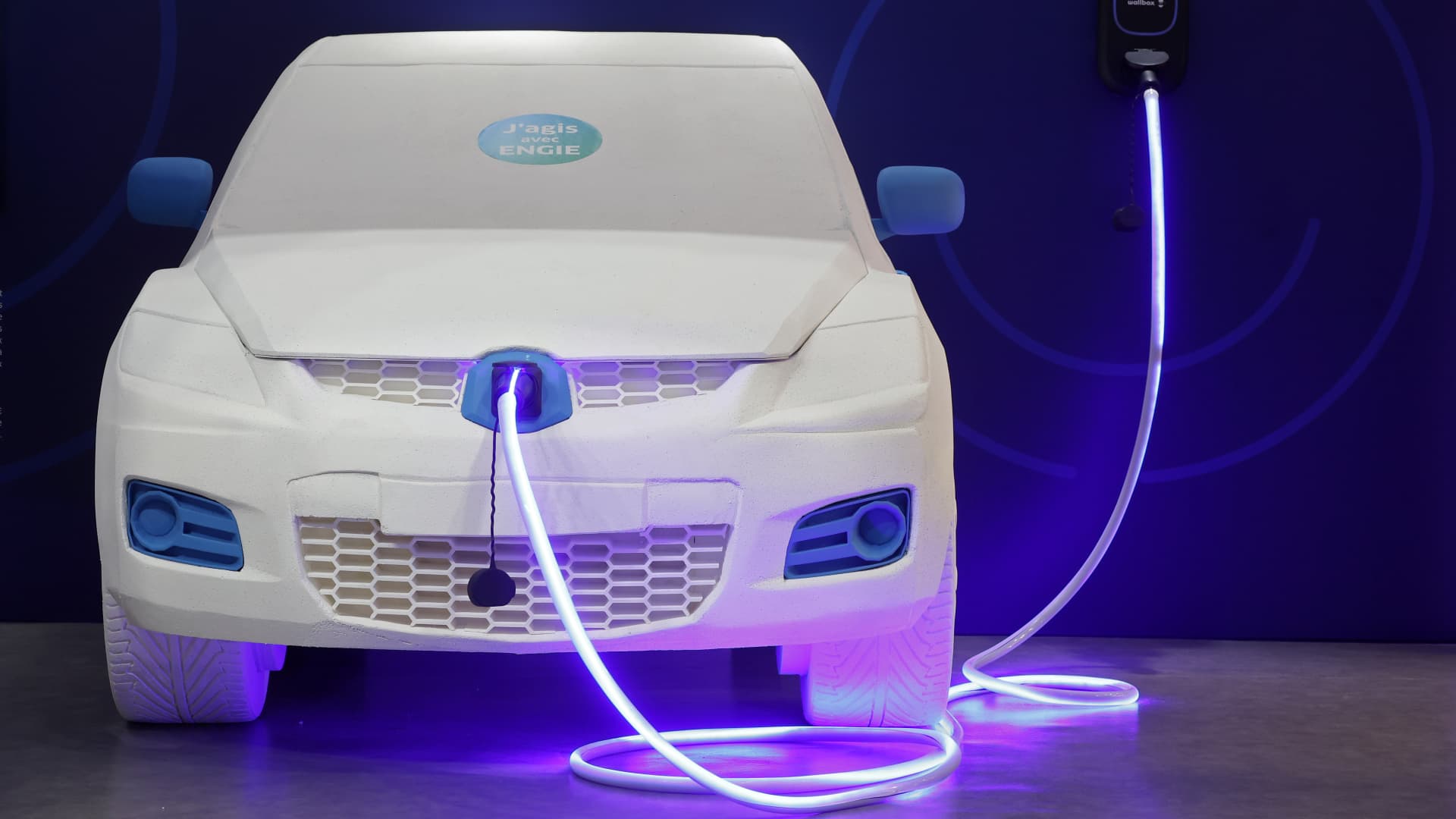
Middle East Crisis Fuels Electric Vehicle Demand Surge

- Surge in EV Interest: Since the onset of the Iran war, inquiries for new electric vehicles in the U.S. have surged by 28%, while used EV inquiries rose by 15%, indicating a significant consumer shift towards EVs, even as traditional automakers pivot back to internal combustion engines.
- Fuel Prices Impact Buying Behavior: Elevated gas prices have made electric vehicles more appealing for long-distance drivers; however, Cox Automotive anticipates that consumer buying habits will require over six months of sustained high gas prices to change significantly, highlighting the slow pace of market transition.
- Decline in EV Sales: Despite increased inquiries, Cox forecasts a 28% drop in U.S. EV sales for the first quarter, down to 212,600 units, reflecting limited market acceptance of electric vehicles amidst shifting consumer preferences.
- Global Market Transformation: The energy shock from the Iran war is expected to accelerate EV adoption in Europe and Asia, particularly in countries like Vietnam, Thailand, and Indonesia, where consumers are increasingly inclined to choose affordable models from Chinese manufacturers.
See More
Iran War Expected to Boost EV Demand Gradually
- Surge in Consumer Interest: Since the onset of the Iran war, car-selling platforms in the U.S. and Europe have reported a significant increase in inquiries for electric vehicles (EVs), with Autotrader noting a 28% rise in new EV inquiries and a 15% increase in used EV inquiries, indicating a growing consumer focus on EVs despite traditional automakers adjusting their strategies.
- Impact of Oil Prices: The sharp rise in oil prices has made owning a battery electric vehicle (BEV) more appealing for high-mileage drivers, with analysts suggesting that while the shift to EVs will be gradual, heightened oil prices and energy security concerns are likely to provide mid-term support for BEV demand, potentially encouraging consumers to abandon internal combustion engine (ICE) vehicles.
- Sales Forecasts: Despite the rising consumer interest in EVs, Cox Automotive forecasts that U.S. EV sales will decline by 28% in the first quarter to 212,600 units, indicating that high gas prices have not immediately translated into increased EV sales, while sales of electrified vehicles, including hybrids, are expected to rise, accounting for 26% of new vehicle sales.
- Accelerated Global Transition: The energy shock from the Iran war is expected to facilitate a faster transition to EVs in Europe and Asia, particularly in countries like Vietnam, Thailand, and Indonesia, where affordable models from Chinese manufacturers are likely to drive a quicker shift away from fossil fuel dependency.
See More
FCA US Reports 4% Sales Growth in Q1 2026
- Sales Growth Highlights: FCA US achieved total sales of 305,902 vehicles in Q1 2026, reflecting a 4% year-over-year increase, demonstrating resilience and market share growth amid an industry forecasted to decline by 6%.
- Strong Brand Performance: Ram brand sales surged by 27%, while heavy-duty truck sales rose by 21%, marking the best Q1 performance since 2023, indicating strong consumer demand and brand loyalty.
- New Model Launches: The all-new Jeep Cherokee and refreshed Dodge Charger SIXPACK are now available in dealer showrooms, expanding the product lineup and expected to attract more customers and drive future sales growth.
- Strategic Plan Outlook: FCA plans to unveil its strategic plan for 2026 at the Investor Day on May 21, signaling confidence in future market opportunities and a commitment to enhancing competitiveness through innovation and product diversification.
See More
2027 Chrysler Pacifica Unveils Bold Redesign and New Features
- Exterior Redesign: The 2027 Chrysler Pacifica features a bold new front fascia and illuminated wing badge, enhancing brand identity and setting a foundation for future models, thereby increasing market competitiveness.
- Powertrain Upgrade: Equipped with a 287-horsepower 3.6-liter Pentastar V-6 engine and a segment-exclusive TorqueFlite nine-speed automatic transmission, the Pacifica ensures smooth acceleration for highway merging and passing, significantly enhancing the driving experience.
- Enhanced Safety Technology: The new Safety Sphere Package includes turn signal-activated Blind-spot View and ParkSense camera activation, improving driver visibility and safety, ensuring greater confidence in everyday driving scenarios.
- Family-Friendly Features: The launch of the “PacifiKids, Too” social media campaign encourages families to share their experiences with the Pacifica, enhancing interaction between the brand and consumers, and further solidifying customer loyalty.
See More
Impact of Trump's Tariffs One Year Later
- Widespread Tariff Impact: Trump's tariff policies have placed significant economic pressure on U.S. businesses over the past year, with approximately 80% to 85% of costs absorbed by companies, leading to reduced profits and increased consumer prices, thereby exacerbating overall economic uncertainty.
- Retail Sector Adaptation: While large retailers like Walmart have emerged relatively unscathed, smaller businesses have been severely impacted, with Home Depot aiming to limit purchases from any single country to 10% to reduce dependency and enhance supply chain flexibility.
- Automotive Industry Cost Surge: Automakers such as General Motors and Toyota are facing tariff impacts estimated at up to $9.5 billion, and although the Trump administration has taken steps to alleviate overlapping tariffs, overall costs remain significant, forcing companies to reassess their supply chain strategies.
- Pharmaceutical Sector Stability: Pharmaceutical companies have secured three-year tariff exemptions through pricing agreements with Trump, although new tariffs impose 100% on companies that do not reach agreements, the overall industry is still striving to increase investments in U.S. manufacturing.
See More
Leapmotor Delivers Over 110,000 Vehicles in Q1
- Delivery Growth: Leapmotor delivered 110,155 new energy vehicles in Q1 2025, marking a nearly 26% year-over-year increase and exceeding 100,000 units for the fourth consecutive quarter, demonstrating strong performance in a competitive market.
- Market Competition: While BYD remains the market leader with 688,993 cars sold in Q1, its sales dropped 30% year-over-year, reflecting the sluggishness of the Chinese automotive market and intensifying competition.
- Export Target Setting: Leapmotor aims to sell 1 million cars in China this year, with an export target of 100,000 to 150,000 units, and although it does not disclose overseas sales figures, its domestic performance has outpaced most rivals.
- Global Expansion Strategy: Leapmotor's partnership with Stellantis is enhancing its global market presence, with over 800 sales and service outlets in Europe by the end of 2025 and the establishment of its first overseas innovation center in Munich, Germany, showcasing its commitment and capability for internationalization.
See More
Middle East Crisis Fuels Electric Vehicle Demand Surge
- Surge in EV Interest: Since the onset of the Iran war, inquiries for new electric vehicles in the U.S. have surged by 28%, while used EV inquiries rose by 15%, indicating a significant consumer shift towards EVs, even as traditional automakers pivot back to internal combustion engines.
- Fuel Prices Impact Buying Behavior: Elevated gas prices have made electric vehicles more appealing for long-distance drivers; however, Cox Automotive anticipates that consumer buying habits will require over six months of sustained high gas prices to change significantly, highlighting the slow pace of market transition.
- Decline in EV Sales: Despite increased inquiries, Cox forecasts a 28% drop in U.S. EV sales for the first quarter, down to 212,600 units, reflecting limited market acceptance of electric vehicles amidst shifting consumer preferences.
- Global Market Transformation: The energy shock from the Iran war is expected to accelerate EV adoption in Europe and Asia, particularly in countries like Vietnam, Thailand, and Indonesia, where consumers are increasingly inclined to choose affordable models from Chinese manufacturers.
See More
Iran War Expected to Boost EV Demand Gradually
- Surge in Consumer Interest: Since the onset of the Iran war, car-selling platforms in the U.S. and Europe have reported a significant increase in inquiries for electric vehicles (EVs), with Autotrader noting a 28% rise in new EV inquiries and a 15% increase in used EV inquiries, indicating a growing consumer focus on EVs despite traditional automakers adjusting their strategies.
- Impact of Oil Prices: The sharp rise in oil prices has made owning a battery electric vehicle (BEV) more appealing for high-mileage drivers, with analysts suggesting that while the shift to EVs will be gradual, heightened oil prices and energy security concerns are likely to provide mid-term support for BEV demand, potentially encouraging consumers to abandon internal combustion engine (ICE) vehicles.
- Sales Forecasts: Despite the rising consumer interest in EVs, Cox Automotive forecasts that U.S. EV sales will decline by 28% in the first quarter to 212,600 units, indicating that high gas prices have not immediately translated into increased EV sales, while sales of electrified vehicles, including hybrids, are expected to rise, accounting for 26% of new vehicle sales.
- Accelerated Global Transition: The energy shock from the Iran war is expected to facilitate a faster transition to EVs in Europe and Asia, particularly in countries like Vietnam, Thailand, and Indonesia, where affordable models from Chinese manufacturers are likely to drive a quicker shift away from fossil fuel dependency.
See More