Kroger's Q1 Earnings Fall Short of Expectations
Written by Emily J. Thompson, Senior Investment Analyst
Updated: 1 hour ago
0mins
Source: Fool
- Sales Growth: Kroger's adjusted sales increased by 0.5% year-over-year to $46 billion in Q1, falling short of investor expectations, indicating heightened competitive pressures in the supermarket sector.
- Same-Store Sales Performance: Excluding fuel, Kroger's same-store sales rose by 1%, but CEO Greg Foran emphasized the need to close the gap between the best-performing stores and the rest to enhance overall operational efficiency.
- Declining Gross Margin: Kroger's gross margin decreased from 23% to 22.7% year-over-year, primarily due to rising shipping costs and price reductions, which further compressed the company's operating profit.
- Stable Profit Outlook: Despite a less than 2% increase in adjusted operating profit to $1.5 billion in Q1, Kroger maintains its full-year adjusted operating profit forecast of approximately $5.1 billion, reflecting management's confidence in achieving financial targets.
Trade with 70% Backtested Accuracy
Stop guessing "Should I Buy KR?" and start using high-conviction signals backed by rigorous historical data.
Sign up today to access powerful investing tools and make smarter, data-driven decisions.
Analyst Views on KR
Wall Street analysts forecast KR stock price to rise
15 Analyst Rating
9 Buy
6 Hold
0 Sell
Moderate Buy
Current: 61.820

Low
68.00
Averages
75.00
High
85.00
Current: 61.820
Low
68.00
Averages
75.00
High
85.00
About KR
The Kroger Co. is a food and drug retailer. The Company operates supermarkets, multi-department stores and fulfillment centers throughout the United States. It operates approximately 2,697 supermarkets, 2,250 pharmacies and 1,731 fuel centers in over 35 states and the District of Columbia while also operating online through a digital ecosystem to offer customers an omnichannel shopping experience. The Company also manufactures and processes food for sale in its supermarkets and online. It offers Pickup and Harris Teeter ExpressLane personalized, order online, pick-up at the store services at approximately 2,408 of its supermarkets and provides delivery, which allows it to offer digital solutions to its customers. Its delivery solutions include orders delivered to customers at retail store locations, customer fulfillment centers and orders placed through third-party platforms. The Company also offers customer-facing apps and interfaces.
About the author

Emily J. Thompson
Emily J. Thompson, a Chartered Financial Analyst (CFA) with 12 years in investment research, graduated with honors from the Wharton School. Specializing in industrial and technology stocks, she provides in-depth analysis for Intellectia’s earnings and market brief reports.

Kroger Q1 2026 Earnings Call Insights

- Rising Operating Costs: CEO Gregory Foran highlighted that Kroger's operating costs are growing faster than sales, posing sustainability challenges, and emphasized that cutting costs is essential to ensure future profitability.
- E-commerce Profitability: In Q1, Kroger's e-commerce business, including media, turned profitable for the first time, driving overall sales growth of 1%, indicating the company's adaptation to the rapidly changing retail landscape and its ability to seize market opportunities.
- Stable Financial Performance: Kroger reported an adjusted EPS of $1.58, slightly missing expectations, while adjusted FIFO operating profit reached $1.5 billion, demonstrating the company's efforts to maintain profitability amid challenging conditions.
- Optimistic Outlook: Despite facing transportation cost pressures and pharmacy sales headwinds, Kroger reaffirmed its full-year guidance, expecting Q2 sales to be in line with Q1, with growth accelerating in the second half, reflecting management's confidence in cost-saving initiatives.
See More
Kroger's Q1 Earnings Fall Short of Expectations
- Sales Growth: Kroger's adjusted sales increased by 0.5% year-over-year to $46 billion in Q1, falling short of investor expectations, indicating heightened competitive pressures in the supermarket sector.
- Same-Store Sales Performance: Excluding fuel, Kroger's same-store sales rose by 1%, but CEO Greg Foran emphasized the need to close the gap between the best-performing stores and the rest to enhance overall operational efficiency.
- Declining Gross Margin: Kroger's gross margin decreased from 23% to 22.7% year-over-year, primarily due to rising shipping costs and price reductions, which further compressed the company's operating profit.
- Stable Profit Outlook: Despite a less than 2% increase in adjusted operating profit to $1.5 billion in Q1, Kroger maintains its full-year adjusted operating profit forecast of approximately $5.1 billion, reflecting management's confidence in achieving financial targets.
See More

Kroger Faces Sales Slump as CEO Unveils Turnaround Plan
- Sales Growth Struggles: Kroger's adjusted sales for the fiscal first quarter rose only 0.5% year-over-year to $46 billion, with identical sales excluding fuel increasing by 1%, failing to meet investor expectations and resulting in a stock price decline.
- Declining Gross Margin: The company's gross margin fell to 22.7% from 23% in the prior year, primarily due to rising shipping costs and price reductions, further squeezing operating profits.
- Slight Profit Increase: Kroger's adjusted operating profit increased by less than 2% to $1.5 billion, while adjusted earnings per share rose 6% to $1.58, slightly below Wall Street's estimate of $1.59, indicating ongoing profitability challenges.
- Cost Control Strategy: CEO Greg Foran highlighted that operating costs are growing faster than sales, and he plans to reverse this trend by cutting costs, viewing it as essential for the company's future development.
See More
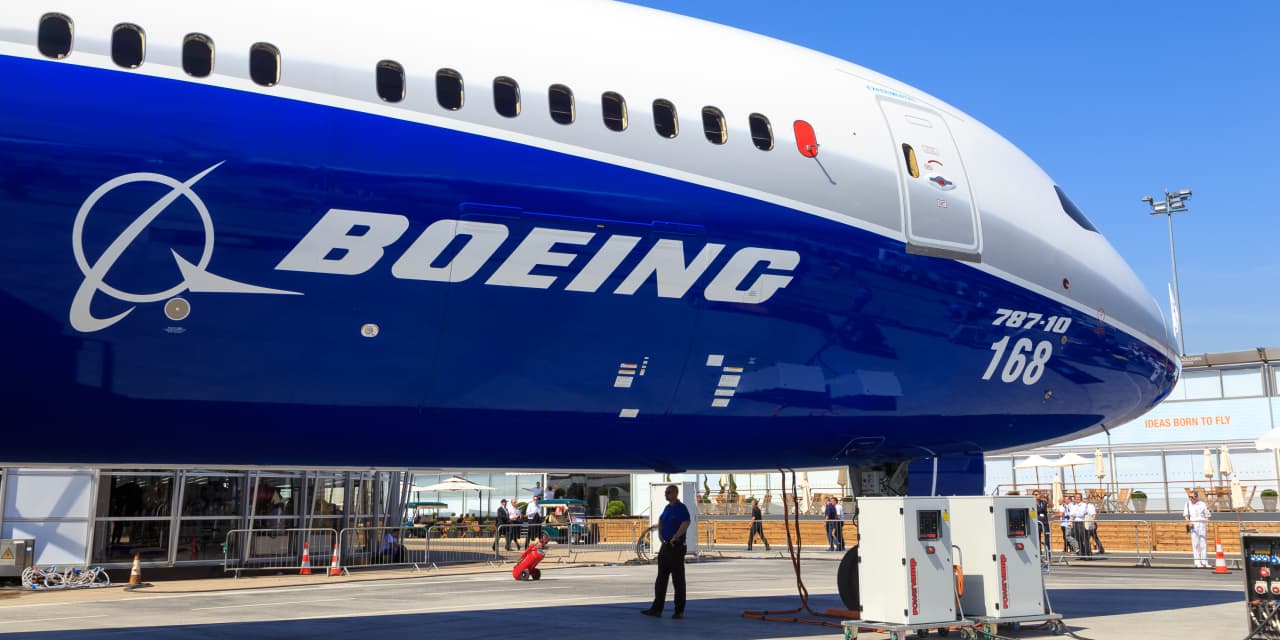
US Stocks Rise on US-Iran Peace Deal Optimism


- Market Rally: The S&P 500 rose 1.08%, the Dow Jones increased by 0.14%, and the Nasdaq 100 surged 2.48% as optimism over the US-Iran peace deal eased inflation risks, reflecting a positive market sentiment.
- Chip Sector Surge: Intel's stock jumped over 10% after President Trump announced a partnership with Apple to design and produce semiconductors domestically, leading the iShares Semiconductor ETF to rise more than 7%, indicating strong momentum in the tech sector.
- Energy Stocks Weaken: WTI crude oil prices fell to a 3.5-month low, causing significant declines in energy stocks, with SLB, ConocoPhillips, and Halliburton dropping over 3%, highlighting concerns over energy price volatility.
- Supportive Economic Data: Initial jobless claims fell to 226,000, close to the expected 225,000, indicating labor market strength, while the Philadelphia Fed business outlook index rose to 10.3, surpassing expectations, further boosting investor confidence.
See More

Kroger Reports Significant eCommerce Growth and Profitability Improvement
- Strong eCommerce Growth: Kroger's eCommerce segment achieved a 19% increase, primarily driven by delivery services, and turned profitable for the first time, indicating success in its digital transformation and expected to enhance market competitiveness further.
- Brand Market Share Gains: The 'Our Brands' segment gained 175 basis points in market share, outpacing national brands, demonstrating strong momentum in private label offerings that will help improve overall profit margins.
- Significant Cost Savings Progress: Kroger achieved cost savings 30% ahead of plan in Q1, supporting its pricing investment strategy, which is expected to enhance customer price perception and purchasing power.
- Operating Cost Pressure: Despite sales growth, operating costs are rising at a faster pace, forcing the company to implement urgent cost-cutting measures to address adverse market conditions and maintain profitability.
See More
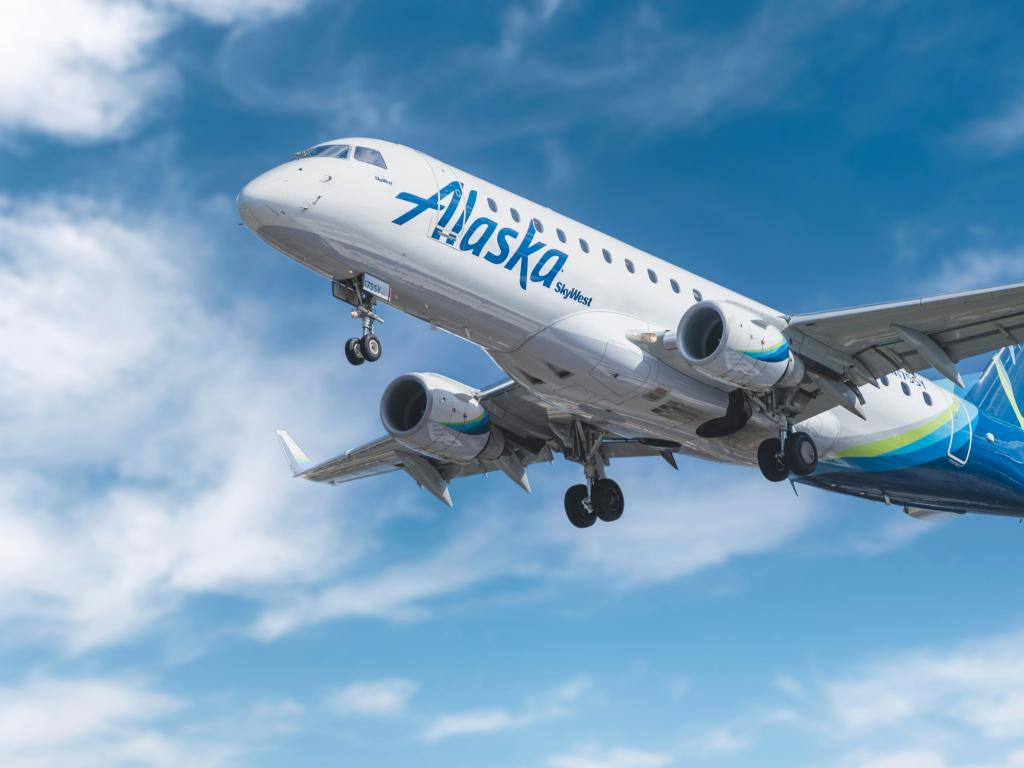
US Stocks Surge as Geopolitical Risks Ease
- Market Rebound: The signing of a preliminary deal by President Trump to end the US-Iran war has driven crude oil prices to a 3.5-month low, resulting in a broad market rally with the S&P 500 up 0.99% and the Nasdaq 100 up 2.16%, indicating a resurgence in risk appetite among investors.
- Chip Stocks Lead Gains: Intel shares surged 7% after Trump announced a partnership with Apple to design and produce semiconductors domestically, propelling the entire semiconductor sector higher, with the iShares Semiconductor ETF rising over 5%, reflecting strong investor confidence in tech stocks.
- Energy Stocks Under Pressure: Crude oil prices fell more than 3%, putting pressure on energy producers, with major companies like ExxonMobil and Chevron experiencing declines, highlighting market concerns regarding the energy sector's outlook amid falling oil prices.
- Supportive Economic Data: Initial jobless claims in the US fell to 226,000, close to the expected 225,000, indicating labor market resilience, while the Philadelphia Fed business outlook index rose to 10.3, exceeding expectations, further bolstering market optimism.
See More
Kroger Q1 2026 Earnings Call Insights
- Rising Operating Costs: CEO Gregory Foran highlighted that Kroger's operating costs are growing faster than sales, posing sustainability challenges, and emphasized that cutting costs is essential to ensure future profitability.
- E-commerce Profitability: In Q1, Kroger's e-commerce business, including media, turned profitable for the first time, driving overall sales growth of 1%, indicating the company's adaptation to the rapidly changing retail landscape and its ability to seize market opportunities.
- Stable Financial Performance: Kroger reported an adjusted EPS of $1.58, slightly missing expectations, while adjusted FIFO operating profit reached $1.5 billion, demonstrating the company's efforts to maintain profitability amid challenging conditions.
- Optimistic Outlook: Despite facing transportation cost pressures and pharmacy sales headwinds, Kroger reaffirmed its full-year guidance, expecting Q2 sales to be in line with Q1, with growth accelerating in the second half, reflecting management's confidence in cost-saving initiatives.
See More
Kroger's Q1 Earnings Fall Short of Expectations
- Sales Growth: Kroger's adjusted sales increased by 0.5% year-over-year to $46 billion in Q1, falling short of investor expectations, indicating heightened competitive pressures in the supermarket sector.
- Same-Store Sales Performance: Excluding fuel, Kroger's same-store sales rose by 1%, but CEO Greg Foran emphasized the need to close the gap between the best-performing stores and the rest to enhance overall operational efficiency.
- Declining Gross Margin: Kroger's gross margin decreased from 23% to 22.7% year-over-year, primarily due to rising shipping costs and price reductions, which further compressed the company's operating profit.
- Stable Profit Outlook: Despite a less than 2% increase in adjusted operating profit to $1.5 billion in Q1, Kroger maintains its full-year adjusted operating profit forecast of approximately $5.1 billion, reflecting management's confidence in achieving financial targets.
See More
Kroger Faces Sales Slump as CEO Unveils Turnaround Plan
- Sales Growth Struggles: Kroger's adjusted sales for the fiscal first quarter rose only 0.5% year-over-year to $46 billion, with identical sales excluding fuel increasing by 1%, failing to meet investor expectations and resulting in a stock price decline.
- Declining Gross Margin: The company's gross margin fell to 22.7% from 23% in the prior year, primarily due to rising shipping costs and price reductions, further squeezing operating profits.
- Slight Profit Increase: Kroger's adjusted operating profit increased by less than 2% to $1.5 billion, while adjusted earnings per share rose 6% to $1.58, slightly below Wall Street's estimate of $1.59, indicating ongoing profitability challenges.
- Cost Control Strategy: CEO Greg Foran highlighted that operating costs are growing faster than sales, and he plans to reverse this trend by cutting costs, viewing it as essential for the company's future development.
See More
US Stocks Rise on US-Iran Peace Deal Optimism
- Market Rally: The S&P 500 rose 1.08%, the Dow Jones increased by 0.14%, and the Nasdaq 100 surged 2.48% as optimism over the US-Iran peace deal eased inflation risks, reflecting a positive market sentiment.
- Chip Sector Surge: Intel's stock jumped over 10% after President Trump announced a partnership with Apple to design and produce semiconductors domestically, leading the iShares Semiconductor ETF to rise more than 7%, indicating strong momentum in the tech sector.
- Energy Stocks Weaken: WTI crude oil prices fell to a 3.5-month low, causing significant declines in energy stocks, with SLB, ConocoPhillips, and Halliburton dropping over 3%, highlighting concerns over energy price volatility.
- Supportive Economic Data: Initial jobless claims fell to 226,000, close to the expected 225,000, indicating labor market strength, while the Philadelphia Fed business outlook index rose to 10.3, surpassing expectations, further boosting investor confidence.
See More
Kroger Reports Significant eCommerce Growth and Profitability Improvement
- Strong eCommerce Growth: Kroger's eCommerce segment achieved a 19% increase, primarily driven by delivery services, and turned profitable for the first time, indicating success in its digital transformation and expected to enhance market competitiveness further.
- Brand Market Share Gains: The 'Our Brands' segment gained 175 basis points in market share, outpacing national brands, demonstrating strong momentum in private label offerings that will help improve overall profit margins.
- Significant Cost Savings Progress: Kroger achieved cost savings 30% ahead of plan in Q1, supporting its pricing investment strategy, which is expected to enhance customer price perception and purchasing power.
- Operating Cost Pressure: Despite sales growth, operating costs are rising at a faster pace, forcing the company to implement urgent cost-cutting measures to address adverse market conditions and maintain profitability.
See More
US Stocks Surge as Geopolitical Risks Ease
- Market Rebound: The signing of a preliminary deal by President Trump to end the US-Iran war has driven crude oil prices to a 3.5-month low, resulting in a broad market rally with the S&P 500 up 0.99% and the Nasdaq 100 up 2.16%, indicating a resurgence in risk appetite among investors.
- Chip Stocks Lead Gains: Intel shares surged 7% after Trump announced a partnership with Apple to design and produce semiconductors domestically, propelling the entire semiconductor sector higher, with the iShares Semiconductor ETF rising over 5%, reflecting strong investor confidence in tech stocks.
- Energy Stocks Under Pressure: Crude oil prices fell more than 3%, putting pressure on energy producers, with major companies like ExxonMobil and Chevron experiencing declines, highlighting market concerns regarding the energy sector's outlook amid falling oil prices.
- Supportive Economic Data: Initial jobless claims in the US fell to 226,000, close to the expected 225,000, indicating labor market resilience, while the Philadelphia Fed business outlook index rose to 10.3, exceeding expectations, further bolstering market optimism.
See More