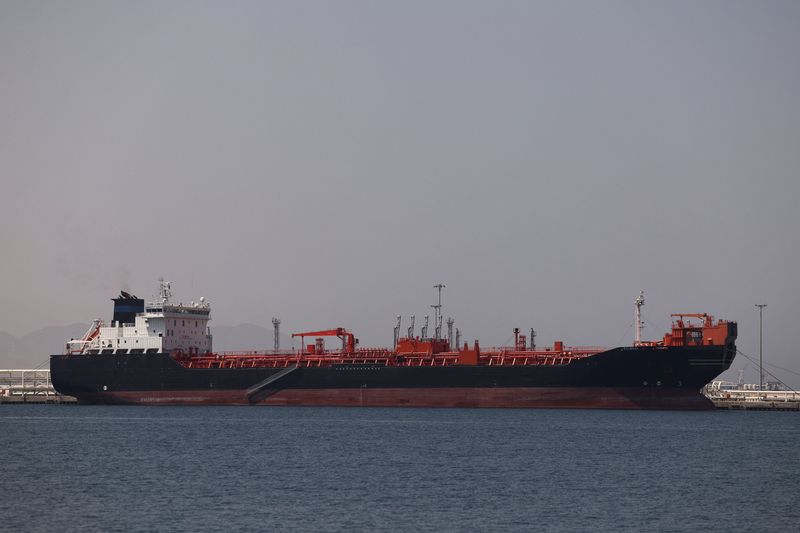
Kim Jong Un Reaffirms Defense Treaty with Russia
Written by Emily J. Thompson, Senior Investment Analyst
Updated: 58 minutes ago
0mins
Should l Buy LMT?
Source: Yahoo Finance
- Strategic Cooperation Reaffirmed: Kim Jong Un reaffirmed North Korea's mutual defense treaty with Russia in a formal message commemorating Victory Day, emphasizing prioritization of the partnership with Moscow, indicating a close geopolitical relationship between the two nations.
- Treaty Details Highlighted: The 'Comprehensive Strategic Partnership Treaty' mentioned by Kim, signed in 2024, includes mutual defense provisions that fundamentally alter the geopolitical landscape in Eurasia, potentially impacting future international security dynamics.
- Current Military Support: North Korea is currently providing direct support to Russian military efforts in Ukraine, with estimates of approximately 14,000 troops deployed in the Kursk region, demonstrating deep military cooperation between the two countries.
- Ceasefire Agreement Impact: Despite the three-day ceasefire agreement reached between Ukraine and Russia, Kim's reaffirmation indicates that the deepening military axis between Moscow and Pyongyang will continue to influence global defense and security spending projections.
Trade with 70% Backtested Accuracy
Stop guessing "Should I Buy LMT?" and start using high-conviction signals backed by rigorous historical data.
Sign up today to access powerful investing tools and make smarter, data-driven decisions.
Analyst Views on LMT
Wall Street analysts forecast LMT stock price to rise
12 Analyst Rating
4 Buy
7 Hold
1 Sell
Hold
Current: 512.410

Low
430.00
Averages
535.50
High
605.00
Current: 512.410
Low
430.00
Averages
535.50
High
605.00
About LMT
Lockheed Martin Corporation is a global aerospace and defense company. The Company is engaged in the research, design, development, manufacture, integration and sustainment of advanced technology systems, products and services. Its segments include Aeronautics, Missiles and Fire Control (MFC), Rotary and Mission Systems (RMS) and Space. Aeronautics segment is engaged in the research, design, development, manufacture, integration, sustainment, support and upgrade of advanced military aircraft. MFC segment provides air and missile defense systems, manned and unmanned ground vehicles, energy management solutions, and others. RMS segment designs, manufactures, services and supports various military and commercial helicopters, surface ships, sea and land-based missile defense systems, and others. Its Space segment is engaged in the research and design, development, engineering and production of satellites, space transportation systems, and strategic, advanced strike, and defensive systems.
About the author

Emily J. Thompson
Emily J. Thompson, a Chartered Financial Analyst (CFA) with 12 years in investment research, graduated with honors from the Wharton School. Specializing in industrial and technology stocks, she provides in-depth analysis for Intellectia’s earnings and market brief reports.
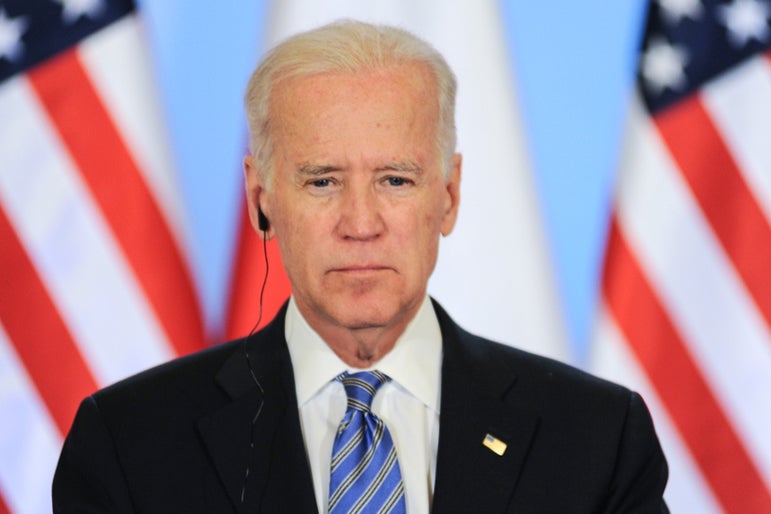
Taiwan's First Indigenous Submarine Successfully Launches Torpedo

- Successful Torpedo Launch: Taiwan's first indigenous submarine, Narwhal, successfully completed its inaugural torpedo launch test, marking a significant step in bolstering naval defenses amid rising tensions with China.
- Military Modernization Efforts: This test is part of Taiwan's broader military modernization initiative aimed at enhancing maritime defense capabilities to secure key shipping routes, demonstrating the island's firm stance against China's territorial claims.
- Technology Collaboration and Development: The submarine program has incorporated technology and expertise from countries like the United States and the United Kingdom, and the combat system of Narwhal has been validated, covering critical elements such as target detection, fire control, and launch capabilities.
- Future Development Plans: Taiwan aims to deploy at least two locally produced submarines by 2027, with a vision of ultimately fielding a fleet of eight vessels, although the delivery of Narwhal has been delayed to 2024, reflecting Taiwan's strategic resolve in the face of China's naval strength.
See More

Kim Jong Un Reaffirms Defense Treaty with Russia
- Strategic Cooperation Reaffirmed: Kim Jong Un reaffirmed North Korea's mutual defense treaty with Russia in a formal message commemorating Victory Day, emphasizing prioritization of the partnership with Moscow, indicating a close geopolitical relationship between the two nations.
- Treaty Details Highlighted: The 'Comprehensive Strategic Partnership Treaty' mentioned by Kim, signed in 2024, includes mutual defense provisions that fundamentally alter the geopolitical landscape in Eurasia, potentially impacting future international security dynamics.
- Current Military Support: North Korea is currently providing direct support to Russian military efforts in Ukraine, with estimates of approximately 14,000 troops deployed in the Kursk region, demonstrating deep military cooperation between the two countries.
- Ceasefire Agreement Impact: Despite the three-day ceasefire agreement reached between Ukraine and Russia, Kim's reaffirmation indicates that the deepening military axis between Moscow and Pyongyang will continue to influence global defense and security spending projections.
See More
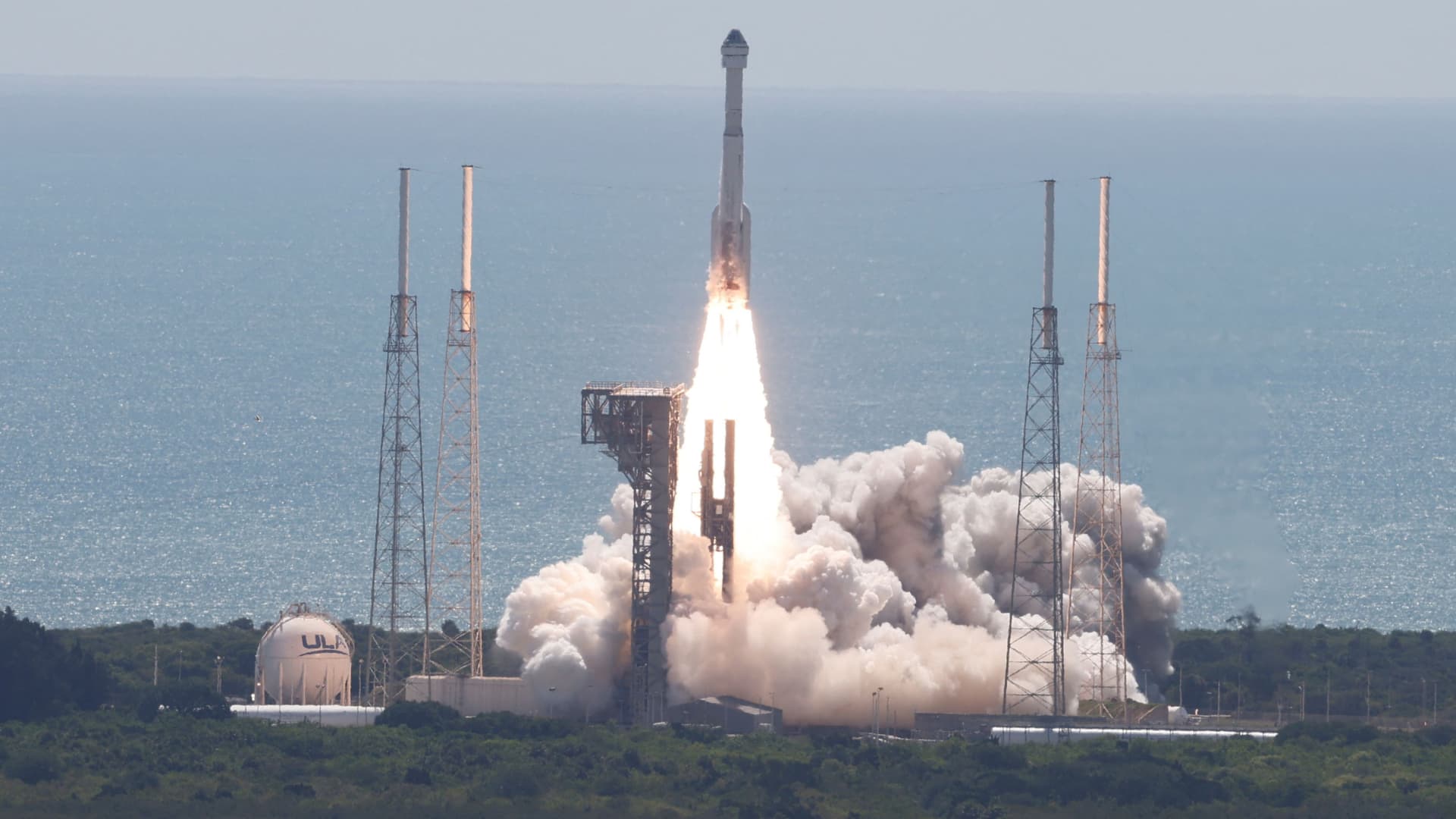
Taiwan Military Spending Delays Seen as Concession to China
- Budget Cuts: Taiwan's President Lai Ching-te's request for $40 billion in supplementary defense spending saw only two-thirds approved, all earmarked for U.S. weapons, excluding domestically developed drones and missiles, which may create capability gaps and impact overall security.
- Countering Chinese Pressure: The U.S. State Department stated that further delays in funding are viewed as a concession to the Chinese Communist Party, despite ongoing support for Taiwan's acquisition of critical defense capabilities, reflecting the U.S.'s commitment to Taiwan's defense.
- Defense Capability Gaps: Taiwan's defense ministry highlighted the exclusion of the
See More
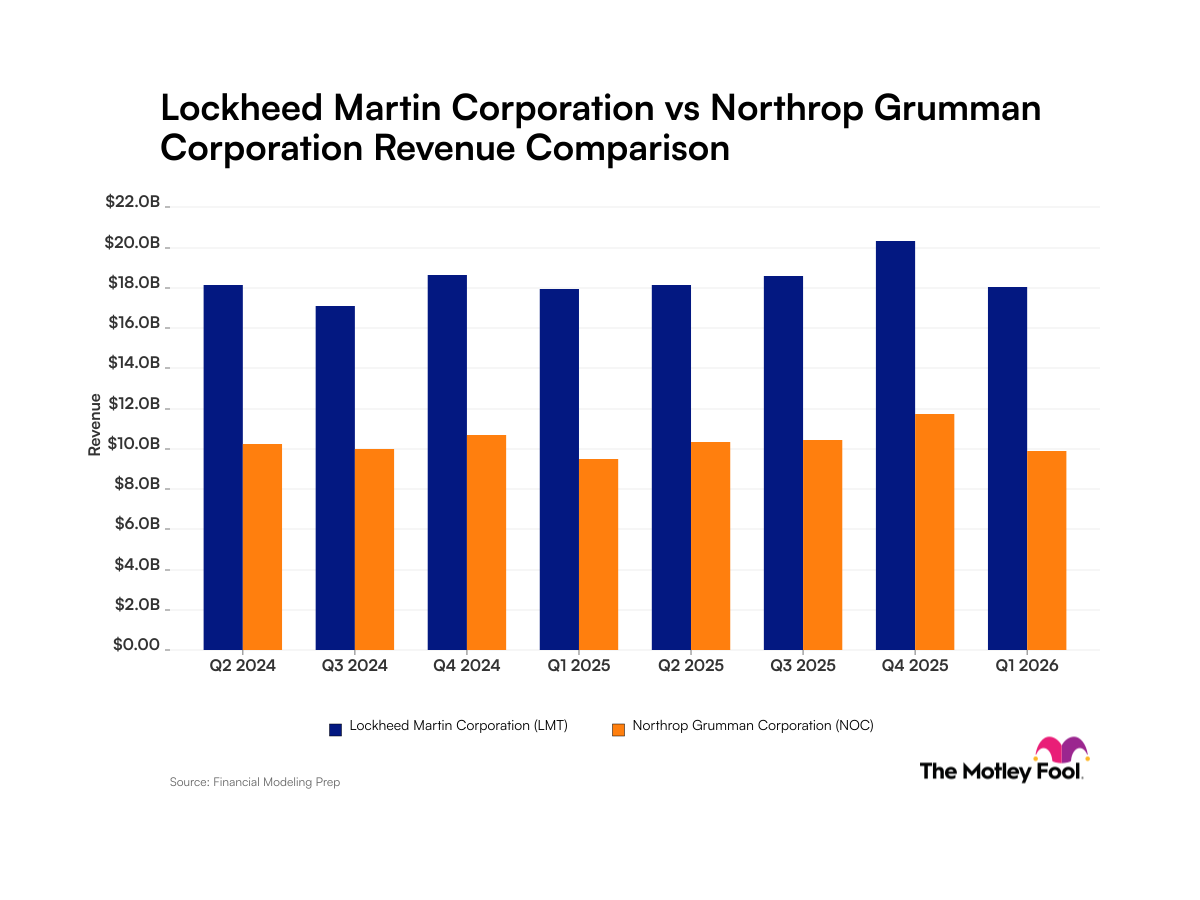
Lockheed Martin and Northrop Grumman Expand Defense Production
- Production Capacity Boost: Lockheed Martin has signed a framework agreement to quadruple the production capacity of specific defense interceptors, which is expected to significantly enhance its competitiveness and market share in the defense sector.
- Bomber Output Increase: Northrop Grumman has reached an agreement to increase bomber production capacity by 25%, which not only meets the growing defense demand but also has the potential to elevate the company's overall revenue and market position.
- Strong Financial Performance: Lockheed Martin reported revenue of $18.1 billion in Q2 2024, while Northrop Grumman's revenue stood at $10.2 billion, showcasing robust performance in the defense sector that attracts investor interest.
- Investment Appeal: Lockheed Martin has a market cap of approximately $117 billion, a P/E ratio of 25x, and a dividend yield of 2.7%, while Northrop Grumman has a market cap of about $78 billion, a P/E ratio of 17x, and a dividend yield of 1.7%, offering diverse options for different types of investors.
See More
Lockheed Martin Stock Price Fluctuation Analysis
- Stock Price Decline: Since the onset of conflict, Lockheed Martin's shares have dropped over 28%, now approaching key technical support levels, which presents intriguing opportunities for both short-term rebounds and long-term entry points.
- Defense Spending Outlook: With increasing demand for military supplies, defense spending may become a hot-button issue in elections, although both parties typically do not neglect this area, highlighting the strategic significance of the sector.
- Technical Analysis Pattern: The stock has formed a classic head-and-shoulders topping pattern with a target price of $510, stopping right at a major support area, indicating potential trend changes and market reactions.
- Buying Strategy Recommendation: It is advised to gradually buy in the $500-$515 range, with considerations to cost average at $485 if the price breaks below $500, demonstrating potential for long-term holding and short-term rebound opportunities.
See More
Palantir Joins U.S. Army Hackathon to Boost Growth


- Stock Recovery: After two days of decline, Palantir's stock rebounded by 4.2% on Thursday, reaching $137.76 per share, reflecting market confidence in its growth potential.
- Hackathon Participation: Palantir announced its participation in an upcoming U.S. Army hackathon, aiming to showcase its technical capabilities and compete with other defense firms, potentially opening new avenues for government sales growth.
- Growth Concerns: Despite achieving an 85% year-over-year growth rate last quarter, Palantir's slower new contract growth has resulted in a book-to-bill ratio below 1.0, leading to cautious investor sentiment regarding future sales growth.
- Government vs. Commercial Sales: According to S&P Global Market Intelligence, Palantir's government sales grew only 76%, significantly lower than the 95% growth in commercial sales, highlighting both challenges and opportunities in the government market.
See More
Taiwan's First Indigenous Submarine Successfully Launches Torpedo
- Successful Torpedo Launch: Taiwan's first indigenous submarine, Narwhal, successfully completed its inaugural torpedo launch test, marking a significant step in bolstering naval defenses amid rising tensions with China.
- Military Modernization Efforts: This test is part of Taiwan's broader military modernization initiative aimed at enhancing maritime defense capabilities to secure key shipping routes, demonstrating the island's firm stance against China's territorial claims.
- Technology Collaboration and Development: The submarine program has incorporated technology and expertise from countries like the United States and the United Kingdom, and the combat system of Narwhal has been validated, covering critical elements such as target detection, fire control, and launch capabilities.
- Future Development Plans: Taiwan aims to deploy at least two locally produced submarines by 2027, with a vision of ultimately fielding a fleet of eight vessels, although the delivery of Narwhal has been delayed to 2024, reflecting Taiwan's strategic resolve in the face of China's naval strength.
See More
Kim Jong Un Reaffirms Defense Treaty with Russia
- Strategic Cooperation Reaffirmed: Kim Jong Un reaffirmed North Korea's mutual defense treaty with Russia in a formal message commemorating Victory Day, emphasizing prioritization of the partnership with Moscow, indicating a close geopolitical relationship between the two nations.
- Treaty Details Highlighted: The 'Comprehensive Strategic Partnership Treaty' mentioned by Kim, signed in 2024, includes mutual defense provisions that fundamentally alter the geopolitical landscape in Eurasia, potentially impacting future international security dynamics.
- Current Military Support: North Korea is currently providing direct support to Russian military efforts in Ukraine, with estimates of approximately 14,000 troops deployed in the Kursk region, demonstrating deep military cooperation between the two countries.
- Ceasefire Agreement Impact: Despite the three-day ceasefire agreement reached between Ukraine and Russia, Kim's reaffirmation indicates that the deepening military axis between Moscow and Pyongyang will continue to influence global defense and security spending projections.
See More
Taiwan Military Spending Delays Seen as Concession to China
- Budget Cuts: Taiwan's President Lai Ching-te's request for $40 billion in supplementary defense spending saw only two-thirds approved, all earmarked for U.S. weapons, excluding domestically developed drones and missiles, which may create capability gaps and impact overall security.
- Countering Chinese Pressure: The U.S. State Department stated that further delays in funding are viewed as a concession to the Chinese Communist Party, despite ongoing support for Taiwan's acquisition of critical defense capabilities, reflecting the U.S.'s commitment to Taiwan's defense.
- Defense Capability Gaps: Taiwan's defense ministry highlighted the exclusion of the
See More
Lockheed Martin and Northrop Grumman Expand Defense Production
- Production Capacity Boost: Lockheed Martin has signed a framework agreement to quadruple the production capacity of specific defense interceptors, which is expected to significantly enhance its competitiveness and market share in the defense sector.
- Bomber Output Increase: Northrop Grumman has reached an agreement to increase bomber production capacity by 25%, which not only meets the growing defense demand but also has the potential to elevate the company's overall revenue and market position.
- Strong Financial Performance: Lockheed Martin reported revenue of $18.1 billion in Q2 2024, while Northrop Grumman's revenue stood at $10.2 billion, showcasing robust performance in the defense sector that attracts investor interest.
- Investment Appeal: Lockheed Martin has a market cap of approximately $117 billion, a P/E ratio of 25x, and a dividend yield of 2.7%, while Northrop Grumman has a market cap of about $78 billion, a P/E ratio of 17x, and a dividend yield of 1.7%, offering diverse options for different types of investors.
See More
Lockheed Martin Stock Price Fluctuation Analysis
- Stock Price Decline: Since the onset of conflict, Lockheed Martin's shares have dropped over 28%, now approaching key technical support levels, which presents intriguing opportunities for both short-term rebounds and long-term entry points.
- Defense Spending Outlook: With increasing demand for military supplies, defense spending may become a hot-button issue in elections, although both parties typically do not neglect this area, highlighting the strategic significance of the sector.
- Technical Analysis Pattern: The stock has formed a classic head-and-shoulders topping pattern with a target price of $510, stopping right at a major support area, indicating potential trend changes and market reactions.
- Buying Strategy Recommendation: It is advised to gradually buy in the $500-$515 range, with considerations to cost average at $485 if the price breaks below $500, demonstrating potential for long-term holding and short-term rebound opportunities.
See More
Palantir Joins U.S. Army Hackathon to Boost Growth
- Stock Recovery: After two days of decline, Palantir's stock rebounded by 4.2% on Thursday, reaching $137.76 per share, reflecting market confidence in its growth potential.
- Hackathon Participation: Palantir announced its participation in an upcoming U.S. Army hackathon, aiming to showcase its technical capabilities and compete with other defense firms, potentially opening new avenues for government sales growth.
- Growth Concerns: Despite achieving an 85% year-over-year growth rate last quarter, Palantir's slower new contract growth has resulted in a book-to-bill ratio below 1.0, leading to cautious investor sentiment regarding future sales growth.
- Government vs. Commercial Sales: According to S&P Global Market Intelligence, Palantir's government sales grew only 76%, significantly lower than the 95% growth in commercial sales, highlighting both challenges and opportunities in the government market.
See More