Key Role of U.S. Navy in Iran Blockade
Written by Emily J. Thompson, Senior Investment Analyst
Updated: 2 days ago
0mins

Source: Fool
- Naval Blockade Strategy: President Trump announced an indefinite extension of the naval blockade against Iran, indicating that U.S. military presence in the Middle East will persist, potentially impacting global oil prices and geopolitical stability.
- Defense Contractor Performance: Huntington Ingalls Industries (HII), valued at nearly $15 billion with $12.5 billion in annual revenue, is responsible for building approximately 70% of the U.S. Navy fleet, highlighting its critical role in national defense despite its smaller size.
- Investment Appeal: With a price-to-earnings ratio of 24, below the S&P 500's 30, and an expected 15% earnings growth over the next five years, Huntington Ingalls presents an attractive opportunity for investors looking for growth potential.
- Navy Expansion Plans: The U.S. Navy aims to increase its battle force from 293 ships to 300 by 2030, with a $1 trillion investment over the next 30 years to acquire 364 new ships, further solidifying the market positions of Huntington Ingalls and General Dynamics.
Trade with 70% Backtested Accuracy
Stop guessing "Should I Buy GD?" and start using high-conviction signals backed by rigorous historical data.
Sign up today to access powerful investing tools and make smarter, data-driven decisions.
Analyst Views on GD
Wall Street analysts forecast GD stock price to rise
15 Analyst Rating
7 Buy
8 Hold
0 Sell
Moderate Buy
Current: 318.710

Low
360.00
Averages
386.85
High
410.00
Current: 318.710
Low
360.00
Averages
386.85
High
410.00
About GD
General Dynamics Corporation is a global aerospace and defense company. It offers a portfolio of products and services in business aviation; ship construction and repair; land combat vehicles, weapons systems and munitions, and technology products and services. Its segments include Aerospace, Marine Systems, Combat Systems and Technologies. The Aerospace segment produces business jets and is the standard bearer in new technology aircraft, aircraft repair, customer support and custom completion services. The Marine Systems segment designs and builds nuclear-powered submarines and is engaged in surface combatant and auxiliary ship design and construction for the U.S. Navy. The Combat Systems segment manufactures land combat solutions worldwide, including wheeled and tracked combat vehicles, weapons systems and munitions. The Technologies segment provides a full spectrum of services, technologies and products to a range of military, intelligence, federal civilian and state customers.
About the author

Emily J. Thompson
Emily J. Thompson, a Chartered Financial Analyst (CFA) with 12 years in investment research, graduated with honors from the Wharton School. Specializing in industrial and technology stocks, she provides in-depth analysis for Intellectia’s earnings and market brief reports.

General Dynamics Unit Secures $196.6M Submarine Contract

- Significant Contract Value: General Dynamics' Electric Boat unit has secured a $196.6 million contract for submarine engineering, design, and technical support, focusing on nuclear submarine capabilities and sustainment, indicating strong demand in the defense sector.
- Potential Contract Value: If all options are exercised, the total contract value could reach $930.4 million, reflecting potential revenue growth and enhancing investor confidence in the company's long-term financial performance.
- Funding Assurance: Approximately $28.1 million in foreign partner funds will be obligated at the time of award, which will not expire at the end of the current fiscal year, ensuring liquidity and stability for the project.
- Project Timeline: The work is expected to be completed by April 2027, with the possibility of extension to April 2031 if fully exercised, demonstrating the company's strategic positioning in long-term defense projects.
See More

US Southern Command Strikes Vessel in Eastern Pacific, Killing Two

- Strike Overview: The US Southern Command confirmed a strike on a vessel in the Eastern Pacific, resulting in the deaths of two individuals identified as 'male narco-terrorists,' marking the latest effort under the Trump administration to combat drug trafficking and demonstrating a commitment to aggressive counter-narcotics strategies.
- Casualty Statistics: Since September, over 170 individuals have been reported killed in similar operations, which the military claims are necessary to combat designated terrorist organizations and disrupt smuggling networks, yet these actions have drawn sharp condemnation from human rights advocates who label them as 'unlawful extrajudicial killings.'
- Human Rights Controversy: Organizations like Human Rights Watch and Amnesty International have criticized these military actions, calling them 'extrajudicial killings,' while the American Civil Liberties Union challenges the administration's narrative, asserting that the justifications for targeting specific vessels are unsubstantiated and fear-mongering.
- Market and Policy Implications: Investors and global observers view the escalating campaign as a shift towards more aggressive military strategies in counter-narcotics, with current operations confined to specific Pacific corridors, but their potential expansion could heighten security tensions in international waters and provoke broader diplomatic repercussions.
See More

U.S. Stocks Near All-Time Highs as Investors Eye Tech Giants' Earnings


- Strong Market Performance: The S&P 500 and Nasdaq Composite indices reached new all-time highs in April, rising over 8% and 13% respectively, indicating robust market resilience despite ongoing geopolitical tensions and AI disruption concerns, reflecting investor confidence in tech stocks.
- Earnings Pressure on Tech Giants: Next week, five of the 'Magnificent Seven' companies will report earnings, with market expectations for them to demonstrate sufficient revenue growth to justify their high AI expenditures; Alphabet, Amazon, Meta, and Microsoft have all seen stock price increases of over 10% this month, highlighting the market's keen interest in their performance.
- Federal Reserve Meeting Impact: This is expected to be Jerome Powell's last meeting as chair, with the market widely anticipating that the Fed will keep interest rates unchanged, although rising oil prices could complicate future monetary policy, necessitating close attention to how this dynamic may affect the market.
- Cautious Investor Sentiment: As the traditional market adage 'Sell in May' approaches, investors remain wary of potential downside risks, particularly in light of poor software stock performance and rising oil prices, which could further dampen market sentiment.
See More
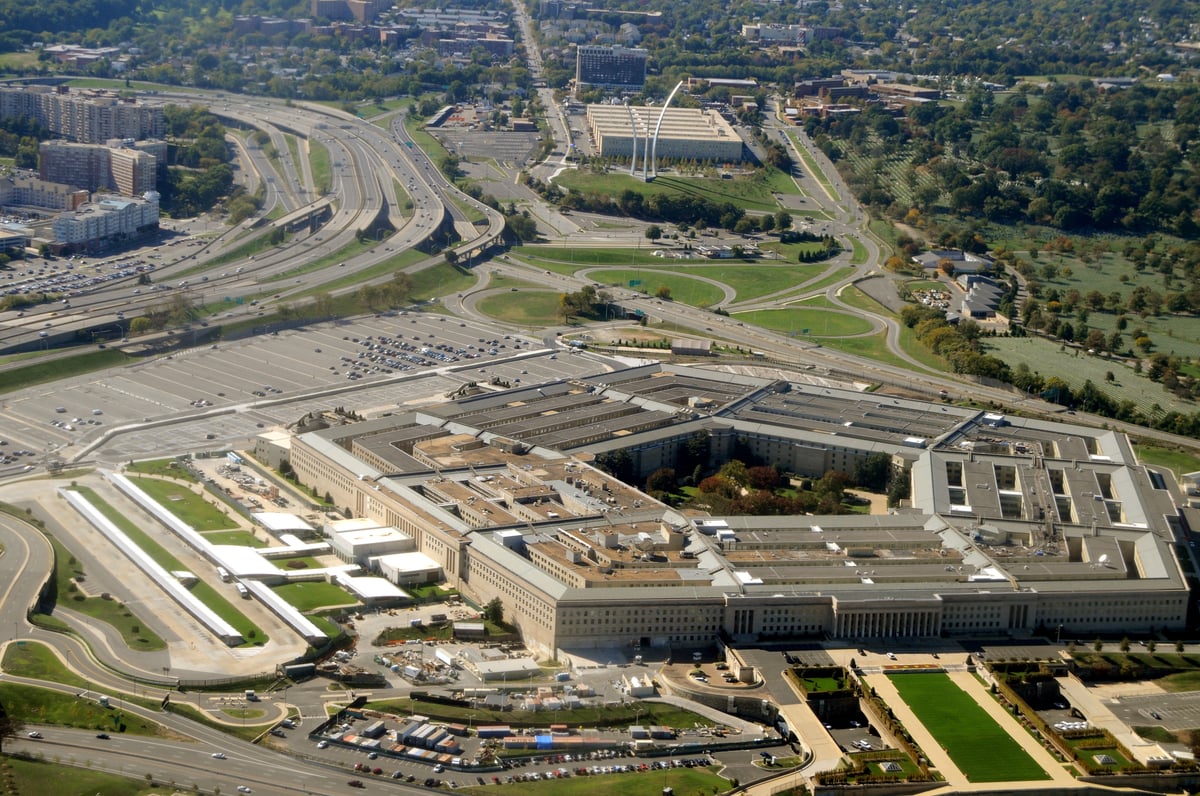
U.S. Defense Budget Set for Major Increase Amid Ongoing War Costs


- Defense Budget Increase: The Pentagon plans to raise the fiscal 2027 budget to $1.5 trillion, a significant increase from the $890 billion authorized for fiscal 2026, reflecting a strong commitment to military spending amid ongoing war costs in Iran.
- Focus on Arms Procurement: An estimated 52% of the new budget will be allocated for purchasing munitions, aircraft, tanks, and ships, with Boeing's KC-46A tanker production expected to receive a boost, potentially adding hundreds of millions in orders for the company.
- Accelerated F-35 Production: The Pentagon's budget envisions nearly doubling F-35 production from 47 units in 2026 to 85 in 2027, which translates to $15.4 billion in revenue for Lockheed Martin, further solidifying its position in the defense market.
- Naval Shipbuilding Investment: Approximately $65.8 billion is earmarked for naval shipbuilding, with plans to acquire 18 new warships and 16 support vessels, where General Dynamics is likely to secure a majority of contracts due to its expertise in support ship construction, enhancing its market share.
See More

Pentagon Proposes $1.5 Trillion Defense Budget for 2027
- Significant Defense Budget Increase: The Pentagon's proposal to raise the 2027 defense budget to $1.5 trillion includes over $600 billion in spending increases primarily for military hardware from Boeing, Lockheed Martin, and General Dynamics, highlighting the U.S. commitment to defense spending.
- F-35 Production Nearly Doubles: The budget plan envisions Lockheed Martin increasing F-35 production from 47 units in 2026 to 85 in 2027, translating to an additional $15.4 billion in revenue for Lockheed, thereby reinforcing its leadership in the defense sector.
- Substantial Naval Shipbuilding Investment: Approximately $65.8 billion is earmarked for naval shipbuilding, with plans to acquire 18 new warships and 16 support vessels, creating significant contract opportunities for General Dynamics and Huntington Ingalls, particularly enhancing General Dynamics' position in support vessel construction.
- Rising Demand for Aerial Refueling Tankers: The Pentagon's plan to increase production of Boeing's KC-46A tankers in 2027 is expected to add hundreds of millions of dollars to Boeing's backlog, reflecting the urgent need for aerial refueling capabilities in the context of extended military operations.
See More

U.S. Deploys Unmanned Naval Systems in Strait of Hormuz
- Unmanned Systems Advantage: The U.S. military's deployment of next-generation unmanned surface vessels and submarine drones in the Strait of Hormuz utilizes sonar technology for mine-clearing operations, significantly reducing personnel risk while enhancing operational efficiency, highlighting the importance of unmanned technology in naval warfare.
- Threat Scale Assessment: U.S. intelligence officials indicate that the number of mines Iran has laid in the strait may be relatively modest, potentially only a few dozen, covertly deployed from small fishing and cargo vessels at night, which, despite their limited number, poses a significant threat to commercial shipping and impacts the overall perception of safety in the waterway.
- Shipping Recovery Challenges: Even if mines are cleared, the process of restoring normal shipping volumes is expected to be slow, with estimates suggesting it could take weeks or months to address the backlog of over a thousand stranded vessels, illustrating the immense pressure on the U.S. Navy operating with limited resources.
- Strategic Value: Progress in mine clearance carries diplomatic significance beyond military tasks, as it could exert pressure on Iran to seek a negotiated resolution, reflecting U.S. strategic intentions and influence in the region.
See More
General Dynamics Unit Secures $196.6M Submarine Contract
- Significant Contract Value: General Dynamics' Electric Boat unit has secured a $196.6 million contract for submarine engineering, design, and technical support, focusing on nuclear submarine capabilities and sustainment, indicating strong demand in the defense sector.
- Potential Contract Value: If all options are exercised, the total contract value could reach $930.4 million, reflecting potential revenue growth and enhancing investor confidence in the company's long-term financial performance.
- Funding Assurance: Approximately $28.1 million in foreign partner funds will be obligated at the time of award, which will not expire at the end of the current fiscal year, ensuring liquidity and stability for the project.
- Project Timeline: The work is expected to be completed by April 2027, with the possibility of extension to April 2031 if fully exercised, demonstrating the company's strategic positioning in long-term defense projects.
See More
US Southern Command Strikes Vessel in Eastern Pacific, Killing Two
- Strike Overview: The US Southern Command confirmed a strike on a vessel in the Eastern Pacific, resulting in the deaths of two individuals identified as 'male narco-terrorists,' marking the latest effort under the Trump administration to combat drug trafficking and demonstrating a commitment to aggressive counter-narcotics strategies.
- Casualty Statistics: Since September, over 170 individuals have been reported killed in similar operations, which the military claims are necessary to combat designated terrorist organizations and disrupt smuggling networks, yet these actions have drawn sharp condemnation from human rights advocates who label them as 'unlawful extrajudicial killings.'
- Human Rights Controversy: Organizations like Human Rights Watch and Amnesty International have criticized these military actions, calling them 'extrajudicial killings,' while the American Civil Liberties Union challenges the administration's narrative, asserting that the justifications for targeting specific vessels are unsubstantiated and fear-mongering.
- Market and Policy Implications: Investors and global observers view the escalating campaign as a shift towards more aggressive military strategies in counter-narcotics, with current operations confined to specific Pacific corridors, but their potential expansion could heighten security tensions in international waters and provoke broader diplomatic repercussions.
See More
U.S. Stocks Near All-Time Highs as Investors Eye Tech Giants' Earnings
- Strong Market Performance: The S&P 500 and Nasdaq Composite indices reached new all-time highs in April, rising over 8% and 13% respectively, indicating robust market resilience despite ongoing geopolitical tensions and AI disruption concerns, reflecting investor confidence in tech stocks.
- Earnings Pressure on Tech Giants: Next week, five of the 'Magnificent Seven' companies will report earnings, with market expectations for them to demonstrate sufficient revenue growth to justify their high AI expenditures; Alphabet, Amazon, Meta, and Microsoft have all seen stock price increases of over 10% this month, highlighting the market's keen interest in their performance.
- Federal Reserve Meeting Impact: This is expected to be Jerome Powell's last meeting as chair, with the market widely anticipating that the Fed will keep interest rates unchanged, although rising oil prices could complicate future monetary policy, necessitating close attention to how this dynamic may affect the market.
- Cautious Investor Sentiment: As the traditional market adage 'Sell in May' approaches, investors remain wary of potential downside risks, particularly in light of poor software stock performance and rising oil prices, which could further dampen market sentiment.
See More
U.S. Defense Budget Set for Major Increase Amid Ongoing War Costs
- Defense Budget Increase: The Pentagon plans to raise the fiscal 2027 budget to $1.5 trillion, a significant increase from the $890 billion authorized for fiscal 2026, reflecting a strong commitment to military spending amid ongoing war costs in Iran.
- Focus on Arms Procurement: An estimated 52% of the new budget will be allocated for purchasing munitions, aircraft, tanks, and ships, with Boeing's KC-46A tanker production expected to receive a boost, potentially adding hundreds of millions in orders for the company.
- Accelerated F-35 Production: The Pentagon's budget envisions nearly doubling F-35 production from 47 units in 2026 to 85 in 2027, which translates to $15.4 billion in revenue for Lockheed Martin, further solidifying its position in the defense market.
- Naval Shipbuilding Investment: Approximately $65.8 billion is earmarked for naval shipbuilding, with plans to acquire 18 new warships and 16 support vessels, where General Dynamics is likely to secure a majority of contracts due to its expertise in support ship construction, enhancing its market share.
See More
Pentagon Proposes $1.5 Trillion Defense Budget for 2027
- Significant Defense Budget Increase: The Pentagon's proposal to raise the 2027 defense budget to $1.5 trillion includes over $600 billion in spending increases primarily for military hardware from Boeing, Lockheed Martin, and General Dynamics, highlighting the U.S. commitment to defense spending.
- F-35 Production Nearly Doubles: The budget plan envisions Lockheed Martin increasing F-35 production from 47 units in 2026 to 85 in 2027, translating to an additional $15.4 billion in revenue for Lockheed, thereby reinforcing its leadership in the defense sector.
- Substantial Naval Shipbuilding Investment: Approximately $65.8 billion is earmarked for naval shipbuilding, with plans to acquire 18 new warships and 16 support vessels, creating significant contract opportunities for General Dynamics and Huntington Ingalls, particularly enhancing General Dynamics' position in support vessel construction.
- Rising Demand for Aerial Refueling Tankers: The Pentagon's plan to increase production of Boeing's KC-46A tankers in 2027 is expected to add hundreds of millions of dollars to Boeing's backlog, reflecting the urgent need for aerial refueling capabilities in the context of extended military operations.
See More
U.S. Deploys Unmanned Naval Systems in Strait of Hormuz
- Unmanned Systems Advantage: The U.S. military's deployment of next-generation unmanned surface vessels and submarine drones in the Strait of Hormuz utilizes sonar technology for mine-clearing operations, significantly reducing personnel risk while enhancing operational efficiency, highlighting the importance of unmanned technology in naval warfare.
- Threat Scale Assessment: U.S. intelligence officials indicate that the number of mines Iran has laid in the strait may be relatively modest, potentially only a few dozen, covertly deployed from small fishing and cargo vessels at night, which, despite their limited number, poses a significant threat to commercial shipping and impacts the overall perception of safety in the waterway.
- Shipping Recovery Challenges: Even if mines are cleared, the process of restoring normal shipping volumes is expected to be slow, with estimates suggesting it could take weeks or months to address the backlog of over a thousand stranded vessels, illustrating the immense pressure on the U.S. Navy operating with limited resources.
- Strategic Value: Progress in mine clearance carries diplomatic significance beyond military tasks, as it could exert pressure on Iran to seek a negotiated resolution, reflecting U.S. strategic intentions and influence in the region.
See More