Key Analyst Insights on NVIDIA, AT&T, and Amgen


NVIDIA's Performance: NVIDIA's shares have outperformed the semiconductor industry, driven by strong demand for AI and high-performance computing, although supply constraints and rising production costs pose challenges.
AT&T's Growth Strategy: AT&T is benefiting from a customer-focused business model and fiber expansion, with solid performance in its wireless segment, despite facing challenges in its wireline division and high debt levels.
Amgen's Sales Drivers: Amgen's stock has outperformed the biomedical industry, supported by strong sales from key drugs and new biosimilars, although it faces pricing pressures and competition that could impact future revenues.
Market Insights: The Zacks Research Daily highlights various stocks, including General Motors and L3Harris Technologies, noting their growth prospects and challenges, while emphasizing the importance of staying informed ahead of market trading.
Trade with 70% Backtested Accuracy
Analyst Views on LHX

About LHX
About the author


Trump's Upgraded Air Force One Nears Delivery

- New Aircraft Delivery: Trump inspected the upgraded Boeing 747 gifted by Qatar at Joint Base Andrews in Maryland, as the aircraft nears delivery to join the Air Force One fleet, marking a modernization of presidential travel.
- Security Concerns: Although the Air Force claims the new aircraft meets presidential standards, the expedited modification process skipped some planned upgrades, raising expert concerns about its security compared to the existing Air Force One.
- High Costs: Democratic senators estimate the conversion could exceed $1 billion, while Boeing's costs for the 747-8 program have ballooned to over $5 billion, with delivery now delayed until mid-2028.
- New Livery Design: The new aircraft features a red, white, dark blue, and gold livery, representing a departure from the white and blue design dating back to President Kennedy, and will also be applied to other transport aircraft for senior officials.
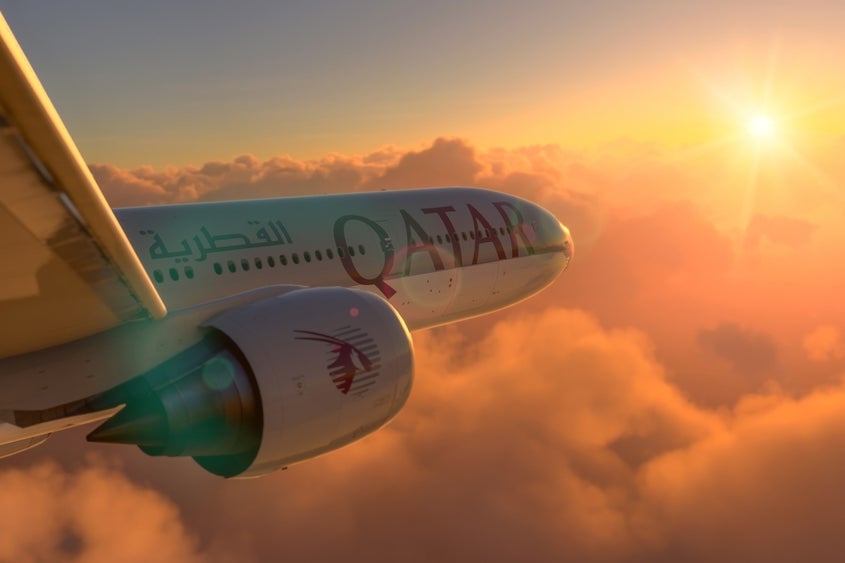
Trump Unveils New Air Force One Aircraft

- New Aircraft Unveiling: President Trump unveiled the new Air Force One, a Boeing 747-8 gifted by the Qatari government and overhauled by L3Harris Technologies, marking a modernization of presidential air travel services at Joint Base Andrews.
- Luxury Design Upgrade: The aircraft features a new red, white, and blue color scheme, replacing the existing baby blue livery, which Trump stated reflects his personal taste and showcases an unprecedented level of luxury, enhancing the image of presidential travel.
- Operational Efficiency Improvement: The new aircraft will undergo initial commissioning flights for final testing of modifications, expected to alleviate the strain on the two current VC-25A Air Force One planes that have been in service since the 1990s, thereby improving operational efficiency for presidential air travel.
- Future Delivery Plans: This new aircraft will serve as a temporary replacement until Boeing delivers two new VC-25B jets in 2028, ensuring the continuity and reliability of presidential air services while preparing for future aviation needs.
L3Harris Delivers VC-25B Bridge Aircraft to U.S. Air Force
- Delivery Milestone: L3Harris transformed a 747-8i into the first VC-25B in just 10 months, ensuring continuity of the Presidential Airlift mission and marking a significant advancement in the modernization of the Air Force One fleet.
- Efficient Production: To meet the accelerated delivery timeline, the team operated around the clock in three shifts, demonstrating deep expertise and commitment to customer needs, ensuring production readiness when required.
- Strategic Investment: By investing early in the program ahead of formal demand, L3Harris ensured sufficient capacity and talent were in place when the customer needed them, reflecting the rapid response capability within the defense industrial base.
- Enhanced Communication Capability: The VC-25B is equipped with a new communications system that provides the Office of the President with an airborne command post, ensuring secure and resilient connectivity to respond to global events seamlessly.

Oil & Gas Exploration Stocks Lag on Thursday

- Market Decline: On Thursday, oil and gas exploration and production stocks collectively fell by approximately 2.5%, indicating pressure on the sector amid increasing market volatility.
- HighPeak Energy Leads Drop: HighPeak Energy shares dropped around 8.9%, reflecting investor concerns about the company's future profitability, which could lead to capital outflows and impact its market valuation.
- PEDEVCO Follows Suit: PEDEVCO shares also declined by about 8.6%, suggesting a weakening market confidence in its operational outlook, potentially affecting its financing capabilities and expansion plans.
- Industry-Wide Trends: The weak performance of the oil and gas exploration sector may prompt investors to reassess the field, subsequently influencing stock prices and investment strategies for related companies.
Post-SpaceX IPO Opportunities for Investors

- Market Potential: Research from Global Market Insights indicates that the global space economy was valued at $439.1 billion last year, projected to reach $462.4 billion by 2026 and expand to $851.8 billion by 2035, highlighting significant growth potential that attracts investor interest.
- Strong SpaceX Performance: After pricing its IPO at $135, SpaceX's stock soared to an intraday high of $176.52 on its first trading day, closing at $160.95, and then jumped nearly 20% to $192.50 on the second day, reflecting optimistic market sentiment about its future.
- Valuation Challenges: Despite the soaring stock price, SpaceX's lack of profitability renders traditional price-to-earnings ratios ineffective for valuation, with a current price-to-sales ratio of 130 indicating investor concerns about its future earnings potential.
- ETF Investment Opportunity: The Ark Space Exploration & Innovation ETF, managing $1.1 billion in net assets with a 0.75% expense ratio, includes SpaceX as its largest position at 7.2%, providing investors with diversified exposure to the space economy and mitigating risks associated with concentration in a single stock.

L3Harris and Skydagger Sign MOU for Counter-Drone Collaboration
- MOU Signing: L3Harris and Skydagger have signed a memorandum of understanding to integrate Skydagger's drone interceptor technology with L3Harris' Vampire system, aiming to enhance counter-drone capabilities to meet increasing military demands.
- Technology Integration Exploration: The agreement will explore the development of drone-on-drone interception capabilities on the Vampire platform, with any new interceptor drones to be manufactured in the U.S. for allied military customers, thereby strengthening operational capabilities.
- Addressing Drone Threats: This collaboration is intended to accelerate the deployment of new technologies to support evolving counter-unmanned systems missions, as L3Harris' Vampire system can adapt to various operational requirements by incorporating both kinetic and non-kinetic counter-drone effectors.
- Growing Market Demand: As military forces seek lower-cost counter-drone solutions, integrating interceptor drones into existing systems will provide additional options for defeating unmanned threats, with L3Harris already ramping up production of the Vampire system in Huntsville, Alabama, to meet demand from the U.S. and allied nations.
Trump's Upgraded Air Force One Nears Delivery
- New Aircraft Delivery: Trump inspected the upgraded Boeing 747 gifted by Qatar at Joint Base Andrews in Maryland, as the aircraft nears delivery to join the Air Force One fleet, marking a modernization of presidential travel.
- Security Concerns: Although the Air Force claims the new aircraft meets presidential standards, the expedited modification process skipped some planned upgrades, raising expert concerns about its security compared to the existing Air Force One.
- High Costs: Democratic senators estimate the conversion could exceed $1 billion, while Boeing's costs for the 747-8 program have ballooned to over $5 billion, with delivery now delayed until mid-2028.
- New Livery Design: The new aircraft features a red, white, dark blue, and gold livery, representing a departure from the white and blue design dating back to President Kennedy, and will also be applied to other transport aircraft for senior officials.
Trump Unveils New Air Force One Aircraft
- New Aircraft Unveiling: President Trump unveiled the new Air Force One, a Boeing 747-8 gifted by the Qatari government and overhauled by L3Harris Technologies, marking a modernization of presidential air travel services at Joint Base Andrews.
- Luxury Design Upgrade: The aircraft features a new red, white, and blue color scheme, replacing the existing baby blue livery, which Trump stated reflects his personal taste and showcases an unprecedented level of luxury, enhancing the image of presidential travel.
- Operational Efficiency Improvement: The new aircraft will undergo initial commissioning flights for final testing of modifications, expected to alleviate the strain on the two current VC-25A Air Force One planes that have been in service since the 1990s, thereby improving operational efficiency for presidential air travel.
- Future Delivery Plans: This new aircraft will serve as a temporary replacement until Boeing delivers two new VC-25B jets in 2028, ensuring the continuity and reliability of presidential air services while preparing for future aviation needs.
L3Harris Delivers VC-25B Bridge Aircraft to U.S. Air Force
- Delivery Milestone: L3Harris transformed a 747-8i into the first VC-25B in just 10 months, ensuring continuity of the Presidential Airlift mission and marking a significant advancement in the modernization of the Air Force One fleet.
- Efficient Production: To meet the accelerated delivery timeline, the team operated around the clock in three shifts, demonstrating deep expertise and commitment to customer needs, ensuring production readiness when required.
- Strategic Investment: By investing early in the program ahead of formal demand, L3Harris ensured sufficient capacity and talent were in place when the customer needed them, reflecting the rapid response capability within the defense industrial base.
- Enhanced Communication Capability: The VC-25B is equipped with a new communications system that provides the Office of the President with an airborne command post, ensuring secure and resilient connectivity to respond to global events seamlessly.
Oil & Gas Exploration Stocks Lag on Thursday
- Market Decline: On Thursday, oil and gas exploration and production stocks collectively fell by approximately 2.5%, indicating pressure on the sector amid increasing market volatility.
- HighPeak Energy Leads Drop: HighPeak Energy shares dropped around 8.9%, reflecting investor concerns about the company's future profitability, which could lead to capital outflows and impact its market valuation.
- PEDEVCO Follows Suit: PEDEVCO shares also declined by about 8.6%, suggesting a weakening market confidence in its operational outlook, potentially affecting its financing capabilities and expansion plans.
- Industry-Wide Trends: The weak performance of the oil and gas exploration sector may prompt investors to reassess the field, subsequently influencing stock prices and investment strategies for related companies.
Post-SpaceX IPO Opportunities for Investors
- Market Potential: Research from Global Market Insights indicates that the global space economy was valued at $439.1 billion last year, projected to reach $462.4 billion by 2026 and expand to $851.8 billion by 2035, highlighting significant growth potential that attracts investor interest.
- Strong SpaceX Performance: After pricing its IPO at $135, SpaceX's stock soared to an intraday high of $176.52 on its first trading day, closing at $160.95, and then jumped nearly 20% to $192.50 on the second day, reflecting optimistic market sentiment about its future.
- Valuation Challenges: Despite the soaring stock price, SpaceX's lack of profitability renders traditional price-to-earnings ratios ineffective for valuation, with a current price-to-sales ratio of 130 indicating investor concerns about its future earnings potential.
- ETF Investment Opportunity: The Ark Space Exploration & Innovation ETF, managing $1.1 billion in net assets with a 0.75% expense ratio, includes SpaceX as its largest position at 7.2%, providing investors with diversified exposure to the space economy and mitigating risks associated with concentration in a single stock.
L3Harris and Skydagger Sign MOU for Counter-Drone Collaboration
- MOU Signing: L3Harris and Skydagger have signed a memorandum of understanding to integrate Skydagger's drone interceptor technology with L3Harris' Vampire system, aiming to enhance counter-drone capabilities to meet increasing military demands.
- Technology Integration Exploration: The agreement will explore the development of drone-on-drone interception capabilities on the Vampire platform, with any new interceptor drones to be manufactured in the U.S. for allied military customers, thereby strengthening operational capabilities.
- Addressing Drone Threats: This collaboration is intended to accelerate the deployment of new technologies to support evolving counter-unmanned systems missions, as L3Harris' Vampire system can adapt to various operational requirements by incorporating both kinetic and non-kinetic counter-drone effectors.
- Growing Market Demand: As military forces seek lower-cost counter-drone solutions, integrating interceptor drones into existing systems will provide additional options for defeating unmanned threats, with L3Harris already ramping up production of the Vampire system in Huntsville, Alabama, to meet demand from the U.S. and allied nations.