Jury Rejects Musk's Claims Against OpenAI and Sam Altman
Written by Emily J. Thompson, Senior Investment Analyst
Updated: 43 minutes ago
0mins
Should l Buy TSLA?
Source: seekingalpha
- Lawsuit Outcome: The jury unanimously rejected Musk's claims against Sam Altman and OpenAI after less than two hours of deliberation, determining that Musk failed to file his lawsuit within the statute of limitations, highlighting the importance of legal timelines and procedural rigor.
- Lawsuit Background: Musk's 2024 lawsuit accused OpenAI of breaching its commitment to remain a nonprofit and sought to recover up to $134 billion in 'ill-gotten gains', reflecting his deep dissatisfaction with the company's governance and aggressive stance against competitors.
- Legal Defense: OpenAI's lawyers argued that Musk's donations were unrestricted and that restructuring was essential to compete with Google DeepMind, indicating the strategic pressures faced by the company in a rapidly evolving tech landscape.
- Company Valuation: The lawsuit sheds light on the bitter fallout between Musk and Altman, with OpenAI currently valued at $852 billion and moving towards potentially one of the largest IPOs in history, demonstrating its market potential and attractiveness.
Trade with 70% Backtested Accuracy
Stop guessing "Should I Buy TSLA?" and start using high-conviction signals backed by rigorous historical data.
Sign up today to access powerful investing tools and make smarter, data-driven decisions.
Analyst Views on TSLA
Wall Street analysts forecast TSLA stock price to fall
30 Analyst Rating
12 Buy
11 Hold
7 Sell
Hold
Current: 422.240

Low
25.28
Averages
401.93
High
600.00
Current: 422.240
Low
25.28
Averages
401.93
High
600.00
About TSLA
Tesla, Inc. designs, develops, manufactures, sells and leases high-performance fully electric vehicles and energy generation and storage systems, and offers services related to its products. Its segments include automotive, and energy generation and storage. The automotive segment includes the design, development, manufacturing, sales and leasing of high-performance fully electric vehicles, and sales of automotive regulatory credits. It also includes sales of used vehicles, non-warranty maintenance services and collisions, part sales, paid supercharging, insurance services revenue and retail merchandise sales. The energy generation and storage segment include the design, manufacture, installation, sales and leasing of solar energy generation and energy storage products and related services and sales of solar energy systems incentives. Its consumer vehicles include the Model 3, Y, S, X and Cybertruck. Its lithium-ion battery energy storage products include Powerwall and Megapack.
About the author

Emily J. Thompson
Emily J. Thompson, a Chartered Financial Analyst (CFA) with 12 years in investment research, graduated with honors from the Wharton School. Specializing in industrial and technology stocks, she provides in-depth analysis for Intellectia’s earnings and market brief reports.
SpaceX IPO Could Start Soon, Valuation Over $2 Trillion

- IPO Process Acceleration: SpaceX could reportedly initiate its IPO process within days, targeting a valuation exceeding $2 trillion and potentially raising up to $75 billion, which would make it the largest IPO in history, significantly increasing market attention and attracting large institutional investors.
- Tesla-SpaceX Merger Odds: Investor Gene Munster stated that there is a greater than 50% chance of a Tesla-SpaceX merger within the next five years, which would enhance both companies' integration in AI and energy sectors, creating a stronger competitive position in the market.
- Tesla Stock Price Outlook: Munster predicts that Tesla's stock could reach $600 by 2027, contingent on the successful rollout of Robotaxi and physical AI, providing crucial psychological and commercial validation for investors.
- Retail Investor Sentiment: While retail sentiment for Tesla remains bullish, sentiment around SpaceX is extremely bullish, with high discussion volume reflecting strong investor anticipation and concerns regarding the upcoming IPO.
See More
Jury Rules in Favor of Altman and OpenAI Against Musk


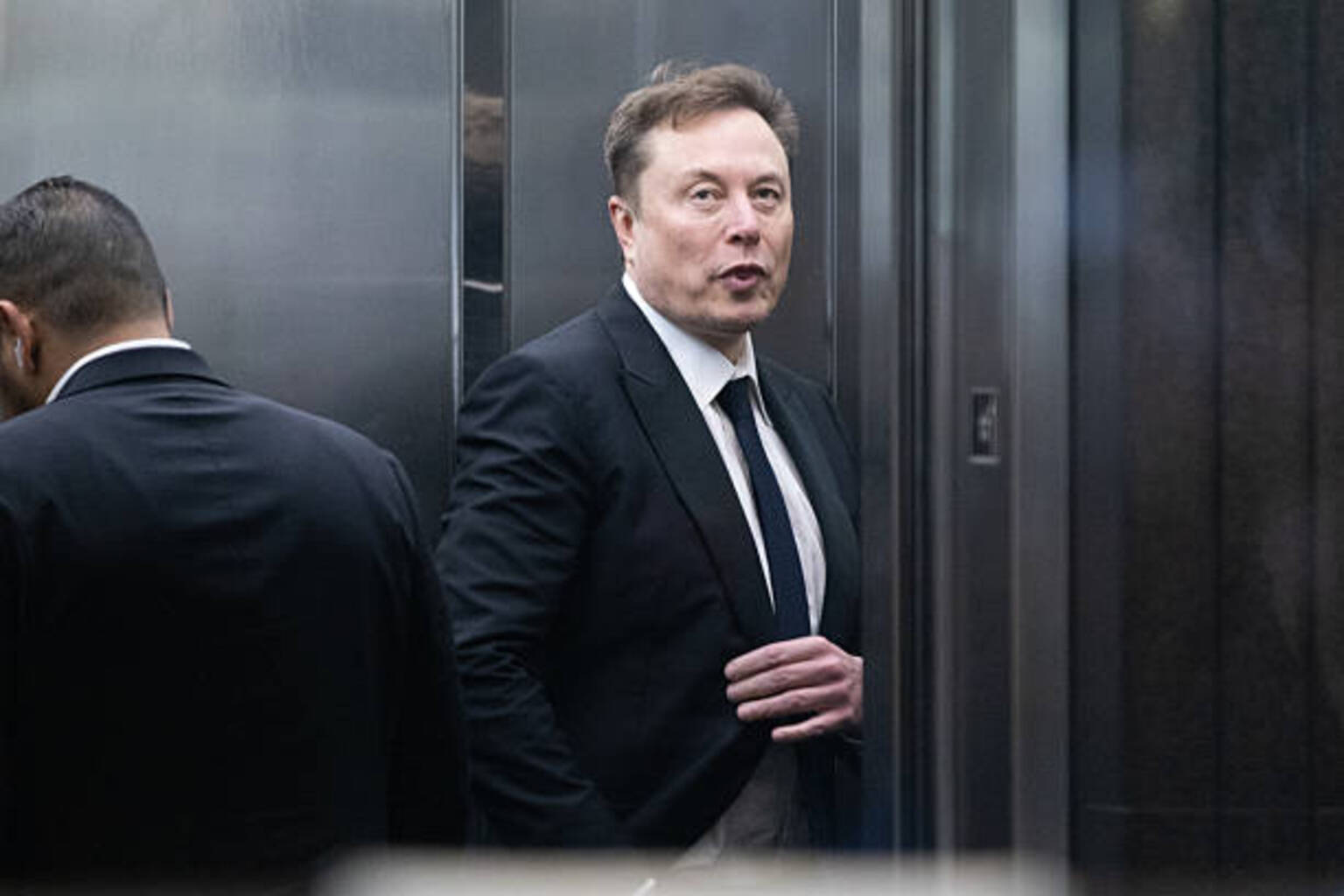
- Jury Verdict: In less than two hours of deliberation, the jury ruled that Sam Altman and OpenAI were not liable for Elon Musk's claims, marking a significant legal victory for OpenAI and potentially boosting its market confidence amid ongoing competition.
- Lawsuit Context: Musk sued Altman and OpenAI in 2024, alleging they breached their commitment to keep the AI company a nonprofit, seeking to strip OpenAI and Microsoft of up to $134 billion in 'ill-gotten gains', making the verdict critical for OpenAI's future business model.
- Donation Dispute: Musk claimed he donated approximately $38 million to OpenAI with the expectation that its AI would benefit humanity, while OpenAI argued that these donations were unrestricted, asserting that restructuring was necessary to survive competition against Google DeepMind, suggesting Musk's lawsuit may be an attempt to undermine a rival.
- Market Implications: The verdict comes at a pivotal moment as both OpenAI and SpaceX prepare for IPOs, with OpenAI raising $122 billion in March at a valuation exceeding $850 billion, while SpaceX's valuation reached $1.25 trillion after merging with xAI, likely influencing their performance in capital markets.
See More
Jury Rejects Musk's Claims Against OpenAI and Sam Altman
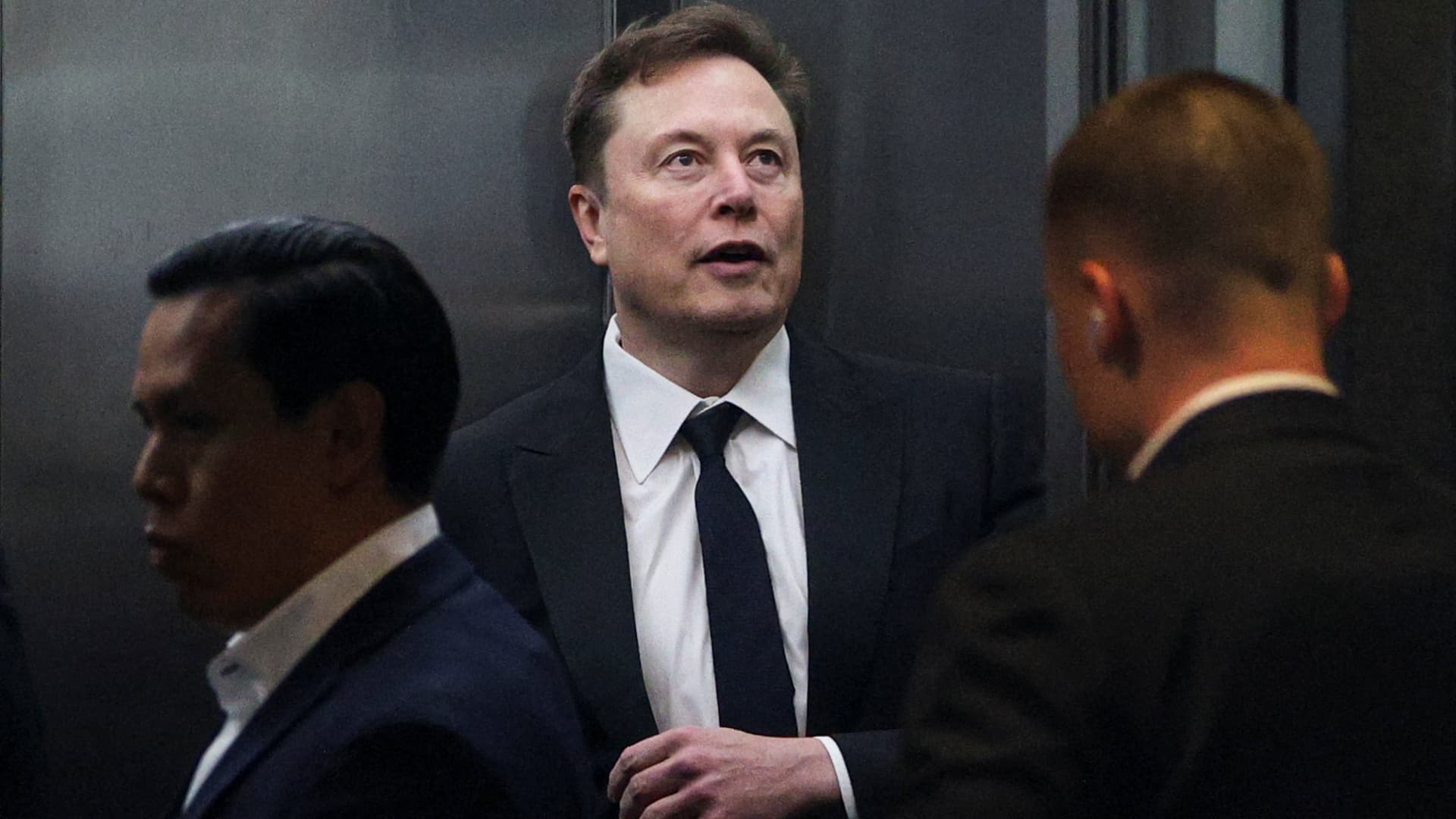
- Lawsuit Outcome: The jury unanimously rejected Musk's claims against Sam Altman and OpenAI after less than two hours of deliberation, determining that Musk failed to file his lawsuit within the statute of limitations, highlighting the importance of legal timelines and procedural rigor.
- Lawsuit Background: Musk's 2024 lawsuit accused OpenAI of breaching its commitment to remain a nonprofit and sought to recover up to $134 billion in 'ill-gotten gains', reflecting his deep dissatisfaction with the company's governance and aggressive stance against competitors.
- Legal Defense: OpenAI's lawyers argued that Musk's donations were unrestricted and that restructuring was essential to compete with Google DeepMind, indicating the strategic pressures faced by the company in a rapidly evolving tech landscape.
- Company Valuation: The lawsuit sheds light on the bitter fallout between Musk and Altman, with OpenAI currently valued at $852 billion and moving towards potentially one of the largest IPOs in history, demonstrating its market potential and attractiveness.
See More
Elon Musk Loses Court Battle Against OpenAI CEO Sam Altman
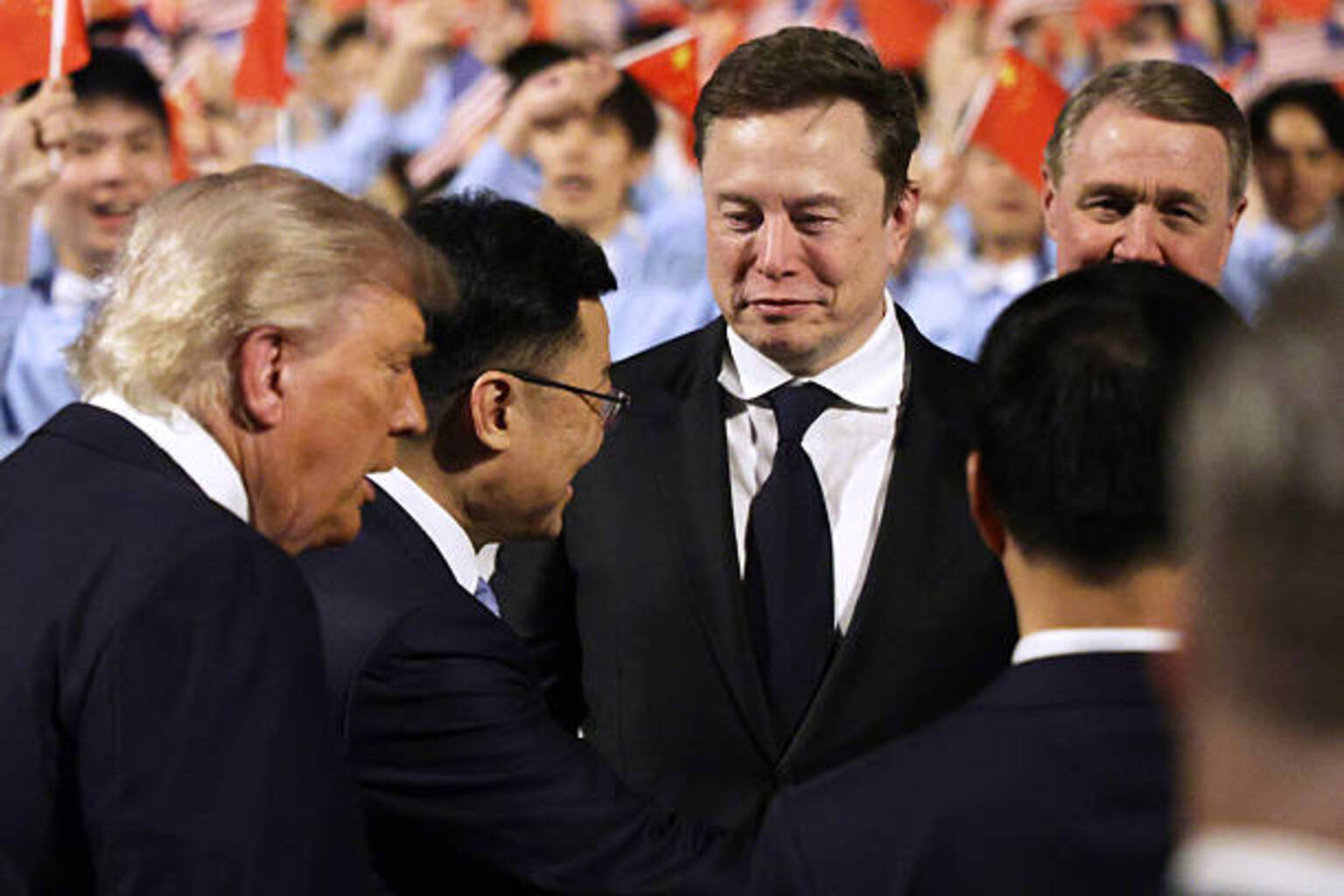
- Court Verdict: After less than two hours of deliberation, the jury rejected Elon Musk's claims against OpenAI CEO Sam Altman, ruling that Altman and OpenAI were not liable, marking a new chapter in the fierce rivalry between the two tech billionaires.
- Lawsuit Background: Musk filed the lawsuit in 2024, alleging that OpenAI violated its commitment to remain a nonprofit, seeking to force OpenAI and Microsoft to relinquish up to $134 billion in 'ill-gotten gains,' but the court deemed these claims untimely.
- Donation Dispute: Musk claimed he donated approximately $38 million to OpenAI with the expectation that its AI developments would benefit humanity, while OpenAI argued that these donations were unrestricted and that restructuring was necessary to compete against Google DeepMind.
- Market Impact: The verdict has significant implications for both OpenAI and Musk's IPO plans, as OpenAI recently raised $122 billion at an $850 billion valuation, while Musk's SpaceX is also preparing for an IPO, potentially intensifying competition in the market.
See More
Musk Allegedly Fails to Pay xAI Staff for Tax Returns

- Employee Payment Dispute: xAI promised $420 to employees and their family members for tax return information, but two months later, payments remain unpaid, leading to decreased trust among staff and potential impacts on future hiring and retention strategies.
- Management Changes Impact: The manager responsible for the payment program has left the company, and employees received no clear answers when inquiring about their payments, which could result in low team morale and hinder project progress.
- Merger with SpaceX Context: xAI recently merged with Musk's SpaceX, which is preparing for an initial public offering (IPO); if this issue is not resolved, it could negatively affect the IPO process and investor sentiment.
- Market Reaction: SpaceX's IPO is expected to reach a valuation of over $1.5 trillion, but such negative news may shake investor confidence, potentially impacting its trading prices in private secondary markets.
See More
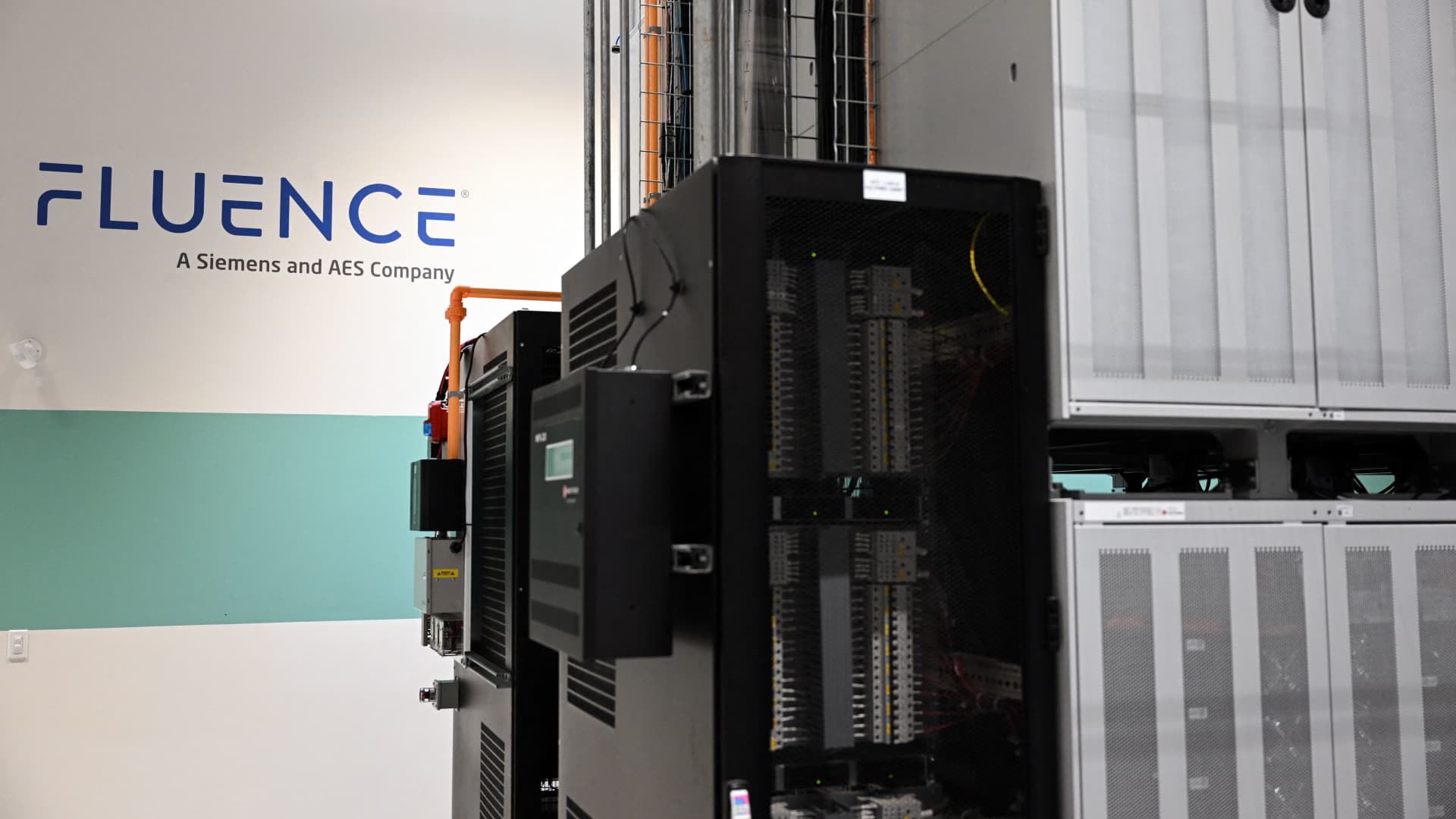
U.S. Battery Storage Industry Faces Challenges Amid Rising Demand
- Surging Battery Demand: Power demand from data centers is projected to reach 9% to 17% of U.S. electricity supply by 2030, equating to up to 790 terawatt-hours (TWh), significantly boosting the demand for battery storage systems, particularly in renewable-rich regions like California.
- Supply Chain Bottlenecks: While the U.S. is scaling up lithium-ion phosphate battery manufacturing, the supply chain for key materials remains heavily reliant on China, creating near-term bottlenecks as tax credit rules increasingly mandate non-China sourcing.
- Grid Connection Delays: In the U.S., while data centers can be built in 18 to 24 months, connecting to the grid can take three to seven years, with lengthy interconnection queues severely impacting the rapid deployment of battery storage projects.
- Strategic Investment and Expansion: Battery storage companies like Fluence are ramping up investments in domestic manufacturing to meet data center demand while calibrating offerings specifically for hyperscalers, demonstrating strong market adaptability.
See More
SpaceX IPO Could Start Soon, Valuation Over $2 Trillion
- IPO Process Acceleration: SpaceX could reportedly initiate its IPO process within days, targeting a valuation exceeding $2 trillion and potentially raising up to $75 billion, which would make it the largest IPO in history, significantly increasing market attention and attracting large institutional investors.
- Tesla-SpaceX Merger Odds: Investor Gene Munster stated that there is a greater than 50% chance of a Tesla-SpaceX merger within the next five years, which would enhance both companies' integration in AI and energy sectors, creating a stronger competitive position in the market.
- Tesla Stock Price Outlook: Munster predicts that Tesla's stock could reach $600 by 2027, contingent on the successful rollout of Robotaxi and physical AI, providing crucial psychological and commercial validation for investors.
- Retail Investor Sentiment: While retail sentiment for Tesla remains bullish, sentiment around SpaceX is extremely bullish, with high discussion volume reflecting strong investor anticipation and concerns regarding the upcoming IPO.
See More
Jury Rules in Favor of Altman and OpenAI Against Musk
- Jury Verdict: In less than two hours of deliberation, the jury ruled that Sam Altman and OpenAI were not liable for Elon Musk's claims, marking a significant legal victory for OpenAI and potentially boosting its market confidence amid ongoing competition.
- Lawsuit Context: Musk sued Altman and OpenAI in 2024, alleging they breached their commitment to keep the AI company a nonprofit, seeking to strip OpenAI and Microsoft of up to $134 billion in 'ill-gotten gains', making the verdict critical for OpenAI's future business model.
- Donation Dispute: Musk claimed he donated approximately $38 million to OpenAI with the expectation that its AI would benefit humanity, while OpenAI argued that these donations were unrestricted, asserting that restructuring was necessary to survive competition against Google DeepMind, suggesting Musk's lawsuit may be an attempt to undermine a rival.
- Market Implications: The verdict comes at a pivotal moment as both OpenAI and SpaceX prepare for IPOs, with OpenAI raising $122 billion in March at a valuation exceeding $850 billion, while SpaceX's valuation reached $1.25 trillion after merging with xAI, likely influencing their performance in capital markets.
See More
Jury Rejects Musk's Claims Against OpenAI and Sam Altman
- Lawsuit Outcome: The jury unanimously rejected Musk's claims against Sam Altman and OpenAI after less than two hours of deliberation, determining that Musk failed to file his lawsuit within the statute of limitations, highlighting the importance of legal timelines and procedural rigor.
- Lawsuit Background: Musk's 2024 lawsuit accused OpenAI of breaching its commitment to remain a nonprofit and sought to recover up to $134 billion in 'ill-gotten gains', reflecting his deep dissatisfaction with the company's governance and aggressive stance against competitors.
- Legal Defense: OpenAI's lawyers argued that Musk's donations were unrestricted and that restructuring was essential to compete with Google DeepMind, indicating the strategic pressures faced by the company in a rapidly evolving tech landscape.
- Company Valuation: The lawsuit sheds light on the bitter fallout between Musk and Altman, with OpenAI currently valued at $852 billion and moving towards potentially one of the largest IPOs in history, demonstrating its market potential and attractiveness.
See More
Elon Musk Loses Court Battle Against OpenAI CEO Sam Altman
- Court Verdict: After less than two hours of deliberation, the jury rejected Elon Musk's claims against OpenAI CEO Sam Altman, ruling that Altman and OpenAI were not liable, marking a new chapter in the fierce rivalry between the two tech billionaires.
- Lawsuit Background: Musk filed the lawsuit in 2024, alleging that OpenAI violated its commitment to remain a nonprofit, seeking to force OpenAI and Microsoft to relinquish up to $134 billion in 'ill-gotten gains,' but the court deemed these claims untimely.
- Donation Dispute: Musk claimed he donated approximately $38 million to OpenAI with the expectation that its AI developments would benefit humanity, while OpenAI argued that these donations were unrestricted and that restructuring was necessary to compete against Google DeepMind.
- Market Impact: The verdict has significant implications for both OpenAI and Musk's IPO plans, as OpenAI recently raised $122 billion at an $850 billion valuation, while Musk's SpaceX is also preparing for an IPO, potentially intensifying competition in the market.
See More
Musk Allegedly Fails to Pay xAI Staff for Tax Returns
- Employee Payment Dispute: xAI promised $420 to employees and their family members for tax return information, but two months later, payments remain unpaid, leading to decreased trust among staff and potential impacts on future hiring and retention strategies.
- Management Changes Impact: The manager responsible for the payment program has left the company, and employees received no clear answers when inquiring about their payments, which could result in low team morale and hinder project progress.
- Merger with SpaceX Context: xAI recently merged with Musk's SpaceX, which is preparing for an initial public offering (IPO); if this issue is not resolved, it could negatively affect the IPO process and investor sentiment.
- Market Reaction: SpaceX's IPO is expected to reach a valuation of over $1.5 trillion, but such negative news may shake investor confidence, potentially impacting its trading prices in private secondary markets.
See More
U.S. Battery Storage Industry Faces Challenges Amid Rising Demand
- Surging Battery Demand: Power demand from data centers is projected to reach 9% to 17% of U.S. electricity supply by 2030, equating to up to 790 terawatt-hours (TWh), significantly boosting the demand for battery storage systems, particularly in renewable-rich regions like California.
- Supply Chain Bottlenecks: While the U.S. is scaling up lithium-ion phosphate battery manufacturing, the supply chain for key materials remains heavily reliant on China, creating near-term bottlenecks as tax credit rules increasingly mandate non-China sourcing.
- Grid Connection Delays: In the U.S., while data centers can be built in 18 to 24 months, connecting to the grid can take three to seven years, with lengthy interconnection queues severely impacting the rapid deployment of battery storage projects.
- Strategic Investment and Expansion: Battery storage companies like Fluence are ramping up investments in domestic manufacturing to meet data center demand while calibrating offerings specifically for hyperscalers, demonstrating strong market adaptability.
See More