JPMorgan Updates Stock Favorites List for February
Written by Emily J. Thompson, Senior Investment Analyst
Updated: Feb 03 2026
0mins


Should l Buy BA?
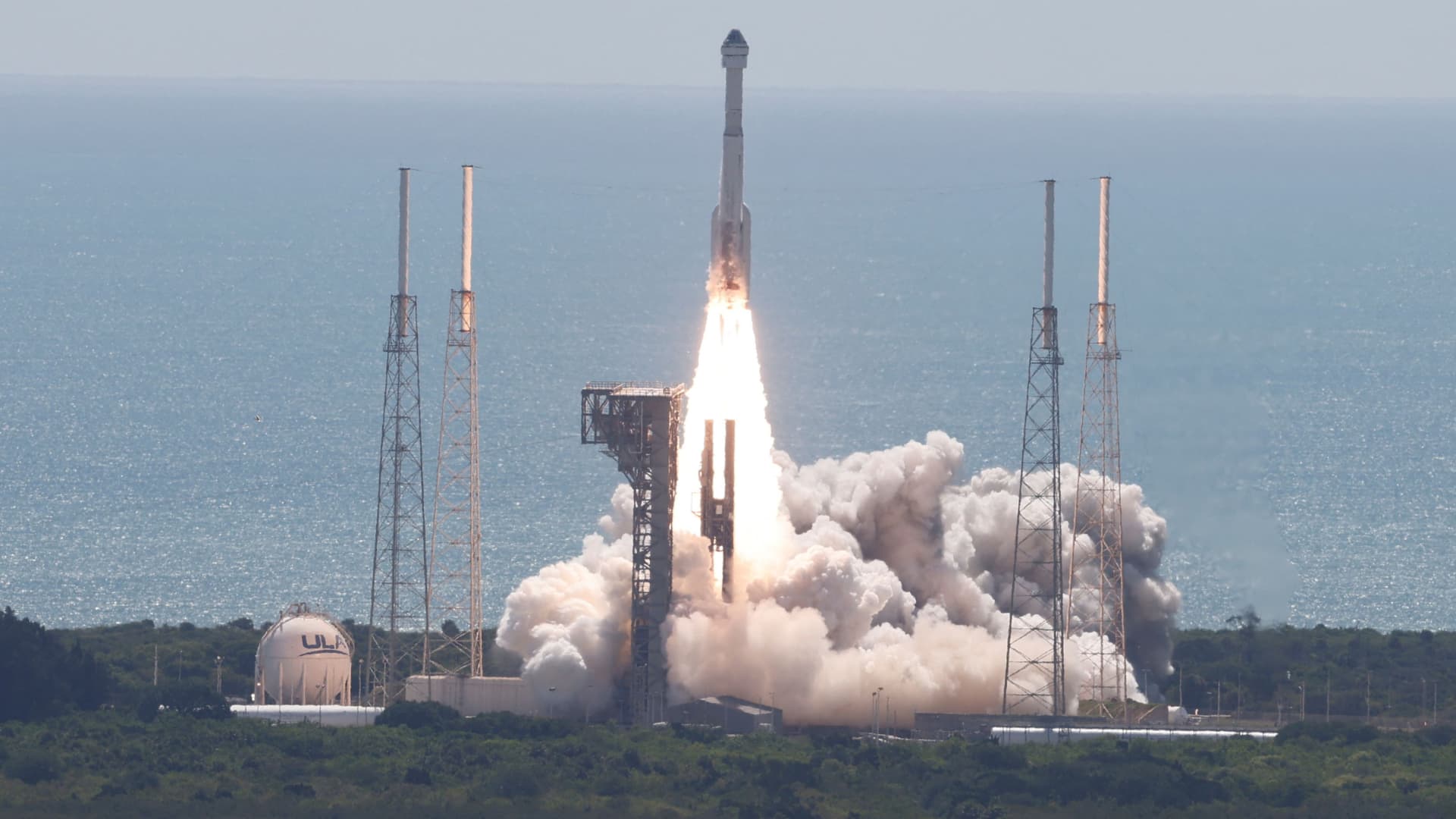
Source: CNBC
- New Additions: JPMorgan's February favorites list includes First Industrial Realty Trust, a Chicago-based industrial real estate owner, whose shares have risen nearly 8% over the past year but remain below the 2021 all-time high, indicating relative value and growth potential.
- Improving Fundamentals: Analyst Ken Goldman highlighted that industrial fundamentals are improving, and First Industrial Realty Trust is well-positioned to leverage its substantial development pipeline, thus providing a solid investment opportunity for stakeholders.
- Stocks Retained: JPMorgan maintains its bullish stance on Boeing and Microsoft, despite a sell-off in Microsoft shares due to slight misses in cloud service growth; the bank reiterates its overweight rating, emphasizing the importance of the Azure revenue base.
- Stocks Removed: The bank has removed Best Buy, Burlington Stores, and Regency Centers from its February list, downgrading Best Buy and Regency to neutral while keeping Burlington at overweight, reflecting a cautious outlook on these retailers.
Trade with 70% Backtested Accuracy
Stop guessing "Should I Buy BA?" and start using high-conviction signals backed by rigorous historical data.
Sign up today to access powerful investing tools and make smarter, data-driven decisions.
Analyst Views on BA
Wall Street analysts forecast BA stock price to rise
16 Analyst Rating
14 Buy
1 Hold
1 Sell
Strong Buy
Current: 227.310

Low
150.00
Averages
269.14
High
298.00
Current: 227.310
Low
150.00
Averages
269.14
High
298.00
About BA
The Boeing Company is an aerospace company. Its segments include Commercial Airplanes (BCA), Defense, Space & Security (BDS), and Global Services (BGS). Its BCA segment develops, produces and markets commercial jet aircraft principally for the commercial airline industry worldwide. Its family of commercial jet aircraft in production includes the 737 narrow-body model and the 767, 777 and 787 wide-body models. Its BDS segment is engaged in the research, development, production and modification of manned and unmanned military aircraft and weapons systems for strike, surveillance and mobility. Its BGS segment provides services to its commercial and defense customers worldwide. It sustains aerospace platforms and systems with a range of products and services, including supply chain and logistics management, engineering, maintenance and modifications, upgrades and conversions, spare parts, pilot and maintenance training systems and services, technical and maintenance documents, and others.
About the author

Emily J. Thompson
Emily J. Thompson, a Chartered Financial Analyst (CFA) with 12 years in investment research, graduated with honors from the Wharton School. Specializing in industrial and technology stocks, she provides in-depth analysis for Intellectia’s earnings and market brief reports.

Iran's Drone Threat to Gulf States Intensifies


- Surge in Drone Numbers: Iran has launched over 2,000 Shahed-136 drones in the conflict, leveraging their low cost and mass production capabilities to enhance military deterrence against the U.S. and its regional allies, significantly altering the balance of power in the region.
- Pressure on Defense Systems: The UAE Ministry of Defense reported that out of 941 Iranian drones detected since the onset of the Iran war, 65 have landed within its territory, damaging critical infrastructure such as ports and airports, highlighting the immense pressure on Gulf states' air defense systems.
- Cost Asymmetry: The Shahed-136 drones cost between $20,000 and $50,000 each, while air defense interceptors can reach up to $12 million, creating a serious risk of resource depletion for Gulf states as they expend valuable interceptors against low-cost drones.
- Need for Strategic Adjustments: Analysts emphasize that Gulf countries must be more prudent in their interceptor usage to avoid rapid stock depletion, especially given the multi-front threats posed by Iranian allies like Hezbollah and the Houthis, necessitating a reevaluation of defense strategies to counter ongoing drone assaults.
See More
Musk Sets Ambitious Orbital Payload Target for SpaceX


- Launch Target Announcement: Musk has set an ambitious goal for SpaceX's Starship rocket to deliver over 1 million tons of orbital payload annually, which could significantly advance the commercial space sector.
- Market Competitive Edge: On social media platform X, user @xdNiBoR compared the launch attempts of SpaceX with other U.S. companies, highlighting SpaceX's clear advantage in launch frequency, which is expected to further solidify its market leadership over the next five years.
- User Anticipation: Users express excitement about the future performance of Starship, believing that its operational deployment will lead to greater breakthroughs in commercial spaceflight, thereby driving overall industry progress.
- Industry Impact: Musk's target not only showcases SpaceX's ambitions but may also trigger competition among other space companies, prompting accelerated technological innovation and market expansion across the industry.
See More

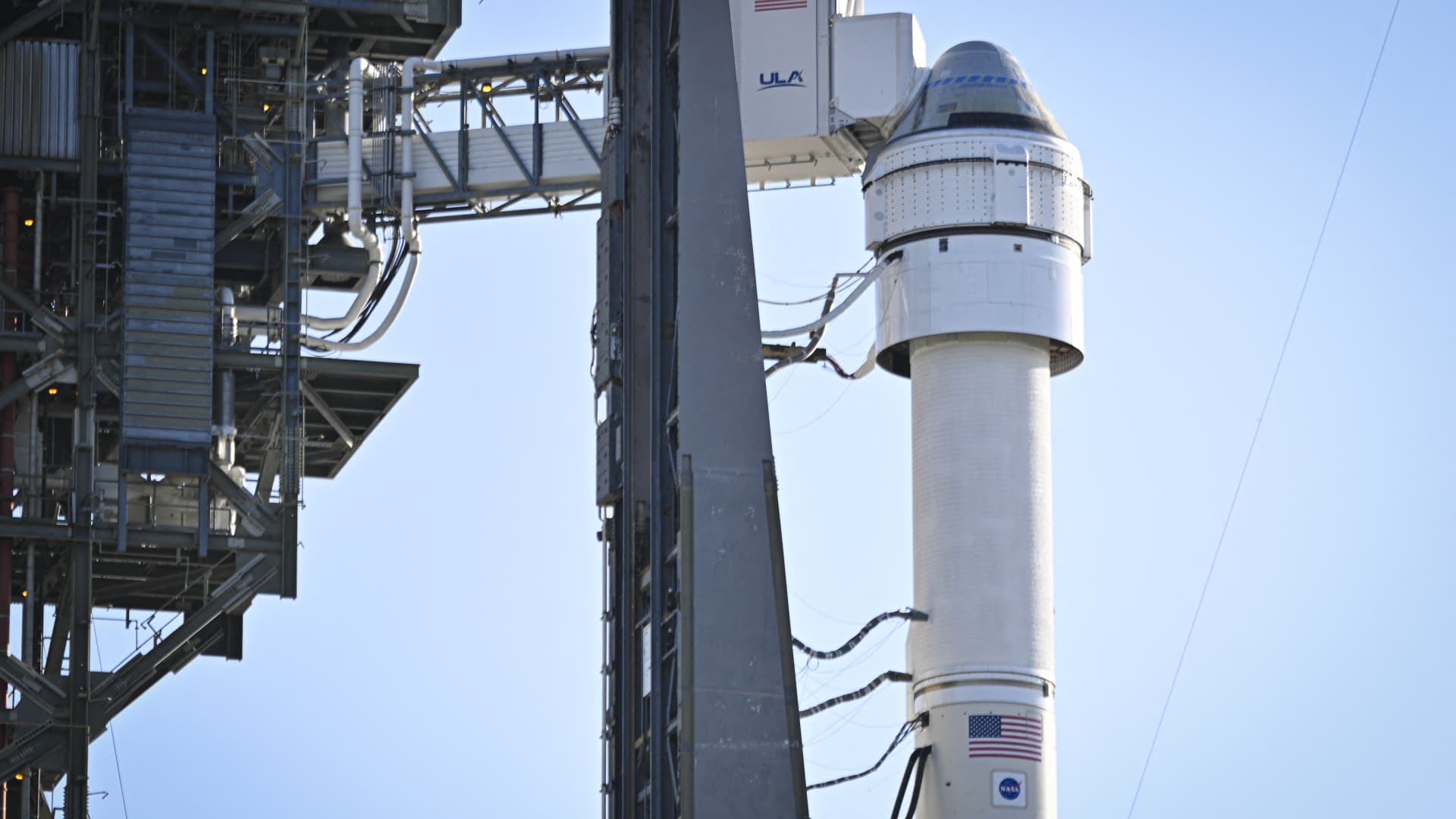
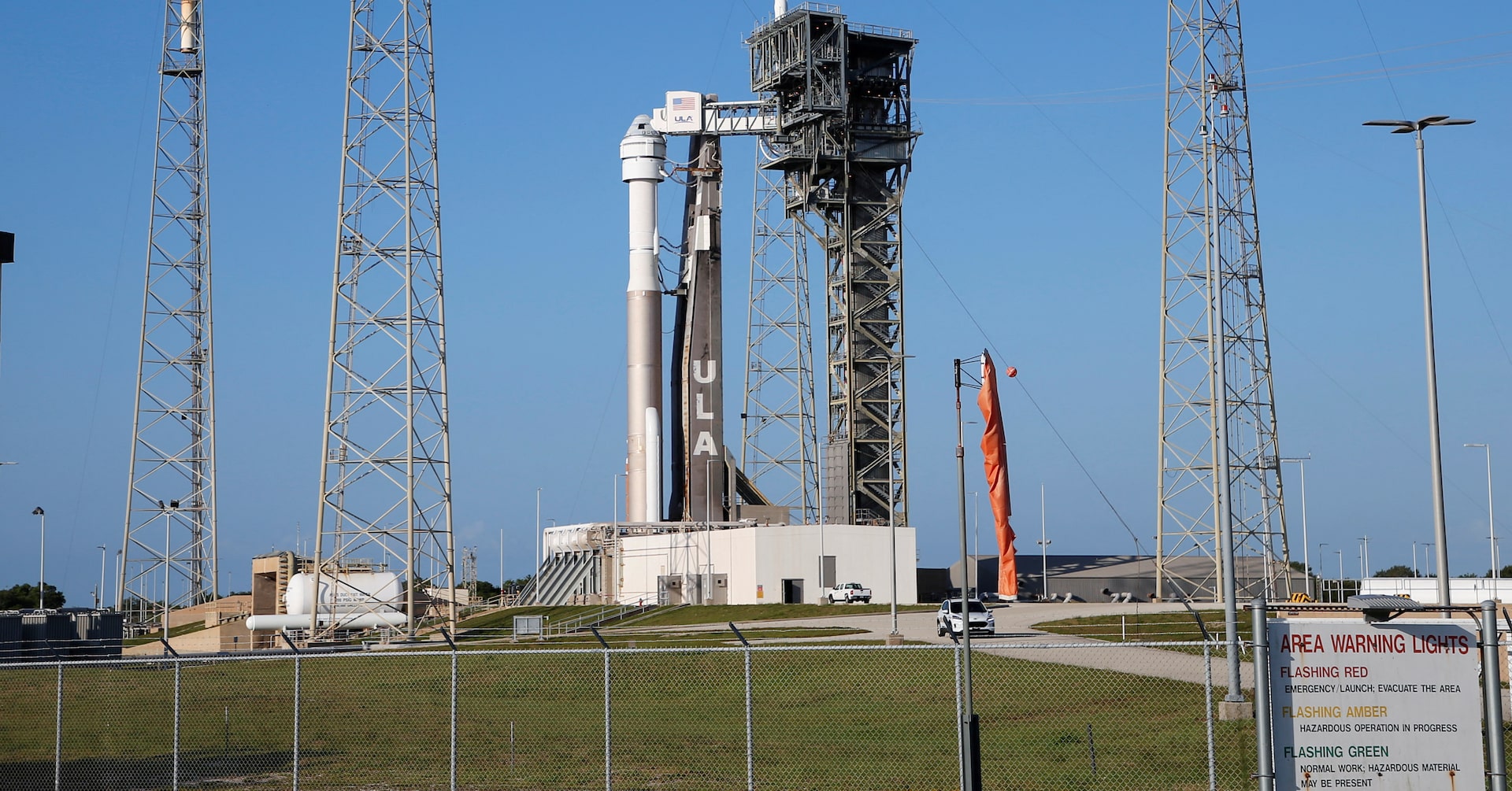
NASA Seeks ULA Rocket Components Amid Cost Overruns

- Cost Overruns: NASA's Exploration Upper Stage, built by Boeing, has exceeded $2.8 billion and is facing delays, prompting the agency to seek alternative solutions to manage its budget effectively.
- Alternative Solution Exploration: NASA plans to use the ULA-built Centaur V rocket for lunar missions, which utilizes the same propellant as the SLS, although this plan is not yet finalized.
- Artemis II Delay: The launch of NASA's Artemis II vehicle has been postponed due to rocket issues, with the SLS vehicle rolled back from the launch pad at Kennedy Space Center in Florida after engineers noted an
See More

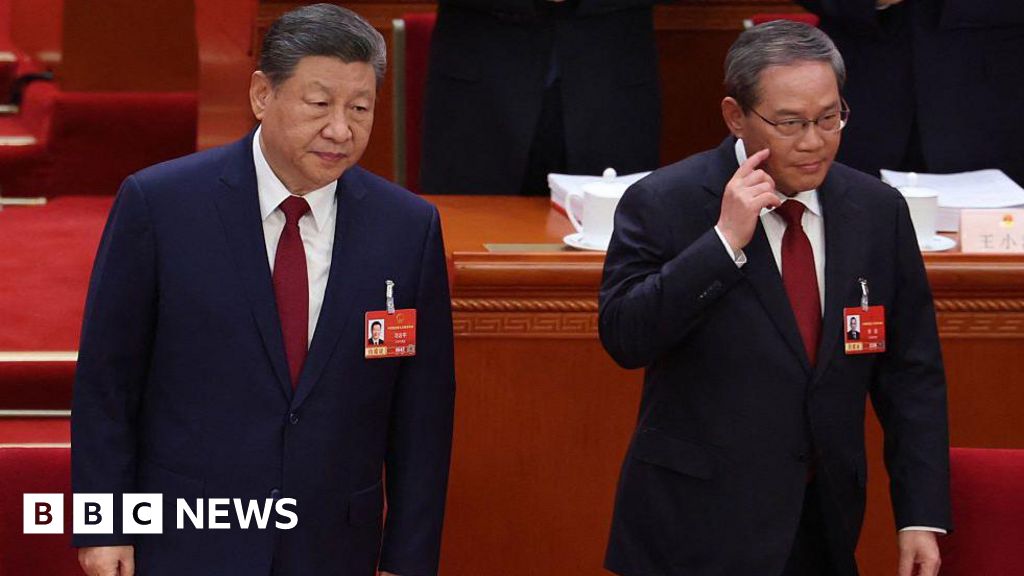
China Sets Record Low GDP Growth Target for 2026

- GDP Growth Target: China has set its GDP growth target for 2026 at 4.5% to 5%, marking the lowest target on record since the early 1990s, indicating significant challenges for economic recovery amid persistent deflationary pressures and trade tensions with the U.S.
- Defense Spending Increase: Defense spending is projected to rise by 7%, the slowest increase since 2021, although analysts believe the official figures may be understated, which could impact national security and military modernization efforts.
- Data Center Attack: Amazon's data center in Bahrain was targeted by Iran for supporting the U.S. military, with damage reported from a drone strike, potentially affecting Amazon's cloud computing operations in the Middle East in the short term.
- Global Tariff Increase: U.S. Treasury Secretary announced that global tariffs will rise from 10% to 15%, with expectations that tariff rates will return to pre-Supreme Court ruling levels by August, which will have profound implications for international trade and the cost structures of U.S. businesses.
See More
China's Defense Budget Growth Slows in 2025
- Defense Budget Growth: China plans to increase its defense spending by 7% in 2025, marking the slowest growth rate since 2021, reflecting a cautious approach amid escalating conflicts in the Middle East and rising geopolitical tensions.
- Historical Growth Comparison: Over the past three years, China's defense spending has averaged a 7.2% annual increase, with 7.1% in 2022 and 6.8% in 2021, indicating a trend of stable growth, but the slowdown in 2025 may impact future military modernization efforts.
- Support for Modernization: China aims to accelerate the development of advanced combat capabilities and promote the
See More
Analysis of US and Israel's Military Action Against Iran
- Military Action Background: The U.S. and Israel's strikes on Iran resulted in the killing of Supreme Leader Khamenei, and while the initial phase was successful, experts warn that the conflict may become complicated, affecting public support in the U.S.
- Public Support Survey: A Reuters/IPSOS poll indicates that only one in four Americans supports the attacks on Iran, reflecting public aversion to prolonged military actions, which could influence Trump's policy decisions.
- Unclear Strategic Goals: Initially aimed at destroying Iran's nuclear program, the U.S. objectives have shifted to protecting the American public from unspecified Iranian threats, indicating a lack of clarity in strategic direction.
- Potential for Extended Conflict: Analysts suggest that despite Trump's claim of a four to five-week military operation, the complexity of Iran's security apparatus may prolong the conflict, leading to economic and market instability.
See More
Iran's Drone Threat to Gulf States Intensifies
- Surge in Drone Numbers: Iran has launched over 2,000 Shahed-136 drones in the conflict, leveraging their low cost and mass production capabilities to enhance military deterrence against the U.S. and its regional allies, significantly altering the balance of power in the region.
- Pressure on Defense Systems: The UAE Ministry of Defense reported that out of 941 Iranian drones detected since the onset of the Iran war, 65 have landed within its territory, damaging critical infrastructure such as ports and airports, highlighting the immense pressure on Gulf states' air defense systems.
- Cost Asymmetry: The Shahed-136 drones cost between $20,000 and $50,000 each, while air defense interceptors can reach up to $12 million, creating a serious risk of resource depletion for Gulf states as they expend valuable interceptors against low-cost drones.
- Need for Strategic Adjustments: Analysts emphasize that Gulf countries must be more prudent in their interceptor usage to avoid rapid stock depletion, especially given the multi-front threats posed by Iranian allies like Hezbollah and the Houthis, necessitating a reevaluation of defense strategies to counter ongoing drone assaults.
See More
Musk Sets Ambitious Orbital Payload Target for SpaceX
- Launch Target Announcement: Musk has set an ambitious goal for SpaceX's Starship rocket to deliver over 1 million tons of orbital payload annually, which could significantly advance the commercial space sector.
- Market Competitive Edge: On social media platform X, user @xdNiBoR compared the launch attempts of SpaceX with other U.S. companies, highlighting SpaceX's clear advantage in launch frequency, which is expected to further solidify its market leadership over the next five years.
- User Anticipation: Users express excitement about the future performance of Starship, believing that its operational deployment will lead to greater breakthroughs in commercial spaceflight, thereby driving overall industry progress.
- Industry Impact: Musk's target not only showcases SpaceX's ambitions but may also trigger competition among other space companies, prompting accelerated technological innovation and market expansion across the industry.
See More
NASA Seeks ULA Rocket Components Amid Cost Overruns
- Cost Overruns: NASA's Exploration Upper Stage, built by Boeing, has exceeded $2.8 billion and is facing delays, prompting the agency to seek alternative solutions to manage its budget effectively.
- Alternative Solution Exploration: NASA plans to use the ULA-built Centaur V rocket for lunar missions, which utilizes the same propellant as the SLS, although this plan is not yet finalized.
- Artemis II Delay: The launch of NASA's Artemis II vehicle has been postponed due to rocket issues, with the SLS vehicle rolled back from the launch pad at Kennedy Space Center in Florida after engineers noted an
See More
China Sets Record Low GDP Growth Target for 2026
- GDP Growth Target: China has set its GDP growth target for 2026 at 4.5% to 5%, marking the lowest target on record since the early 1990s, indicating significant challenges for economic recovery amid persistent deflationary pressures and trade tensions with the U.S.
- Defense Spending Increase: Defense spending is projected to rise by 7%, the slowest increase since 2021, although analysts believe the official figures may be understated, which could impact national security and military modernization efforts.
- Data Center Attack: Amazon's data center in Bahrain was targeted by Iran for supporting the U.S. military, with damage reported from a drone strike, potentially affecting Amazon's cloud computing operations in the Middle East in the short term.
- Global Tariff Increase: U.S. Treasury Secretary announced that global tariffs will rise from 10% to 15%, with expectations that tariff rates will return to pre-Supreme Court ruling levels by August, which will have profound implications for international trade and the cost structures of U.S. businesses.
See More
China's Defense Budget Growth Slows in 2025
- Defense Budget Growth: China plans to increase its defense spending by 7% in 2025, marking the slowest growth rate since 2021, reflecting a cautious approach amid escalating conflicts in the Middle East and rising geopolitical tensions.
- Historical Growth Comparison: Over the past three years, China's defense spending has averaged a 7.2% annual increase, with 7.1% in 2022 and 6.8% in 2021, indicating a trend of stable growth, but the slowdown in 2025 may impact future military modernization efforts.
- Support for Modernization: China aims to accelerate the development of advanced combat capabilities and promote the
See More
Analysis of US and Israel's Military Action Against Iran
- Military Action Background: The U.S. and Israel's strikes on Iran resulted in the killing of Supreme Leader Khamenei, and while the initial phase was successful, experts warn that the conflict may become complicated, affecting public support in the U.S.
- Public Support Survey: A Reuters/IPSOS poll indicates that only one in four Americans supports the attacks on Iran, reflecting public aversion to prolonged military actions, which could influence Trump's policy decisions.
- Unclear Strategic Goals: Initially aimed at destroying Iran's nuclear program, the U.S. objectives have shifted to protecting the American public from unspecified Iranian threats, indicating a lack of clarity in strategic direction.
- Potential for Extended Conflict: Analysts suggest that despite Trump's claim of a four to five-week military operation, the complexity of Iran's security apparatus may prolong the conflict, leading to economic and market instability.
See More