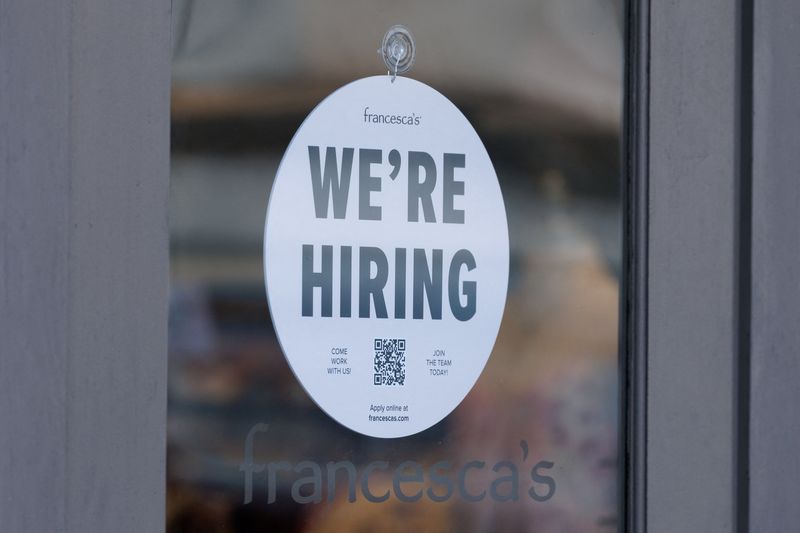
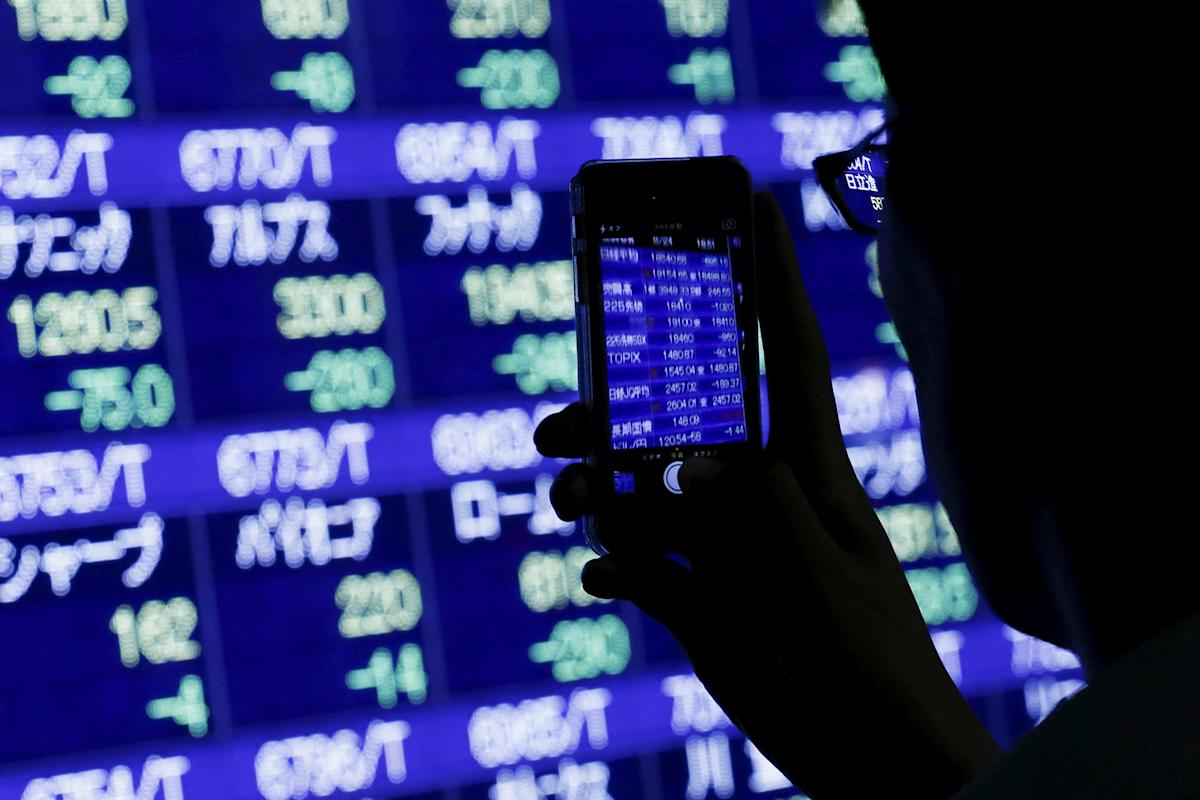
Japanese Family Firms Encounter Succession Challenges, Sparking Surge in Private Equity Investment
Demographic Challenges: Japan's aging business owners face succession issues as heirs show little interest in taking over family businesses, compounded by high inheritance taxes that can reach 55%. This has led to a significant increase in private equity activity, with over 65% of buyout deals stemming from succession cases.
Cultural Shift in Business Sales: There has been a cultural shift in Japan regarding the sale of businesses, with more owners considering private equity as a viable option, including foreign investors. Successful turnarounds by global firms have eased fears about selling to private equity.
Regulatory and Economic Factors: Japanese government reforms and macroeconomic conditions, such as a weak yen and low interest rates, have further fueled private equity growth. These factors make Japanese assets attractive to foreign investors and have led to increased deal activity.
Market Overheating Concerns: While the private equity market in Japan is booming, experts warn of potential overheating, as increased capital inflow may lead to inflated valuations. Despite the growth, private equity investment still represents a small fraction of Japan's GDP compared to the U.S. and Europe.
Trade with 70% Backtested Accuracy
Analyst Views on KKR

About KKR
About the author


OHB Considers Legal Action Against EU Merger Approval
- Legal Challenge to Merger: OHB's CEO stated that the company will consider legal action if EU antitrust regulators approve the merger of Airbus, Thales, and Leonardo's satellite businesses, highlighting concerns over market competition.
- Impact on Competition: OHB fears that the merger could weaken competition in Europe, with CEO Marco Fuchs noting that it may disrupt their supply chain, labeling the merger as a 'disturbance of the market'.
- Strong Financial Performance: OHB's market value has surged to approximately €5 billion over the past year, with an 18% increase in quarterly revenue and a 45% rise in order backlog, indicating robust market performance.
- Financing Plan Adjustments: Following the abandonment of a previous plan to take OHB private with KKR, Fuchs mentioned that the company is exploring financing options, although he declined to disclose specific fundraising targets, reflecting a cautious approach to future investment conditions.
Telecom Italia's Potential Gains from FiberCop Deal
- Commercial Collaboration Potential: Telecom Italia's CEO stated that a commercial tie-up with FiberCop could entitle TIM to 75% of the benefits generated by FiberCop, significantly enhancing TIM's financial outlook.
- High Compensation Clause: Under the agreement, TIM could receive up to €2.5 billion in additional payments if the collaboration is finalized by the end of 2026, aiding in further debt reduction efforts.
- Market Competition Dynamics: The discussions between FiberCop and Open Fiber aim to accelerate Italy's high-speed broadband rollout, and TIM's involvement could strengthen its competitive position in the market.
- M&A Challenges: TIM's CEO noted that if a full merger is pursued, it is unlikely to be completed by December 31, 2023, indicating that the company may rely on signing a commercial agreement in the short term.

KKR Increases Quarterly Dividend by 5.4%
- Dividend Increase: KKR has declared a quarterly dividend increase from $0.185 to $0.195 per share, representing a 5.4% rise, which reflects the company's ongoing profitability and cash flow stability, thereby boosting investor confidence.
- Yield Metrics: The forward yield stands at 0.78%, which, while relatively low, still offers a stable return in the current market environment, appealing to income-seeking investors.
- Payment Schedule: The dividend is payable on May 29, with a record date of May 15 and an ex-dividend date also on May 15, ensuring shareholders receive their earnings promptly, which further solidifies shareholder loyalty.
- Future Outlook: KKR signals that 2026's earnings per share may be below $7 while targeting over $100 billion in assets under management, indicating the company's ambition to expand its asset management scale despite facing market challenges.

Apollo Global Management Surpasses $1 Trillion in Assets


- Asset Management Milestone: Apollo Global Management has surpassed the $1 trillion mark in assets under management, achieving CEO Marc Rowan's target ahead of schedule, which signifies substantial growth in the asset management sector and is expected to further drive future revenue growth.
- Significant Earnings Growth: The company reported an 8% year-over-year increase in adjusted net income for the first quarter, reaching $1.21 billion or $1.94 per share, primarily driven by a 30% rise in earnings from managing assets and arranging debt and equity transactions, showcasing success in diversifying revenue streams.
- Investor Confidence Recovery: Despite concerns over slower future growth, Apollo's shares rose approximately 1.3% in pre-market trading, reflecting investor confidence in the company's long-term strategy, particularly following the acquisition of the UK insurer, which contributed to a total inflow of $115 billion for the quarter.
- Direct Lending Under Pressure: Apollo's direct lending funds reported a mere 0.5% return in the first quarter, significantly lower than the 8.5% over the past 12 months, indicating pressure in this sector, although the company is still seeking to drive future growth through hybrid value strategies.
KKR Q1 2026 Earnings Call Insights and Analysis
- Strong Financial Performance: KKR reported fee-related earnings of $1.13 per share and total operating earnings of $1.47 per share for Q1 2026, indicating robust profitability despite heightened market pressures and competitive challenges.
- Successful Capital Raising: The firm raised $28 billion in new capital during the quarter, including $15 billion in credit fundraising, highlighting its strong market position, particularly with the final closing of the North America XIV fund at $23 billion, which enhances its asset management scale.
- Strategic Acquisition Execution: KKR announced the closing of its acquisition of Arctos, involving approximately $16 billion in AUM and $10 billion in fee-paying AUM, which not only expands its market share but also lays the groundwork for future growth.
- Cautious Outlook: While the company remains confident in exceeding fundraising and operating earnings targets, it has adjusted its 2026 adjusted net income expectations to likely fall below $7 per share, reflecting challenges in the market environment and reduced visibility on earnings.

ALPHABET JOINS BLACKSTONE AND KKR IN TALKS WITH EQT REGARDING ACCESS TO GOOGLE'S AI MODELS - BLOOMBERG NEWS
- Alphabet's Discussions: Alphabet is in discussions with Qton regarding access to Google's AI models.
- Involvement of Blackstone and KKR: The discussions also involve investment firms Blackstone and KKR.
OHB Considers Legal Action Against EU Merger Approval
- Legal Challenge to Merger: OHB's CEO stated that the company will consider legal action if EU antitrust regulators approve the merger of Airbus, Thales, and Leonardo's satellite businesses, highlighting concerns over market competition.
- Impact on Competition: OHB fears that the merger could weaken competition in Europe, with CEO Marco Fuchs noting that it may disrupt their supply chain, labeling the merger as a 'disturbance of the market'.
- Strong Financial Performance: OHB's market value has surged to approximately €5 billion over the past year, with an 18% increase in quarterly revenue and a 45% rise in order backlog, indicating robust market performance.
- Financing Plan Adjustments: Following the abandonment of a previous plan to take OHB private with KKR, Fuchs mentioned that the company is exploring financing options, although he declined to disclose specific fundraising targets, reflecting a cautious approach to future investment conditions.
Telecom Italia's Potential Gains from FiberCop Deal
- Commercial Collaboration Potential: Telecom Italia's CEO stated that a commercial tie-up with FiberCop could entitle TIM to 75% of the benefits generated by FiberCop, significantly enhancing TIM's financial outlook.
- High Compensation Clause: Under the agreement, TIM could receive up to €2.5 billion in additional payments if the collaboration is finalized by the end of 2026, aiding in further debt reduction efforts.
- Market Competition Dynamics: The discussions between FiberCop and Open Fiber aim to accelerate Italy's high-speed broadband rollout, and TIM's involvement could strengthen its competitive position in the market.
- M&A Challenges: TIM's CEO noted that if a full merger is pursued, it is unlikely to be completed by December 31, 2023, indicating that the company may rely on signing a commercial agreement in the short term.
KKR Increases Quarterly Dividend by 5.4%
- Dividend Increase: KKR has declared a quarterly dividend increase from $0.185 to $0.195 per share, representing a 5.4% rise, which reflects the company's ongoing profitability and cash flow stability, thereby boosting investor confidence.
- Yield Metrics: The forward yield stands at 0.78%, which, while relatively low, still offers a stable return in the current market environment, appealing to income-seeking investors.
- Payment Schedule: The dividend is payable on May 29, with a record date of May 15 and an ex-dividend date also on May 15, ensuring shareholders receive their earnings promptly, which further solidifies shareholder loyalty.
- Future Outlook: KKR signals that 2026's earnings per share may be below $7 while targeting over $100 billion in assets under management, indicating the company's ambition to expand its asset management scale despite facing market challenges.
Apollo Global Management Surpasses $1 Trillion in Assets
- Asset Management Milestone: Apollo Global Management has surpassed the $1 trillion mark in assets under management, achieving CEO Marc Rowan's target ahead of schedule, which signifies substantial growth in the asset management sector and is expected to further drive future revenue growth.
- Significant Earnings Growth: The company reported an 8% year-over-year increase in adjusted net income for the first quarter, reaching $1.21 billion or $1.94 per share, primarily driven by a 30% rise in earnings from managing assets and arranging debt and equity transactions, showcasing success in diversifying revenue streams.
- Investor Confidence Recovery: Despite concerns over slower future growth, Apollo's shares rose approximately 1.3% in pre-market trading, reflecting investor confidence in the company's long-term strategy, particularly following the acquisition of the UK insurer, which contributed to a total inflow of $115 billion for the quarter.
- Direct Lending Under Pressure: Apollo's direct lending funds reported a mere 0.5% return in the first quarter, significantly lower than the 8.5% over the past 12 months, indicating pressure in this sector, although the company is still seeking to drive future growth through hybrid value strategies.
KKR Q1 2026 Earnings Call Insights and Analysis
- Strong Financial Performance: KKR reported fee-related earnings of $1.13 per share and total operating earnings of $1.47 per share for Q1 2026, indicating robust profitability despite heightened market pressures and competitive challenges.
- Successful Capital Raising: The firm raised $28 billion in new capital during the quarter, including $15 billion in credit fundraising, highlighting its strong market position, particularly with the final closing of the North America XIV fund at $23 billion, which enhances its asset management scale.
- Strategic Acquisition Execution: KKR announced the closing of its acquisition of Arctos, involving approximately $16 billion in AUM and $10 billion in fee-paying AUM, which not only expands its market share but also lays the groundwork for future growth.
- Cautious Outlook: While the company remains confident in exceeding fundraising and operating earnings targets, it has adjusted its 2026 adjusted net income expectations to likely fall below $7 per share, reflecting challenges in the market environment and reduced visibility on earnings.
ALPHABET JOINS BLACKSTONE AND KKR IN TALKS WITH EQT REGARDING ACCESS TO GOOGLE'S AI MODELS - BLOOMBERG NEWS
- Alphabet's Discussions: Alphabet is in discussions with Qton regarding access to Google's AI models.
- Involvement of Blackstone and KKR: The discussions also involve investment firms Blackstone and KKR.